() ·

A painting made for you, by hand

Chess Game

Rankų darbo aliejinės reprodukcijos

Rankiniu būdu tapytas aliejus ant droblio jūsų pageidaujamame dydį ir rėmuose – tai mūsų menininkų pagal užsakymą sukurtas darbas. ( Perjungti į spausdinamus版作品 Perejti prie skaitmeninių vaizdų)

Kolekcinio objekto aprašas

Experience Marcel Duchamp's 'The Chess Game,' a captivating post-impressionist oil painting from 1910. Explore themes of boredom, social constraints & Cubism at OriginalUniqueArt.com.

Autoriaus biografija

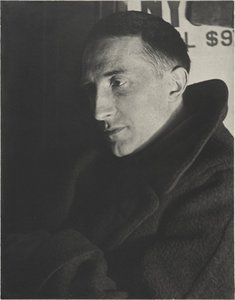
Marcelis Diušanas – revoliucinis menininkas, iššūkį metęs dailės sampratai su dadaizmu ir „readymade“ kūriniais, tokiais kaip „Fontanas“. Pažinkite jo ikoninius darbus ir filosofinį poveikį!

from ·

Chapter 1

How large should it be?

Slide to change the size; the picture on the left shows the frame at its real width. The proportions of the original are kept.

Standartinis dydis
pagal užsakymą
CM
INCH

Pasirinkite iš mūsų nustatytų dydžių, atitinkančių originalaus meno kūrinio proporcijas.

plotis
aukštis

Įveskite jums reikiamą plotį ir aukštį, kad paveikslas atitiktų jūsų rėmą ar sieną. Kadangi šis darbas yra rankinio darbo, siekiant išgauti kitokios formos dydį, paveikslas gali būti šiek tiek didesnis (nuo kraštų bus palikta daugiau erdvės) arba mažesnis – pasirinkite jums patogiausią variantą. Prieš pradedant tapyti, atsiųsime jums skaitmeninį maketą patvirtinimui. Šioje puslapio nuotraukoje matomas vaizdas nėra galutinis rezultatas – jį parodys tik sukurtas maketas.

Chapter 2

How should it arrive?

Choose the edges of the stretched canvas

Choose your frame

Corner sample of the WhiteWrap canvas edge finish, stretched on solidus medžio

**Improved version:**
solidus medis bars
White €1
Corner sample of the BlurSideWrap canvas edge finish, stretched on solidus medžio

**Improved version:**
solidus medis bars
Blurside €1
Corner sample of the ExtendedWrap canvas edge finish, stretched on solidus medžio

**Improved version:**
solidus medis bars
Extended €1
Corner sample of the P118B picture frame: lieto polistirolo detalės, 5 cm wide and 3 cm thick
P118B €10
Corner sample of the P118H picture frame: lieto polistirolo detalės, 5 cm wide and 3 cm thick
P118H €10
Corner sample of the P118W picture frame: lieto polistirolo detalės, 5 cm wide and 3 cm thick
P118W €10
Corner sample of the P438Z picture frame: lieto polistirolo detalės, 5.5 cm wide and 3.5 cm thick
P438Z €10
Corner sample of the P508JH picture frame: lieto polistirolo detalės, 7 cm wide and 3.5 cm thick
P508JH €12
Corner sample of the P508YH picture frame: lieto polistirolo detalės, 7 cm wide and 3.5 cm thick
P508YH €12
Corner sample of the P805H picture frame: lieto polistirolo detalės, 5 cm wide and 3.5 cm thick
P805H €10
Corner sample of the P805Z picture frame: lieto polistirolo detalės, 5 cm wide and 3.5 cm thick
P805Z €10
Corner sample of the P919BZ picture frame: lieto polistirolo detalės, 7 cm wide and 3.5 cm thick
P919BZ €10
Corner sample of the P919G picture frame: lieto polistirolo detalės, 7 cm wide and 3.5 cm thick
P919G €10
Corner sample of the P919XJ picture frame: lieto polistirolo detalės, 7 cm wide and 3.5 cm thick
P919XJ €10
Corner sample of the P959ZH picture frame: lieto polistirolo detalės, 5 cm wide and 3 cm thick
P959ZH €10
Corner sample of the P968JZ picture frame: lieto polistirolo detalės, 6 cm wide and 4 cm thick
P968JZ €12
Corner sample of the W106C picture frame: solidus medžio

**Improved version:**
solidus medis, 5 cm wide and 3 cm thick
W106C €8
Corner sample of the W218G picture frame: solidus medžio

**Improved version:**
solidus medis, 5 cm wide and 3 cm thick
W218G €10
Corner sample of the W218JH picture frame: solidus medžio

**Improved version:**
solidus medis, 5 cm wide and 3 cm thick
W218JH €8
Corner sample of the W218Y picture frame: solidus medžio

**Improved version:**
solidus medis, 5 cm wide and 3 cm thick
W218Y €10
Corner sample of the W307PJ picture frame: solidus medžio

**Improved version:**
solidus medis, 6 cm wide and 3 cm thick
W307PJ €10
Corner sample of the W316G picture frame: solidus medžio

**Improved version:**
solidus medis, 6 cm wide and 3 cm thick
W316G €10
Corner sample of the W316PJ picture frame: solidus medžio

**Improved version:**
solidus medis, 6 cm wide and 3 cm thick
W316PJ €8
Corner sample of the W316Y picture frame: solidus medžio

**Improved version:**
solidus medis, 6 cm wide and 3 cm thick
W316Y €10
Corner sample of the W398PJ picture frame: solidus medžio

**Improved version:**
solidus medis, 5 cm wide and 3 cm thick
W398PJ €8
Corner sample of the W4111J picture frame: solidus medžio

**Improved version:**
solidus medis, 6.5 cm wide and 3.5 cm thick
W4111J €10
Corner sample of the W500HY picture frame: solidus medžio

**Improved version:**
solidus medis, 7 cm wide and 5 cm thick
W500HY €15
Corner sample of the W500JH picture frame: solidus medžio

**Improved version:**
solidus medis, 7 cm wide and 5 cm thick
W500JH €15
Corner sample of the W692G picture frame: solidus medžio

**Improved version:**
solidus medis, 8 cm wide and 4 cm thick
W692G €12
Corner sample of the W849H picture frame: solidus medžio

**Improved version:**
solidus medis, 5 cm wide and 3 cm thick
W849H €8
Corner sample of the W940BG picture frame: solidus medžio

**Improved version:**
solidus medis, 7.5 cm wide and 4.5 cm thick
W940BG €15
Corner sample of the W953PJ picture frame: solidus medžio

**Improved version:**
solidus medis, 6 cm wide and 3.5 cm thick
W953PJ €8
Corner sample of the H24-GOLD picture frame: medžio skulptūra su gipso sluosniu, 10 cm wide and 6 cm thick
H24-GOLD €30
Corner sample of the H24-SILVER picture frame: medžio skulptūra su gipso sluosniu, 10 cm wide and 6 cm thick
H24-SILVER €30
Corner sample of the H36-GOLD picture frame: medžio skulptūra su gipso sluosniu, 15 cm wide and 6.5 cm thick
H36-GOLD €45
Corner sample of the H36-SILVER picture frame: medžio skulptūra su gipso sluosniu, 15 cm wide and 6.5 cm thick
H36-SILVER €45
Rėmo peržiūra
Įrėmintas

Moulding: . Overall size with the frame: .

Chapter 3

Who paints it, and should anything change?

Examples of what can be changed: Replace face with customer photo; Add pet (e.g., replace cat with dog); Include hidden message in background; Change background landscape or elements.
After order, OriginalUniqueArt.com team will email client for instructions and provide a mockup preview

Pristatymas visame pasaulyje () per 3–4 savaites, o ne įprastai – per 5 savaites. (1 lapkritis). Kokybė lieka nepakeičiama.

Chapter 4

The finishing touches

A nameplate, as in a museum?

Išgraviruotos bronzinės plokštelės detalės

This elegant plaque features the artist's name and the title of the artwork, finely engraved for a timeless presentation.

It is made from bronze with a refined, elegant finish. The text is precisely laser-engraved for a sharp and permanent result. Measuring 9x2 cm, the plaque is compact yet easy to read. It's built to be durable and scratch-resistant, offering a professional, museum-quality look. Mounting is simple thanks to the included adhesive backing.

Skaidrios akrilo plokštelės informacija

The plaque includes essential engraved details such as the artist's name, the title of the artwork, the date it was created, the type of media used-like oil on canvas or watercolor-a brief description of the piece, and a QR code that links to the complete artwork information.

It is crafted from clear acrylic, offering a sleek, modern appearance. The text is UV-engraved in black to ensure strong visual contrast. With a size of 10x15 cm, it ensures optimal readability. It comes equipped with two metal hooks for secure wall mounting. The plaque is designed to be weather-resistant, making it suitable for various environments, and it includes interactive features that work seamlessly with smartphone scanning.

Juodos akrilo plokštelės informacija

This elegant plaque includes engraved information such as the artist's name, the title of the artwork, the date it was created, the type of media used (like oil on canvas or watercolor), a short description of the artwork, and a QR code for quick access to more information.

The plaque itself is made from refined black acrylic with a premium finish. The text is laser-engraved in white for high contrast and readability. Its size is 10x15 cm, designed to be easy to read. It comes with two metal hooks for professional mounting. The design is sleek and fits any interior style. It is also weather-resistant and durable, with built-in digital integration for mobile compatibility.

A protective varnish?

When do you need it?

Chapter 5

Your painting, as you ordered it

Chess Game

Reprodukcijos technika

Reprodukcijos matmenys

-

Aukščiausios klasės meistras

Daugiau detalių, meistriškumo ir papildomo gamybos laiko

-

Reprodukcijos rėmėjimo parinktys

-

-

Dėl meno kūrinių ar reprodukcijų, kurių bet kuri pusė yra didesnė nei 105 cm (apie 41 inch), rėmas bus siunčiamas kaip išskaidytas surinkimo rinkinys. Šis metodas užtikrina saugų pristatymą ir apsaugo nuo transportavimo metu galimos žalos.

Reikalingas profesionalus surinkimas – tai nėra „pasidaryk pats“ (DIY) produktas.
Rinkinys turi būti surinktas, o drobė išplėsta naudojant patyrį profesionalų rėmininką, medžio klijus (nėra įtraukti į rinkinį), drobės plėšimo kleslę bei presas, kad rėmo rėžiai išliktų tiesūs, kol klijai išdžiūvus. Netinkamas surinkimas arba netolydus drobės įtampa gali negrįžtamai sugadinti meno kūrinį, todėl šie atvejai nėra užtraukiami mūsų garantijos.

  • Į komplektą įeina visi vientisos medienos elementai, tiksliai išpjauti pagal dydį.

  • Surmontinama naudojant pridėtus varžtus bei papildomai reikalingą medžio kliją kampų jungtims, kuris nėra pridėtas ir turi būti parinktas rėmininkui.

  • Reikalingi profesionalūs įrankiai, kurie nėra įtraukti į rinkinį: drobės kėlimo plytelės (stiprintuvai) ir klemiai, laikantys rėmo strygius tiesiu kampu, kol džiūsta lipas.

Svarbu:
Kampų jungtims reikalingi medžio klijai, barams reikia laikyti naudojant presas, kol klijai visiškai išdžiūvės, o surinktam rėmui įtempiamai privilgti būtinos drobės įtempimo plytযুক্ত. Šios priemonės į rinkinį neįtrauktos. Prieš užsakydami šio dydžio rinkinį, rekomenduojame pasimalkoti patyrusiu rėmų meistru.

Pavadinimo lentelė

-

-

Apsauginis lakas

Blizgus lakas (ryškina spalvas, saugo nuo šviesos ir drėgmės)

-

Personalizuoti kūrinį

Ką galima pakeisti (pavyzdžiui): pakeisti veidą klientui skirta nuotrauka; pridėti augintinį (pvz., katę pakeisti šuniu); įtraukti paslėptą žinutę fone; pakeisti fono kraštovaizdį ar elementus.

-

Skubiai

Pristatymas visame pasaulyje () per 3–4 savaites, o ne įprastai – per 5 savaites. (1 lapkritis). Kokybė lieka nepakeičiama.

-

Skubus pristatymas

Pristatymas visame pasaulyje () per 5 weeks. (8 lapkritis).

Įskaičiuota

Bendroji kaina

€ 267

Visos kainos suma € 267

Stiklo variantas prieinamas tik pasirinkus dydį iki 110 cm

Included with every order

  • Nemokamas greitasis pristatymas visame pasaulyje
  • Aukštos kokybės lininis drobė
  • Pilnas siuntimo draudimas
  • Muitinės mokesčių grąžinimo garantija
  • Tikro spalvų atitikimo garantija
  • 100 dienų grąžinimo politika (tik esant įtaigoms)
  • 100% pinigų grąžinimo garantija
  • Nuolaida dideliems užsakymams

A Game of Shadows: Marcel Duchamp’s “The Chess Game”

Marcel Duchamp's "The Chess Game," painted in 1910, isn’t merely a depiction of a game; it’s a meticulously crafted tableau of ennui, social constraint, and the burgeoning anxieties of modern life. Housed within the walls of the Philadelphia Museum of Art, this oil on canvas invites viewers into a world where strategic decisions collide with unspoken tensions, all rendered in Duchamp's signature post-impressionist style – a deliberate departure from the naturalistic focus of his predecessors. The painting’s power lies not just in its visual elements but in the complex web of symbolism it weaves, reflecting the intellectual currents of early 20th-century Europe and hinting at Duchamp’s revolutionary approach to art itself.

Duchamp's artistic journey leading up to "The Chess Game" was marked by a restless experimentation. Initially drawn to Cubism – evident in his earlier work, *Portrait of Chess Players* – he soon found himself increasingly dissatisfied with the purely formal concerns of the movement. He sought to capture not just the appearance of objects but their underlying essence, their emotional weight. This pursuit led him toward Dadaism and ultimately, Conceptual Art, where the idea behind a work often superseded its physical form. “The Chess Game” embodies this shift, prioritizing atmosphere and psychological suggestion over straightforward representation.

  • Post-Impressionist Influence: Duchamp’s use of bold colors – particularly the muted greens and browns that dominate the scene – is characteristic of post-impressionism. However, he employs these colors not to faithfully reproduce reality but to evoke a specific mood: one of quiet desperation and stifled energy.
  • Gustave Flaubert's Echoes: The painting’s pervasive sense of boredom and restlessness directly reflects the themes explored by Gustave Flaubert in *Madame Bovary*. Duchamp, deeply influenced by Flaubert’s exploration of female dissatisfaction and the limitations imposed upon women in 19th-century society, uses the chess game as a metaphor for life itself – a strategic battle fought within restrictive social boundaries.
  • Brotherly Portraiture: The inclusion of Duchamp's brothers, Raymond and Jacques Villon, alongside their wives, Yvonne and Gaby, is particularly significant. Their postures—hunched over the chessboard, Yvonne reclining languidly on the grass, Gaby nervously fiddling with a tea set—suggest a subtle power dynamic. The exclusion of the women from the game underscores the societal constraints placed upon them at the time, highlighting their limited roles and unspoken frustrations.

The Scene Unfolds: A Garden of Contemplation

The setting itself is crucial to understanding the painting’s emotional impact. It's a meticulously rendered garden scene, yet one devoid of warmth or vitality. The furniture—a table laden with cups, bowls, and spoons—suggests a comfortable domesticity, but it’s juxtaposed against the palpable sense of unease. The chessboard, positioned at the center of the composition, becomes a potent symbol: a battlefield where men engage in intellectual warfare while women are relegated to the periphery. The careful arrangement of objects – the strategically placed cups and bowls, the precise positioning of the chairs – creates a visual rhythm that mirrors the strategic thinking required for success in chess, yet simultaneously underscores the artificiality of the situation.

Symbolism and the Chessboard as Metaphor

Beyond its immediate depiction, “The Chess Game” is rich with symbolic meaning. The chessboard itself represents life’s complexities – a series of choices, strategies, and potential outcomes. The players, engrossed in their game, are trapped within this metaphorical landscape, navigating challenges and making decisions that shape their destinies. Duchamp's brothers, as the dominant figures at the table, embody the masculine ideals of the era—intellectual prowess, strategic thinking, and a perceived control over their own lives. The exclusion of the women suggests a critique of patriarchal structures and the limited opportunities available to women in that society. Yvonne’s semi-recumbent position speaks to a sense of passive acceptance, while Gaby's nervous fidgeting hints at suppressed anxieties.

Artistic Significance and Reproduction

“The Chess Game” stands as a pivotal work in Duchamp’s artistic development, demonstrating his early experimentation with post-impressionism and foreshadowing his later embrace of Cubism and Conceptual Art. It's a remarkably prescient painting, capturing the anxieties and social tensions of its time while simultaneously anticipating the radical shifts that would transform the art world in the 20th century. OriginalUniqueArt.com offers meticulously crafted oil painting reproductions of this captivating masterpiece, ensuring that every detail—from the subtle nuances of color to the intricate textures of the furniture—is faithfully recreated. These handmade reproductions provide a tangible connection to Duchamp’s revolutionary vision, allowing art enthusiasts and collectors alike to experience the power and beauty of “The Chess Game” in their own homes.
  • High-Quality Reproduction: Our skilled artists use traditional oil painting techniques to meticulously recreate Duchamp's original work, capturing its unique atmosphere and emotional depth.
  • Authentic Materials: We employ only the finest pigments and canvases to ensure that our reproductions are durable and visually stunning.
  • A Window into Modernity: Own a piece of art history and gain a deeper understanding of Duchamp’s artistic vision.

Explore more post-impressionist masterpieces and discover the beauty of handmade art at Marcel Duchamp: Chess Game and The Chess Game on OriginalUniqueArt.com.

Klausimai ir atsakymai

Kokią vietą Marselis Diušanas pasikartojančių temų tarėje užima „Chess Game“?

Tarp užfiksuotų Marselis Diušanas temų – post-impressionism, flaubert’s ennui, cubist elements, distorted forms, early experimentation, chess game series, dada precursors, exploring modern life – kūrinys „Chess Game“ akcentuoja chess, game, boredom, women, exclusion, flaubert, garden, strategy.

Koks reprodukcijos dydis rekomenduojamas kūriniui „Chess Game“ – Marselis Diušanas?

Rekomenduojamas spausdinimo dydis kūriniui „Chess Game“ – Marselis Diušanas yra Medium.

Koks yra „Chess Game“ formatas?

„Chess Game“ – Marselis Diušanas yra Landscape kompozicija. Prieš renkantis spausdinimo dydį, verta patikrinti proporcijas.

More about this painting

Peržiūrėti realaus dydžio版 Peržiūrėti AR realybėje Perjungti į spausdinamus版作品 Perejti prie skaitmeninių vaizdų Pasidalinti
Išsamiau Vadovas Pridėti į mėgstamiausius Atsisiųsti Panašūs eksponatai Rentgeno spindulių nuotrauka Automatinė diorama Q&A Statistika

In numbers

  • 1910the year it was painted
  • 29frames to choose from
  • standard sizes, in its own proportions
  • 5weeks to paint and deliver it

About the original

Matmenys
114.0 x 146.0 cm
Marselis Diušanas

Marselis Diušanas

1887 - 1968, Prancūzija

Quick facts about Marselis Diušanas

  • Artisti Įtakojo:
    • Konceptualus menas
    • Pop'ierų menas
  • Gimimo Data: 1887 m. liepos 28 d.
  • Gimimo Vieta: Blainville, Prancūzija
  • Meninis Stilius:
    • Kubizmas
    • Dadaizmas
    • Konceptualus menas
  • Mirimo Data: 1968 m. spalio 2 d.
  • Pilnas Vardas: Marcelis Diušanas
  • Tautybė: Prancūzų–amerikietis
  • Žymiausi Kūriniai:
    • Fontanas
    • L.H.O.O.Q.
    • Didysis stiklas

Autoriaus biografija

Revoliucijos Siela: Marcelio Duchampo Gyvenimas ir Menas

Marcelis Duchampas, gimęs Henri-Robert-Marcel Duchamp 1887 metais Blainville-Crevone, Normandijoje, nebuvo tik menininkas; tai buvo filosofinis provokatorius, kuris fundamentaliai pakeitė šiuolaikinės dailės eigą. Jo ankstyvieji metai, nors ir atrodę įprasti – auginami šeimoje, vertinusioje meninę raišką, su broliais sekusiais sėkmingas karjeras mene – numojo į artėjančią ikonoklastiją. Duchampas pradžioje ėjo formalų mokymąsi, įvaldydamas tradicinius metodus ir eksperimentuodamas su post-impresionistiniu stiliumi. Tačiau šis akademinis pagrindas netapo saviveiksle, o veikiau trampilinu, kuris iššūkį metė pačiai meno prigimsčiai, paskirčiai ir apibrėžčiai. Jis nenusitaręs tiesiog pavaizduoti pasaulį; jis siekė pakelti klausimus apie tai, kaip mes jį suvokime, ir kas sudaro meninę vertę. Šis neramus intelektualus smalsumas taptų jo gausios karjeros apibrėžiančiu bruoku.

Nuo Kubizmo iki Dadaizmo: Atsisakymas Konvencijų

Duchampo meno kelionė buvo pažymėta nuolatiniu vystymusi, sąmoningu nustatyto normų atmetimu. Jo ankstyvas susidūrimas su kubizmu, matomas tokiuose darbuose kaip *Portretas šachmatininkų* (1911), parodė susidomėjimą fragmentuotais dariniais ir keliais požiūriais – tai atitraukimas nuo tradicinio vaizdavimo. Tačiau jis greitai perėjo už grynai estetinio rūpesčio, suprasdamas, kad tiesiog perkeliant vizualinius elementus nepakanka spręsti gilesnius klausimus, kurie jame sukosi. Pasaulinio karo siaubai sustiprino šį nepasitenkinimą, paskatindami Duchampą priimti dadaizmą – judėjimą, gimusią nusivylimo ir atmetimo logikai, protui bei tradiciniams meniniams vertybėms. Būtent dadaistinio rėmo viduje Duchampas tikrai pradėjo demontuoti įprastus meno suvokimus. Jis nebuvo suinteresuotas kurti gražius daiktus; jis norėjo provokuoti mintis, mesti iššūkius prielaidoms ir atskleisti estetinės vertinimo savivaledybę. Šiuo laikotarpiu gimė jo radikaliausias naujumas: „readymade“.

Readymades ir Meno Subversija

„Readymade“ įvedimas – kasdieniai gamyklinius daiktus, atrinkti ir pateikti kaip menas – buvo Duchampo reikšmingiausias indėlis į 20-ąjį amžių. Tai nebuvo tiesiog rasti objektai; tai buvo sąmoningi meno subversijos aktai. Imdamasis kasdienio daikto, pavyzdžiui, vonios ( *Fontanas*, 1917), pasirašydamas „R. Mutt“ ir pateikdamas jį parodai, Duchampas išbandė pačią meninio įgūdžių ir autentiškumo apibrėžimą. Ar kūrinį sukūrė menininko ranka, ar menininko *idėja*? Šis klausimas tapo pagrindiniu jo praktikoje ir padėjo pamatus Konceptualiam Menui. Kiti žymūs „readymades“, tokie kaip *L.H.O.O.Q.* (1919), Mona Lizos atviruko reprodukcija, kurią išjuokė su ūsų ir barzda, buvo žaismingi, tačiau tikslingi kritikos istorijos ir įsitvirtinusių kultūrinių ikonų atžvilgiu. Šie darbai nebuvo skirti būti garbinamiems dėl jų estetinio kokybės; jie turėjo provokuoti diskusijas ir priversti žiūrovus persvarstyti savo išankstines nuomones apie tai, kas sudaro meną. Duchampas tikėjo, kad menas turėtų slypti mintyje, o ne tiesiog akyse.

Palikimas ir Nuolatinis Įtaka

Marcelio Duchampo įtaka paskesnėms menininkų kartoms yra neprieinama. Jis fundamentaliai pakeitė mūsų supratimą apie meną, atidaręs kelią tokiems judėjims kaip Konceptualus Menas, Minimalizmas, Pop Art ir daugybė kitų. Jo pabrėžimas menininko idėjos – darbo koncepcijos – virš jo estetinio kokybės – ir toliau įkvepia menininkus šiandien.
  • Kubizmas: Ankstyvas fragmentuotų formų ir erdvės atvaizdų tyrinėjimai.
  • Dadaizmas: Logikos, proto ir tradicinių meninių vertybių atmetimas, reaguojant į Pasaulinį karą I.
  • Konceptualus Menas: Pabrėžiamas darbo idėja, o ne jo estetinės kokybės.
Jo darbas ir toliau provokuoja diskusijas ir iššaukia žiūrovus persvarstyti savo prielaidas apie kūrybiškumą ir meninę raišką. Duchampas nebuvo tik menininkas; jis buvo filosofas, provokatorius ir revoliucionierius, kuris drįso pakelti klausimus viskam. Jis išlieka pagrindiniu diskusijų dalyku apie meno prigimtį ir jo vaidmenį visuomenėje, jo palikimas stipriai rezonuoja šiuolaikinio meno pasaulyje. Didysis stiklas (1915–1923), su savo sudėtinga simbolika ir paslaptingu vaizdumu, yra liudijimas jo intelektinio atkaklumo ir nuolatinės įtakos. Duchampo darbas nėra apie pateikimą atsakymų; tai apie klausimų keliamą – klausimus, kurie ir toliau iššaukia ir įkvepia mus šiandien.

Trumpa informacija

  • Dimensions: 114 x 146 cm
  • Artistic style: Cubist influence
  • Year: 1910
  • Influences: Flaubert
  • Location: Philadelphia Museum
  • Movement: Post-Impressionism

Karo viktorina

Kiekviename klausime yra tik vienas teisingas atsakymas.

Klausimas 1:
What artistic movement is Marcel Duchamp primarily associated with in this painting?
Klausimas 2:
The scene depicted in 'The Chess Game' primarily reflects which theme?
Klausimas 3:
Which literary work heavily influenced Duchamp's interpretation of the scene in 'The Chess Game'?
Klausimas 4:
What is the significance of the exclusion of Yvonne and Gaby from the chess game in the painting?
Klausimas 5:
The chessboard itself serves as a metaphor for what concept within the painting?