
 Peržiūrėti realybėje
 Pasidalinti
 Dalintis
 Išsamiau

 Atsisiųsti
 Panašūs eksponatai
 Rentgeno nuotrauka
 Automatinė diorama
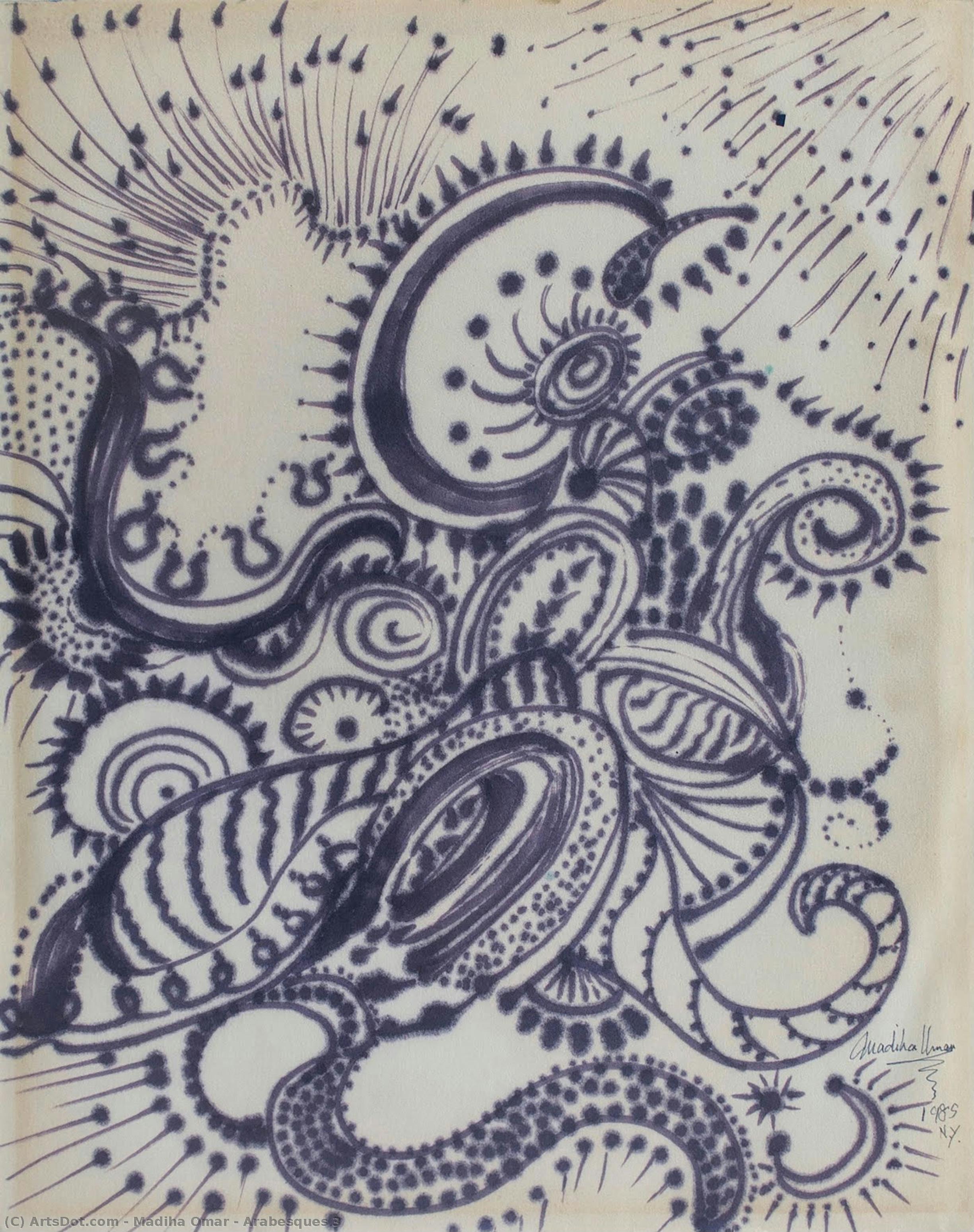
Arabesques 3
 1985
1985 35.0 x 30.0 cm
 Ibrahimi Collection
 Skaityti daugiau
Įsigykite aukštos skiriamosios raiškos, patobulintą skaitmeninį vaizdą, gerokai pranašesnį už internetinę peržiūrą.
Kiekvieną failą mūsų specialistai kruopščiai paruošia naudojant pažangias technologijas ir profesionalų rankinį retušavimą. Užtikriname, kad kiekvienas vaizdas pasižymėtų išskirtiniu aiškumu, tikslia spalvų atspalviu ir smulkiomis detalėmis.
Baigiamas failas el. paštu pristatomas per 72 valandas; jis optimizuotas nedelsiant naudojimui profesionalioje, redakcinėje ir spausdinimo aplinkoje. Tai ta pati kokybė, kuria pasitiki aukščiausios klasės dizaino studijos, leidyklos ir galerijos.
Skaitmeninis vaizdas
Atsisiųskite didelės raiškos failą asmeniniam naudojimui, spausdinimui ir kūrybiniams projektams. ( Pirkti spaudinį Pirkti rankomis tapytą paveikslą)
Kiekvieną skaitinio vaizdo užsakymą papildė
Profesionalus skaitmeninis pristatymas, garantuotas
Pasirinkę OriginalUniqueArt.com, jūs ne tik gaunate paveikslėlį – jūs gaunate profesionaliai patobudintą skaitmeninį kūrinį, sukurtą itin tikniai ir užtikrinantį pasitenkinimą. Štai viską, kas automatiškai pritékia jūsų užsakymui:

Greitas siuntimas el. paštu
Jūsų aukštos raiškos skaitmeninis vaizdo failas bus išsiųstas jums el. paštu per 72 valaudas nuo užsakymo – paruoštas naudojimui be jokių papildomų veiksmų.

Skaitmeninis failas su dirbtiniu intelektu
Jūsų meno kūrinys profesionaliai optimizuojamas naudojant pažangius dirbtinio intelekto įrankius ir rankinį redagavimą, užtikrinant maksimalią detalę, aiškumą ir spalvų tikslumą.

Nemokamas visam laikui pakartotinis siuntimas
Atsitiktinai ištrytikote ar praradote savo failą? Nebijokite – bet kuriuo metu atsiųsime jį jums vėl nemokamai.

Jokio importo mokesčio – niekada
Mėgaukitės savo meno kūriniu akimirka – skaitiniai failai visada yra neapmokestinami, todėl nereikės mokėti muitinės, mokesčių ar pristatymo mokesčių.

Spalvų tikslumo garantija
Naudodami profesionalią įrangą ir spalvų valdymo sistemas, užtikriname, kad jūsų skaitmeninis vaizdas kuo tiksliau atspindėtų originalias spalvas.

60 dienų pasitenkinimo garantija
Jei nebuvate patenkinti savo skaitinio vaizdo, per 60 dienų jį pertaisysime arba grąkinsime 100% sumą – be jokių klausimų.

100% pinigų grąžinimo garantija
Nepat 만족inti? Gaukite visą sumokėtą sumą per 60 dienų nuo skaitmeninio failo gavimo – be jokių papildomų klausimų.

Nuolaidos dideliems užsakymams
Pirkti 3 nuotraukas – pasiūla 10% - Pirkti 5 – pasiūla 15% - Pirkti 10 ir daugiau – pasiūla 20%. Puikiai tinka kūrybiniams projektams, galerijoms bei agentūroms.
Autoriaus biografija
Wassily Kandinsky: Pioneer of Abstraction
Born in Moscow in December 1866, Wassily Kandinsky’s life and artistic journey represent a radical transformation within the landscape of modern art. Initially pursuing law and economics – disciplines that initially seemed to dictate his family's expectations – Kandinsky found himself increasingly drawn to the burgeoning world of art, a passion ignited by a youthful encounter with Monet’s “Impression, Soleil Levant.” This pivotal moment marked a decisive shift away from conventional academic training and towards an exploration of color and form as fundamental expressive elements. His early artistic endeavors, including studies in charcoal and pen-and-ink, laid the groundwork for his later revolutionary approach, yet it was his time at the Moscow School of Art that truly shaped his nascent theories about art’s potential to transcend mere representation.
Kandinsky's formal training in Munich during the late 1890s proved transformative. He enrolled at the Academy of Fine Arts, but quickly found himself disillusioned with its rigid structure and emphasis on traditional techniques. He sought guidance from Gabriele Münter, a fellow artist who became both a close friend and collaborator, and together they explored new avenues of artistic expression. This period witnessed the development of his core ideas – that art could communicate directly through color and form, bypassing the need for realistic depiction. Influenced by synesthesia, a neurological condition where stimulation of one sense triggers experiences in another (such as seeing colors when hearing music), Kandinsky began to believe that visual elements possessed inherent emotional qualities, which he meticulously documented in his influential writings.
The early 20th century witnessed a period of intense experimentation for Kandinsky. He and Münter formed the “Blue Rider” group (Der Blaue Reiter) alongside figures like Franz Marc and August Macke, a collective dedicated to exploring spiritual and emotional content within art. Their work was characterized by vibrant colors, simplified forms, and an emphasis on expressing inner states of being. Kandinsky’s early paintings from this period, such as “Composition VII” (1913), demonstrate his growing commitment to abstraction – the deliberate rejection of recognizable imagery in favor of purely visual elements. These works are not merely decorative; they represent a profound attempt to capture and convey subjective experience through color, line, and shape.
The Development of Abstract Art
Kandinsky’s artistic evolution was inextricably linked to his intellectual development. He meticulously documented his theories on the spiritual potential of art in numerous essays and writings, most notably “Concerning the Spiritual in Art” (1911). In these texts, he argued that art should strive to evoke a sense of inner harmony and spiritual awakening, moving beyond mere imitation of the external world. He identified six basic elements – line, color, shape, texture, plane, and volume – each possessing its own inherent expressive power. Kandinsky believed that by consciously manipulating these elements, artists could create works that resonated with viewers on a deeper, emotional level.
The outbreak of World War I profoundly impacted Kandinsky’s life and work. He fled Russia following the Bolshevik Revolution, eventually settling in Munich and later Paris. During this period, he continued to refine his abstract style, experimenting with increasingly simplified forms and vibrant color palettes. His paintings from the 1920s and 30s, such as “Composition VIII” (1923), are characterized by a dynamic interplay of geometric shapes and colors that evoke a sense of movement and energy. Despite facing increasing censorship in Germany due to his Jewish heritage, Kandinsky remained committed to his artistic vision, believing that art could serve as a powerful force for social change.
Kandinsky’s Legacy and Influence
Wassily Kandinsky's contribution to the history of art is immeasurable. He is widely considered one of the pioneers of abstract art, demonstrating its potential not merely as an aesthetic exercise but as a means of expressing profound spiritual truths. His theoretical writings provided a framework for understanding abstraction, influencing generations of artists who followed in his footsteps. His bold experimentation with color and form paved the way for movements such as Bauhaus and Surrealism.
Beyond his individual artistic achievements, Kandinsky’s legacy extends to his role as an educator and theorist. He taught at the Bauhaus school in Germany and later at the Art Academies of Lyon and Paris, sharing his ideas with a new generation of artists. His work continues to inspire artists today, reminding us of the power of art to transcend the limitations of representation and connect us to something deeper within ourselves.
Key Works
- Improvisation 28 (1912): An early example of Kandinsky’s abstract style, featuring dynamic lines and colors that evoke a sense of movement and emotion.
- Composition VII (1913): A seminal work showcasing Kandinsky's exploration of color and form as expressive elements.
- Concerning the Spiritual in Art (1911): Kandinsky’s influential treatise outlining his theories on the spiritual potential of art.
- Composition VIII (1923): Demonstrates Kandinsky's continued experimentation with abstraction and geometric forms during the 1920s.
A Life Dedicated to Art
Wassily Kandinsky died in Neuilly-sur-Seine, France, in December 1944. His life was a testament to his unwavering dedication to art and his belief in its transformative power. His work continues to resonate with audiences around the world, offering a glimpse into the inner landscape of the human spirit and reminding us that art can be more than just a reflection of reality—it can be a pathway to transcendence.

madiha omar
1908 - 2005 , Syrian Arab Republic
Trumpai apie šį kūrėją
- Artistic Movement Or Style: Abstraction, Expressionism
- Artists Or Movements Influenced By This Artist:
- Bauhaus
- Abstract art
- Artists Who Influenced This Artist:
- Paul Gauguin
- Vincent van Gogh
- Date Of Birth: 16 December 1866
- Date Of Death: 13 December 1944
- Full Name: Wassily Kandinsky
- Nationality: Russian/French
- Notable Artworks:
- Composition VII
- Improvisation 28
- Yellows and Greens
- Place Of Birth: Moscow, Russia

