Expressionism
Possendorf III (Lyonel Feininger)
Lyonel Feininger (1871–1956) sukūrė Possendorf III. Šis kūrinys priklaulo Expressionism kieruliui. Pagaminta naudojant Oil.
- Oil

 Peržiūrėti realaus dydžio版

 Rankinio darbo aliejinės imitacijos paveikslas
 Pasidalinti
 Dalintis
 Informacinė l lapelė


 Atsisiųsti
 Panašūs eksponatai
 Rentgeno spindulių nuotrauka
 Automatinė diorama
 问答

 Statistika
Possendorf III, trumpai
- Pavadinimas
- Possendorf III
- Autorius
- Lyonel Feininger (1871–1956)
- Dizainere/is gimęs
- Niujorkas, Jungtinės Amerikos Valstijos
- Mediumas
- Oil
- Judėjimas
- Expressionism
- Laikotarpis
- Modern
- Tema
- building, steeple, roof, hills, clouds, orange sky
Ką vaizduoja Possendorf III?
Identification of Possendorf III by Lyonel Feininger
The canvas presents Possendorf III, a work born from the hand of Lyonel Feininger. This painting emerges from the artist's deep connection to the landscape, capturing a specific moment in a rural setting. The piece exists as a significant expression of the Expressionist movement, where the focus shifts toward the internal emotional resonance of a scene rather than a mere imitation of the physical world.
Lyonel Feininger brings a unique vision to this composition, utilizing the principles of Expressionism to shape the environment. The work reflects the artist's ability to translate the essence of a place into a visual language of form and color. Through this approach, the structures and hills of the landscape become vessels for a subjective experience, inviting a sense of quiet contemplation within the rural atmosphere.
Visual Composition and Subject Matter
A large building with a sharp, pointed roof dominates the foreground, anchoring the scene. A bright white section on this structure catches the light, creating a stark contrast against the surrounding darker tones. To its left, a smaller structure rises with a similar pointed roof, mirroring the geometry of its larger neighbor. These man-made forms sit amidst a landscape of rolling hills and mountains that stretch toward the horizon. The sky above is heavy with clouds, their surfaces possessing a thick, textured appearance that adds a sense of weight to the atmosphere.
The entire setting suggests a peaceful rural environment, perhaps a quiet moment in the German countryside. Warmth permeates the composition through a palette of orange, yellow, and brown that washes over the landscape. In the upper left corner, a subtle hint of blue breaks through the warmth, offering a glimpse of the sky or perhaps a reflection on a distant surface. The arrangement of shapes and colors creates a quiet harmony between the architecture and the natural world.
Artistic Style and Visual Characteristics
The canvas breathes with the spirit of Expressionism, where the artist prioritizes emotional resonance over the rigid dictates of physical reality. Rather than capturing every splinter of wood or stone, the work relies on a language of suggestion. Lines and shapes dance across the surface to imply the presence of structures, allowing the viewer to sense the weight and height of the buildings through abstraction rather than precise detail. This approach transforms the rural setting into a subjective experience, where the essence of the place takes precedence over a literal transcription of the landscape.
A profound sense of harmony emerges from the interplay between the man-made structures and the natural world. The buildings, with their pointed roofs and prominent white sections, do not clash with the environment but seem to grow from it through a shared geometry. Warm tones of orange, yellow, and brown dominate the rolling hills, creating a unified atmosphere that wraps around the architecture. Even the sky, with its textured, cloud-filled expanse, feels integrated into this rhythmic composition. A subtle hint of blue in the corner offers a cool counterpoint to the warmth, adding a layer of depth to the peaceful scene.
Related Works by Lyonel Feininger
The artist's exploration of form and light continues through various media and subjects. In the watercolor Werder I, the fluidity of the medium meets a structured vision, much like the way Gaberndorf II unfolds upon paper. These works reveal a constant dialogue between the artist's hand and the surfaces he chooses to transform. Even when the subject shifts to the sea, the essence of his vision remains clear. The oil on canvas Boats adopts a cubist approach, breaking the water and vessel into geometric fragments. This same fascination with the maritime world appears in Steamer Odin, an oil on canvas from 1927, where an industrialized vessel moves through refracted seas.
Architecture and landscape remain central to his creative output. The oil painting Possendorf from 1929 captures a specific sense of place, mirroring the way Vollersroda III occupies the space of his artistic development. Each piece reflects a specific way of seeing, whether through the lens of a printmaker or a painter. The interplay of light and shadow persists across these different compositions, creating a sense of rhythm that connects a village church to the vast, shifting horizon of the Baltic Sea.
Possendorf III dididraudžios kokybės vaizdai
Viešoji domenė: suregalis mirė 1956 m.
Lyonel Feininger, Possendorf III. Viešoji domenė.
Atsakimai į klausimus apie Possendorf III
Kokia technika buvo panaudota kūriniam darbui „Possendorf III“ – Lyonel Feininger?
„Possendorf III“ technika – Oil.
Kokios temos atsispindi kūrynioje „Possendorf III“ – Lyonel Feininger?
„Possendorf III“ – Lyonel Feininger vaizdeletas: building, steeple, roof, hills, clouds, orange sky, landscape.
Ar „Possendorf III“ – Lyonel Feininger vaizdą galima laisvai reprodukcijaoti?
„Possendorf III“ – Lyonel Feininger yra yra viešosios erdvės dalis – jo autorinė teisė pasibaigusi. Šis statusas nustato, kaip galima reprodukcijaus šio kūrinio vaizdą.
Kas sukūrė „Possendorf III“?
Kūrinį „Possendorf III“ sukūrė Lyonel Feininger. Darbas katalogizuojamas Lyonel Feininger vardu.
Kokiam stiliui priklauso „Possendorf III“?
Kūrinio „Possendorf III“ – Lyonel Feininger stilius – Expressionism. Ši klasifikacija leidžia šį darbą įtraukti į bendrą susijusių menininkų ir kūrinių kontekstą.
Kodėl „Possendorf III“ autoriškos teisės statusas yra toks, koks yra?
„Possendorf III“ – Lyonel Feininger yra yra viešosios erdvės dalis – jo autorinė teisė pasibaigusi. Autorinės teisės galioja nuo mirties metų, kai šis kūrėjas mirė 1956 m.
Kaip kūrinys „Possendorf III“ dera su Lyonel Feininger temomis ir stiliumi?
„Possendorf III“ priklauso Lyonel Feininger Expressionism kūrybai, kurios įrašytoms temoms priskiriamas expressionism, bauhaus influence, architectural themes, marine subjects, cubist influence.
Kokią vietą Lyonel Feininger pasikartojančių temų tarėje užima „Possendorf III“?
Dažniausios Lyonel Feininger temos apima expressionism, bauhaus influence, architectural themes, marine subjects, cubist influence; kūrinys „Possendorf III“ susitelkia į building, steeple, roof, hills, clouds, orange sky, landscape.
Apie šį menininką, Lyonel Feininger

1871–1956, Jungtinės Amerikos Valstijos
Lyonel Feininger
Ankstyvas gyvenimas ir karjera: nuo karikatūristo iki dailininko Lyonel Charles Adrian Feininger gimė 1871 metų liepos 17 dieną Niujorke, meno šeimoje. Jo tėvas, Karlas Feiningeris, buvo vokiečių-amerikiečių smuolininkas ir kompozitorius, o motina, Elizabeth Feininger – amerikietė dainininkė. Ši artistiška aplinka turėjo didelės įtakos jo ankstyvam vystymuisi. Nors jaunystėje apmąstė muzikanto kelią, netrukus susidomėjo menu ir 1887 metais, būdamas šešiolikos metų, išvyko į Europą studijuoti muzikos.
Taip pat Lyonel Feininger darbai
 The honeymooners
 Boats1917
 Sailing Boats
 Blue Coast
Esdai apie Possendorf III
 Lyonel Feininger: Bridging Expressionism & Cubism – A Study of Spiritual GeometryExplore the captivating world of Lyonel Feininger, a pivotal figure bridging Expressionism & Cubism. Discover his architectural visions, Ba…
 Mastering Expressionism: The 25 Most Iconic Artworks by Alexej von JawlenskyImmerse yourself in the vibrant world of Alexej von Jawlensky. Explore 25 iconic Expressionist masterpieces, from emotive portraits to bold…
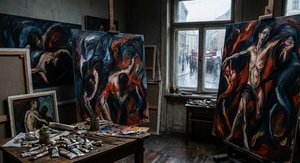 The Visceral Language of Emotion: Exploring Expressionism's Impact on 20th-Century ArtExplore the powerful world of Expressionism! Discover key artists like Kirchner & Nolde, understand its emotional impact, and learn about t…