Expressionism
Carnival (Lyonel Feininger)
Lyonel Feininger (1871–1956) sukūrė Carnival. Šis kūrinys priklaulo Expressionism kieruliui. Pagaminta naudojant Oil On Canvas.
- Oil On Canvas

 Peržiūrėti realaus dydžio版

 Rankinio darbo aliejinės imitacijos paveikslas
 Pasidalinti
 Dalintis
 Informacinė l lapelė


 Atsisiųsti
 Panašūs eksponatai
 Rentgeno spindulių nuotrauka
 Automatinė diorama
 问答

 Statistika
Carnival, trumpai
- Pavadinimas
- Carnival
- Autorius
- Lyonel Feininger (1871–1956)
- Dizainere/is gimęs
- Niujorkas, Jungtinės Amerikos Valstijos
- Mediumas
- Oil On Canvas
- Judėjimas
- Expressionism
- Laikotarpis
- Early Modern
- Tema
- people, figures, street scene, building, clock tower, umbrella
Ką vaizduoja Carnival?
Identification of Carnival by Lyonel Feininger
The street comes alive in Carnival, a spirited oil on canvas work by Lyonel Feininger. Created in 1911, this piece captures a moment of public celebration. The scene unfolds with a sense of movement, as if the viewer has just stepped into the middle of a bustling procession. People move through the space, their presence adding a layer of human energy to the urban setting.
Lyonel Feininger brings this specific vision to life through his unique handling of the medium. The oil paint carries the weight of the figures and the architecture, grounding the festive atmosphere in a tangible reality. Every brushstroke contributes to the feeling of a city in motion, caught in the middle of a joyful, crowded event. It is a window into a specific time and place, preserved through the artist's hand.
Composition and Visual Elements
A lively street scene unfolds before the eyes, filled with the restless energy of a crowd in motion. At least nine individuals populate the thoroughfare, each caught in a private moment of transit. One figure carries an umbrella against the sky, while another relies on a cane to navigate the pavement. Some travelers shoulder handbags or backpacks, their bodies angled as they move through the urban space. The figures appear to drift past one another, creating a sense of constant, rhythmic movement through the heart of the city.
In the background, the architecture looms with a sense of permanence. A building with a prominent clock tower watches over the pedestrians, its structure anchoring the bustling activity below. The composition draws the eye through the layers of the street, where the interplay of people and buildings creates a complex, layered perspective. The arrangement of the crowd suggests a spontaneous gathering, a slice of daily life where every person contributes to the collective pulse of the scene.
Technique and Artistic Style
The oil on canvas pulses with a restless energy, capturing a moment of movement through a lens of Expressionism. Colors collide and dance across the surface, refusing to settle into quietude. There is a palpable sense of rhythm in the way the pigments are applied, mirroring the lively street scene unfolding before us. The brushwork feels alive, driven by a desire to translate the emotional heat of a public celebration into visible, tactile strokes.
A subtle tension exists between the emotional intensity of Expressionism and the structural discipline of Cubist influence. While the colors scream with life, the underlying forms suggest a more calculated, geometric arrangement. This intersection of styles creates a visual language where the chaos of a crowd meets the organized logic of modernism. The figures move through a space that feels both spontaneous and carefully constructed, as if the artist is balancing the raw feeling of the moment with a precise, architectural eye.
Where to See This Artwork Today
The lively energy of this scene remains preserved within the walls of the Art Institute of Chicago. Visitors traveling to Chicago, IL, US, find this piece held within the institution's permanent collection. It resides there as a part of the Joseph Winterbotham Collection, waiting for those who wander through the museum's galleries to encounter its movement.
The painting stays housed in the Art Institute of Chicago, Chicago. It exists in this specific space, allowing the colors and the figures to remain part of the city's cultural landscape. One can find it among the many works that populate the museum's halls, where the spirit of the carnival continues to exist in its physical form.
Carnival dididraudžios kokybės vaizdai

Viešoji domenė: suregalis mirė 1956 m.
Kiti dydžiai, iškarai ir citavimo informacija →Lyonel Feininger, Carnival. Viešoji domenė.
Atsakimai į klausimus apie Carnival
Kokia technika panaudota kūriniui „Carnival"]?
„Carnival“ – Lyonel Feininger technika – Oil On Canvas. Kopijos siekia atkartoti šios technikos vaizdą.
Ką vaizduoja „Carnival“ – Lyonel Feininger?
„Carnival“ – Lyonel Feininger vaizdeletas: people, figures, street scene, building, clock tower, umbrella, cane, handbags.
Ar „Carnival“ yra viešosios teisės kūrinys?
Kalbant apie autorišką teisę, „Carnival“ yra yra viešosios erdvės dalis – jo autorinė teisė pasibaigusi.
Kuriam menininkui priskiriamas kūrinys „Carnival“?
„Carnival“ kūrybinį darbą sukūrė Lyonel Feininger. Šioje puslapio informacijoje aprašomas Lyonel Feininger originalus kūrinys.
Kokio meno kryžmės dalis yra „Carnival“ – Lyonel Feininger?
„Carnival“ yra Expressionism stiliaus kūrinys. Šis dailos kryptis nurodo meninę tradiciją, kurios šis darbas yra dalis.
Kokį Lyonel Feininger kūrybos etapą atspindi „Carnival“?
„Carnival“ atspindi Lyonel Feininger kūrybinį laikotarpį Early Period.
Kodėl „Carnival“ autoriškos teisės statusas yra toks, koks yra?
„Carnival“ – Lyonel Feininger yra yra viešosios erdvės dalis – jo autorinė teisė pasibaigusi. Autorinės teisės galioja nuo mirties metų, kai šis kūrėjas mirė 1956 m.
Ką „Carnival“ turi bendro su visa Lyonel Feininger kūryba?
Lyonel Feininger kūryboje „Carnival“ atlieka Expressionism stilių, susijęs su expressionism and cubism influence, urban life exploration, pivotal early career work, transition to fine art temomis.
Kaip „Carnival“ tema susiję su įprastomis Lyonel Feininger tematikos temos?
Tarp užfiksuotų Lyonel Feininger temų – expressionism and cubism influence, urban life exploration, pivotal early career work, transition to fine art – kūrinys „Carnival“ akcentuoja people, figures, street scene, building, clock tower, umbrella, cane, handbags.
Apie šį menininką, Lyonel Feininger

1871–1956, Jungtinės Amerikos Valstijos
Lyonel Feininger
Ankstyvas gyvenimas ir karjera: nuo karikatūristo iki dailininko Lyonel Charles Adrian Feininger gimė 1871 metų liepos 17 dieną Niujorke, meno šeimoje. Jo tėvas, Karlas Feiningeris, buvo vokiečių-amerikiečių smuolininkas ir kompozitorius, o motina, Elizabeth Feininger – amerikietė dainininkė. Ši artistiška aplinka turėjo didelės įtakos jo ankstyvam vystymuisi. Nors jaunystėje apmąstė muzikanto kelią, netrukus susidomėjo menu ir 1887 metais, būdamas šešiolikos metų, išvyko į Europą studijuoti muzikos.
Taip pat Lyonel Feininger darbai
 The honeymooners
 Boats1917
 Sailing Boats
 Blue Coast

Esdai apie Carnival
 Lyonel Feininger: Bridging Expressionism & Cubism – A Study of Spiritual GeometryExplore the captivating world of Lyonel Feininger, a pivotal figure bridging Expressionism & Cubism. Discover his architectural visions, Ba…
 The Architecture of the Crowd: Examining Human Presence in Urban CompositionsExplore the evolution of urban art from Caillebotte to modern street murals. Discover the pulse of the city through masterworks.
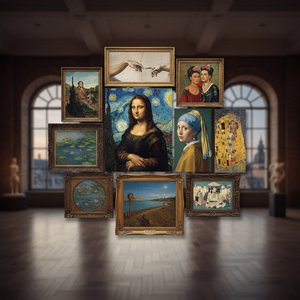 Oil on Canvas Masters: 10 Paintings That Redefined Art History |Journey through art history with our guide to 10 legendary oil on canvas masterpieces! Explore iconic works by Van Gogh, Monet & Rembrandt.…