

 Peržiūrėti realaus dydžio版
 Siųsti
 Dalintis
 Išsamiau
 Vadovas

 Atsisiųsti
 Panašūs eksponatai
 Rentgeno spindulių nuotrauka
 Diaporama
 Statistika
Virgin and Child
 Oil
Oil- WallArt
- Spanish Renaissance
 1520
1520- Renaissance
 68.0 x 46.0 cm
 Museu do Caramulo
 Rodyti daugiau
Giclée / Meno spausdinimas
Muziejų lygio „giclée“ arba drobos spausdinimas: greita gamyba ir lankstios apdailos parinktys. ( Pirkti rankomis tapytą reprodukciją Perejti prie skaitmeninių vaizdų)




P118B €10

P118H €10

P118W €10

P438Z €10

P508JH €12

P508YH €12

P805H €10

P805Z €10

P919BZ €10

P919G €10

P919XJ €10

P959ZH €10

P968JZ €12

W106C €8

W218G €10

W218JH €8

W218Y €10

W307PJ €10

W316G €10

W316PJ €8

W316Y €10

W398PJ €8

W4111J €10

W500HY €15

W500JH €15

W692G €12

W849H €8

W940BG €15

W953PJ €8




Pasirinkite iš mūsų nustatytų dydžių, atitinkančių originalaus meno kūrinio proporcijas.

Įveskite jums reikiamą plotį ir aukštį, kad atvaizdas derėtų prie jūsų rėmo ar sienos. Spausdiną galima tik sumažinti, bet nepadidinti virš originalaus paveikslėlio dydžio, todėl keičiant proporcijas, dalis vaizdo prarandama. Prieš spausdinimą atsiųsime jums skaitmeninį maketą patvirtinimui. Šioje puslapio nuotraukoje matomas pjūvis nėra tikslus – jį rodo tik maketas.
Pristatymas visame pasaulyje () per 2 weeks, o ne įprastas 4/5 savaičių laikotarpis. (25 spalis)

Nemokamas greitasis pristatymas visame pasaulyje

Aukštos kokybės lininis drobė

Pilnas siuntimo draudimas

Muitinės mokesčių grąžinimo garantija

Tikro spalvų atitikimo garantija

100 dienų grąžinimo politika (tik esant įtaigoms)

100% pinigų grąžinimo garantija

Nuolaida dideliems užsakymams
 Stiklo variantas prieinamas tik pasirinkus dydį iki 110 cm

Virgin and Child
Giclée / Meno spausdinimas
Reprodukcijos dydis
-


Visų pasirinktų variantų kaina
€ 70
A Divine Encounter: The Tender Grace of Luis de Morales
In the quiet intimacy of Virgin and Child, we are invited into a sacred moment that transcends the boundaries of time. Painted around 1520, this masterpiece by the Spanish Renaissance master Luis de Morales—famously known as "El Divino"—serves as a profound testament to the power of devotional art. The composition centers on the tender connection between the Virgin Mary and her infant son, a scene rendered with such delicate realism that the viewer feels less like an observer and more like a silent witness to a celestial event. As the light catches the rich textures of the red drapery and the soft, luminous skin of the Christ child, one is immediately struck by the profound sense of peace and spiritual weight that permeates the canvas.
The artistry of Morales is defined by his ability to blend the meticulous detail of the Flemish tradition with the soulful, emotive depth characteristic of the Spanish Renaissance. In this particular work, the contrast between the vibrant, passionate red of Mary’s gown and the pure, ethereal white of the infant's swaddling clothes creates a visual rhythm that guides the eye toward their shared upward gaze. This upward movement suggests a communion with the divine, a moment where the earthly and the heavenly intersect. The technique employed here is nothing short of masterful; the subtle gradations of shadow and light—chiaroscuro—sculpt the figures, giving them a three-dimensional presence that breathes life into the pigment.
Symbolism and the Language of Devotion
Beyond its visual splendor, the painting carries a heavy symbolic resonance, representing maternal devotion, purity, and the eternal cycle of nurturing. Every element is carefully orchestrated to evoke a sense of reverence. The way the Virgin gently cradles her son, observing the instinctive gesture of the newborn baby tucking his hand through her red gown, speaks to the profound vulnerability and strength found in motherhood. For the discerning collector, this piece offers more than mere decoration; it provides an emotional anchor for any space, acting as a window into the spiritual intensity that defined the 16th-century Spanish soul.
The palette itself serves a narrative purpose. The deep, saturated reds evoke the passion and future sacrifice of the Christ child, while the soft, translucent veils and luminous skin tones suggest an otherworldly purity. This interplay of color and light creates a sophisticated atmosphere that is both grounded in human emotion and elevated by divine grace.
An Elegant Addition to the Curated Interior
For interior designers and art enthusiasts seeking to create a room of reflection and elegance, Virgin and Child serves as an ideal centerpiece. Its dignified presence and sophisticated composition make it a versatile choice for a variety of high-end settings, whether placed within a curated gallery wall or used as a focal point in a formal study. The painting’s ability to command attention through subtle emotion rather than overwhelming scale allows it to integrate seamlessly into spaces designed for contemplation.
Owning a reproduction of such a significant work allows one to bring the historical weight and spiritual beauty of the Spanish Renaissance into a modern home. It is an investment in atmosphere, offering a timeless aesthetic that resonates with anyone who appreciates the intersection of technical mastery and profound human connection.
问答 (or more naturally for a website heading): Klausimai ir atsakymai
Kokia naudojimo paskirtis ir erdvė rekomenduojama „Virgin and Child“, autorius – Luis De Morales?
Naudojimas (Mood) ir erdvė (Bedroom) yra du rekomendacijos, nurodyti šiam kūriniui „Virgin and Child“, autorius – Luis De Morales.
Kam rekomenduojamas naudojimui „Virgin and Child“ spausdinys?
„Virgin and Child“, autorius – Luis De Morales reprodukcija rekomenduojama Mood. Šis pasiūlymas grindžiamas kūrinio tema, nuotaika ir spalvomis.
Kiek žmonių žiūri į „Virgin and Child“?
Statistika apie „Virgin and Child“, autorius – Luis De Morales pateikiama kūrinio Statistika puslapio: mėnesiniai kūrinio apsilankėjimai, kūrinio autorių darbų apsilankėjimai bei neseniai apsilankiusiųjų skirstymas pagal šalis ir kalbas.
Autoriaus biografija
Luis de Morales: Badajoz Dievišio dailininkas
Luis de Morales (apsk. 1509 – 1586 m. g.), širdiniu būduojamas kaip „El Divino“, laikomas vienu iš populiariausių hisonijos renesansinio menininkų, dailininkas, kurio gilus spiritualumas ir nuostabius realizmas įkvėpė žiūrovus visą gyvenimą ir dalį amžiniais keliaja aktingą pagadırinimą. Gimęs Badajoz, Ekstremadurijoje, Morales’o meninis kelionė iškeliojo su augančiais humanizmo idealais ir religine šviesa, paverždamas jį neprilygdomu devotoriaus įvaizdžių meistru ir tvirtinamas savo palikimą kaip šios epopos pagrindinis menininkas.- Rašytinis gyvenimas ir įtakos: Kur sunkiai apibrėžti Moraleso paauglymo metus, išskyrus dokumentus, nurodantį jo gimimą Badajoz apie 1509 m. g. Jo meninė apmokymai tikėtina prasidėjo po Hernando Sturmio, flandrijų dailininko, kuris įkišėsi Badajoz, ir galbūt Pedro de Campaña, iškilusio dirbtuvoje gyvenančio Sevilijoje – vietovės, žinomos už savo aktingas meninės tradicijas renesansiu laikotarpiu.
- Lombardų mokykla ir Florentinų atspindžiai: Moraleso ankstyviose veikloje matyti neapgaulojami Leonardo da Vinci lombardų mokyklos žymių – pažymėtos subtiliu sfumato (išblėjęs kontūrai) ir atmosferiniu perspektyva. Vienbendaliai jis įsimokė įtakas iš Michelangelo, kurio monumentalios skulptūros jam suteikė meistrišką anatomijos ir išreikšmingo gebėjimo supratimą. Šie paauglymo patirtys giliai paveikė jo menines jausmes.
Periodas, apibrėžtas anatomija ir spirituāliška gylis
Moraleso meninis išteklius galima apibūdinti kaip dvi atskiras periodus, atspindėjančius evoliuojančias stiliaus tendencijas ir intelektualius prabangs. Pirmas etapas, apimantis nutį šaltį nuo 1539 iki 1560 metų, buvo nuolat susijęs su florentiniais estetiniais idealais – ypač Michelangelo anatominiu griežvumu – rezultatu yra įvaizdžiai, pasireikšę aktyvia emocija ir dramatiška įtampa. Veiklos, tokios kaip „La Virgen del Pajarito“, pavyzdžiu rodo šį ankstyvą stilių, demonstruojant detalių išsamiškumą ir perduodamas gilios spiritinį apmąstymą.- Antras pergaudimas: Po vedėjimą su Leonor de Chaves ir vėliau iškeliavę į Alcántarą, Moralesas patirtų nuostabų meninio renesansą. Šį laikotarpį jis kūrė pramonės dziebas, kurie išplėliojo renesanso technikų ribas – ypač atžvilgiu anatominės tikslumo – įkvėptas iš vėdingių ir flandrijų dailininkų, kurie gynė chiaroscuro (šviesos ir tamsos kontrastą) ir detalių pobūtinybės stebėjimą.
- Žymūs pasiekimai: Tarp jo labiausiai išgarsinusių veikloji yra „La Piedad“ (1560 m.), saugoma Badajoz katedroje, neapgaulojus aprašymas Marią, liudinėją Jėzus mirtį – įrodant Moraleso neprilygdomą gebėjimą perduoti sielojant emociją; „San Juan de Ribera“ (1564 m.), esantis Madrido Prado muziejuje; ir „Ecce Homo“, rodomas Hispánico Amerikos draugijoje. Šie veiklai išlieka nepradėžius simboliais renesanso pobožnės ir meninio iškamčioji.
Palikimas ir paženklavimas
Luis de Morales įtakos išplėliojo daug panašiau nei jo pats gyveno, apseismindamas jį kaip hisonijos renesansinio meninės pagrindą ir užtikrinamas vietą tarp didžiausių savo kartos dailininkų. Jo nepakankama devotoriaus religinių temų – išreikštas neapgaulojamu realizmu ir įvaizduotas aktyvia emocija – susidarejo su žiūrovais visoje Europoje. Šiandien jo veiklai saugomi prestižiniose institucijose visame pasaulyje – įskaitant Prado muziejų Madrido ir Kingston Lacy namą Dorsete – patvirtindami jų nepradėžius meninį vertę ir istorinę reikšmę. Moraleso palikimas nuolat įkvepia tiek dailininkus, tiek akademikus, užtikrinamas, kad „El Divino“ liktų spiritinio meninės šviesa ateities kartoms.Pasirinkti veiklai
- *La Virgen del Pajarito* (*Virgina su paukščiu*) (1546 m.), saugoma San Agustín bažnyčioje, Madridoje.
- *La Piedad*() (1560 m.), saugoma Badajoz katedroje.
- *San Juan de Ribera* (1564 m.), Prado muziejuje, Madridoje.
- *Ecce Homo*, Kingston Lacy namyje (Turinė fondacija), Dorset, JK.
- *Virgen de la leche* (*Mačiulė mama*) , Prado muziejuje.
- *St. Jerome in the Wilderness*, Airijos nacionalinė galerija, Dublinoje.

Luis De Morales
1509 - 1586 , Ispanija
Trumpa informacija apie kūrėją
- Artistic Movement Or Style: Manierizmas
- Artists Or Movements Influenced By This Artist: ['Michelangelis']
- Artists Who Influenced This Artist:
- Rafael Sanzio
- Leonardo da Vinci
- Date Of Birth: 1509
- Date Of Death: 1586
- Full Name: Luis de Morales
- Nationality: Ispaniška
- Notable Artworks:
- La Virgen del Pajarito
- La Piedad
- San Juan de Ribera
- Ecce Homo
- Place Of Birth: Badajoz, Ispanija
Susiję straipsniai
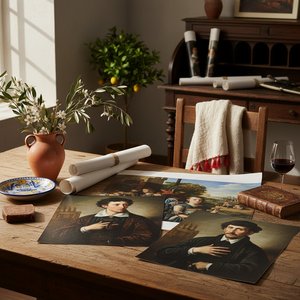
Prado Šedevrai: Top 25 Tapybų Kūriniai, Įkvėpę Kartas | OriginalUniqueArt
Atraskite 25 ikoniškus Prado muziejaus šedevrus! Goya, Velázquez ir El Greco kūriniai – istorijos, stiliai, įkvėpimas jūsų interjerui. Meno reprodukcijos aukščiausia kokybe OriginalUniqueArt.com
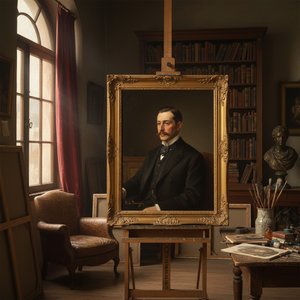
Rafael de Penagos: A Study in Spanish Portraiture & Artistic Identity
Explore the life & art of Rafael de Penagos, a leading Spanish Art Deco illustrator. Discover his iconic 'Penagos Woman', commercial work, and lasting legacy. Learn about this pivotal figure in 20th-century Spanish art history.

Francisco Goya Šedevrai: 25 Išskirtiniai Darbai Jūsų Interjerui | OriginalUniqueArt
Atraskite 25 įspūdingiausius Francisco Goya šedevrus! Ispanų romantizmo meistro paveikslai, portretai ir juodoji tapyba. Įkvėpkite interjerui su aukštos kokybės Goya reprodukcijomis | OriginalUniqueArt.com
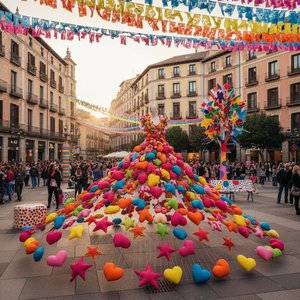
Águeda Ruiz de la Prada: A Study of Eclecticism & Emotional Resonance in Contemporary Spanish Painting
Discover the vibrant world of Ágatha Ruiz de la Prada, a leading figure in contemporary Spanish art. Explore her eclectic style, emotional depth & legacy – a must-read for discerning collectors.

About Us
Discover our story! We bring world-class art into your life through expert curation, personalized creations, and free previews. Trusted by individuals and businesses since 2000.