- Pradžia

- Ežero tapybos reprodukcija
- luis de carbajal
- Circumcision

 Pirkti atspaudą Pirkti skaitmeninį paveikslą
 Pasidalinti
 Dalintis
 Išsamiau
 Pridėti į mėgstamiausius

 Atsisiųsti
 Panašūs eksponatai
 Rentgeno nuotrauka
 Automatinė diorama
Circumcision
 Akrilas ant drobės
- Sieninis menas
- Baroque Revival
 1580
1580 95.0 x 73.0 cm
 Hermitage muziejus
 Skaityti daugiau
Rankų darbo aliejinės reprodukcijos
Rankiniu būdu tapytas aliejus ant droblio jūsų pageidaujamame dydį ir rėmuose – mūsų menininkų darbas pagal užsakymą.




P118B $10

P118H $10

P118W $10

P438Z $10

P508JH $12

P508YH $12

P805H $10

P805Z $10

P919BZ $10

P919G $10

P919XJ $10

P959ZH $10

P968JZ $12

W106C $8

W218G $10

W218JH $8

W218Y $10

W307PJ $10

W316G $10

W316PJ $8

W316Y $10

W398PJ $8

W4111J $10

W500HY $15

W500JH $15

W692G $12

W849H $8

W940BG $15

W953PJ $8




Pasirinkite iš mūsų nustatytų dydžių, atitinkančių originalaus meno kūrinio proporcijas.

Galite įvesti savo matmenis, kad jie atitiktų konkretų rėmą ar erdvę. Jei pasirinktas dydis neatitinka originalaus paveikslėlio proporcijų, mes arba apkropsime meno kūrinį, arba papildysime tapybą rankomis dažytい elementais. Prieš pradėdami gamybą, jūsų patvirtinimui atsiųsime skaitmeninį maketą.
Atkreipkite dėmesį, kad ekrane rodomas vaizdas neatspindi tikrojo apkarpymo ar papildymo. Tik maketas tiksliai parodys galutinę kompoziciją.
Nors galima rinktis ir individualius dydžius, rekomenduojame pasirinkti matmenis iš nustatytos sąrašo, kad būtų išlaikytos originalios proporcijos.
Gavus užsakymą, OriginalUniqueArt.com komanda susisieks su klientu el. paštu dėl instrukcijų ir pateiks maketo pavyzdį.
Pristatymas visame pasaulyje () per 3–4 savaites, o ne įprastai – per 5 savaites. (23 liepa). Kokybė lieka nepakeičiama.

Nemokamas greitasis pristatymas visame pasaulyje

Aukštos kokybės lininis drobė

Pilnas siuntimo draudimas

Muitinės mokesčių grąžinimo garantija

Tikro spalvų atitikimo garantija

60 dienų grąžinimo politika (tik esant gamyklinėms defektams)

100% pinigų grąžinimo garantija

Nuolaida už kelias reprodukcijas
 Stiklo variantas prieinamas tik pasirinkus dydį iki 110 cm

Circumcision
Reprodukcijos technika
Reprodukcijos matmenys
-


Galutinė kaina
-
Kūrinio aprašymas
Luis de Carbajal: Toledo’s Gothic Soul Transformed
Luis de Carbajal (c. 1531 – after 1618) stands as one of the most prolific and influential painters of the Spanish Renaissance, a figure inextricably linked to Toledo's artistic resurgence—a period where the echoes of medieval grandeur mingled with burgeoning humanist ideals. While overshadowed by contemporaries like El Greco—with whom he shared formative artistic connections—Carvajal’s distinctive style cemented his place in art history as a pivotal interpreter of Gothic sensibilities adapted to the humanist spirit, securing him a prominent position within Toledo's cultural landscape. His output spanned decades, resulting in an impressive body of work that continues to inspire admiration for its meticulous detail and profound emotional resonance. ### The Crucible of Influence: Early Training & El Greco’s Legacy Carvajal’s artistic journey began amidst the vibrant intellectual atmosphere of Toledo, a city deeply rooted in religious tradition—a fact profoundly shaped by the arrival of Juan Bautista El Greco, who established himself as Carbajal's mentor and instilled within him a fascination for dramatic lighting—a technique characteristic of El Greco’s Mannerist style. This formative influence extended beyond mere stylistic imitation; it fostered an unwavering commitment to conveying spiritual depth through meticulously rendered figures, grounding Carbajal’s artistic vision in humanist principles alongside devout faith. Crucially, he studied under Juan de Villoldo, absorbing classical proportions and compositional balance—elements that would inform his approach to portraying biblical narratives with grace and precision. ### Cathedral Altarpieces: Monumental Expressions of Faith & Gothic Revival Carvajal's fame rests primarily on his monumental cathedral altarpieces—a genre that flourished during the Habsburg reign and served as a powerful medium for disseminating theological narratives. Commissioned by Philip II to commemorate the Holy Spirit, these canvases represent Carbajal’s zenith of artistic achievement. Each depiction is imbued with palpable emotion – compassion, humility, courage – reflecting the moral values championed by humanist thinkers. The composition—characterized by pyramidal structures and dramatic diagonals—mirrors the architectural grandeur of the cathedral itself, reinforcing its symbolic significance as a locus of divine presence. He skillfully employed oil paint on canvas with painstaking precision, layering translucent glazes to achieve luminous effects that capture subtle nuances of expression in his figures. This technique harkens back to Gothic traditions – stylized drapery and elongated forms – subtly elevating the artwork beyond mere visual representation into emotionally resonant experience. ### Symbolism & Detail: Echoes of Toledo’s Spiritual Heritage Carvajal's artistic approach wasn't merely about replicating religious iconography; it was about reimagining Gothic sensibilities within the framework of Renaissance humanism. He deliberately incorporated elements reminiscent of medieval art—such as stylized drapery and elongated figures—to evoke a sense of solemn reverence and honor Toledo’s rich ecclesiastical heritage. The meticulous attention to detail—from the folds of robes to the expressions on faces—demonstrates Carbajal's profound understanding of human psychology and elevates his paintings into emotionally evocative works. These canvases stand as testament to Carbajal's skill, creativity, and unwavering devotion to conveying the sublime – a legacy that secures him a place among Spain’s greatest artists and ensures that his masterpieces endure for generations to come. ### Rediscovery & Legacy: A Toledo Treasure Revisited Today, Carbajal’s canvases reside primarily in the Museo del Prado in Madrid, where they continue to captivate audiences with their breathtaking beauty and spiritual depth. Recent scholarship has illuminated the significance of his work within the broader context of Toledo’s artistic revival—a period marked by a renewed interest in classical ideals alongside an enduring devotion to Christian faith. His paintings serve as a poignant reminder of Toledo's artistic past, embodying the spirit of its Gothic soul transformed into the luminous elegance of Mannerism – a testament to Carbajal’s enduring contribution to Spanish art history.Autoriaus biografija
Luis de Carbajal: A Toledo Master Shaping Gothic Faith
Luis de Carbajal (c. 1531 – after 1618), born in Toledo, Spain, stands as one of the most prolific and influential painters of the Spanish Renaissance, particularly renowned for his monumental cathedral altarpieces that embody the grandeur and spiritual fervor of the era. While overshadowed by contemporaries like El Greco—with whom he shared a formative artistic connection—Carvajal’s distinctive style cemented his place in art history as a pivotal figure in Toledo’s artistic revival and a masterful interpreter of Gothic sensibilities adapted to the burgeoning humanist spirit.- Early Life & Artistic Training: Carbajal's origins remain somewhat obscure, though he was undoubtedly educated within the vibrant intellectual milieu of Toledo, a city steeped in religious tradition and increasingly receptive to European ideas circulating from Italy. His formative years coincided with El Greco’s arrival in Toledo, establishing himself as a teacher and profoundly impacting Carbajal’s artistic vision. This mentorship instilled a deep appreciation for dramatic chiaroscuro—the interplay of light and shadow—a technique that would become a hallmark of Carbajal's oeuvre.
- The Gothic Influence: Unlike El Greco’s ethereal mysticism, Carbajal’s paintings retain an unwavering grounding in the architectural vocabulary of Gothic churches. He meticulously studied cathedrals like Toledo Cathedral itself, absorbing their soaring vaults, ribbed arches, and stained glass windows—elements he skillfully incorporated into his compositions to convey a sense of awe and reverence. This stylistic choice reflects not merely aesthetic preference but also a deliberate engagement with the theological concerns of the time.
- Notable Works & Artistic Style: Carbajal’s output spanned decades, producing an astonishing number of paintings – estimated at over 300 – primarily focused on religious subjects. His most celebrated achievements include the monumental altarpiece for Toledo Cathedral (completed in 1591), depicting scenes from the Passion of Christ and embodying the apex of Gothic artistic expression. Other significant commissions included works for monasteries and noble patrons, showcasing his mastery of color palettes—often rich hues accented by gold leaf—and meticulous detail.
- El Greco’s Legacy & Artistic Dialogue: Carbajal's relationship with El Greco was complex yet undeniably formative. While he absorbed El Greco’s dramatic style, Carbajal tempered it with a more restrained elegance and a greater emphasis on architectural precision. Critics have noted subtle influences from El Greco in Carbajal’s compositions—particularly in the expressive gestures of figures and the use of luminous color—suggesting a continuous artistic conversation across generations.
- Historical Significance & Artistic Reputation: Carbajal's contribution to Toledo’s artistic heritage is undeniable, shaping the visual landscape of one of Spain’s most historically significant cities. His paintings continue to inspire admiration for their technical virtuosity and spiritual depth, securing his legacy as a cornerstone of Spanish Renaissance art and a testament to the enduring power of Gothic aesthetics.

luis de carbajal
1531 - 1618 , Spain
Trumpa informacija
- Artistic Movement Or Style: Religious Painting; Gothic Art Style
- Artists Or Movements Influenced By This Artist: ['El Greco']
- Artists Who Influenced This Artist: ['Alonso Berruguete']
- Date Of Birth: 1531
- Full Name: Luis de Carbajal y de la Cueva
- Nationality: Spanish
- Notable Artworks: ['Circumcision']
- Place Of Birth: Toledo, Spain
Susiję straipsniai
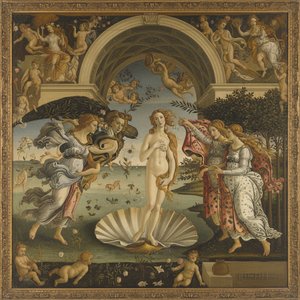
Sandro Botticelli: 25 Šedevrai, Įkvėpę Meną ir Interjero Grožį | OriginalUniqueArt
Atraskite 25 Sandro Botticelli šedevrus! Gilinkitės į Renesanso meno istoriją, Venus gimimą ir Primavera paslaptis. Meno reprodukcijos jūsų interjerui – OriginalUniqueArt.com.
Renesanso ištakos: 10 paveikslų, kurie apibrėžė ankstyvąjį atgimimą
Atraskite ankstyvojo renesanso šedevrus! 10 legendinių paveikslų, kuriuos sukūrė Leonardo da Vinci, Michelangelo ir Botticelli. Sužinokite apie meną, spalvas bei istoriją. Kokybiškos meno reprodukcijos – OriginalUniqueArt.com. Išskirtinis dizainas Jūsų namams!

El Greco Šedevrai: Top 25 Darbai, Įkvėpę Meną ir Interjerus
Atraskite 25 įspūdingiausius El Greco kūrinius! Išsami analizė, meno istorija ir technikos paslaptys. Renesanso meistro paveikslai jūsų interjerui – aukštos kokybės reprodukcijos OriginalUniqueArt.com. Explore the full collection online!
Alte Pinakothek: 25 Šedevrai, Įkvėpę Kartas | Tapyba, Menininkai ir Interjero Dekoracijos
Atraskite 25 įspūdingiausius 'Alte Pinakothek' šedevrus! Renesanso ir Baroko paveikslai, Albrecht Dürer, Rembrandtas ir kiti garsūs menininkai. Įkvėpkite interjerui su aukštos kokybės reprodukcijomis – OriginalUniqueArt.com

Claude Monet šedevrai: 25 paveikslai, įkvepiantys grožiu ir harmonija
Atraskite 25 įspūdingiausius Claude Monet šedevrus! Sužinokite apie impresionizmą, vandens lelijų paveikslus ir spalvų magiją. Meno reprodukcijos aukščiausia kokybe – OriginalUniqueArt.com. Išsamesnės informacijos rasite internetu.


