

 Peržiūrėti realaus dydžio版
 Siųsti
 Dalintis
 Išsamiau
 Vadovas

 Atsisiųsti
 Panašūs eksponatai
 Rentgeno spindulių nuotrauka
 Diaporama
 Statistika
Card Players
 Oil On Panel
- Renaissance Humanism
 1525
1525 40.0 x 50.0 cm
 Thyssen-Bornemisza Muziejus
 Rodyti daugiau
Giclée / Meno spausdinimas
Muziejų lygio „giclée“ arba drobos spausdinimas: greita gamyba ir lankstios apdailos parinktys. ( Pirkti rankomis tapytą reprodukciją Perejti prie skaitmeninių vaizdų)




P118B €10

P118H €10

P118W €10

P438Z €10

P508JH €12

P508YH €12

P805H €10

P805Z €10

P919BZ €10

P919G €10

P919XJ €10

P959ZH €10

P968JZ €12

W106C €8

W218G €10

W218JH €8

W218Y €10

W307PJ €10

W316G €10

W316PJ €8

W316Y €10

W398PJ €8

W4111J €10

W500HY €15

W500JH €15

W692G €12

W849H €8

W940BG €15

W953PJ €8




Pasirinkite iš mūsų nustatytų dydžių, atitinkančių originalaus meno kūrinio proporcijas.

Įveskite jums reikiamą plotį ir aukštį, kad atvaizdas derėtų prie jūsų rėmo ar sienos. Spausdiną galima tik sumažinti, bet nepadidinti virš originalaus paveikslėlio dydžio, todėl keičiant proporcijas, dalis vaizdo prarandama. Prieš spausdinimą atsiųsime jums skaitmeninį maketą patvirtinimui. Šioje puslapio nuotraukoje matomas pjūvis nėra tikslus – jį rodo tik maketas.
Pristatymas visame pasaulyje () per 2 weeks, o ne įprastas 4/5 savaičių laikotarpis. (25 spalis)

Nemokamas greitasis pristatymas visame pasaulyje

Aukštos kokybės lininis drobė

Pilnas siuntimo draudimas

Muitinės mokesčių grąžinimo garantija

Tikro spalvų atitikimo garantija

100 dienų grąžinimo politika (tik esant įtaigoms)

100% pinigų grąžinimo garantija

Nuolaida dideliems užsakymams
 Stiklo variantas prieinamas tik pasirinkus dydį iki 110 cm

Card Players
Giclée / Meno spausdinimas
Reprodukcijos dydis
-


Visų pasirinktų variantų kaina
€ 70
The Quiet Intensity of “Card Players” by Lucas van Leyden
Lucas van Leyden’s “Card Players,” painted in 1525, is more than just a depiction of a game; it's a meticulously crafted snapshot of a burgeoning social world. Often referred to as the "Genesis of a Game," this oil-on-panel work offers a rare glimpse into the lives and leisure activities of the early 16th century Netherlands – a period marked by both artistic innovation and profound societal shifts. Van Leyden, a master painter and engraver deeply influenced by both Italian Renaissance ideals and his native Flemish traditions, has created an image that resonates with quiet intensity and unspoken narratives, inviting viewers to contemplate the complexities of human interaction.
The painting’s origins are rooted in the evolving social landscape of Europe. As urban centers flourished, new forms of social engagement emerged, and card games – previously largely confined to aristocratic circles – began to gain popularity among merchants, artisans, and a rising middle class. Van Leyden brilliantly captures this transformation by presenting not a grand tournament or formal competition, but a private gathering—a moment of shared camaraderie amidst the everyday realities of life. The composition itself is carefully orchestrated; the three figures are arranged in a dynamic triangular formation, drawing the eye to each individual while simultaneously suggesting an interplay between them – a silent conversation unfolding beneath the surface.
A Study in Detail: Technique and Composition
Van Leyden’s technical mastery is immediately evident. Every detail, from the folds of the clothing to the glint of light on the cards, is rendered with painstaking precision. The artist employs a masterful use of chiaroscuro – the dramatic contrast between light and shadow – to sculpt the figures, creating a sense of depth and volume that draws the viewer into the scene. Notice how the dark background serves to isolate the players, intensifying their presence and emphasizing their engagement with the game. The meticulous rendering of textures—the rough weave of the robes, the smooth surface of the cards—adds a remarkable level of realism, while the subtle variations in color contribute to the overall sense of atmosphere.
Furthermore, Van Leyden’s compositional choices are deliberate and sophisticated. The triangular arrangement of figures creates visual stability and directs the viewer's eye across the canvas. The placement of the women, particularly the central figure with her elaborate headdress, subtly asserts a position of authority within the group—a reflection of the changing roles of women in society during this period. The use of perspective, though not entirely linear, contributes to the illusion of depth and space, further immersing the viewer in the scene.
Symbolism and Context: A Window into Renaissance Life
Beyond its technical brilliance, “Card Players” is rich in symbolic meaning. The game itself represents more than just a pastime; it symbolizes social status, wealth, and intellectual engagement. The piles of gold coins scattered on the table are a clear indication of prosperity and success—a key aspiration for many merchants and artisans during this era. The cards themselves can be interpreted as metaphors for chance, fortune, and the unpredictable nature of life. The quiet expressions on the faces of the players suggest a blend of concentration, anticipation, and perhaps even a touch of rivalry.
Moreover, the painting reflects the humanist ideals that were gaining prominence during the Renaissance. Van Leyden’s focus on human interaction and everyday life—rather than grand historical events or religious narratives—aligns with this broader cultural shift. The scene is not idealized; it's grounded in reality, offering a nuanced portrayal of social dynamics and the complexities of human relationships. The painting serves as a testament to the Renaissance fascination with observing and representing the world around us.
Emotional Resonance: A Moment Frozen in Time
“Card Players” possesses a remarkable emotional resonance that transcends its historical context. Despite the lack of overt drama, the painting evokes a sense of quiet intensity—a feeling of being privy to a private moment of connection and shared experience. The subtle expressions on the faces of the players invite viewers to speculate about their thoughts and feelings, creating a powerful sense of empathy. The scene is both familiar and enigmatic, capturing the timeless appeal of human interaction and the enduring fascination with games of chance.
Whether viewed as a historical document, an artistic masterpiece, or simply a captivating image, “Card Players” continues to resonate with audiences today—a testament to Lucas van Leyden’s skill as a painter and his profound understanding of the human condition.
问答 (or more naturally for a website heading): Klausimai ir atsakymai
Kaip buvo sukurta „Card Players“ ir kokio yra dydžio?
Darbos „Card Players“, autorius – Lukass Van Leidens technika yra Oil On Panel, o nurodyti jo matmenys – 40 x 50 cm.
Kokie yra originalaus „Card Players“, autorius – Lukass Van Leidens matmenys?
Originalaus kūrinio „Card Players“, autorius – Lukass Van Leidens matmenys yra 40 x 50 cm.
Ar Lukass Van Leidens, „Card Players“ kūrijas, žinomas에도 kitais vardais?
Kiti Lukass Van Leidens, „Card Players“ kūrybos autoriaus, vardai apima Lucas Hugensz Van Leyden, Lukasas Van Leidensas.
Autoriaus biografija
Ankstyvas gyvenimas ir mokymasis
Lucas van Leyden, o tiksliau Lucas Hugensz van Leyden, gimė 1494 metais Leideno mieste, Nyderlanduose – laikotarpiu, kai šiaurės renesanso menas jau įgavo pagreitį. Būdamas jaunas, Lucas turėjo išskirtinę galimybę mokytis pas savo tėvą, Huygh Jacobsz, kuris irgi buvo tapytojas. Ši ankstyva patirtis padėjo jam įsisavinti meno pagrindus ir ugdyti pirmąsias menines įgūdžius. Tačiau Lucas neapsiribojo vien tėvo pamokomis; 1508 metais jis prisijungė prie Cornelis Engelbrechtsz dirbtuvės, kur toliau gilino savo žinias ir patobulino techniką. Šis etapas buvo itin svarbus jo artistinės karjeros formavimuisi.
Meninis brendimas ir naujieji horizontai
Lucas van Leyden greitai išsiskyrė kaip vienas pirmųjų olandų žanrinio tapybos atstovų, tačiau didžiausią įspūdį paliko jo talentas grafikos srityje. Jo ankstyvieji darbai (apie 1506–1512 metus) pasižymėjo pusės figūros portretais, kuriuose jau buvo juntamas ryškus individualumas ir originalumas. Kartu su tapybos tobulėjimu Lucas ėmėsi graviūros meno, kuriame pasiekė išskirtinių rezultatų labai jauname amžiuje. Pirmasis žinomas jo darbas – Mohamedas ir nužudytas vienuolis (1508) – puikiai iliustruoja jo meistriškumą šioje srityje, demonstruodamas tikslų linijų vedimą ir detalių perteikimą. Lucas van Leyden neapsiribojo vien portretais; jis ėmė kurti kraštovaizdžius, kuriuose atsispindėjo jo nuolat kintantis meninis stilius.
Svarbiausi darbai ir savitas stilius
Išlikę septyniolika paveikslų, kurie neabejotinai priskiriami Lucas van Leyden tepteliui. Tarp jų ypač išsiskiria Aklųjų vyro pasveikinimas, kuris laikomas jo šedevru – jame puikiai suderintos figūros ir miško kraštovaizdžiai, perteikiantys gilų emocinį turinį. Šv. Paulius (graviūra) atspindi Lucas meistriškumą grafikos srityje, o Pienininkė (1510 m., graviūra) – jo ankstyvuosius pasiekimus šioje meno formoje. Lucas van Leyden stilių apibūdina šviežios spalvos ir perspektyvės iliuzija, kurią itin vertino Albrecht Dürer. Jo darbuose galima pastebėti subtilų šviesos žaidimą ir detalumą, kurie suteikia jiems gyvybingumo ir realizmo.
Paveldo reikšmė ir įtaka
Lucas van Leyden indėlis olandų žanrinei tapybai ir graviūrai yra neįkainojamas. Jo novatoriškas stilius ir techninis meistriškumas padarė jį garsia figūra meno pasaulyje. Kaip vienas pirmųjų olandų menininkų, jis atvėrė kelią naujoms idėjoms ir technikoms, įkvėpdamas kitus kūrėjus. Lucas van Leyden paliko ryškų pėdsaką Nyderlandų meno istorijoje, o jo darbai iki šiol žavi ir inspiruoja menininkus bei meno mėgėjus visame pasaulyje.
- Susipažinkite su Lucas van Leyden kūriniais OriginalUniqueArt.com svetainėje
- Atraskite Van Gogho muziejaus (Nyderlandai) kolekciją internete
- Daugiau informacijos apie olandų meną ir jo pradininkus rasite OriginalUniqueArt.com tinklaraštyje

Lukass Van Leidens
1494 - 1533 , Nyderlandai
Trumpa informacija apie kūrėją
- Gimimo Data: Leiden, Nyderlandai (1494)
- Gimimo Vieta: Leiden, Nyderlandai
- Meninis Stilius: Ankstyvas renesansas
- Mirties Data: 1533
- Pilietybė: Olandas
- Pilnas Vardas: Lucas Hugensz van Leyden
- Įtakoję Menininkai: ['Albrecht Dürer']
- Įtakoti Judėjimai: ['Vokiečių renesansas']
- Žymiausi Darbai:
- The Healing of the Blind Man...
- Saint Paul
- The Milkmaid
Susiję straipsniai

Jan van Goyen: Master of Dutch Landscape & Atmospheric Perspective
Discover Jan van Goyen, the master of Dutch landscape painting. Explore his subtle technique, atmospheric realism & lasting influence on art history. Learn about this 17th-century pioneer at OriginalUniqueArt.

Golden Light & Dutch Skies: The Timeless Magic of Dutch Golden Age Landscapes
Discover the breathtaking beauty of Dutch Golden Age landscapes. Explore the mastery of light, chiaroscuro, and 17th-century realism through an expert art history lens, celebrating the enduring legacy of the Dutch Masters for discerning collectors and art lovers.

Rembrandto van Rijn šedevrai: 25 paveikslai, įkvėpę amžius | OriginalUniqueArt
Atraskite 25 įspūdingiausius Rembrandto paveikslus! Išsami istorija, meno technikos ir simbolika. Olandų baroko šedevrai jūsų interjerui – aukštos kokybės reprodukcijos OriginalUniqueArt.com. Explore the full collection online!

Lucas van Leyden: Innovation & Intimacy in Early Netherlandish Printmaking
Explore the groundbreaking prints of Lucas van Leyden, a Dutch master bridging Gothic detail & Renaissance innovation. Discover his rare works, investment potential, and legacy for discerning collectors.
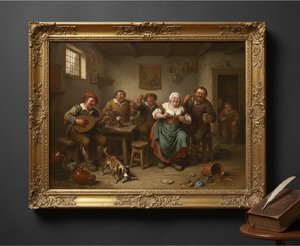
Adriaen van Ostade: A Master of Dutch Genre Painting & Social Commentary
Explore the life & work of Adriaen van Ostade, a leading Dutch Golden Age painter. Discover his realistic genre scenes, social commentary, and lasting influence on art history. Learn more at OriginalUniqueArt.
