Peržiūrėti realaus dydžio版
 Siųsti
 Dalintis
 Išsamiau
 Vadovas

 Atsisiųsti
 Panašūs eksponatai
 Rentgeno spindulių nuotrauka
 Diaporama
 Statistika
The Trinity


 Rodyti daugiau
Giclée / Meno spausdinimas
Muziejų lygio „giclée“ arba drobos spausdinimas: greita gamyba ir lankstios apdailos parinktys. ( Pirkti rankomis tapytą reprodukciją Perejti prie skaitmeninių vaizdų)




P118B €10

P118H €10

P118W €10

P438Z €10

P508JH €12

P508YH €12

P805H €10

P805Z €10

P919BZ €10

P919G €10

P919XJ €10

P959ZH €10

P968JZ €12

W106C €8

W218G €10

W218JH €8

W218Y €10

W307PJ €10

W316G €10

W316PJ €8

W316Y €10

W398PJ €8

W4111J €10

W500HY €15

W500JH €15

W692G €12

W849H €8

W940BG €15

W953PJ €8




Pasirinkite iš mūsų nustatytų dydžių, atitinkančių originalaus meno kūrinio proporcijas.

Įveskite jums reikiamą plotį ir aukštį, kad atvaizdas derėtų prie jūsų rėmo ar sienos. Spausdiną galima tik sumažinti, bet nepadidinti virš originalaus paveikslėlio dydžio, todėl keičiant proporcijas, dalis vaizdo prarandama. Prieš spausdinimą atsiųsime jums skaitmeninį maketą patvirtinimui. Šioje puslapio nuotraukoje matomas pjūvis nėra tikslus – jį rodo tik maketas.
Pristatymas visame pasaulyje () per 2 weeks, o ne įprastas 4/5 savaičių laikotarpis. (24 spalis)

Nemokamas greitasis pristatymas visame pasaulyje

Aukštos kokybės lininis drobė

Pilnas siuntimo draudimas

Muitinės mokesčių grąžinimo garantija

Tikro spalvų atitikimo garantija

100 dienų grąžinimo politika (tik esant įtaigoms)

100% pinigų grąžinimo garantija

Nuolaida dideliems užsakymams
 Stiklo variantas prieinamas tik pasirinkus dydį iki 110 cm

The Trinity
Giclée / Meno spausdinimas
Reprodukcijos dydis
-


Visų pasirinktų variantų kaina
€ 70
A Divine Encounter: The Soul of Lucas Cranach’s Trinity
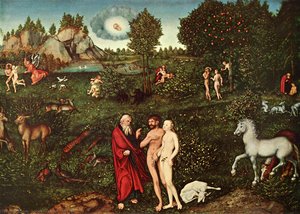
To stand before Lucas Cranach the Elder’s The Trinity is to step across the threshold of time and into the very heart of Christian theology rendered in breathtaking pigment. Painted around 1515, this monumental work serves as a cornerstone of the Northern Renaissance, acting as much more than a mere depiction of biblical scripture. It is a profound meditation on divinity, sacrifice, and eternal life. Through his masterful command of oil on panel, Cranach invites the viewer into a complex interplay of light and shadow, where the celestial and the earthly converge in a singular, breathtaking moment of spiritual revelation.
The composition is a masterclass in Renaissance precision, yet it breathes with an unexpected emotional depth. At its center, the figure of Jesus on the cross anchors the scene, surrounded by a celestial assembly of angels and divine figures that seem to pulse with life. Cranach’s technique allows for a rich color saturation and subtle gradations of tone that create an illusionistic depth, drawing the eye inward toward the central mystery of faith. The presence of numerous birds scattered throughout the scene—some soaring through the heavens, others perched quietly amidst the holy figures—adds a sense of movement and vitality to the otherwise solemn religious tableau, reminding us of the living, breathing nature of the divine presence.
The Intersection of Faith and History
Created during one of the most turbulent eras in European history, The Trinity is deeply embedded in the intellectual fervor of the burgeoning Protestant Reformation. As a court painter to the Electors of Saxony, Cranach was uniquely positioned at the crossroads of political power and religious upheaval. His close friendship with Martin Luther and his role in shaping the visual language of the Reformation are palpable within this work. While the painting adheres to the High Renaissance tradition of clarity and meticulous detail, it also captures the psychological nuance and the spiritual anxieties of a world in transition.
The symbolism within the piece is as layered as the pigments themselves. The Holy Trinity—God the Father, Christ, and the Holy Spirit—is presented not just as a theological concept, but as a palpable reality. For collectors and lovers of fine art, the painting offers a window into a period where art served as a vital vehicle for ideological messages. Every gesture, from the mourning angels to the watchful eyes of the heavenly host, is designed to evoke a sense of awe and reverence, making it an ideal centerpiece for those seeking to bring a sense of historical gravity and contemplative peace into a sophisticated interior space.
A Timeless Addition to the Collector's Gallery
For the discerning art enthusiast or interior designer, a high-quality reproduction of The Trinity offers more than just aesthetic beauty; it provides an opportunity to anchor a room with a sense of profound history and spiritual weight. The painting’s ability to command attention through its monumental scale and intricate detail makes it a versatile choice for grand halls, libraries, or private studies where art is intended to provoke thought and inspire quiet reflection.
Whether you are drawn to the technical brilliance of Cranach’s Northern Renaissance style or the evocative narrative of the Reformation era, this work remains eternally relevant. It stands as a testament to the enduring power of art to capture the intangible—the essence of faith, the weight of sacrifice, and the beauty of the divine. Owning a piece of this legacy allows one to surround themselves with the masterful craftsmanship of a true Renaissance master, ensuring that the conversation between the viewer and the artwork continues for generations to come.
问答 (or more naturally for a website heading): Klausimai ir atsakymai
Ar „The Trinity“ liko savo kūrėjo tėvynėje?
Taip – kūrinys saugomas originalaus autoriaus šality. Lukaso Kranacho Vyresniojo Vardas gimė Vokietija, o originalus kūrinys „The Trinity“ saugomas muziejuje, esančiame šioje šalyje – Vokietija.
Kaip kūrinys „The Trinity“ dera su Lukaso Kranacho Vyresniojo Vardas temomis ir stiliumi?
„The Trinity“ priklauso Lukaso Kranacho Vyresniojo Vardas Northern Renaissance kūrybai, kurios įrašytoms temoms priskiriamas german renaissance style, lutheran reformation era, saxon court patronage, christian narrative tradition, iconic religious imagery.
Kas yra „The Trinity“ autorius ir kokiu stiliaus metu?
„The Trinity“ kūrybinį darbu pasižymi Lukaso Kranacho Vyresniojo Vardas, taikantis Northern Renaissance stilių. Autorius ir stilius nurodo šio kūrinio tradiciją.
Autoriaus biografija
Lucas Cranach the Elder
Lucas Cranach the Elder, born in Kronach, Germany around 1472, stands as a pivotal figure of the German Renaissance. His life unfolded during a period of immense religious and political upheaval, and his art became inextricably linked to both the burgeoning Protestant Reformation and the opulent courts he served. Initially trained by his father, Hans Maler, Cranach’s early artistic development remains somewhat shrouded in mystery, though influences from South German masters are evident in his evolving style. He quickly distinguished himself not merely as a skilled craftsman but as an artist capable of capturing psychological depth alongside technical precision – qualities that would soon draw the attention of powerful patrons. In 1504, he entered the service of Frederick III, Elector of Saxony, a relationship that would define much of his career and provide him with both stability and access to influential circles. This appointment as court painter in Wittenberg wasn’t simply about producing decorative works; it placed Cranach at the very heart of one of the most transformative movements in European history.Early Life and Artistic Training
Little is known definitively about Lucas Cranach's formative years, but evidence suggests he received a comprehensive artistic education from his father, Hans Maler—a respected painter and craftsman who practiced in Kronach and Nuremberg. Hans Maler instilled in Lucas a meticulous attention to detail and a mastery of traditional techniques – skills that would serve as the foundation for Cranach’s subsequent artistic endeavors. While biographical information remains scarce, scholars believe Cranach's exposure to the artistic traditions of Nuremberg—particularly the influence of Albrecht Dürer—contributed significantly to his stylistic development. Dürer’s pioneering use of engraving and printmaking techniques undoubtedly shaped Cranach’s approach to visual communication, fostering a fascination with precision and clarity that would characterize much of his oeuvre. The workshop environment fostered by Hans Maler instilled in Lucas not only technical proficiency but also an understanding of the collaborative process—a practice that would become central to Cranach's artistic career.Service to Frederick III and Wittenberg
Cranach’s ascension to prominence began with his appointment as court painter to Frederick III, Elector of Saxony, a patronage that proved remarkably fruitful both artistically and financially. Frederick III recognized Cranach’s talent for portraiture and commissioned numerous portraits of himself and members of the Saxon nobility—works that exemplify Cranach's stylistic innovations and demonstrate his ability to convey psychological nuance alongside technical virtuosity. Wittenberg, where Cranach served as court painter during Luther’s tenure, became a crucible of artistic and intellectual ferment—a place where Cranach wrestled with theological debates and engaged in dialogues with leading humanist thinkers. This engagement with the Reformation profoundly influenced Cranach's artistic vision, prompting him to explore themes of faith, morality, and human dignity—subjects that would permeate his paintings and woodcuts throughout his career. The patronage of Frederick III provided Cranach with access to resources and opportunities unavailable to many other artists of his time—allowing him to establish a thriving workshop and produce an astonishingly diverse body of work.Style and Technique: Northern Renaissance Elegance
Lucas Cranach’s artistic style is characterized by its refined elegance and meticulous attention to detail—qualities that align perfectly with the aesthetic sensibilities of the Northern Renaissance. He employed a distinctive technique combining oil painting, woodcut, and engraving—a combination that enabled him to achieve remarkable visual effects while maximizing accessibility through affordable prints. Cranach's figures possess elongated proportions—a stylistic convention reflecting influences from Flemish masters—and are rendered with subtle shading and modeling that convey a sense of depth and realism. His use of color is vibrant yet restrained—creating harmonious compositions that prioritize clarity and balance. The artist’s meticulous rendering of drapery—particularly in portraits—demonstrates his mastery of traditional techniques and underscores the importance he placed on conveying visual accuracy. Cranach's woodcuts, in particular, stand out for their expressive power—capturing fleeting moments of emotion with remarkable immediacy.Legacy and Influence
Lucas Cranach the Elder died in 1553, leaving behind an unparalleled artistic legacy that continues to inspire admiration and scholarly inquiry. He was a master of portraiture, a skilled interpreter of religious themes, and a shrewd businessman who understood the transformative potential of visual communication. His work not only reflects the cultural and intellectual landscape of his era but also actively shaped it—particularly through his engagement with the Protestant Reformation and his contribution to the dissemination of humanist ideas. Cranach’s influence extended far beyond Wittenberg and Saxony—reaching artists across Europe and establishing him as one of the most celebrated figures of the German Renaissance. His stylistic innovations—including elongated proportions, vibrant colors, and meticulous attention to detail—became hallmarks of Northern Renaissance art—and his legacy persists in the works of subsequent generations of painters. Cranach’s enduring fascination with mythology—evident in paintings depicting Venus and other classical deities—demonstrates his intellectual curiosity and underscores his commitment to exploring universal themes of beauty, love, and human aspiration. He remains a testament to the power of artistic vision—a figure whose work continues to captivate audiences worldwide.
Lukaso Kranacho Vyresniojo Vardas
1472 - 1553 , Vokietija
Trumpa informacija apie kūrėją
- Artistic Movement Or Style: Nordrenaissance
- Artists Or Movements Influenced By This Artist: ['Martin Luther']
- Artists Who Influenced This Artist: ['Hans Maler']
- Date Of Birth: Kronach, Deutschland
- Date Of Death: 1553
- Full Name: Lucas Cranach der Ältere
- Nationality: Deutsch
- Notable Artworks:
- Jagd der Hirsche
- Selbstbildnis
- Ankündigung an Joachim
- Place Of Birth: Deutschland
Susiję straipsniai
Oil on Panel: A Historical Survey of Technique, Support & Aesthetic Evolution
Explore the rich history of oil on panel painting! Discover Renaissance techniques, support structures & aesthetic evolution. Expert insights for art collectors and enthusiasts.

Mastering the Surface: The Timeless Elegance and Technical Brilliance of Oil on Panel Painting
Discover the enduring allure of oil on panel painting. Explore the technical mastery, historical significance, and luminous depth that define this prestigious medium, from Renaissance masters to modern fine art reproductions for discerning collectors.
Mastering the Surface: A Historical and Technical Guide to the Art of Oil on Panel Painting
Explore the profound history and technical brilliance of oil on panel painting. From Renaissance masters to modern techniques, discover why this rigid support offers unparalleled precision and permanence for fine art lovers and collectors.
The Timeless Charm of Oil on Board: Reimagining Texture and Light through the Impressionist Lens
Discover the profound intimacy of oil on panel. Explore how Impressionist masters used rigid supports to capture light, texture, and impasto depth through exquisite, handmade oil reproductions for discerning collectors.
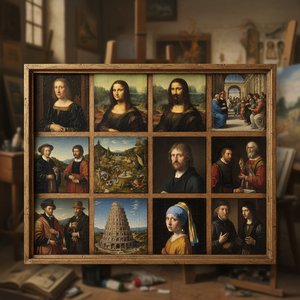
Oil on Panel Masters: 10 Paintings That Revolutionized Art |
Journey through 10 legendary 'Oil on Panel' masterpieces by Van Eyck, Bosch & Bruegel. Explore the stories behind these iconic Renaissance & Baroque paintings and find museum-quality art reproductions to elevate your home decor. Discover all masterpieces on !