Peržiūrėti realaus dydžio版
 Pasidalinti
 Dalintis
 Išsamiau
 Vadovas

 Atsisiųsti
 Panašūs eksponatai
 Rentgeno spindulių nuotrauka
 Automatinė diorama
 问答
问答 Statistika
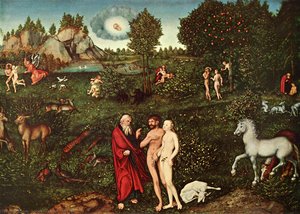
Adamas ir Eva

- 136.0 x 80.0 cm


 Skaityti daugiau
Giclée / Meno spausdinimas
Muziejų lygio „giclée“ arba drobos spausdinimas: greita gamyba ir lankstios apdailos parinktys. ( Pirkti rankų darbo tapybą Perejti prie skaitmeninių vaizdų)




P118B €10

P118H €10

P118W €10

P438Z €10

P508JH €12

P508YH €12

P805H €10

P805Z €10

P919BZ €10

P919G €10

P919XJ €10

P959ZH €10

P968JZ €12

W106C €8

W218G €10

W218JH €8

W218Y €10

W307PJ €10

W316G €10

W316PJ €8

W316Y €10

W398PJ €8

W4111J €10

W500HY €15

W500JH €15

W692G €12

W849H €8

W940BG €15

W953PJ €8




Pasirinkite iš mūsų nustatytų dydžių, atitinkančių originalaus meno kūrinio proporcijas.

Įveskite jums reikiamą plotį ir aukštį, kad atvaizdas derėtų prie jūsų rėmo ar sienos. Spausdiną galima tik sumažinti, bet nepadidinti virš originalaus paveikslėlio dydžio, todėl keičiant proporcijas, dalis vaizdo prarandama. Prieš spausdinimą atsiųsime jums skaitmeninį maketą patvirtinimui. Šioje puslapio nuotraukoje matomas pjūvis nėra tikslus – jį rodo tik maketas.
Pristatymas visame pasaulyje () per 2 weeks, o ne įprastas 4/5 savaičių laikotarpis. (11 lapkritis)

Nemokamas greitasis pristatymas visame pasaulyje

Aukštos kokybės lininis drobė

Pilnas siuntimo draudimas

Muitinės mokesčių grąžinimo garantija

Tikro spalvų atitikimo garantija

100 dienų grąžinimo politika (tik esant įtaigoms)

100% pinigų grąžinimo garantija

Nuolaida dideliems užsakymams
 Stiklo variantas prieinamas tik pasirinkus dydį iki 110 cm

Adamas ir Eva
Giclée / Meno spausdinimas
Reprodukcijos matmenys
-


Bendroji kaina
€ 73
Įvados į Lukaso Kranacho Vyresniojo Vaikiną
Luksas Krančas Vyresnysis, gimęs 1472 metais, buvo žymus vokiečių Renuosinės epochos tapytojas ir iliuzionistas. Jis plačiai žinomas dėl savo religinių temų, mitologinių scenų ir portretų vaizdavimų. Krančas dirbo karinės tapetuojos rezidencijoje Saksonijoje daugiau nei keturiasdešimt metų, reikšmingai prisidedamas prie Vokietijos meno sklaidos vystymosi XVI amžiuje.Dėstumas: "Adamas ir Evas"
“Adama ir Evą”, Lukso Krančo Vyresniojo paveikslą, nupainytą apie 1530 metus, galima laikyti įspūdingiausiu jo darbu (Žiūrėti Atkūrinį). Paveikslas iliustruoja Biblijos pasakojimą apie Adamą ir Evą, kuriuos pavaizduota akimirką, kai jie neatsidarė Dievo įsakymams, sukandę draudžiamo Žinių Medžio vaisių Edeno Sode.Simbolika ir Stilius
Krančo “Adamo ir Evo” paveikslo vaizdavimas demonstruoja jo unikalų stilių, pasižymantį ištemptomis figūromis, subtiliais spalvų deriniais ir sudėtingais detaliais. Tapytojas naudojo simbolines priemones, kad perteiktų pasakojimą, pavyzdžiui, velnią, susukti ant medžio, atstovaujantą vilnonės ir nuobodulio. Be to, tapytojo vaizdavimas gyvūnų fonuose sukelia ramybę, kontrastuodama su Adamo ir Evos veiksmų pasekmėmis.Krančo Palaimas
Luksas Krančas Vyresnysis buvo produktyvus menininkas, sukūręs daugiau kaip 50 “Adamo ir Evo” temų variantų savo karjeroje. Jo darbai turėjo didelės įtakos vokiečių menui, ypač Renuosinėje epochoje. Štai OriginalUniqueArt.com siūlo rankomis pagamintus aliejaus dažais atkūrinio paveikslų, leidžiantius meno entuziastams mėgautis ir įvertinti šiuos amžinybę išliekančius darbus namuose ar biuruose.Menas Atkūrinio Pagalbos
OriginalUniqueArt.com procese, kurį reikia sukurti atkūrinį, apimama kruopščiai studijavimu kiekvieno paveikslo sudėtingų detalių, spalvų paletės ir dažymo technikos, kad būtų užfiksuotas originalios drobės esmė (Sužinoti Daugiau). Ši atkaklus dėmesys tikslumui garantuoja, kad kiekvienas atkūrinis ne tik vizualiai įspūdingas, bet ir istorinis, suteikiantis lengvą ir prieinamą būdą meno mėgėjams mėgautis Renuosinės epochos meistrus.Išvada
Lukso Krančo Vyresniojo “Adamo ir Evo” paveikslo vaizdavimas yra įtakingas pavyzdys jo meninio talento ir viso vokiečių Renuosinės epochos meno prisidedimo. OriginalUniqueArt.com siūlo aukštos kokybės rankomis pagamintus aliejaus dažais atkūrinio paveikslų, leidžiančius jums atnešti šį meistriškumą namo ir mėgautis jo grožiu bei simbolika daugelio metų.- Norėdami sužinoti daugiau apie Renuosinę Epochos Atgaivinimą, apsilankykite: Renuosinės Epochos Atgaivinimas: Gilių Žiūrėjimas į OriginalUniqueArt.com Klasikinį Atkūrinį
- Sužinokite daugiau apie mūsų menininkus ir jų darbus: Menininkai
Klausimai ir atsakymai
Kaip meno kryptis ir epocha susilieja kūryboje „Adamas ir Eva“ – Lukaso Kranacho Vyresniojo Vardas?
Kūryboje „Adamas ir Eva“ – Lukaso Kranacho Vyresniojo Vardas Renaissance kryptis susilieja su Renesansas laikotarpiu.
Ar galėčiau pamatyti „Adamas ir Eva“ – Lukaso Kranacho Vyresniojo Vardas ant savo sienos prieš pirkdama/pirkdamas?
„Adamas ir Eva“ – Lukaso Kranacho Vyresniojo Vardas puslapio Peržiūra papildintajai realybei funkcija naudoja papildytojąjį realybės technologiją, kad suderinamame įrenginyje parodytų kūrinį jūsų erdvėje.
Kokia buvo Lukaso Kranacho Vyresniojo Vardas amžius sukuriant „Adamas ir Eva“?
Kai 1525 m. buvo sukurta „Adamas ir Eva“, Lukaso Kranacho Vyresniojo Vardas – gimęs 1472 m. – buvo 53 metų amžiaus.
Autoriaus biografija
Lucas Cranach the Elder
Lucas Cranach the Elder, born in Kronach, Germany around 1472, stands as a pivotal figure of the German Renaissance. His life unfolded during a period of immense religious and political upheaval, and his art became inextricably linked to both the burgeoning Protestant Reformation and the opulent courts he served. Initially trained by his father, Hans Maler, Cranach’s early artistic development remains somewhat shrouded in mystery, though influences from South German masters are evident in his evolving style. He quickly distinguished himself not merely as a skilled craftsman but as an artist capable of capturing psychological depth alongside technical precision – qualities that would soon draw the attention of powerful patrons. In 1504, he entered the service of Frederick III, Elector of Saxony, a relationship that would define much of his career and provide him with both stability and access to influential circles. This appointment as court painter in Wittenberg wasn’t simply about producing decorative works; it placed Cranach at the very heart of one of the most transformative movements in European history.Early Life and Artistic Training
Little is known definitively about Lucas Cranach's formative years, but evidence suggests he received a comprehensive artistic education from his father, Hans Maler—a respected painter and craftsman who practiced in Kronach and Nuremberg. Hans Maler instilled in Lucas a meticulous attention to detail and a mastery of traditional techniques – skills that would serve as the foundation for Cranach’s subsequent artistic endeavors. While biographical information remains scarce, scholars believe Cranach's exposure to the artistic traditions of Nuremberg—particularly the influence of Albrecht Dürer—contributed significantly to his stylistic development. Dürer’s pioneering use of engraving and printmaking techniques undoubtedly shaped Cranach’s approach to visual communication, fostering a fascination with precision and clarity that would characterize much of his oeuvre. The workshop environment fostered by Hans Maler instilled in Lucas not only technical proficiency but also an understanding of the collaborative process—a practice that would become central to Cranach's artistic career.Service to Frederick III and Wittenberg
Cranach’s ascension to prominence began with his appointment as court painter to Frederick III, Elector of Saxony, a patronage that proved remarkably fruitful both artistically and financially. Frederick III recognized Cranach’s talent for portraiture and commissioned numerous portraits of himself and members of the Saxon nobility—works that exemplify Cranach's stylistic innovations and demonstrate his ability to convey psychological nuance alongside technical virtuosity. Wittenberg, where Cranach served as court painter during Luther’s tenure, became a crucible of artistic and intellectual ferment—a place where Cranach wrestled with theological debates and engaged in dialogues with leading humanist thinkers. This engagement with the Reformation profoundly influenced Cranach's artistic vision, prompting him to explore themes of faith, morality, and human dignity—subjects that would permeate his paintings and woodcuts throughout his career. The patronage of Frederick III provided Cranach with access to resources and opportunities unavailable to many other artists of his time—allowing him to establish a thriving workshop and produce an astonishingly diverse body of work.Style and Technique: Northern Renaissance Elegance
Lucas Cranach’s artistic style is characterized by its refined elegance and meticulous attention to detail—qualities that align perfectly with the aesthetic sensibilities of the Northern Renaissance. He employed a distinctive technique combining oil painting, woodcut, and engraving—a combination that enabled him to achieve remarkable visual effects while maximizing accessibility through affordable prints. Cranach's figures possess elongated proportions—a stylistic convention reflecting influences from Flemish masters—and are rendered with subtle shading and modeling that convey a sense of depth and realism. His use of color is vibrant yet restrained—creating harmonious compositions that prioritize clarity and balance. The artist’s meticulous rendering of drapery—particularly in portraits—demonstrates his mastery of traditional techniques and underscores the importance he placed on conveying visual accuracy. Cranach's woodcuts, in particular, stand out for their expressive power—capturing fleeting moments of emotion with remarkable immediacy.Legacy and Influence
Lucas Cranach the Elder died in 1553, leaving behind an unparalleled artistic legacy that continues to inspire admiration and scholarly inquiry. He was a master of portraiture, a skilled interpreter of religious themes, and a shrewd businessman who understood the transformative potential of visual communication. His work not only reflects the cultural and intellectual landscape of his era but also actively shaped it—particularly through his engagement with the Protestant Reformation and his contribution to the dissemination of humanist ideas. Cranach’s influence extended far beyond Wittenberg and Saxony—reaching artists across Europe and establishing him as one of the most celebrated figures of the German Renaissance. His stylistic innovations—including elongated proportions, vibrant colors, and meticulous attention to detail—became hallmarks of Northern Renaissance art—and his legacy persists in the works of subsequent generations of painters. Cranach’s enduring fascination with mythology—evident in paintings depicting Venus and other classical deities—demonstrates his intellectual curiosity and underscores his commitment to exploring universal themes of beauty, love, and human aspiration. He remains a testament to the power of artistic vision—a figure whose work continues to captivate audiences worldwide.
Lukaso Kranacho Vyresniojo Vardas
1472 - 1553 , Vokietija
Trumpa informacija
- Artistic Movement Or Style: Nordrenaissance
- Artists Or Movements Influenced By This Artist: ['Martin Luther']
- Artists Who Influenced This Artist: ['Hans Maler']
- Date Of Birth: Kronach, Deutschland
- Date Of Death: 1553
- Full Name: Lucas Cranach der Ältere
- Nationality: Deutsch
- Notable Artworks:
- Jagd der Hirsche
- Selbstbildnis
- Ankündigung an Joachim
- Place Of Birth: Deutschland
Susiję straipsniai

Franz Xaver Winterhalter: Court Painter, Academician & Embodiment of Mid-19th Century Portraiture
Explore the life & art of Franz Xaver Winterhalter, the celebrated court painter of the 19th century. Discover his exquisite portraits of royalty and aristocracy – a symbol of prestige and refined taste.

Master of the Renaissance: The 25 Greatest Artworks by Albrecht Dürer
Journey through the Northern Renaissance with our curated guide to the 25 greatest artworks by Albrecht Dürer. From iconic woodcuts to profound self-portraits, explore the mastery behind these timeless classics. Find museum-quality reproductions at OriginalUniqueArt.com. Explore the full collection online.
Edmund Dulac: A Master of Golden Age Illustration – Exploring Myth, Symbolism & Art Nouveau Legacy
Explore the captivating world of Edmund Dulac, a master of Golden Age illustration! Discover his enchanting fairy tales, Art Nouveau style, and lasting influence on art & design. Learn about *The Rubaiyat* and more.

Beyond Replication: Sustaining Art Heritage Through Inspired Reproductions in Contemporary Interiors
Discover museum-quality art reproductions & bespoke paintings crafted by skilled artists. Elevate your home with timeless masterpieces – ethically sourced, expertly curated, and guaranteed to inspire. Explore our collection today!

Paradise Lost: An Exploration of Iconic Artworks Depicting Adam and Eve
Explore the history of Adam and Eve in art from Dürer to Cole. Discover the deep symbolism behind these iconic masterpieces now.