

 Peržiūrėti realaus dydžio版
 Pasidalinti
 Dalintis
 Išsamiau
 Vadovas

 Atsisiųsti
 Panašūs eksponatai
 Rentgeno spindulių nuotrauka
 Automatinė diorama
 Q&A
Q&A Statistika
The Forge of Vulcan
 Acrylic On Canvas
- WallArt
- Baroque Luminosity
 1660
1660 193.0 x 152.0 cm
 Hermitage muziejus
 Skaityti daugiau
Giclée / Meno spausdinimas
Muziejų lygio „giclée“ arba drobos spausdinimas: greita gamyba ir lankstios apdailos parinktys. ( Pirkti rankų darbo tapybą Perejti prie skaitmeninių vaizdų)




P118B €10

P118H €10

P118W €10

P438Z €10

P508JH €12

P508YH €12

P805H €10

P805Z €10

P919BZ €10

P919G €10

P919XJ €10

P959ZH €10

P968JZ €12

W106C €8

W218G €10

W218JH €8

W218Y €10

W307PJ €10

W316G €10

W316PJ €8

W316Y €10

W398PJ €8

W4111J €10

W500HY €15

W500JH €15

W692G €12

W849H €8

W940BG €15

W953PJ €8




Pasirinkite iš mūsų nustatytų dydžių, atitinkančių originalaus meno kūrinio proporcijas.

Įveskite jums reikiamą plotį ir aukštį, kad atvaizdas derėtų prie jūsų rėmo ar sienos. Spausdiną galima tik sumažinti, bet nepadidinti virš originalaus paveikslėlio dydžio, todėl keičiant proporcijas, dalis vaizdo prarandama. Prieš spausdinimą atsiųsime jums skaitmeninį maketą patvirtinimui. Šioje puslapio nuotraukoje matomas pjūvis nėra tikslus – jį rodo tik maketas.
Pristatymas visame pasaulyje () per 2 weeks, o ne įprastas 4/5 savaičių laikotarpis. (31 spalis)

Nemokamas greitasis pristatymas visame pasaulyje

Aukštos kokybės lininis drobė

Pilnas siuntimo draudimas

Muitinės mokesčių grąžinimo garantija

Tikro spalvų atitikimo garantija

100 dienų grąžinimo politika (tik esant įtaigoms)

100% pinigų grąžinimo garantija

Nuolaida dideliems užsakymams
 Stiklo variantas prieinamas tik pasirinkus dydį iki 110 cm

The Forge of Vulcan
Giclée / Meno spausdinimas
Reprodukcijos matmenys
-


Bendroji kaina
€ 71
Luca Giordano’s Dramatic Vision of Labor: An Exploration of ‘The Forge of Vulcan’
Luca Giordano, a singular figure in the Baroque landscape, wasn't merely an artist; he was a conduit for dynamism and fervor—a painter who fundamentally reshaped architectural grandeur across Italy and Spain. Born in Naples in 1634, his artistic journey began under the tutelage of Jusepe de Ribera, absorbing the somber realism that characterized Ribera’s oeuvre. Yet Giordano swiftly distinguished himself with an innate luminescence and movement, establishing a style instantly recognizable for its theatrical grandeur and meticulous detail. This distinctive approach—captured brilliantly in ‘The Forge of Vulcan,’ completed around 1660—offers a captivating glimpse into both artistic innovation and the cultural milieu of his time.- Subject Matter: The painting depicts a bustling forge scene, populated by several artisans engaged in the arduous process of metalworking. Precise depictions of hammers striking anvils, chisels shaping iron bars, and men diligently crafting tools convey an immediacy that transcends centuries.
- Style & Technique: Giordano’s masterful command of chiaroscuro—the dramatic interplay between light and shadow—dominates the composition. He employs a bold palette dominated by earthy tones contrasted with vibrant highlights, creating a palpable sense of heat and energy. The artist's meticulous attention to anatomical accuracy ensures that each figure possesses a convincing physicality, furthering the scene’s realism.
Historical Context: Naples Under Bourbon Rule & Artistic Patronage
‘The Forge of Vulcan’ emerged during Naples’ reign under Bourbon rule—a period marked by significant artistic patronage. The Bourbon monarchy actively supported artists like Giordano, recognizing the power of visual art to elevate civic pride and commemorate royal achievements. This context informs our understanding of the painting's purpose: it served as a celebration of craftsmanship and industriousness – values deeply ingrained in Neapolitan society during the Baroque era.- Symbolism: The forge itself represents more than just a workshop; it embodies transformation, resilience, and divine creation. Vulcan, the Roman god of fire and metalworking—whose likeness is subtly incorporated into the composition—symbolizes power and craftsmanship. The figures depicted are not merely laborers but embodiments of virtue and dedication – qualities prized by Baroque artists.
- Emotional Impact: Giordano’s depiction evokes a profound sense of drama and aspiration. The viewer is drawn into the scene's energetic rhythm, experiencing both the physical exertion of the artisans and their unwavering commitment to their craft. It speaks to an enduring fascination with human endeavor and the sublime beauty found within disciplined labor.
Giordano’s Legacy & Reproduction Considerations
Luca Giordano's influence extended far beyond Naples, shaping artistic trends across Europe. His ability to infuse monumental spaces with vibrant color and dynamic movement cemented his reputation as one of the Baroque’s foremost innovators. Today, OriginalUniqueArt offers exceptional reproductions of ‘The Forge of Vulcan,’ meticulously crafted to capture the essence of Giordano’s original vision. These high-quality prints allow art enthusiasts and collectors alike to experience the painting's captivating beauty and historical significance firsthand—bringing a piece of Baroque grandeur into any interior.Klausimai ir atsakymai
Kas sukūrė „The Forge of Vulcan“ ir kokiais metais?
„The Forge of Vulcan“ kūrybinį darbinį sukūrė Luca Džordanas 1660 metais.
Kur galiu įsigyti rankinio darbo „The Forge of Vulcan“ – Luca Džordanas reprodukciją?
Rankumų reprodukciją kūrinio „The Forge of Vulcan“ – Luca Džordanas galite užsakyti tiesiogiai jo Rankų darbo aliejinis reprodukcija puslapyje: rankomis dažyta aliejaus reprodukcija ant lininio drobos, gaminama pagal užsakymą.
Kokia atmosferą sukelia „The Forge of Vulcan“?
„The Forge of Vulcan“ – Luca Džordanas nuotaika apibūdinama kaip Dramatic. Ši klasifikacija gali padėti priderinti kūrinį prie aplinkos.
Autoriaus biografija
Luca Giordano (18 October 1634 – 3 January 1705): Exploring the Vibrant Baroque Masterpieces of ‘Luca Fa Presto’
Luca Giordano, born in Naples on October 18, 1634, stands as one of Italy's most celebrated and prolific painters of the late Baroque era. He wasn’t merely a craftsman; he was an incandescent force—a whirlwind of creativity whose output dramatically reshaped both canvases and architectural spaces across Italy and Spain. His father, Antonio Giordano, instilled in him early artistic training, but it was under the tutelage of Jusepe de Ribera that Luca truly honed his distinctive style, forging connections with a master who profoundly shaped his formative years. This apprenticeship bequeathed an unmistakable mark—the dramatic intensity and meticulous realism characteristic of Giordano’s initial compositions, reflecting Ribera's darker palette and more austere approach. Yet, unlike Ribera’s somber aesthetic, Giordano possessed an innate inclination toward luminosity and movement—qualities that would ultimately define his singular artistic vision. Even then, he earned the moniker “Luca fa presto”—Luca the quick one—a testament to his remarkable speed and seemingly boundless energy; a descriptor that perfectly encapsulated his unparalleled ability to capture profound emotion and breathtaking spectacle with effortless grace.From Naples to Spain: A Journey Fueled by Commissions and Artistic Exploration
Giordano’s artistic trajectory transcended mere geographical boundaries. It was propelled forward by successive commissions and extensive travels, traversing the Italian peninsula and venturing beyond its shores. Establishing himself as a rising star in Naples solidified his reputation, prompting him to seek opportunities in Rome, Florence, and Venice—cities that absorbed the diverse stylistic currents of their respective periods like sponges. In Venice, he immersed himself in the legacy of Titian and Veronese, embracing their opulent color palettes and dynamic compositional techniques—a deliberate contrast to Ribera’s tenebristic style. Florence witnessed Giordano undertake monumental fresco cycles, most notably adorning the dome of the Corsini Chapel at Santa Maria del Carmine, showcasing his burgeoning mastery of illusionistic space and narrative storytelling—a feat that cemented his position as one of the foremost artists of his time. However, it was his decade-long engagement with Spain (1682–1692) – appointed court painter to Charles II – that irrevocably etched his name into European artistic history. During this period, Giordano revitalized Spanish interiors with lavish frescoes imbued with Italian exuberance—a bold departure from the prevailing stylistic conventions of the era and demonstrating his ability to fuse intellectual depth with visual splendor. The Biblioteca Riccardiana in Florence stands as a testament to this transformative influence, showcasing Giordano’s unparalleled skill in blending classical ideals with Baroque dynamism.A Synthesis of Styles: Giordano's Artistic Signature
Giordano’s genius resided not in inventing entirely novel techniques but rather in synthesizing existing artistic traditions into a remarkably fluid and decorative style—a hallmark of his mature oeuvre. He skillfully blended the dramatic realism inherited from Ribera, the luminous colorism inspired by Venetian painters, and the dynamic compositional principles championed by Pietro da Cortona—resulting in an aesthetic that defied categorization yet resonated powerfully with audiences across Europe. His brushwork was characterized by its freedom and spontaneity, conveying an impression of effortless grace and capturing fleeting moments of emotion with breathtaking precision. Giordano eschewed rigid formalism, preferring instead to infuse his canvases with intricate details and swirling draperies—a stylistic choice that underscored his commitment to visual richness and expressive depth. This multifaceted approach enabled him to tackle a diverse range of subjects – from religious iconography and mythological narratives to portraits and decorative schemes – with equal conviction and artistry.Notable Achievements & Artistic Connections
Giordano’s legacy extends far beyond his own lifetime, influencing generations of artists who followed in his footsteps. He trained numerous pupils—including Paolo de Matteis—who subsequently achieved considerable success as painters themselves, disseminating Giordano's stylistic innovations throughout Italy and beyond. His work served as a pivotal bridge between the High Baroque and the Rococo periods, fostering a lighter, more playful aesthetic that would dominate artistic expression during the latter half of the eighteenth century. The sheer volume of his output—estimated at over six hundred paintings and numerous fresco cycles – continues to captivate audiences today. The Palazzo San Francesco in Naples houses an exceptional collection of Giordano’s masterpieces, offering a comprehensive panorama of his artistic evolution. Furthermore, Giordano's connections with prominent artists of his era—such as Ribera, Titian, Veronese, and Cortona—demonstrated the breadth of his intellectual engagement and solidified his position as one of Italy’s most influential figures of the Baroque period.Concluding Reflections: The Enduring Brilliance of ‘Luca Fa Presto’
Luca Giordano died peacefully in Naples on January 3, 1705, leaving behind an indelible mark on Italian art history—a testament to his unwavering dedication to artistic excellence and his unparalleled ability to transform visual experience into a conduit for profound emotion. His enduring brilliance continues to inspire artists and scholars alike, ensuring that “Luca fa presto”—Luca the quick one—remains synonymous with the vibrant spirit of the late Baroque and a beacon of creativity for centuries to come.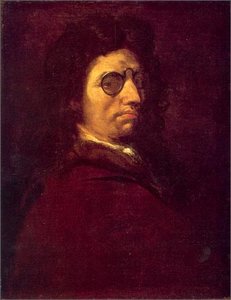
Luca Džordanas
1634 - 1705 , Италия
Trumpa informacija
- Artistic Movement Or Style: Vėlyvas Barokas
- Artists Who Influenced This Artist:
- Chosė de Ribera
- Tietijanas
- Veronėzas
- Pietro da Kortona
- Date Of Birth: 1634 m.
- Date Of Death: 1705 m.
- Full Name: Luca Giordano
- Nationality: Italianas
- Notable Artworks:
- Šv. Jonas Krikštytojas
- Kristus su gydytojais
- Freskų darbai Neapolyje
- Place Of Birth: Neapolijus, Italija
Susiję straipsniai
Luca Giordano: Neapolitan Baroque Master & His European Influence
Explore the life & works of Luca Giordano, the celebrated Neapolitan Baroque master. Discover his prolific fresco cycles, Roman commissions, and lasting influence on European art history. Learn more at OriginalUniqueArt.

Baroko Šedevrai: 10 Menų Simbolių, Apibūdinusių Epoką | OriginalUniqueArt
Atraskite 10 baroko šedevrų, kurie apibrėžė epoką! Karolis Rubenzas, Berninis ir kiti meistrai – jų kūriniai, istorijos bei spalvos. Aukščiausios kokybės dailės reprodukcijos ir interjero įkvėpimas OriginalUniqueArt.com. Išnagrinėkite visą kolekciją internete!

Baroko Dramatizmas: Elegancijos ir Emocijų Įnešimas į Šiuolaikinius Interjerus
Atraskite baroko dramatiškumą! Meno konsultacijos, rankų darbo reprodukcijos ir patarimai, kaip įnešti eleganciją bei emocijas į jūsų interjerą su OriginalUniqueArt.com. Kokybė garantuota!

The Dramatic Flourish: Exploring the Baroque Movement's Enduring Legacy in Art History
Explore the dramatic world of Baroque art! Discover iconic artists like Caravaggio & Rubens, defining techniques, and its lasting impact on art history. Expert insights for collectors & enthusiasts at OriginalUniqueArt.

Baroque Classicism: The Grandeur of Order and Drama in 17th-Century Art History
Explore the profound elegance of Baroque Classicism. Discover how 17th-century masters synthesized dramatic emotion with classical order through the lens of the Counter-Reformation and the works of legends like Carlo Maratta and Andrea Sacchi.