Text size

() ·

A painting made for you, by hand

Apollo and Marsyas

Rankų darbo aliejinės reprodukcijos

Rankiniu būdu tapytas aliejus ant droblio jūsų pageidaujamame dydį ir rėmuose – tai mūsų menininkų pagal užsakymą sukurtas darbas. ( Perjungti į spausdinamus版作品 Perejti prie skaitmeninių vaizdų)

Kolekcinio objekto aprašas

Experience the dramatic Baroque tension of Apollo and Marsyas by Luca Giordano; capture this vibrant 17th-century masterpiece for your collection.

Autoriaus biografija

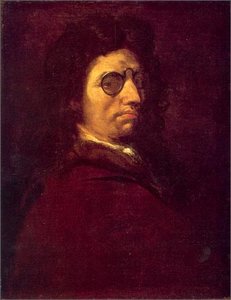
Luca Giordano (1634–1705): Italijos baroko meistras, žinomas dėl savo greitos kūrybos ir įspūdingų freskų. Jo darbą galima įvardinti kaip vieną iš svarbiausių italijos meno istorijoje – OriginalUniqueArt.com.

from ·

Chapter 1

How large should it be?

Slide to change the size; the picture on the left shows the frame at its real width. The proportions of the original are kept.

Standartinis dydis
pagal užsakymą
CM
INCH

Pasirinkite iš mūsų nustatytų dydžių, atitinkančių originalaus meno kūrinio proporcijas.

plotis
aukštis

Įveskite jums reikiamą plotį ir aukštį, kad paveikslas atitiktų jūsų rėmą ar sieną. Kadangi šis darbas yra rankinio darbo, siekiant išgauti kitokios formos dydį, paveikslas gali būti šiek tiek didesnis (nuo kraštų bus palikta daugiau erdvės) arba mažesnis – pasirinkite jums patogiausią variantą. Prieš pradedant tapyti, atsiųsime jums skaitmeninį maketą patvirtinimui. Šioje puslapio nuotraukoje matomas vaizdas nėra galutinis rezultatas – jį parodys tik sukurtas maketas.

Chapter 2

How should it arrive?

Choose the edges of the stretched canvas

Choose your frame

Corner sample of the WhiteWrap canvas edge finish, stretched on solidus medžio

**Improved version:**
solidus medis bars
White €1
Corner sample of the BlurSideWrap canvas edge finish, stretched on solidus medžio

**Improved version:**
solidus medis bars
Blurside €1
Corner sample of the ExtendedWrap canvas edge finish, stretched on solidus medžio

**Improved version:**
solidus medis bars
Extended €1
Corner sample of the P118B picture frame: lieto polistirolo detalės, 5 cm wide and 3 cm thick
P118B €10
Corner sample of the P118H picture frame: lieto polistirolo detalės, 5 cm wide and 3 cm thick
P118H €10
Corner sample of the P118W picture frame: lieto polistirolo detalės, 5 cm wide and 3 cm thick
P118W €10
Corner sample of the P438Z picture frame: lieto polistirolo detalės, 5.5 cm wide and 3.5 cm thick
P438Z €10
Corner sample of the P508JH picture frame: lieto polistirolo detalės, 7 cm wide and 3.5 cm thick
P508JH €12
Corner sample of the P508YH picture frame: lieto polistirolo detalės, 7 cm wide and 3.5 cm thick
P508YH €12
Corner sample of the P805H picture frame: lieto polistirolo detalės, 5 cm wide and 3.5 cm thick
P805H €10
Corner sample of the P805Z picture frame: lieto polistirolo detalės, 5 cm wide and 3.5 cm thick
P805Z €10
Corner sample of the P919BZ picture frame: lieto polistirolo detalės, 7 cm wide and 3.5 cm thick
P919BZ €10
Corner sample of the P919G picture frame: lieto polistirolo detalės, 7 cm wide and 3.5 cm thick
P919G €10
Corner sample of the P919XJ picture frame: lieto polistirolo detalės, 7 cm wide and 3.5 cm thick
P919XJ €10
Corner sample of the P959ZH picture frame: lieto polistirolo detalės, 5 cm wide and 3 cm thick
P959ZH €10
Corner sample of the P968JZ picture frame: lieto polistirolo detalės, 6 cm wide and 4 cm thick
P968JZ €12
Corner sample of the W106C picture frame: solidus medžio

**Improved version:**
solidus medis, 5 cm wide and 3 cm thick
W106C €8
Corner sample of the W218G picture frame: solidus medžio

**Improved version:**
solidus medis, 5 cm wide and 3 cm thick
W218G €10
Corner sample of the W218JH picture frame: solidus medžio

**Improved version:**
solidus medis, 5 cm wide and 3 cm thick
W218JH €8
Corner sample of the W218Y picture frame: solidus medžio

**Improved version:**
solidus medis, 5 cm wide and 3 cm thick
W218Y €10
Corner sample of the W307PJ picture frame: solidus medžio

**Improved version:**
solidus medis, 6 cm wide and 3 cm thick
W307PJ €10
Corner sample of the W316G picture frame: solidus medžio

**Improved version:**
solidus medis, 6 cm wide and 3 cm thick
W316G €10
Corner sample of the W316PJ picture frame: solidus medžio

**Improved version:**
solidus medis, 6 cm wide and 3 cm thick
W316PJ €8
Corner sample of the W316Y picture frame: solidus medžio

**Improved version:**
solidus medis, 6 cm wide and 3 cm thick
W316Y €10
Corner sample of the W398PJ picture frame: solidus medžio

**Improved version:**
solidus medis, 5 cm wide and 3 cm thick
W398PJ €8
Corner sample of the W4111J picture frame: solidus medžio

**Improved version:**
solidus medis, 6.5 cm wide and 3.5 cm thick
W4111J €10
Corner sample of the W500HY picture frame: solidus medžio

**Improved version:**
solidus medis, 7 cm wide and 5 cm thick
W500HY €15
Corner sample of the W500JH picture frame: solidus medžio

**Improved version:**
solidus medis, 7 cm wide and 5 cm thick
W500JH €15
Corner sample of the W692G picture frame: solidus medžio

**Improved version:**
solidus medis, 8 cm wide and 4 cm thick
W692G €12
Corner sample of the W849H picture frame: solidus medžio

**Improved version:**
solidus medis, 5 cm wide and 3 cm thick
W849H €8
Corner sample of the W940BG picture frame: solidus medžio

**Improved version:**
solidus medis, 7.5 cm wide and 4.5 cm thick
W940BG €15
Corner sample of the W953PJ picture frame: solidus medžio

**Improved version:**
solidus medis, 6 cm wide and 3.5 cm thick
W953PJ €8
Corner sample of the H24-GOLD picture frame: medžio skulptūra su gipso sluosniu, 10 cm wide and 6 cm thick
H24-GOLD €30
Corner sample of the H24-SILVER picture frame: medžio skulptūra su gipso sluosniu, 10 cm wide and 6 cm thick
H24-SILVER €30
Corner sample of the H36-GOLD picture frame: medžio skulptūra su gipso sluosniu, 15 cm wide and 6.5 cm thick
H36-GOLD €45
Corner sample of the H36-SILVER picture frame: medžio skulptūra su gipso sluosniu, 15 cm wide and 6.5 cm thick
H36-SILVER €45
Rėmo peržiūra
Įrėmintas

Moulding: . Overall size with the frame: .

Chapter 3

Who paints it, and should anything change?

Examples of what can be changed: Replace face with customer photo; Add pet (e.g., replace cat with dog); Include hidden message in background; Change background landscape or elements.
After order, OriginalUniqueArt.com team will email client for instructions and provide a mockup preview

Pristatymas visame pasaulyje () per 3–4 savaites, o ne įprastai – per 5 savaites. (2 lapkritis). Kokybė lieka nepakeičiama.

Chapter 4

The finishing touches

A nameplate, as in a museum?

Išgraviruotos bronzinės plokštelės detalės

This elegant plaque features the artist's name and the title of the artwork, finely engraved for a timeless presentation.

It is made from bronze with a refined, elegant finish. The text is precisely laser-engraved for a sharp and permanent result. Measuring 9x2 cm, the plaque is compact yet easy to read. It's built to be durable and scratch-resistant, offering a professional, museum-quality look. Mounting is simple thanks to the included adhesive backing.

Skaidrios akrilo plokštelės informacija

The plaque includes essential engraved details such as the artist's name, the title of the artwork, the date it was created, the type of media used-like oil on canvas or watercolor-a brief description of the piece, and a QR code that links to the complete artwork information.

It is crafted from clear acrylic, offering a sleek, modern appearance. The text is UV-engraved in black to ensure strong visual contrast. With a size of 10x15 cm, it ensures optimal readability. It comes equipped with two metal hooks for secure wall mounting. The plaque is designed to be weather-resistant, making it suitable for various environments, and it includes interactive features that work seamlessly with smartphone scanning.

Juodos akrilo plokštelės informacija

This elegant plaque includes engraved information such as the artist's name, the title of the artwork, the date it was created, the type of media used (like oil on canvas or watercolor), a short description of the artwork, and a QR code for quick access to more information.

The plaque itself is made from refined black acrylic with a premium finish. The text is laser-engraved in white for high contrast and readability. Its size is 10x15 cm, designed to be easy to read. It comes with two metal hooks for professional mounting. The design is sleek and fits any interior style. It is also weather-resistant and durable, with built-in digital integration for mobile compatibility.

A protective varnish?

When do you need it?

Chapter 5

Your painting, as you ordered it

Apollo and Marsyas

Reprodukcijos technika

Reprodukcijos matmenys

-

Aukščiausios klasės meistras

Daugiau detalių, meistriškumo ir papildomo gamybos laiko

-

Reprodukcijos rėmėjimo parinktys

-

-

Dėl meno kūrinių ar reprodukcijų, kurių bet kuri pusė yra didesnė nei 105 cm (apie 41 inch), rėmas bus siunčiamas kaip išskaidytas surinkimo rinkinys. Šis metodas užtikrina saugų pristatymą ir apsaugo nuo transportavimo metu galimos žalos.

Reikalingas profesionalus surinkimas – tai nėra „pasidaryk pats“ (DIY) produktas.
Rinkinys turi būti surinktas, o drobė išplėsta naudojant patyrį profesionalų rėmininką, medžio klijus (nėra įtraukti į rinkinį), drobės plėšimo kleslę bei presas, kad rėmo rėžiai išliktų tiesūs, kol klijai išdžiūvus. Netinkamas surinkimas arba netolydus drobės įtampa gali negrįžtamai sugadinti meno kūrinį, todėl šie atvejai nėra užtraukiami mūsų garantijos.

  • Į komplektą įeina visi vientisos medienos elementai, tiksliai išpjauti pagal dydį.

  • Surmontinama naudojant pridėtus varžtus bei papildomai reikalingą medžio kliją kampų jungtims, kuris nėra pridėtas ir turi būti parinktas rėmininkui.

  • Reikalingi profesionalūs įrankiai, kurie nėra įtraukti į rinkinį: drobės kėlimo plytelės (stiprintuvai) ir klemiai, laikantys rėmo strygius tiesiu kampu, kol džiūsta lipas.

Svarbu:
Kampų jungtims reikalingi medžio klijai, barams reikia laikyti naudojant presas, kol klijai visiškai išdžiūvės, o surinktam rėmui įtempiamai privilgti būtinos drobės įtempimo plytযুক্ত. Šios priemonės į rinkinį neįtrauktos. Prieš užsakydami šio dydžio rinkinį, rekomenduojame pasimalkoti patyrusiu rėmų meistru.

Pavadinimo lentelė

-

-

Apsauginis lakas

Blizgus lakas (ryškina spalvas, saugo nuo šviesos ir drėgmės)

-

Personalizuoti kūrinį

Ką galima pakeisti (pavyzdžiui): pakeisti veidą klientui skirta nuotrauka; pridėti augintinį (pvz., katę pakeisti šuniu); įtraukti paslėptą žinutę fone; pakeisti fono kraštovaizdį ar elementus.

-

Skubiai

Pristatymas visame pasaulyje () per 3–4 savaites, o ne įprastai – per 5 savaites. (2 lapkritis). Kokybė lieka nepakeičiama.

-

Skubus pristatymas

Pristatymas visame pasaulyje () per 5 weeks. (9 lapkritis).

Įskaičiuota

Bendroji kaina

€ 267

Visos kainos suma € 267

Stiklo variantas prieinamas tik pasirinkus dydį iki 110 cm

Included with every order

  • Nemokamas greitasis pristatymas visame pasaulyje
  • Aukštos kokybės lininis drobė
  • Pilnas siuntimo draudimas
  • Muitinės mokesčių grąžinimo garantija
  • Tikro spalvų atitikimo garantija
  • 100 dienų grąžinimo politika (tik esant įtaigoms)
  • 100% pinigų grąžinimo garantija
  • Nuolaida dideliems užsakymams

The Triumph of Art Over Hubris: Apollo and Marsyas

To stand before a depiction of Apollo and Marsyas is to confront one of antiquity's most enduring narratives—a dramatic collision between divine perfection and wild, untamed artistry. Luca Giordano captures this moment not merely as a scene from myth, but as a vibrant, almost breathless confrontation rendered in the glorious sweep of the late Baroque style. The composition immediately draws the eye to the central tension: Apollo, embodying Olympian grace with his bow drawn taut, stands poised above the defeated form of Marsyas. This is more than just a depiction of a contest; it is a profound meditation on the nature of genius itself.

Baroque Drama and Luminous Technique

Giordano, known to his contemporaries as “Luca fa presto”—Luca the quick one—brings an electrifying energy to this canvas. His technique is characterized by a breathtaking luminosity and palpable movement that seems to vibrate off the painted surface. One can almost feel the tension in Apollo’s stance and the weight of the narrative unfolding around him. The handling of light, typical of Giordano's mastery, sculpts the figures from the surrounding atmosphere, giving depth and dramatic realism to every fold of drapery and every strained muscle. For those considering a reproduction for your esteemed collection or interior design scheme, understanding this dynamic energy is key; it promises an immediate focal point, injecting theatrical life into any space.

Symbolism: The Price of Passionate Artistry

The story itself is rich with symbolism that resonates across the ages. Marsyas, often portrayed as a figure of raw, earthy passion—the musician who dared challenge the divine order—represents the untamed spirit, the visceral urge to create outside established boundaries. Apollo, conversely, embodies disciplined, perfected art and divine order. The fallen state of Marsyas, with his hands bound, speaks eloquently of hubris meeting inevitable consequence. Yet, Giordano’s genius lies in presenting this conflict without simple judgment; there is a tragic beauty in both the victor's poise and the vanquished's dramatic repose. It invites contemplation on where true artistic merit resides: in divine perfection or in passionate struggle?

A Masterpiece for Modern Adoration

The inclusion of secondary figures, observing from the periphery—the onlookers on the left and right—serves to frame this central drama, grounding the myth within a human context. The subtle detail of the bird near the upper corner adds an almost incidental touch of natural life against the monumental sweep of the action. Owning a reproduction of Apollo and Marsyas by Giordano is acquiring more than just decoration; it is commissioning a piece of narrative drama. It speaks to a sophisticated appreciation for Baroque dynamism, offering collectors and designers a work that pulses with historical weight, mythological grandeur, and unparalleled artistic vitality.

Klausimai ir atsakymai

Ar „Apollo and Marsyas“ liko savo kūrėjo tėvynėje?

Ne – kūrinys saugomas užsienyje. Luca Džordanas gimtoji šalis yra Италия, o kūrinio „Apollo and Marsyas“ originalas saugomas muziejuje, esančiame Italia.

Kaip „Apollo and Marsyas“ subalansuoja šviesą ir tamsą?

Įrašytos „Apollo and Marsyas“ – Luca Džordanas reikšmės: šviesos intensyvumas – deep_shadow, luminansas – Dark.

Kokią paletę ir kokią emociją sujungia „Apollo and Marsyas“?

„Apollo and Marsyas“ – Luca Džordanas Earthy paletė dera su jo Powerful emociniu tonu. Spalva yra vienas iš būdų, keliais kūrinys perteikia jausmus.

More about this painting

Peržiūrėti realaus dydžio版 Peržiūrėti AR realybėje Perjungti į spausdinamus版作品 Perejti prie skaitmeninių vaizdų Pasidalinti
Išsamiau Vadovas Pridėti į mėgstamiausius Atsisiųsti Panašūs eksponatai Rentgeno spindulių nuotrauka Automatinė diorama Q&A Statistika

In numbers

  • 1657the year it was painted
  • 29frames to choose from
  • standard sizes, in its own proportions
  • 5weeks to paint and deliver it
Luca Džordanas

Luca Džordanas

1634 - 1705, Италия

Quick facts about Luca Džordanas

  • Artistic Movement Or Style: Vėlyvas Barokas
  • Artists Who Influenced This Artist:
    • Chosė de Ribera
    • Tietijanas
    • Veronėzas
    • Pietro da Kortona
  • Date Of Birth: 1634 m.
  • Date Of Death: 1705 m.
  • Full Name: Luca Giordano
  • Nationality: Italianas
  • Notable Artworks:
    • Šv. Jonas Krikštytojas
    • Kristus su gydytojais
    • Freskų darbai Neapolyje
  • Place Of Birth: Neapolijus, Italija

Autoriaus biografija

Luca Giordano (18 October 1634 – 3 January 1705): Exploring the Vibrant Baroque Masterpieces of ‘Luca Fa Presto’

Luca Giordano, born in Naples on October 18, 1634, stands as one of Italy's most celebrated and prolific painters of the late Baroque era. He wasn’t merely a craftsman; he was an incandescent force—a whirlwind of creativity whose output dramatically reshaped both canvases and architectural spaces across Italy and Spain. His father, Antonio Giordano, instilled in him early artistic training, but it was under the tutelage of Jusepe de Ribera that Luca truly honed his distinctive style, forging connections with a master who profoundly shaped his formative years. This apprenticeship bequeathed an unmistakable mark—the dramatic intensity and meticulous realism characteristic of Giordano’s initial compositions, reflecting Ribera's darker palette and more austere approach. Yet, unlike Ribera’s somber aesthetic, Giordano possessed an innate inclination toward luminosity and movement—qualities that would ultimately define his singular artistic vision. Even then, he earned the moniker “Luca fa presto”—Luca the quick one—a testament to his remarkable speed and seemingly boundless energy; a descriptor that perfectly encapsulated his unparalleled ability to capture profound emotion and breathtaking spectacle with effortless grace.

From Naples to Spain: A Journey Fueled by Commissions and Artistic Exploration

Giordano’s artistic trajectory transcended mere geographical boundaries. It was propelled forward by successive commissions and extensive travels, traversing the Italian peninsula and venturing beyond its shores. Establishing himself as a rising star in Naples solidified his reputation, prompting him to seek opportunities in Rome, Florence, and Venice—cities that absorbed the diverse stylistic currents of their respective periods like sponges. In Venice, he immersed himself in the legacy of Titian and Veronese, embracing their opulent color palettes and dynamic compositional techniques—a deliberate contrast to Ribera’s tenebristic style. Florence witnessed Giordano undertake monumental fresco cycles, most notably adorning the dome of the Corsini Chapel at Santa Maria del Carmine, showcasing his burgeoning mastery of illusionistic space and narrative storytelling—a feat that cemented his position as one of the foremost artists of his time. However, it was his decade-long engagement with Spain (1682–1692) – appointed court painter to Charles II – that irrevocably etched his name into European artistic history. During this period, Giordano revitalized Spanish interiors with lavish frescoes imbued with Italian exuberance—a bold departure from the prevailing stylistic conventions of the era and demonstrating his ability to fuse intellectual depth with visual splendor. The Biblioteca Riccardiana in Florence stands as a testament to this transformative influence, showcasing Giordano’s unparalleled skill in blending classical ideals with Baroque dynamism.

A Synthesis of Styles: Giordano's Artistic Signature

Giordano’s genius resided not in inventing entirely novel techniques but rather in synthesizing existing artistic traditions into a remarkably fluid and decorative style—a hallmark of his mature oeuvre. He skillfully blended the dramatic realism inherited from Ribera, the luminous colorism inspired by Venetian painters, and the dynamic compositional principles championed by Pietro da Cortona—resulting in an aesthetic that defied categorization yet resonated powerfully with audiences across Europe. His brushwork was characterized by its freedom and spontaneity, conveying an impression of effortless grace and capturing fleeting moments of emotion with breathtaking precision. Giordano eschewed rigid formalism, preferring instead to infuse his canvases with intricate details and swirling draperies—a stylistic choice that underscored his commitment to visual richness and expressive depth. This multifaceted approach enabled him to tackle a diverse range of subjects – from religious iconography and mythological narratives to portraits and decorative schemes – with equal conviction and artistry.

Notable Achievements & Artistic Connections

Giordano’s legacy extends far beyond his own lifetime, influencing generations of artists who followed in his footsteps. He trained numerous pupils—including Paolo de Matteis—who subsequently achieved considerable success as painters themselves, disseminating Giordano's stylistic innovations throughout Italy and beyond. His work served as a pivotal bridge between the High Baroque and the Rococo periods, fostering a lighter, more playful aesthetic that would dominate artistic expression during the latter half of the eighteenth century. The sheer volume of his output—estimated at over six hundred paintings and numerous fresco cycles – continues to captivate audiences today. The Palazzo San Francesco in Naples houses an exceptional collection of Giordano’s masterpieces, offering a comprehensive panorama of his artistic evolution. Furthermore, Giordano's connections with prominent artists of his era—such as Ribera, Titian, Veronese, and Cortona—demonstrated the breadth of his intellectual engagement and solidified his position as one of Italy’s most influential figures of the Baroque period.

Concluding Reflections: The Enduring Brilliance of ‘Luca Fa Presto’

Luca Giordano died peacefully in Naples on January 3, 1705, leaving behind an indelible mark on Italian art history—a testament to his unwavering dedication to artistic excellence and his unparalleled ability to transform visual experience into a conduit for profound emotion. His enduring brilliance continues to inspire artists and scholars alike, ensuring that “Luca fa presto”—Luca the quick one—remains synonymous with the vibrant spirit of the late Baroque and a beacon of creativity for centuries to come.

Trumpa informacija

  • Artistic style: Late Baroque
  • Subject or theme: Greek mythology
  • Notable elements or techniques:
    • Bow and arrow
    • Fallen figure
  • Artist: Luca Giordano

Karo viktorina

Kiekviename klausime yra tik vienas teisingas atsakymas.

Klausimas 1:
What mythological story is depicted in the painting?
Klausimas 2:
Who is the artist credited with creating this work?
Klausimas 3:
In the scene, what object is Apollo shown holding?
Klausimas 4:
The painting was created in what year?
Klausimas 5:
Luca Giordano is known for his association with which artistic period?