

 Peržiūrėti realaus dydžio版
 Siųsti
 Dalintis
 Išsamiau
 Vadovas

 Atsisiųsti
 Panašūs eksponatai
 Rentgeno spindulių nuotrauka
 Diaporama
 Statistika
Paraphrase
 Oil On Canvas
- WallArt
- Impressionism
 1907
1907 87.0 x 65.0 cm
 Kunsthaus Buhler
 Rodyti daugiau
Giclée / Meno spausdinimas
Muziejų lygio „giclée“ arba drobos spausdinimas: greita gamyba ir lankstios apdailos parinktys. ( Pirkti rankomis tapytą reprodukciją Perejti prie skaitmeninių vaizdų)




P118B €10

P118H €10

P118W €10

P438Z €10

P508JH €12

P508YH €12

P805H €10

P805Z €10

P919BZ €10

P919G €10

P919XJ €10

P959ZH €10

P968JZ €12

W106C €8

W218G €10

W218JH €8

W218Y €10

W307PJ €10

W316G €10

W316PJ €8

W316Y €10

W398PJ €8

W4111J €10

W500HY €15

W500JH €15

W692G €12

W849H €8

W940BG €15

W953PJ €8




Pasirinkite iš mūsų nustatytų dydžių, atitinkančių originalaus meno kūrinio proporcijas.

Įveskite jums reikiamą plotį ir aukštį, kad atvaizdas derėtų prie jūsų rėmo ar sienos. Spausdiną galima tik sumažinti, bet nepadidinti virš originalaus paveikslėlio dydžio, todėl keičiant proporcijas, dalis vaizdo prarandama. Prieš spausdinimą atsiųsime jums skaitmeninį maketą patvirtinimui. Šioje puslapio nuotraukoje matomas pjūvis nėra tikslus – jį rodo tik maketas.
Pristatymas visame pasaulyje () per 2 weeks, o ne įprastas 4/5 savaičių laikotarpis. (20 spalis)

Nemokamas greitasis pristatymas visame pasaulyje

Aukštos kokybės lininis drobė

Pilnas siuntimo draudimas

Muitinės mokesčių grąžinimo garantija

Tikro spalvų atitikimo garantija

100 dienų grąžinimo politika (tik esant įtaigoms)

100% pinigų grąžinimo garantija

Nuolaida dideliems užsakymams
 Stiklo variantas prieinamas tik pasirinkus dydį iki 110 cm

Paraphrase
Giclée / Meno spausdinimas
Reprodukcijos dydis
-


Visų pasirinktų variantų kaina
€ 70
Lovis Corinth’s ‘Paraphrase’: A Moment Frozen in Impressionistic Light
Lovis Corinth's “Paraphrase,” painted in 1907, isn’t merely a portrait; it’s an exquisitely crafted distillation of Impressionist ideals—a visual poem capturing the fleeting beauty of a tranquil outdoor scene and the contemplative gaze of its subject. Measuring 87 x 65 cm, this oil painting on canvas immediately draws the eye with its luminous palette and masterful brushwork, transporting viewers back to the cusp of the 20th century’s artistic revolution.Subject Matter & Composition: The Essence of Serenity
The artwork depicts a woman seated outdoors amidst lush foliage—a deliberate choice reflecting Corinth's fascination with nature as both inspiration and symbol. Her posture exudes calmness and introspection, suggesting she is lost in thought while observing the surrounding greenery. Corinth skillfully simplifies the composition, prioritizing the woman’s face and upper torso, allowing the blurred background to contribute significantly to depth and atmosphere. This technique—characteristic of Impressionism—emphasizes capturing a sensory experience rather than striving for photographic accuracy. The artist's focus isn't on detailed representation but on conveying an emotional resonance.Style & Technique: Impressionistic Brushstrokes Speak Volumes
“Paraphrase” embodies the core tenets of Impressionism, prioritizing light and color above all else. Corinth achieves this through loose, visible brushstrokes—a hallmark of his style—creating a palpable sense of movement and vibrancy. Thick impasto is particularly prominent on the white dress and foliage, adding textural richness and enhancing the illusion of depth. Lines are predominantly short and broken, delineating forms without rigidly defining them; shapes are organic and amorphous, mirroring the ephemeral qualities of light and air. Corinth’s meticulous layering of paint—a technique honed during his Parisian years—creates an impressionistic effect that prioritizes capturing a fleeting moment in time.Historical Context & Artistic Influences
Painted at the dawn of the 20th century, “Paraphrase” sits squarely within the burgeoning artistic landscape of Berlin Secession. Corinth’s work aligns with the broader movement's rejection of academic conventions and embrace of subjective experience—a reaction against the rigid formalism of earlier generations. He drew inspiration from Impressionist masters like Monet and Renoir, adapting their techniques to express his own distinctive vision. The painting reflects a desire to move beyond mere depiction toward conveying emotion and capturing the intangible beauty of nature.Symbolism & Emotional Impact: Beyond Surface Appearance
The woman’s serene expression and contemplative gaze invite contemplation on themes of inner peace and observation—powerful concepts resonating throughout Corinth's oeuvre. The white dress symbolizes purity and innocence, juxtaposed against the darker tones of the foliage, perhaps hinting at a subtle melancholy or awareness of mortality. Ultimately, “Paraphrase” succeeds in capturing not just an image but a feeling—a beautifully rendered testament to the Impressionist pursuit of artistic truth through sensory perception. It’s a piece that lingers in the mind long after viewing, prompting reflection on beauty and stillness amidst the complexities of life.问答 (or more naturally for a website heading): Klausimai ir atsakymai
Kaip atsisiųsti „Paraphrase“, autorius – Lovis Korintas vaizdą?
Galimybę atsisiųsti „Paraphrase“ galima rasti šio kūrinio Atsisiųsti puslapį, kuriame siūloma aukštos raiškos skaitmeninio vaizdo atsisiuntimas.
Kas sukūrė „Paraphrase“?
Kūrinį „Paraphrase“ sukūrė Lovis Korintas. Darbas katalogizuojamas Lovis Korintas vardu.
Koks yra rekomenduojamas „Paraphrase“ spausdinimo formatas – koks dydis ir orientacija?
Rekomenduojama spausdinti „Paraphrase“, autorius – Lovis Korintas reprodukciją Large dydį, Portrait formatu.
Autoriaus biografija
Daivai, išvirkinta spalvom: Lovis Corinth pasaulis
Lovis Corinth, gimęs 1858 m. liepos 21 d. Prūsijos rytų province kaip Franz Heinrich Louis, buvo figūra, įkūnijusi turbulentinį perėjimą iš XIX a. į ankstyvąjį XX a. meno pasaulį. Jo kelionė nebuvo sklandi sėkmė, o veikiau nuoseklus evoliucijos procesas, skatinamas nekaltos studijos, įvairių įtakų ir, galiausiai, asmeninės tragedijos. Corinth aprėbos šaknys įsikūrė kaimo kraujbrazdėse Tapiave, kur jo tėvas dirbo odinės dirbtuvėse. Šis ankstyvas susidavimas su darbo fiziškumu ir grynais gamtos grožiu subtiliai persmelgė vėlesnius jo kūrinius, net ir atėjus sudėtingesnėms stilistinėms paieškoms. 1876 m. jis pradėjo studijas Königsbergo akademijoje, tačiau greitai suprato, kad viena tik akademinė tradicija nepatinkės jo meninės ambicijos. Po to sekė kelionės į Miuną, Antverpį ir galiausiai Paryzium – kiekvienas miestas tapo svarbiu laipteliu jo kūrybinėje plėtroje. Miune jis pasisavino kruopštų realizmą, skatinamą Ludwig von Löfftz, tobulindamas stebėjimo įgūdžius ir meistruodamas techniką. Antverpis sus pažintino jį su dramatiška Rubenso baroko intensyvumu, o Paryzius atvertė priešais pradinį impresionizmo judėjimą, nors jo pirminė reakcija buvo labiau atsargus stebėjimas nei akimirksniu prisipareigojimas.Nuo naturalizmo iki stilių sintezės
Corinth meno vystymasis nebuvo pažymėtas staigiais revolucinėmis permainomis, o veikiau įvairių įtakų palaipsniui asimiliacija ir sinteze. Jo ankstyvasis kūrybos etapas stipriai linko į naturalizmą, atspindintį tam laikui galiojusius akademinius standartus. Tokie paveikslai kaip „Mėslinėje“ (1878), su jų neobelgžiniu gyvūnų kūnų vaizdavimu, demonstruoja šį ištikimumą realistiškam atvaizdavimui, tačiau net ir čia pradeda iškilinė emocinė intensyvumas. Pati tematikos – šiurkščios ir visceralios – užsimardė apie pasirengimą susidurti su nemalgiomis tiesomis, savybe, kuri vėliau tapo vis svarbesnė jo kūryboje. Laikas, praleistas studijuojant senovės meistrus, ypač Rubensą, įsidieginė jį dinamiškumo ir ekspresyvaus teptuko meilę. Tačiau būtent susidavimas su impresionizmu – iš pradžių vertinamu skeptiškai – galiausiai tapo transformatyvus. Jis ne tiesiog priėmė Monet ar Renoir spalvų fragmentaciją bei trumpalaikius šviesos vaizdus; vietoj to jis integruojo šiuos elementus į savo unikalią viziją, sukurdamas stilių, kuriame impresionistinis ryškumas susilieja su išskirtiniu vėminčiu vokiškumu. Ši sintezė galiausiai pozicionavo jį kaip tiltą tarp impresionizmo ir ekspresionizmo – dviejų judėjimų, apibrėžusių XX a. pradžios meno peizažą.Portretūros ir peizažo meistras
Nors per visą savo karjerą Corinth tyrinėjo įvairius žanrus – įskaitant biblijinius scenas ir mitologines temas – jis yra prisimenamas būtent dėl savo portretų ir peizažų. Jo portretūra nebuvo tik fizinio panašumo fiksavimas; tai buvo bandymas įsikliudyti į psichologinį savo modelių gylį, atskleisdamas jų vidinę pasaulį per subtilius gestus, išraiškantes akis ir kruopščiai apgalvotas kompozicijas. Jis turėjo neįtikėtiną gebėjimą perteikti charakterį ir emociją su stebėtinu priemonių taupymu. Taip pat jo peizažai nebuvo tiesiog vaizdingų vietų atvaizdai, o greičiau emociniai atsakymai į gamtą. Bavarijos Alpų Walchensee regionas tapo ypatingu įkvėšanas šaltiniu, suteikdamu jam gausybę motyvų, kuriuos jis vėl ir vėl tyrinėjo vėlesniaisiais metais. Šie paveikslai pasižymi drąsiais spalvomis, dinamišku teptuku ir grynos energijos pojūčiu, atspindinčiu patį Corinth priklausomybę gamtos pasauliui. Jis neinteresavosi idiliškais vaizdiniais; jis siekė įamžinti nekontroliuojamą jėgą ir prigimtinę peizažo dramą.Tragėdis, atsparumas ir ilgalaikė paliktis
Svarbiausias momentas Corinth gyvenime – ir galbūt jo meninėje plėtroje – buvo insultas, patirtas 1911 m. gruodį. Kairės pusės paralizis grėse visai nutraukti jo karjerą. Tačiau su nepriklausoma valia ir žmonos Charlotte Berend-Corinth parama, jis išmoksė dažyti iš naujo, prisitaikydamas prie savo fizinių keterių ir sukuriant dar ekspresyvesnį stilių. Šis laikotarpis tapo lūžio tašku jo kūryboje, nes paveikslai tapo vis drąsesni, gestiški ir emociniu krūviu prisipildyti. Mirties ir fizinio nepriklausomybės išbandymas įliejo į jo meną naują skubos ir autentiškumo pojūtį. Jis priėmė laisvesnį teptuko traukimą ir intensyvesnę spalvų paletę, iš priešplanuodamas daugeliui stilistinių inovacijų, kurios apibrėžtų ekspresionizmą. Corinth įtaka išsilygo už jo paties tapinimo ribas; jis taip pat buvo gerbiama mokytojas ir menininkas rašytojas, leiddamas tokius eseus kaip „Apie mokymąsi dažyti“ 1au 1908 m., teikdamas įžvalgas į savo meninę filosofiją ir techninį požiūrį. Nuo 1915 m. iki mirties 1925 m. jis tarnavo kaip Berlyno Secession prezidentas, puosivindamas progresyvias menines idėjas ir skatindamas gyvą kūrybinę bendruomenę. Lovis Corinth paliktis slypi ne tik jo nuostabioje kūrybos veikalų rinkinyje, bet ir nekliudytame ištikimume meninei integritetui bei gebėjime asmeninę tragediją paversti giliu meniniu išraiška. Jis išlieka svarbiu figūra vokiečių meno istorijoje – meistras, sujungęs dvi eras ir palikęs neištrinčiam žymą būsimoms menininkų kartoms.Svarbiausi darbai ir jų reikšmė
- Mėslinėje (1878): šiurkštus realizmas, vaizduojantis gyvūnų kūnų pežlėjimą, demonstruojantis ankstyvąjį Corinth technikos meistriškumą ir pasirengimą susidurti su nemalgiomis temomis.
- Autoportretas (įvairiais metais): metiniu savo gimimo dieną sukurtų autoportretų ciklas, teikiantis įtraukiantį kroniką apie keičiantįsi paveikslėjo savęs suvokimą ir meninį stilių. Šie darbai atskleidžia gilią introspekciją ir drąsą tyrinėti tapatybę.
- Moteris pusiau nuoga su skrybėle (1906): demonstruoja Corinth gebėjimą sujungti klasicinius motyvus su impresionistinėmis technikomis, kurdamas jausmingą ir psichologiškai įtraukiančią portretūrą.
- Walchensee ciklas (įvairiais metais): Bavarijos Walchensee regiono peizažų rinkinys, pasižymintis ryškiams spalvomis, dinamišku teptuku ir emociniu intensyvumu. Šie paveikslai reprezentuoja subrandusią Corinth stilių jo didžiausiame jėgos ir išraiškos viršūnėje.
- Paskutinis autoportretas (1924): nupieštas nedługi prieš mirtį, šis darbas yra jautrus įrodymas apie menininko atsparumą ir nepriklausomą dvasią susidūrę su fiziniu sunkumu. Jis įtvirtina jo meninės kelionės kulminaciją ir tarnauja kaip galingas žmogaus ištikimybės simbolis.

Lovis Korintas
1858 - 1925 , Rusija
Trumpa informacija apie kūrėją
- Artistic Movement Or Style: Impressionism & Expressionism
- Artists Who Influenced This Artist:
- Courbet
- Rubens
- Date Of Birth: July 21, 1858
- Date Of Death: July 17, 1925
- Full Name: Franz Heinrich Louis Corinth
- Nationality: German
- Notable Artworks:
- In the Slaughter House
- Self-Portrait
- Female Semi-Nude
- Place Of Birth: Tauwade, Netherlands
Susiję straipsniai
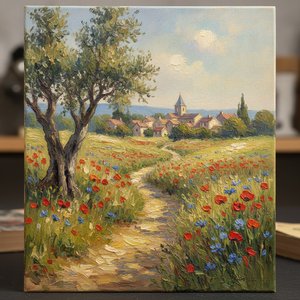
The Timeless Beauty of Oil on Panel: Capturing Light and Texture through the Impressionist Lens
Discover the exquisite depth of oil on panel. Explore how Impressionist masters captured light and texture through tactile brushwork, and learn how to bring these museum-quality, hand-painted masterpieces into your home with expert curation.

The Enduring Legacy of Oil on Canvas: Technique, History & Aesthetic Impact
Explore the rich history & techniques of oil painting – from Renaissance masters to Impressionism. Discover pigments, layering methods, and why this timeless medium endures. Expert insights for artists & art enthusiasts.

The Soul of Impressionism: Why Oil on Canvas Captures Eternal Light and Timeless Emotion
Discover the enchanting alchemy of Impressionism. Explore how the mastery of oil on canvas, through glazing and impasto, captures eternal light and emotion. Perfect for lovers of Monet and Van Gogh seeking the profound depth of hand-painted fine art.
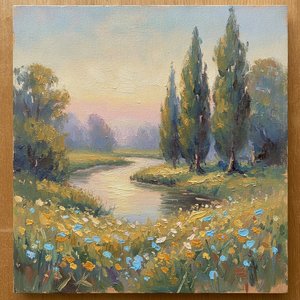
The Timeless Charm of Oil on Board: Reimagining Texture and Light through the Impressionist Lens
Discover the profound intimacy of oil on panel. Explore how Impressionist masters used rigid supports to capture light, texture, and impasto depth through exquisite, handmade oil reproductions for discerning collectors.

Lovis Corinth: Bridging Impressionism & Expressionism – A Study of Artistic Evolution
Explore the fascinating artistic journey of Lovis Corinth, a pivotal figure bridging Impressionism & Expressionism. Discover his evolution, key works, and lasting impact on modern art with OriginalUniqueArt.
