() ·

A painting made for you, by hand

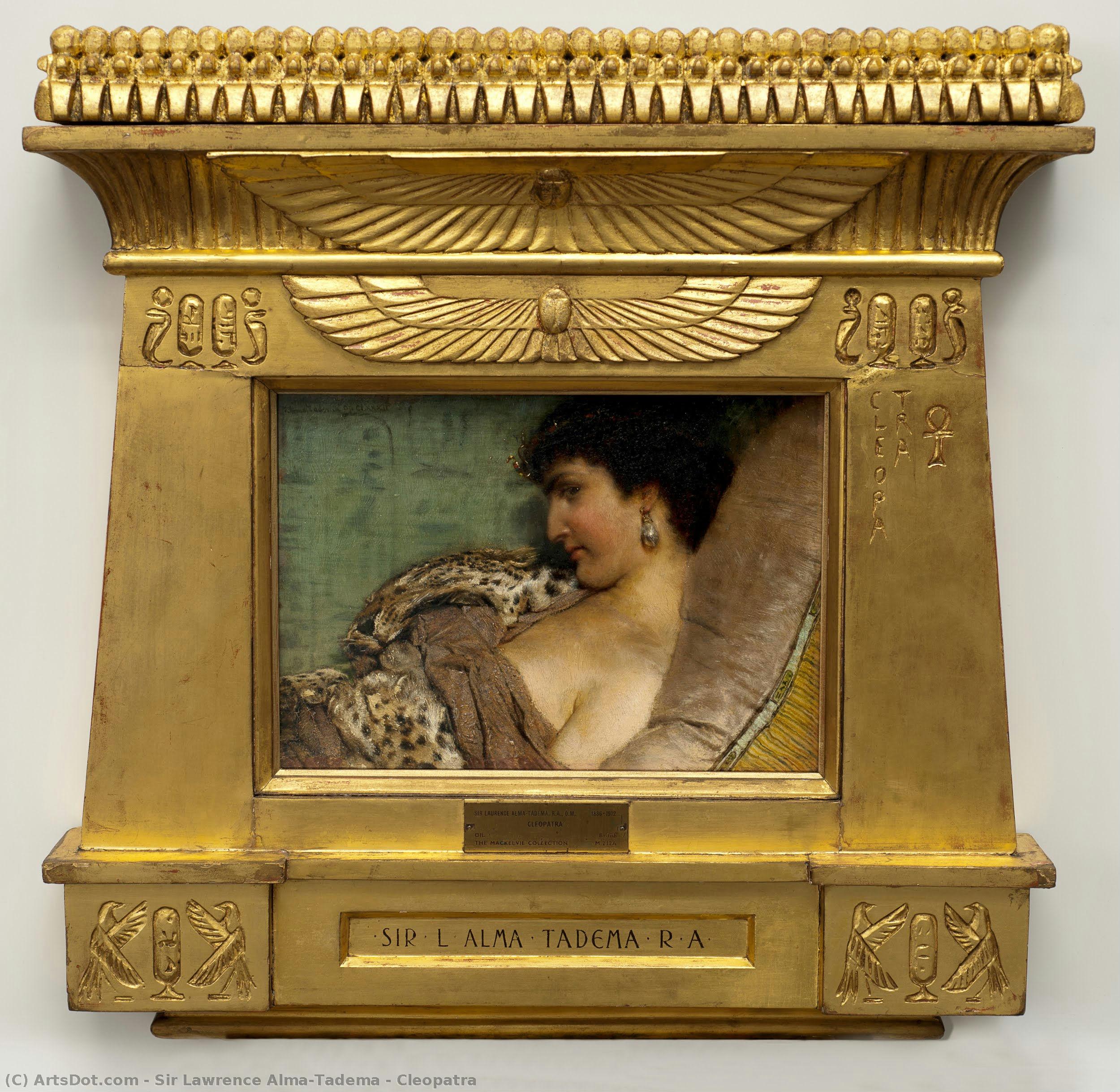
Cleopatra

Rankų darbo aliejinės reprodukcijos

Rankiniu būdu tapytas aliejus ant droblio jūsų pageidaujamame dydį ir rėmuose – tai mūsų menininkų pagal užsakymą sukurtas darbas. ( Perjungti į spausdinamus版作品 Perejti prie skaitmeninių vaizdų)

Kolekcinio objekto aprašas

Admire Lawrence Alma-Tadema's iconic depiction of Cleopatra and Antony’s opulent meeting! Explore the masterful detail & dramatic lighting capturing a pivotal moment in history – a timeless masterpiece.

Autoriaus biografija

Lotras Alma Tadema buvo XIX amžiaus viktorijinis dailėjas, žinomas savo įmantriomis Romos interjero dekoracijomis ir kruopščiu klasikiniu detalėmis – meistras šviesai ir atmosferai! Atraskite jo paveldą.

from ·

Chapter 1

How large should it be?

Slide to change the size; the picture on the left shows the frame at its real width. The proportions of the original are kept.

Standartinis dydis
pagal užsakymą
CM
INCH

Pasirinkite iš mūsų nustatytų dydžių, atitinkančių originalaus meno kūrinio proporcijas.

plotis
aukštis

Įveskite jums reikiamą plotį ir aukštį, kad paveikslas atitiktų jūsų rėmą ar sieną. Kadangi šis darbas yra rankinio darbo, siekiant išgauti kitokios formos dydį, paveikslas gali būti šiek tiek didesnis (nuo kraštų bus palikta daugiau erdvės) arba mažesnis – pasirinkite jums patogiausią variantą. Prieš pradedant tapyti, atsiųsime jums skaitmeninį maketą patvirtinimui. Šioje puslapio nuotraukoje matomas vaizdas nėra galutinis rezultatas – jį parodys tik sukurtas maketas.

Chapter 2

How should it arrive?

Choose the edges of the stretched canvas

Choose your frame

Corner sample of the WhiteWrap canvas edge finish, stretched on solidus medžio

**Improved version:**
solidus medis bars
White €1
Corner sample of the BlurSideWrap canvas edge finish, stretched on solidus medžio

**Improved version:**
solidus medis bars
Blurside €1
Corner sample of the ExtendedWrap canvas edge finish, stretched on solidus medžio

**Improved version:**
solidus medis bars
Extended €1
Corner sample of the P118B picture frame: lieto polistirolo detalės, 5 cm wide and 3 cm thick
P118B €10
Corner sample of the P118H picture frame: lieto polistirolo detalės, 5 cm wide and 3 cm thick
P118H €10
Corner sample of the P118W picture frame: lieto polistirolo detalės, 5 cm wide and 3 cm thick
P118W €10
Corner sample of the P438Z picture frame: lieto polistirolo detalės, 5.5 cm wide and 3.5 cm thick
P438Z €10
Corner sample of the P508JH picture frame: lieto polistirolo detalės, 7 cm wide and 3.5 cm thick
P508JH €12
Corner sample of the P508YH picture frame: lieto polistirolo detalės, 7 cm wide and 3.5 cm thick
P508YH €12
Corner sample of the P805H picture frame: lieto polistirolo detalės, 5 cm wide and 3.5 cm thick
P805H €10
Corner sample of the P805Z picture frame: lieto polistirolo detalės, 5 cm wide and 3.5 cm thick
P805Z €10
Corner sample of the P919BZ picture frame: lieto polistirolo detalės, 7 cm wide and 3.5 cm thick
P919BZ €10
Corner sample of the P919G picture frame: lieto polistirolo detalės, 7 cm wide and 3.5 cm thick
P919G €10
Corner sample of the P919XJ picture frame: lieto polistirolo detalės, 7 cm wide and 3.5 cm thick
P919XJ €10
Corner sample of the P959ZH picture frame: lieto polistirolo detalės, 5 cm wide and 3 cm thick
P959ZH €10
Corner sample of the P968JZ picture frame: lieto polistirolo detalės, 6 cm wide and 4 cm thick
P968JZ €12
Corner sample of the W106C picture frame: solidus medžio

**Improved version:**
solidus medis, 5 cm wide and 3 cm thick
W106C €8
Corner sample of the W218G picture frame: solidus medžio

**Improved version:**
solidus medis, 5 cm wide and 3 cm thick
W218G €10
Corner sample of the W218JH picture frame: solidus medžio

**Improved version:**
solidus medis, 5 cm wide and 3 cm thick
W218JH €8
Corner sample of the W218Y picture frame: solidus medžio

**Improved version:**
solidus medis, 5 cm wide and 3 cm thick
W218Y €10
Corner sample of the W307PJ picture frame: solidus medžio

**Improved version:**
solidus medis, 6 cm wide and 3 cm thick
W307PJ €10
Corner sample of the W316G picture frame: solidus medžio

**Improved version:**
solidus medis, 6 cm wide and 3 cm thick
W316G €10
Corner sample of the W316PJ picture frame: solidus medžio

**Improved version:**
solidus medis, 6 cm wide and 3 cm thick
W316PJ €8
Corner sample of the W316Y picture frame: solidus medžio

**Improved version:**
solidus medis, 6 cm wide and 3 cm thick
W316Y €10
Corner sample of the W398PJ picture frame: solidus medžio

**Improved version:**
solidus medis, 5 cm wide and 3 cm thick
W398PJ €8
Corner sample of the W4111J picture frame: solidus medžio

**Improved version:**
solidus medis, 6.5 cm wide and 3.5 cm thick
W4111J €10
Corner sample of the W500HY picture frame: solidus medžio

**Improved version:**
solidus medis, 7 cm wide and 5 cm thick
W500HY €15
Corner sample of the W500JH picture frame: solidus medžio

**Improved version:**
solidus medis, 7 cm wide and 5 cm thick
W500JH €15
Corner sample of the W692G picture frame: solidus medžio

**Improved version:**
solidus medis, 8 cm wide and 4 cm thick
W692G €12
Corner sample of the W849H picture frame: solidus medžio

**Improved version:**
solidus medis, 5 cm wide and 3 cm thick
W849H €8
Corner sample of the W940BG picture frame: solidus medžio

**Improved version:**
solidus medis, 7.5 cm wide and 4.5 cm thick
W940BG €15
Corner sample of the W953PJ picture frame: solidus medžio

**Improved version:**
solidus medis, 6 cm wide and 3.5 cm thick
W953PJ €8
Corner sample of the H24-GOLD picture frame: medžio skulptūra su gipso sluosniu, 10 cm wide and 6 cm thick
H24-GOLD €30
Corner sample of the H24-SILVER picture frame: medžio skulptūra su gipso sluosniu, 10 cm wide and 6 cm thick
H24-SILVER €30
Corner sample of the H36-GOLD picture frame: medžio skulptūra su gipso sluosniu, 15 cm wide and 6.5 cm thick
H36-GOLD €45
Corner sample of the H36-SILVER picture frame: medžio skulptūra su gipso sluosniu, 15 cm wide and 6.5 cm thick
H36-SILVER €45
Rėmo peržiūra
Įrėmintas

Moulding: . Overall size with the frame: .

Chapter 3

Who paints it, and should anything change?

Examples of what can be changed: Replace face with customer photo; Add pet (e.g., replace cat with dog); Include hidden message in background; Change background landscape or elements.
After order, OriginalUniqueArt.com team will email client for instructions and provide a mockup preview

Pristatymas visame pasaulyje () per 3–4 savaites, o ne įprastai – per 5 savaites. (3 lapkritis). Kokybė lieka nepakeičiama.

Chapter 4

The finishing touches

A nameplate, as in a museum?

Išgraviruotos bronzinės plokštelės detalės

This elegant plaque features the artist's name and the title of the artwork, finely engraved for a timeless presentation.

It is made from bronze with a refined, elegant finish. The text is precisely laser-engraved for a sharp and permanent result. Measuring 9x2 cm, the plaque is compact yet easy to read. It's built to be durable and scratch-resistant, offering a professional, museum-quality look. Mounting is simple thanks to the included adhesive backing.

Skaidrios akrilo plokštelės informacija

The plaque includes essential engraved details such as the artist's name, the title of the artwork, the date it was created, the type of media used-like oil on canvas or watercolor-a brief description of the piece, and a QR code that links to the complete artwork information.

It is crafted from clear acrylic, offering a sleek, modern appearance. The text is UV-engraved in black to ensure strong visual contrast. With a size of 10x15 cm, it ensures optimal readability. It comes equipped with two metal hooks for secure wall mounting. The plaque is designed to be weather-resistant, making it suitable for various environments, and it includes interactive features that work seamlessly with smartphone scanning.

Juodos akrilo plokštelės informacija

This elegant plaque includes engraved information such as the artist's name, the title of the artwork, the date it was created, the type of media used (like oil on canvas or watercolor), a short description of the artwork, and a QR code for quick access to more information.

The plaque itself is made from refined black acrylic with a premium finish. The text is laser-engraved in white for high contrast and readability. Its size is 10x15 cm, designed to be easy to read. It comes with two metal hooks for professional mounting. The design is sleek and fits any interior style. It is also weather-resistant and durable, with built-in digital integration for mobile compatibility.

A protective varnish?

When do you need it?

Chapter 5

Your painting, as you ordered it

Cleopatra

Reprodukcijos technika

Reprodukcijos matmenys

-

Aukščiausios klasės meistras

Daugiau detalių, meistriškumo ir papildomo gamybos laiko

-

Reprodukcijos rėmėjimo parinktys

-

-

Dėl meno kūrinių ar reprodukcijų, kurių bet kuri pusė yra didesnė nei 105 cm (apie 41 inch), rėmas bus siunčiamas kaip išskaidytas surinkimo rinkinys. Šis metodas užtikrina saugų pristatymą ir apsaugo nuo transportavimo metu galimos žalos.

Reikalingas profesionalus surinkimas – tai nėra „pasidaryk pats“ (DIY) produktas.
Rinkinys turi būti surinktas, o drobė išplėsta naudojant patyrį profesionalų rėmininką, medžio klijus (nėra įtraukti į rinkinį), drobės plėšimo kleslę bei presas, kad rėmo rėžiai išliktų tiesūs, kol klijai išdžiūvus. Netinkamas surinkimas arba netolydus drobės įtampa gali negrįžtamai sugadinti meno kūrinį, todėl šie atvejai nėra užtraukiami mūsų garantijos.

  • Į komplektą įeina visi vientisos medienos elementai, tiksliai išpjauti pagal dydį.

  • Surmontinama naudojant pridėtus varžtus bei papildomai reikalingą medžio kliją kampų jungtims, kuris nėra pridėtas ir turi būti parinktas rėmininkui.

  • Reikalingi profesionalūs įrankiai, kurie nėra įtraukti į rinkinį: drobės kėlimo plytelės (stiprintuvai) ir klemiai, laikantys rėmo strygius tiesiu kampu, kol džiūsta lipas.

Svarbu:
Kampų jungtims reikalingi medžio klijai, barams reikia laikyti naudojant presas, kol klijai visiškai išdžiūvės, o surinktam rėmui įtempiamai privilgti būtinos drobės įtempimo plytযুক্ত. Šios priemonės į rinkinį neįtrauktos. Prieš užsakydami šio dydžio rinkinį, rekomenduojame pasimalkoti patyrusiu rėmų meistru.

Pavadinimo lentelė

-

-

Apsauginis lakas

Blizgus lakas (ryškina spalvas, saugo nuo šviesos ir drėgmės)

-

Personalizuoti kūrinį

Ką galima pakeisti (pavyzdžiui): pakeisti veidą klientui skirta nuotrauka; pridėti augintinį (pvz., katę pakeisti šuniu); įtraukti paslėptą žinutę fone; pakeisti fono kraštovaizdį ar elementus.

-

Skubiai

Pristatymas visame pasaulyje () per 3–4 savaites, o ne įprastai – per 5 savaites. (3 lapkritis). Kokybė lieka nepakeičiama.

-

Skubus pristatymas

Pristatymas visame pasaulyje () per 5 weeks. (10 lapkritis).

Įskaičiuota

Bendroji kaina

€ 267

Visos kainos suma € 267

Stiklo variantas prieinamas tik pasirinkus dydį iki 110 cm

Included with every order

  • Nemokamas greitasis pristatymas visame pasaulyje
  • Aukštos kokybės lininis drobė
  • Pilnas siuntimo draudimas
  • Muitinės mokesčių grąžinimo garantija
  • Tikro spalvų atitikimo garantija
  • 100 dienų grąžinimo politika (tik esant įtaigoms)
  • 100% pinigų grąžinimo garantija
  • Nuolaida dideliems užsakymams

A Portrait of Power and Intrigue: Exploring Alma Tadema’s Cleopatra

Lawrence Alma-Tadema's "The Meeting of Antony and Cleopatra," completed in 1877, transcends mere depiction; it embodies the opulent drama of Shakespeare’s iconic tale. More than just a visual record of history, this monumental oil painting delves into psychological complexities and artistic innovation—a testament to Tadema’s mastery of capturing both grandeur and subtle emotion. The artwork's enduring fascination stems from its meticulous attention to detail and its ability to convey the palpable tension between ambition and desire.
  • Subject Matter: The scene portrays Antony and Cleopatra seated at a banquet table, immediately after Cleopatra unveils her audacious gesture—dissolving an earring in wine as a challenge to Antony’s prowess. This moment encapsulates the crux of Shakespeare's narrative and Tadema brilliantly translates it onto canvas.
  • Style & Technique: Tadema adhered rigorously to academic conventions, prioritizing realism and meticulous observation. His technique involved layering thin glazes over toned ground, achieving remarkable luminosity and capturing the textures of fabrics—the sumptuous silks and velvets adorning Cleopatra’s attire are particularly noteworthy. The artist skillfully employs chiaroscuro – dramatic contrasts between light and dark – to sculpt the figures and heighten the theatrical atmosphere.
  • Historical Context: Painted during the Victorian era, “The Meeting” reflects a fascination with classical antiquity and Roman decadence. Tadema meticulously researched historical costumes and interiors, striving for accuracy that would impress discerning audiences. The painting speaks to anxieties about social morality alongside an appreciation for beauty and luxury—a characteristic blend of Victorian sensibilities.
  • Symbolism: Cleopatra’s gesture is laden with symbolic significance. It represents her defiance of convention and her calculated manipulation of Antony's ego, highlighting her intelligence and cunning. The wine symbolizes indulgence and the ephemeral nature of pleasure, mirroring the doomed romance at its core. Furthermore, the opulent setting underscores the vast disparity between power and vulnerability.
  • Emotional Impact: Tadema’s masterful composition compels viewers to contemplate the psychological dynamics between Antony and Cleopatra. The gaze exchanges convey unspoken desires and anxieties—a subtle yet powerful portrayal of human emotion. The painting evokes a sense of grandeur, mystery, and ultimately, tragedy, cementing its place as one of Alma-Tadema's most celebrated achievements.

A Closer Examination: Detail and Composition

The artist’s dedication to realism is evident in every brushstroke. Observe the painstaking rendering of Cleopatra’s jewelry—the pearl earring, painstakingly dissolved in wine—a symbol of her audacious challenge. Tadema's use of color palettes contributes significantly to the painting's mood; cool blues and greens dominate the background, contrasting sharply with the warm hues of Antony’s robes and Cleopatra’s skin tones. The positioning of the figures—Cleopatra seated centrally, Antony slightly angled—creates a dynamic interplay between dominance and vulnerability.

Alma Tadema’s Legacy: Influence and Recognition

Lawrence Alma-Tadema remains an influential figure in Victorian art history. His meticulous approach to depicting classical subjects established him as a pioneer of academic painting, influencing generations of artists. Despite fading popularity during the 20th century, Tadema's work experienced a revival in recent decades, appreciated for its artistic merit and its ability to transport viewers back to a bygone era. Reproductions of “The Meeting” continue to adorn homes and galleries worldwide—a testament to the painting’s enduring beauty and narrative power.

Exploring Reproduction Options

OriginalUniqueArt offers high-quality reproductions of Alma Tadema's "The Meeting of Antony and Cleopatra," meticulously crafted to capture the essence of the original masterpiece. Choose from a range of sizes and framing options to elevate your interior décor and immerse yourself in the captivating world of Victorian art history. Discover the timeless allure of this iconic painting today!

Klausimai ir atsakymai

Kuris menininkas ir koks stilius slypi už „Cleopatra“?

Kūrinį „Cleopatra“ sukūrė Lauras Alma Tademas, pasižymintis Victorian Romanticism stiliumi.

Kokia „Cleopatra“ vieta ir populiarumas Victorian Romanticism veikloje?

Kataloge kūrinys „Cleopatra“ vertinamas kaip Iconic tarp Victorian Romanticism stiliaus darbų.

Kokios temos atsispindi kūrynioje „Cleopatra“ – Lauras Alma Tademas?

„Cleopatra“ – Lauras Alma Tademas temos apima ancient egypt, roman empire, luxury, banquet table, jewelry, drama, shakespeare. Kartu jie apibendrina šio kūrinio tematiką.

More about this painting

Peržiūrėti realaus dydžio版 Peržiūrėti AR realybėje Perjungti į spausdinamus版作品 Perejti prie skaitmeninių vaizdų Pasidalinti
Išsamiau Vadovas Pridėti į mėgstamiausius Atsisiųsti Panašūs eksponatai Rentgeno spindulių nuotrauka Automatinė diorama Q&A Statistika

In numbers

  • 1877the year it was painted
  • 29frames to choose from
  • standard sizes, in its own proportions
  • 5weeks to paint and deliver it
Lauras Alma Tademas

Lauras Alma Tademas

1836 - 1912, Olandija

Quick facts about Lauras Alma Tademas

  • Artistic Movement Or Style: Viktorijinė malba
  • Artists Or Movements Influenced By This Artist: ['Romantizmas']
  • Artists Who Influenced This Artist: ['Louis Jan de Taeye']
  • Date Of Birth: Januaris 8, 1836
  • Date Of Death: Jūnė 25, 1912
  • Full Name: Lourens Alma Tadema
  • Nationality: Nyderlands
  • Notable Artworks:
    • A Kiss
    • Ask Me No More
    • A Coign of Vantage
  • Place Of Birth: Dronryp, Nyderlandai

Autoriaus biografija

Early Life and Artistic Training

Lourens Alma Tadema, later Lawrence Alma Tadema, was born in Dronryp, Friesland, Netherlands, on January 8, 1836. His father, Pieter Jiltes Tadema, a village notary, had three sons by his first marriage, and his mother, Hinke Dirks Brouwer, was the half sister of Pieter’s first wife. The Tadema family moved to Leeuwarden in 1838 where Pieter's position as a notary would be more lucrative. His father died when Laurens was four, leaving his mother with five children: Laurens, his sister, and three boys from his father’s first marriage. Hinke Brouwer had artistic leanings, and decided that drawing lessons should be incorporated into the children’s education. He received his first art training with a local drawing master hired to teach his older half-brothers. It was intended that Laurens would become a lawyer; but in 1851 he suffered a physical and mental breakdown. Diagnosed as consumptive; given only a short time to live, he was allowed to spend his remaining days at his leisure, drawing and painting. Left to his own devices he regained his health and decided to pursue a career as an artist. In 1852 he entered The Royal Academy of Antwerp where he studied early Dutch and Flemish masters, alongside absorbing the meticulous detail demanded by historical accuracy. During Laurens’ four years as a registered student at the Academy, he won several respectable awards. Before leaving school, towards the end of 1855, he became assistant to the painter Louis Jan de Taeye, whose courses in history and historical costume he had greatly enjoyed at the Academy. De Taeye introduced him to books that influenced his desire to portray Merovingian subjects early in his career. He was encouraged to depict historic accuracy in his paintings, a trait for which the artist became known. Laurens Tadema took this criticism very seriously, and it led him to improve his technique and to become the world’s foremost painter of marble and variegated granite.

Exploring Antiquity: Merovingian Mysteries and Egyptian Visions

Laurens Alma Tadema's artistic trajectory began with explorations of Merovingian themes—the Frankish dynasty that ruled after the fall of the Western Roman Empire. These early works, though demonstrating his burgeoning talent for historical detail and narrative composition, didn’t achieve the widespread acclaim he would later find. He was encouraged to depict historic accuracy in his paintings, a trait for which the artist became known. However Merovingian subjects did not have a wide international appeal, so he switched to themes of life in ancient Egypt, then to the classical world of Greece and Rome. This transition wasn't arbitrary; it reflected a growing public appetite for romanticized visions of antiquity, fueled by archaeological discoveries and a Victorian fascination with moral lessons drawn from the past. He was encouraged to depict historic accuracy in his paintings, a trait for which the artist became known. It is perhaps in this series that Laurens Tadema moved by the deepest feeling and the strongest spirit of romance. He was encouraged to depict historic accuracy in his paintings, a trait for which the artist became known.

The Architect of Atmosphere: Detail and Light

What truly set Alma Tadema apart was his unparalleled ability to create atmosphere. He wasn’t just painting objects; he was capturing the very *feeling* of sunlight on marble, the coolness of mosaic floors underfoot, the gentle murmur of fountains in a Roman atrium. This mastery stemmed from an obsessive attention to detail and a deep understanding of materials. He meticulously researched ancient architecture, furniture, and clothing, ensuring that every element within his compositions was historically plausible. But beyond accuracy, he possessed a remarkable talent for rendering light and texture. He wasn’t merely copying what he saw; he was transforming it into something luminous and emotionally resonant. His marble gleamed with a lifelike luminosity, his fabrics flowed with graceful realism, and his water shimmered with captivating clarity. This dedication to verisimilitude wasn’t merely about technical skill; it was about creating an illusion of reality so convincing that viewers felt transported to another time and place. He even went as far as to build miniature models of the settings he intended to paint, ensuring perfect perspective and architectural accuracy.

Victorian Fame and Legacy

Alma Tadema enjoyed immense popularity during his lifetime, becoming a household name and receiving numerous accolades, including knighthood in 1899. However, following his death in 1912, his work fell into relative obscurity. The changing tastes of the early 20th century favored more modernist styles, and Alma Tadema’s meticulous realism seemed out of step with the prevailing artistic trends. It wasn't until the 1960s that a renewed appreciation for his art began to emerge. Scholars and collectors rediscovered the beauty and technical brilliance of his paintings, recognizing him as a master of Victorian art and a significant figure in the history of classical representation. Today, his works are highly sought after by museums and private collectors worldwide, and his influence can be seen in contemporary artists who strive for similar levels of detail and atmospheric realism. He wasn’t just an artist; he was a cultural phenomenon, creating a visual language that continues to resonate today.

Influence Beyond Canvas

Alma Tadema's depictions of Roman life profoundly influenced popular perceptions of antiquity, shaping how generations imagined the world of emperors, gladiators, and philosophers. His meticulous attention to detail inspired costume designers for film and theater.Architects drew inspiration from his renderings of classical buildings.Writers incorporated his imagery into their descriptions of ancient Rome. He wasn’t just an artist; he was a cultural phenomenon, creating a visual language that continues to resonate today.

Trumpa informacija

  • Influences: Romanticism
  • Subject or theme: Ancient Egypt; Romance
  • Artistic style: Academic Painting
  • Notable elements or techniques: Detailed realism; Photorealistic rendering
  • Artist: Lourens Alma Tadema
  • Year: 1877

Karo viktorina

Kiekviename klausime yra tik vienas teisingas atsakymas.

Klausimas 1:
What is the primary subject matter of Lawrence Alma-Tadema’s ‘The Meeting of Antony and Cleopatra’?
Klausimas 2:
According to Plutarch, what is described as ‘sweetness in the tones of her voice’ about Cleopatra?
Klausimas 3:
What was Cleopatra attempting to achieve when she dissolved one of her pearl earrings in wine?
Klausimas 4:
Alma-Tadema’s style is characterized by meticulous attention to detail, particularly in portraying classical architecture and costumes. What artistic movement influenced his approach?
Klausimas 5:
Why did Roman historians later exonerate Antony’s soldiers' ineffectiveness in Cleopatra’s presence?