
 Peržiūrėti realaus dydžio版
 Pasidalinti
 Dalintis
 Išsamiau
 Vadovas

 Atsisiųsti
 Panašūs eksponatai
 Rentgeno spindulių nuotrauka
 Automatinė diorama
 Q&A
Q&A Statistika
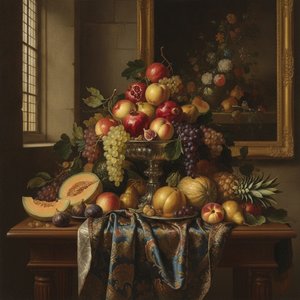
COUPE DE CERISES, PRUNES ET MELON


 Skaityti daugiau
Giclée / Meno spausdinimas
Muziejų lygio „giclée“ arba drobos spausdinimas: greita gamyba ir lankstios apdailos parinktys. ( Pirkti rankų darbo tapybą Perejti prie skaitmeninių vaizdų)




P118B €10

P118H €10

P118W €10

P438Z €10

P508JH €12

P508YH €12

P805H €10

P805Z €10

P919BZ €10

P919G €10

P919XJ €10

P959ZH €10

P968JZ €12

W106C €8

W218G €10

W218JH €8

W218Y €10

W307PJ €10

W316G €10

W316PJ €8

W316Y €10

W398PJ €8

W4111J €10

W500HY €15

W500JH €15

W692G €12

W849H €8

W940BG €15

W953PJ €8




Pasirinkite iš mūsų nustatytų dydžių, atitinkančių originalaus meno kūrinio proporcijas.

Įveskite jums reikiamą plotį ir aukštį, kad atvaizdas derėtų prie jūsų rėmo ar sienos. Spausdiną galima tik sumažinti, bet nepadidinti virš originalaus paveikslėlio dydžio, todėl keičiant proporcijas, dalis vaizdo prarandama. Prieš spausdinimą atsiųsime jums skaitmeninį maketą patvirtinimui. Šioje puslapio nuotraukoje matomas pjūvis nėra tikslus – jį rodo tik maketas.
Pristatymas visame pasaulyje () per 2 weeks, o ne įprastas 4/5 savaičių laikotarpis. (1 lapkritis)

Nemokamas greitasis pristatymas visame pasaulyje

Aukštos kokybės lininis drobė

Pilnas siuntimo draudimas

Muitinės mokesčių grąžinimo garantija

Tikro spalvų atitikimo garantija

100 dienų grąžinimo politika (tik esant įtaigoms)

100% pinigų grąžinimo garantija

Nuolaida dideliems užsakymams
 Stiklo variantas prieinamas tik pasirinkus dydį iki 110 cm

COUPE DE CERISES, PRUNES ET MELON
Giclée / Meno spausdinimas
Reprodukcijos matmenys
-


Bendroji kaina
€ 71
Louise Moillon’s “Coupe de Cerises, Prunes et Melon”: A Baroque Still Life of Quiet Abundance
The painting "Coupe de cerises, prunes et melon" by Louise Moillon, completed around 1633, is more than just a depiction of fruit; it's a meticulously crafted meditation on beauty, abundance, and the fleeting nature of pleasure. Within its deceptively simple composition lies a wealth of Baroque artistry – a masterful blend of Flemish realism, French elegance, and subtle symbolism that continues to captivate viewers centuries later. This intimate still life, now residing within the hallowed halls of the Louvre Museum in Paris, offers a rare glimpse into the world of a pioneering female artist operating within a traditionally male-dominated field.
Moillon’s artistic journey unfolded against the backdrop of 17th-century France, a period marked by religious upheaval and burgeoning artistic innovation. Born into a Huguenot family – refugees fleeing persecution in Holland – her upbringing instilled a deep appreciation for naturalism and symbolic representation, qualities that profoundly shaped her distinctive style. Unlike many of her contemporaries who favored grand historical or mythological scenes, Moillon focused on the quiet beauty of everyday objects, elevating them to an almost sacred level through her painstaking attention to detail and masterful use of light and shadow.
A Symphony of Color and Texture
The painting’s immediate impact is one of serene elegance. Moillon employs a carefully orchestrated palette – a harmonious blend of deep browns, rich reds, vibrant yellows, and muted greens – that draws the eye into the heart of the composition: a gleaming porcelain bowl overflowing with an array of fruits. The cerises, bursting with juicy red color, are strategically placed to command attention, their brightness contrasted against the darker tones of the plums and melon. Moillon’s technique is characterized by an extraordinary level of detail; each fruit – from the velvety texture of the melon rind to the delicate veins on a plum leaf – is rendered with astonishing precision.
The artist's mastery extends beyond mere representation. Moillon skillfully manipulates light and shadow, creating a dramatic chiaroscuro effect that adds depth and volume to the scene. The strong directional lighting, originating from an unseen source above and slightly to the left, casts long, elegant shadows that define the forms of each object, lending them a tangible presence. This masterful use of light not only enhances the visual impact but also evokes a sense of stillness and contemplation – inviting the viewer to linger and appreciate the beauty before them.
Symbolism and Context
Still lifes during the Renaissance and Baroque periods were often imbued with symbolic meaning, representing concepts such as wealth, prosperity, and mortality. In "Coupe de cerises," the abundance of fruit can be interpreted as a symbol of earthly delights – a reminder of the pleasures of life but also a poignant acknowledgment of their transient nature. The carefully arranged composition itself suggests an order and harmony that reflects the ideals of classical art and Renaissance thought.
Furthermore, Moillon’s work is rooted in the artistic traditions of the Netherlands, particularly the Flemish school of painting, which was highly influential in France during this period. The use of trompe l'oeil – a technique designed to create an illusion of three-dimensionality – is evident in the subtle details and realistic textures that contribute to the painting’s overall sense of depth and realism. The placement of the bowl on a dark wooden table, extending into the background, further enhances this effect, blurring the boundaries between the painted world and the viewer's perception.
A Timeless Masterpiece
"Coupe de cerises, prunes et melon" stands as a testament to Louise Moillon’s artistic skill and her ability to capture the essence of beauty in a single image. It is a painting that rewards repeated viewing, revealing new details and nuances with each encounter. More than just a still life, it's a profound meditation on art, nature, and the human experience – a timeless masterpiece that continues to inspire and delight viewers today. Reproductions of this iconic work offer an accessible way to bring its serene elegance into any space, allowing one to appreciate the artistry and symbolism within.
Klausimai ir atsakymai
Kur galiu rasti „COUPE DE CERISES, PRUNES ET MELON“ vadovą?
Dėl „COUPE DE CERISES, PRUNES ET MELON“ – Luiza Moilonas yra prieinama Informacinė medžiaga puslapio: spausdinamas informacinis lapelis apie kūrinį, skirtas studentams ir mokomajamiam procesui klasėje.
Ar „COUPE DE CERISES, PRUNES ET MELON“ yra garsus Baroque kūrinys?
Baroque kryptėje kūrinys „COUPE DE CERISES, PRUNES ET MELON“ pasižymi Recognized populiarumumo lygio.
Kokią vietą Luiza Moilonas pasikartojančių temų tarėje užima „COUPE DE CERISES, PRUNES ET MELON“?
Tarp užfiksuotų Luiza Moilonas temų – dutch golden age influence, abundance & prosperity theme, royal patronage reflected, detailed observation of nature, classic composition, balance, moillon's signature fruit still lifes", part of a prolific output – kūrinys „COUPE DE CERISES, PRUNES ET MELON“ akcentuoja still life, fruit, cherries, plums, melon, baroque, composition, lighting.
Autoriaus biografija
Ramioji Louise Moillon šviesa
Didysis baroko eros epas, pasižymintis dramina ir judėjimu, dažnai dominuoja drobėje, tačiau Louise Moillon kūryba siūlo gilią ir meditatyvią alternatyvą. 1610 m. Paryzuje gimusi Moillon iškelta iš pasaulio, kurį suformuovė intensyvūs religiniai ir kultūriniai pokyčiai XVII amžiaus Prancūzijoje. Jos kilmė pati pasakoja istoriją apie atsigavimą ir meninę paveldą; kaip holandų hugenotų pabėgėlių ketulė, ji buvo įmerusi į tradiciją, vertinančią kruopštį gamtos pasaulio stebėjimą. Ši patirtis suteikė ne tik šeimijos istoriją – ji pasi offered stilistinį kalbą, šaknus ištrauktą iš olandų meistriškumo šviesai, tekstūrai ir simboliniam realizmui.
Moillon ankstyvasis gyvenimas buvo pažymėtas tiek praradimais, tiek giliu meniniu mentorystės poveikiu. Jos tėvo, peizažų paveikslų kūrėjo ir prekybininko Nicolas Moillon, mirtis, kai jai buvo tik dešimt metų, galėjo pakeisti jos kelią, tačiau jos auklėjimas išliko giliai įsiknytęs menui. Po savo pirmūkčio François Garnier, meistriško paveikslų kūrėjo ir prekybininko, vadovavimu, ji tobulino techniką, kuri tapo jos žyminiu ženklu. Jos išsilavinimas nebuvo tik pigmento teprimimas ant drobės, bet pasinerimas į savo laikų humanistines vertybes – mokymasis matyti dieviškumą smulkiuose kyšančio vaisio detalėse ar delikatinėje petalsio lūkyje.
Tekstūros ir šviesos meistriškumas
Tikrasis Moillon genijus slypi jos gebėjime įprastą paversti nepaprasta. Jos kompozicijos pasižymi ramiu ramybe, tyra, kuri kviečia žiūrėją sustoti ir stebėti. Ji turėjo beveik nepaprastą gebėją įamžinti savo temų taktilines savybes – vaškuotą citrono odelę, minkštą persiko pūstalą ar skaidrią sutrinkusios uogos sultis. Tokiuose darbuose kaip Citronų ir Kurasao apgaidų still life baltame daugiagaliame indė, galima pajusti vėsų vaisių drėgmę priešais kietą, glazūruotą porcelano paviršių, kurį sukuria jutika patirtis, viršijanti dvimensionalę plokštumą.
Jos technika buvo giliai įkvėsta protestantų aplinkų natūralistinių tradicijų, kuriose ji gyveno. Šis požiūris rinkosi aiškumą ir tikslumą, o ne teatralines šešėlių žaidimus, būdingas ryškesniems baroko meistrams. Vietoj to Moillon naudojo šviesą savo temoms skulptuoti, taikydama subtilius tonų gradacijas, kad sukurtų tūmį ir gylį. Jos paletė, nors dažnai susikoncentruota į ryškias gamtos spalvas, buvo naudojama su tokia atsargumu, kad kiekviena spalva atrodė šviesni, tarsi iš vidaus apšviesta. Šis meistriškumas leido jai padaryti tiltą tarp paprastos botaninės iliustracijos ir aukštojo meno, įdedant į kiekvieną kūrinį gyvybės ir vitalybės pojūtį.
Palikimas ir istorinė reikšmė
Per savo ilgaeigį gyvenimą, trukusį beveik devyniasdešimt metų, Moillon pasiekė šlovės lygį, kuris buvo retas moterims menininkėms jos laikais. Gebėjimas gauti užsakymus iš prestižinių klientų, įskaitant karališkosios kilniųjų narių, liudija neabejotinę jos kūrybos kokybę ir išmanumą. Nors jos darbai dažnai susikoncentruotavo į intymią still life mastį, jų poveikis buvo platus, reikšmingai prisidedant prie prancūziškos natūralaus mainumo tradicijos vystymo.
Louise Moillon istorinė reikšmė kertasi už jos techninį įgūdį; ji yra gyvybiškas ryšys tarp olandų natūralistinės tradicijos ir augančios XVII amžiaus prancūziškos estetikos. Jos paveikslai tarnauja kaip langai į prarastą Paryžiaus turgužių ir privačių sodų pasaulį, įtraukiant gausos ir trumpalaikio grožio pojūtį. Šiandien jos darbai išlieka brangiais lobiais tokiuose institucijuose kaip Louvre, stundėdami kaip nepaisantys laiko įrodymai apie gyvenimą, skirtą rasti nepaprastą paprastumu.

Luiza Moilonas
1610 - 1696 , Prancūzija
Trumpa informacija
- Artistus, Kurie Paveikė Šį Artistą:
- Isaac Moillon
- François Garnier
- Gimimo Data: Paris, Prancūzija (1610)
- Gimimo Vieta: Paris
- Menų Kryptis Ar Stilius: Baroko natūralusis mainas
- Mirties Data: 1696
- Tautybė: Prancūzė
- Visas Vardas Ir Pavardė: Louise Moillon
- Šį Artistą Įkvėlusios Menininkai Arba Kryptys:
- Michelangelo
- Raphael
- Titian
- Žinomos Kūrinys:
- Aprikosų krepšelis
- SAŠALĖ SU BRAŠIOMIS, SKRVOLE ir MELONA
- Persikų krepšelis su skruvomis ir króvėmis
Susiję straipsniai
Nature's Bounty: The Art History of Fruit Arrangement Masterpieces and the Baroque Still Life Tradition
Explore the profound beauty of fruit arrangement masterpieces. From Dutch Golden Age opulence to Baroque chiaroscuro, discover the art history, symbolism, and timeless elegance of classical still life paintings for the discerning collector.

Baroko meno estetika: kaip suprasti XVII amžiaus dramą, šviesos žaidimą ir dinamišką judesį
Sužinokite baroko meno paslaptis, šviesos ir dramatos techniką. Atskleiskite XVII amžiaus meistriškumą su mūsų ekspertu.

Baroque Classicism: The Grandeur of Order and Drama in 17th-Century Art History
Explore the profound elegance of Baroque Classicism. Discover how 17th-century masters synthesized dramatic emotion with classical order through the lens of the Counter-Reformation and the works of legends like Carlo Maratta and Andrea Sacchi.

Baroko Šedevrai: 10 Menų Simbolių, Apibūdinusių Epoką | OriginalUniqueArt
Atraskite 10 baroko šedevrų, kurie apibrėžė epoką! Karolis Rubenzas, Berninis ir kiti meistrai – jų kūriniai, istorijos bei spalvos. Aukščiausios kokybės dailės reprodukcijos ir interjero įkvėpimas OriginalUniqueArt.com. Išnagrinėkite visą kolekciją internete!

The Bountiful Still Life: Symbolism & Artistic Representation of Fruit Across Art History
Explore the rich history of still life painting & the symbolism of fruit across art movements. Discover masterpieces from Caravaggio to Cézanne with OriginalUniqueArt – expert guidance & museum-quality reproductions.