

 Peržiūrėti realaus dydžio版
 Siųsti
 Dalintis
 Išsamiau
 Gidas
Gidas

 Atsisiųsti
 Panašūs eksponatai
 Rentgeno spindulių nuotrauka
 Diaporama
 Statistika
Women In Conversation

 Rodyti daugiau
Giclée / Meno spausdinimas
Muziejų lygio „giclée“ arba drobos spausdinimas: greita gamyba ir lankstios apdailos parinktys. ( Pirkti rankomis tapytą reprodukciją Perejti prie skaitmeninių vaizdų)




































Pasirinkite iš mūsų nustatytų dydžių, atitinkančių originalaus meno kūrinio proporcijas.

Galite nurodyti savo matmenis, kad vaizdas atitiktų konkretų rėmą ar erdvę. Jei pasirinktas dydis nesutaps su originalaus paveikslėlio proporcijomis, mes arba apkirpsime kūrinį, arba išplėsime vaizdą naudojant veideliu atspindėtą arba vientisą šoną. Skaitmeninis maketas bus išsiųstas jums patvirtinti prieš pradedant gamybą.
Atkreipkite dėmesį, kad ekrane matomas vaizdinys neatspindi tikrojo apkirpimo ar išplėtimo. Tik maketas tiksliai parodytų galutinę kompoziciją.
Nors galima rinktis ir individualius dydžius, rekomenduojame pasirinkti vieną iš išanksti nustatytų matmenų, kad būtų išlaikytos originalios proporcijos.
Pristatymas visame pasaulyje () per 2 weeks, o ne įprastas 4/5 savaičių laikotarpis. (21 rugsėjis)

Nemokamas greitasis pristatymas visame pasaulyje

Aukštos kokybės lininis drobė

Pilnas siuntimo draudimas

Muitinės mokesčių grąžinimo garantija

Tikro spalvų atitikimo garantija

100 dienų grąžinimo politika (tik esant įtaigoms)

100% pinigų grąžinimo garantija

Nuolaida dideliems užsakymams
 Stiklo variantas prieinamas tik pasirinkus dydį iki 110 cm

Women In Conversation
Giclée / Meno spausdinimas
Reprodukcijos dydis
-


Visų pasirinktų variantų kaina
$ 80
Autoriaus biografija
The Formative Years and the Parisian Pursuit
In the quiet landscapes of Verdun, where the echoes of history often linger, Louis Hector Leroux began a journey that would eventually transport him to the very heart of classical antiquity. Born in 1829, his early life was far removed from the gilded halls of the Paris salons; indeed, he spent his formative years mastering the delicate and practical craft of a wigmaker. Yet, beneath this humble apprenticeship lay a burgeoning passion for the line and the brush, nurtured through rigorous instruction at Verdun’s art college where he consistently excelled. These early accolades provided him with a crucial bursary to pursue his true calling in Paris, propelling him into the prestigious École nationale supérieure des Beaux-Arts in 1849. Under the transformative tutelage of François-Édouard Picot, Leroux honed a technique defined by precision and an almost archaeological devotion to detail. He spent years mastering the art of replicating masterpieces, working as a lithographer and illustrator to support his studies, a period of intense discipline that laid the foundation for his future as a chronicler of the past.The Roman Residency and the Néo-Grecs Spirit
The trajectory of Leroux’s career reached a breathtaking zenith with his recognition in the Prix de Rome competition. Securing the second prize in 1857, he embarked on a transformative residency in Rome that would last until 1874, a period that fundamentally reshaped his artistic soul. Immersed in the grandeur of the Eternal City, Leroux became a leading figure of the Néo-Grecs movement, an aesthetic era characterized by a profound reverence for Greek and Roman antiquity. His canvases became windows into a vanished era, specifically focusing on the enigmatic lives of the Vestal Virgins and the architectural majesty of ancient Rome. This was not merely historical illustration; it was a deeply researched, atmospheric revival of classical life. His work during this period was marked by several defining achievements:- Archaeological Precision: A meticulous dedication to researching classical subjects, ensuring that every fold of drapery and every marble column resonated with historical truth.
- Masterful Recreations: Undertaking ambitious commissions for the French state, including a painted copy of Titian’s Sacred and Profane Love.
- Artistic Versatility: Collaborating with the prestigious Gobelins manufactory to breathe life into monumental tapestries that captured the essence of antiquity.
A Legacy Written in Antiquity
Beyond the borders of Italy, Leroux’s wanderlust drove him across the Mediterranean, through Greece, Asia Minor, Turkey, and even into the sun-drenched landscapes of Egypt. Each expedition served to enrich his palette and deepen his understanding of the classical world's vast, interconnected reach. He earned the evocative title of the Painter of Lost Worlds, a name that captures his unique ability to evoke the ghosts of civilizations long gone through light and shadow. His influence extended into the next generation through his daughter, Laura Leroux-Revault, who also pursued the path of the painter. Though time has passed since his death in 1900, the meticulous beauty of his compositions remains a testament to an era when art sought to bridge the gap between the fleeting present and the eternal glory of the ancients.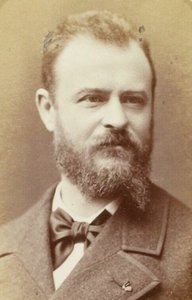
Louis Hector Leroux
1829 - 1900
Trumpa informacija apie kūrėją
- Artistic Movement Or Style: Academic Painting
- Artists Or Movements Influenced By This Artist: ['Neoclassicism']
- Artists Who Influenced This Artist: ['François-Édouard Picot']
- Date Of Birth: December 27, 1829
- Date Of Death: November 11, 1900
- Full Name: Louis Hector Leroux
- Nationality: French
- Notable Artworks:
- Herculaneum
- Sapho de Mitylène
- Coriolan chez les Volsques
- Place Of Birth: Verdun, France