
 Preview
 Pirkti atspaudą Pirkti skaitmeninį paveikslą
 Pasidalinti
 Dalintis
 Išsamiau
 Pridėti į mėgstamiausius

 Atsisiųsti
 Panašūs eksponatai
 Rentgeno nuotrauka
 Automatinė diorama
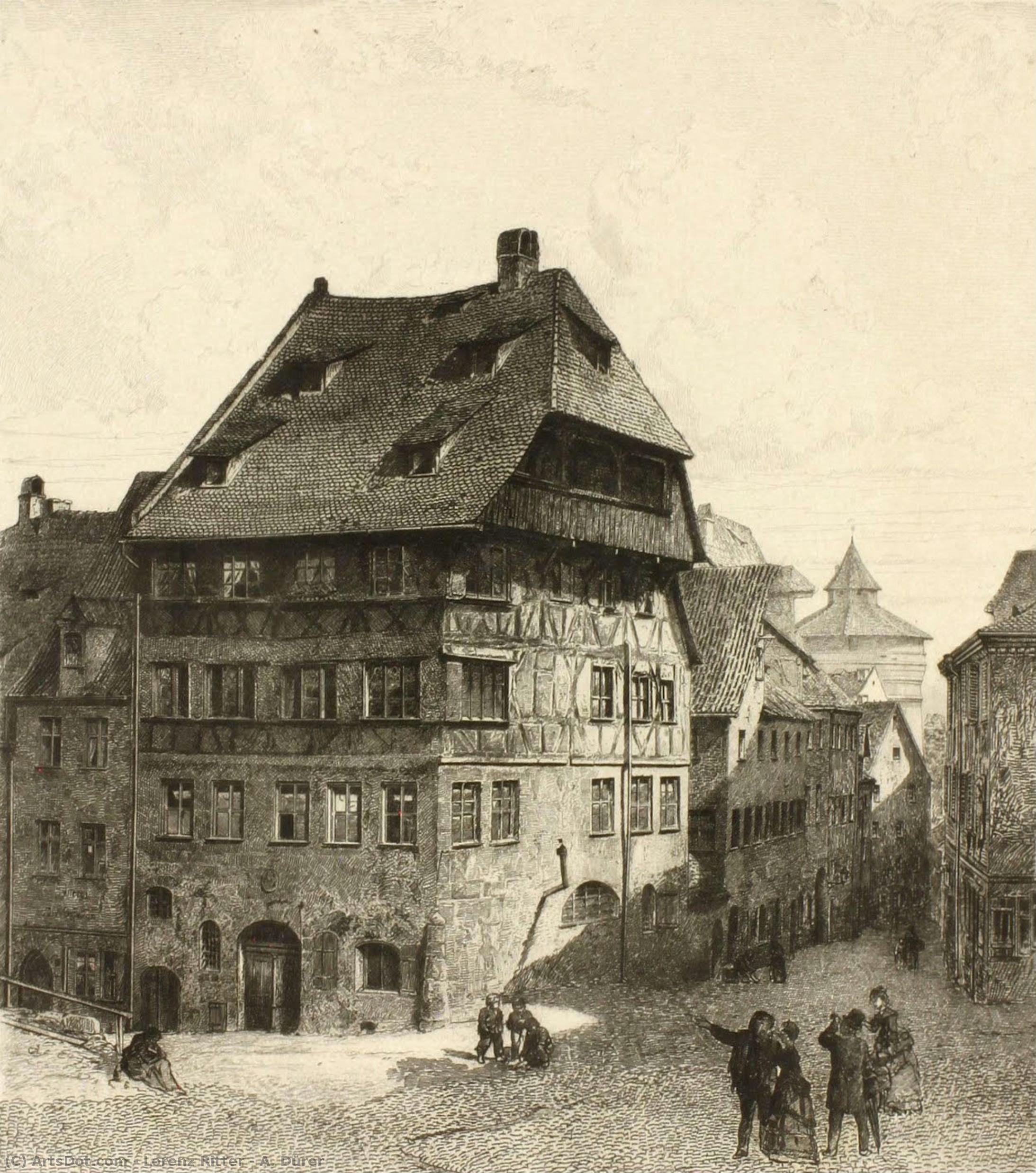
A. Dürer


 Skaityti daugiau
Rankų darbo aliejinės reprodukcijos
Rankiniu būdu tapytas aliejus ant droblio jūsų pageidaujamame dydį ir rėmuose – mūsų menininkų darbas pagal užsakymą.




































Pasirinkite iš mūsų nustatytų dydžių, atitinkančių originalaus meno kūrinio proporcijas.

Galite įvesti savo matmenis, kad jie atitiktų konkretų rėmą ar erdvę. Jei pasirinktas dydis neatitinka originalaus paveikslėlio proporcijų, mes arba apkropsime meno kūrinį, arba papildysime tapybą rankomis dažytい elementais. Prieš pradėdami gamybą, jūsų patvirtinimui atsiųsime skaitmeninį maketą.
Atkreipkite dėmesį, kad ekrane rodomas vaizdas neatspindi tikrojo apkarpymo ar papildymo. Tik maketas tiksliai parodys galutinę kompoziciją.
Nors galima rinktis ir individualius dydžius, rekomenduojame pasirinkti matmenis iš nustatytos sąrašo, kad būtų išlaikytos originalios proporcijos.
Gavus užsakymą, OriginalUniqueArt.com komanda susisieks su klientu el. paštu dėl instrukcijų ir pateiks maketo pavyzdį.
Pristatymas visame pasaulyje () per 3–4 savaites, o ne įprastai – per 5 savaites. (23 liepa). Kokybė lieka nepakeičiama.

Nemokamas greitasis pristatymas visame pasaulyje

Aukštos kokybės lininis drobė

Pilnas siuntimo draudimas

Muitinės mokesčių grąžinimo garantija

Tikro spalvų atitikimo garantija

60 dienų grąžinimo politika (tik esant gamyklinėms defektams)

100% pinigų grąžinimo garantija

Nuolaida už kelias reprodukcijas
 Stiklo variantas prieinamas tik pasirinkus dydį iki 110 cm

A. Dürer
Reprodukcijos technika
Reprodukcijos matmenys
-


Galutinė kaina
-
Kūrinio aprašymas
Autoriaus biografija
Lorenz Ritter: A Painter of Nuremberg’s Soul
Born in the heart of Bavaria, in the historic city of Nuremberg in 1832, Lorenz Ritter dedicated his life to capturing the essence of his homeland through watercolor and etching. His artistic journey, shaped by a rigorous apprenticeship under the esteemed painter Friedrich Heideloff, reveals a deep connection to both the architectural grandeur and the subtle beauty of his surroundings. Ritter’s work isn't merely documentation; it’s an intimate portrayal of Nuremberg’s spirit, reflecting the city’s rich history and enduring charm.
Ritter’s early training instilled in him a strong foundation in traditional German painting techniques. However, he quickly developed his own distinctive style, characterized by a meticulous attention to detail and a remarkable ability to render light and shadow with delicate precision. He particularly excelled at capturing the textures of stone and brick, breathing life into the city's venerable buildings. His watercolors are renowned for their luminous quality, evoking the soft glow of Bavarian sunlight filtering through ancient windows and illuminating cobblestone streets.
Architectural Visions and Northern Italian Influences
A significant portion of Ritter’s oeuvre is devoted to architectural views of Nuremberg. He meticulously documented the city's iconic landmarks – the towering Frauenkirche (Church of Our Lady), the imposing St. Lorenz Church, and the intricate network of medieval streets and squares – revealing a profound respect for his city’s heritage. These etchings aren’t simply technical drawings; they are imbued with a sense of nostalgia and reverence, as if Ritter is inviting viewers to step back in time and experience Nuremberg as it once was.
Beyond Nuremberg, Ritter also ventured north to Italy, where he found inspiration in the region's classical architecture and vibrant landscapes. These travels broadened his artistic horizons and introduced him to new techniques and perspectives. While his Italian subjects are less numerous than his depictions of Nuremberg, they demonstrate a growing confidence and experimentation with color and composition. The influence of Italian Renaissance art is subtly present in his later works, particularly in the use of perspective and the depiction of light.
Family Legacy and Artistic Connections
Lorenz Ritter’s artistic life was intertwined with that of his brother, Paul Ritter, another talented painter who shared a similar passion for capturing the beauty of Bavaria. While their individual styles differed slightly, they undoubtedly benefited from each other's encouragement and support. The Rittter brothers represent a significant artistic lineage within Nuremberg, contributing to the city’s vibrant cultural landscape during the 19th century.
Ritter’s connection to Heideloff was particularly important. Heideloff, a prominent figure in German art, provided Ritter with invaluable guidance and mentorship, shaping his artistic development and introducing him to key figures within the art world. This lineage speaks to the strong tradition of artistic training that flourished in Nuremberg during this period.
A Lasting Impression: Significance and Legacy
Lorenz Ritter’s work holds a special place in Bavarian art history, offering a unique window into the city's past. His meticulous renderings of Nuremberg’s architecture not only document its physical form but also capture its spirit and character. His watercolors, with their delicate colors and subtle nuances, evoke a sense of nostalgia and invite viewers to connect with the city on an emotional level.
Though he lived a relatively quiet life, Lorenz Ritter left behind a substantial body of work that continues to be appreciated for its technical skill, artistic sensitivity, and profound connection to his homeland. His legacy is preserved through the numerous prints and paintings housed in museums throughout Nuremberg and beyond, ensuring that the painter’s vision of this historic city will endure for generations to come. His dedication to capturing the essence of Nuremberg solidifies his place as a key figure in Bavarian art.

lorenz ritter
1832 - 1921 , Germany
Trumpa informacija
- Artistic Movement Or Style: Watercolor & etching
- Artists Who Influenced This Artist: ['Heideloff']
- Date Of Birth: 24 November 1832
- Date Of Death: 3 September 1921
- Full Name: Lorenz Ritter
- Nationality: German
- Notable Artworks: ['Architectural views']
- Place Of Birth: Nuremberg, Germany

