
 Pasidalinti
 Dalintis
 Išsamiau

 Atsisiųsti
 Panašūs eksponatai
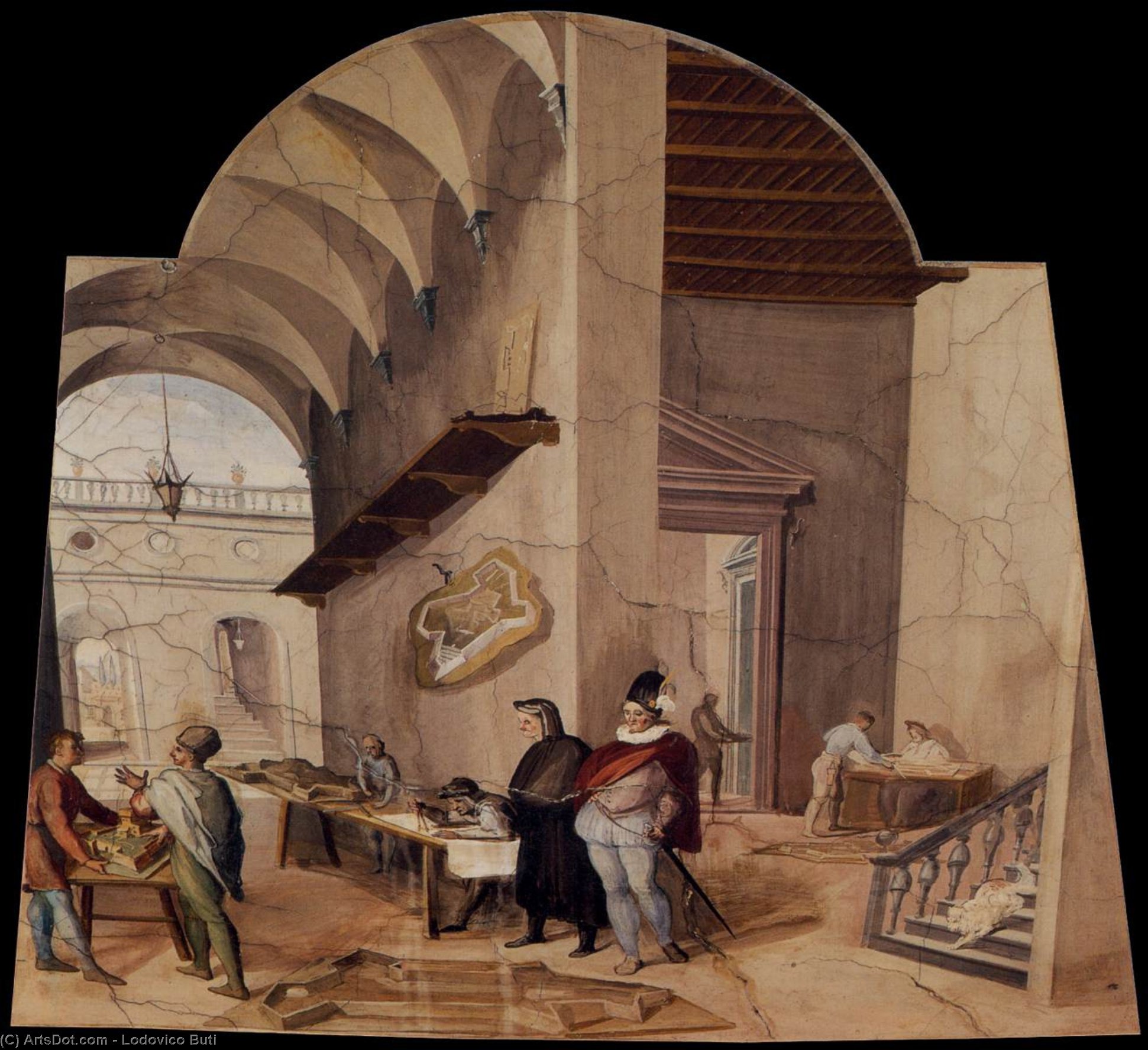
 Automatinė diorama
The Architect


 Skaityti daugiau
Įsigykite aukštos skiriamosios raiškos, patobulintą skaitmeninį vaizdą, gerokai pranašesnį už internetinę peržiūrą.
Kiekvieną failą mūsų specialistai kruopščiai paruošia naudojant pažangias technologijas ir profesionalų rankinį retušavimą. Užtikriname, kad kiekvienas vaizdas pasižymėtų išskirtiniu aiškumu, tikslia spalvų atspalviu ir smulkiomis detalėmis.
Baigiamas failas el. paštu pristatomas per 72 valandas; jis optimizuotas nedelsiant naudojimui profesionalioje, redakcinėje ir spausdinimo aplinkoje. Tai ta pati kokybė, kuria pasitiki aukščiausios klasės dizaino studijos, leidyklos ir galerijos.
Skaitmeninis vaizdas
Atsisiųskite didelės raiškos failą asmeniniam naudojimui, spausdinimui ir kūrybiniams projektams. ( Pirkti spaudinį Pirkti rankomis tapytą paveikslą)
Kiekvieną skaitinio vaizdo užsakymą papildė
Profesionalus skaitmeninis pristatymas, garantuotas
Pasirinkę OriginalUniqueArt.com, jūs ne tik gaunate paveikslėlį – jūs gaunate profesionaliai patobudintą skaitmeninį kūrinį, sukurtą itin tikniai ir užtikrinantį pasitenkinimą. Štai viską, kas automatiškai pritékia jūsų užsakymui:

Greitas siuntimas el. paštu
Jūsų aukštos raiškos skaitmeninis vaizdo failas bus išsiųstas jums el. paštu per 72 valaudas nuo užsakymo – paruoštas naudojimui be jokių papildomų veiksmų.

Skaitmeninis failas su dirbtiniu intelektu
Jūsų meno kūrinys profesionaliai optimizuojamas naudojant pažangius dirbtinio intelekto įrankius ir rankinį redagavimą, užtikrinant maksimalią detalę, aiškumą ir spalvų tikslumą.

Nemokamas visam laikui pakartotinis siuntimas
Atsitiktinai ištrytikote ar praradote savo failą? Nebijokite – bet kuriuo metu atsiųsime jį jums vėl nemokamai.

Jokio importo mokesčio – niekada
Mėgaukitės savo meno kūriniu akimirka – skaitiniai failai visada yra neapmokestinami, todėl nereikės mokėti muitinės, mokesčių ar pristatymo mokesčių.

Spalvų tikslumo garantija
Naudodami profesionalią įrangą ir spalvų valdymo sistemas, užtikriname, kad jūsų skaitmeninis vaizdas kuo tiksliau atspindėtų originalias spalvas.

60 dienų pasitenkinimo garantija
Jei nebuvate patenkinti savo skaitinio vaizdo, per 60 dienų jį pertaisysime arba grąkinsime 100% sumą – be jokių klausimų.

100% pinigų grąžinimo garantija
Nepat 만족inti? Gaukite visą sumokėtą sumą per 60 dienų nuo skaitmeninio failo gavimo – be jokių papildomų klausimų.

Nuolaidos dideliems užsakymams
Pirkti 3 nuotraukas – pasiūla 10% - Pirkti 5 – pasiūla 15% - Pirkti 10 ir daugiau – pasiūla 20%. Puikiai tinka kūrybiniams projektams, galerijoms bei agentūroms.
Kolekcinio objekto aprašymas
The Grand Dialogue of Creation: Exploring "The Architect"
To stand before Lodovico Buti's magnificent fresco, "The Architect," is to step directly into the vibrant intellectual crucible of the High Renaissance. Created in 1558 and housed within the hallowed halls of the Uffizi Gallery, this work transcends mere depiction; it captures a moment—a charged exchange of ideas where vision meets tangible form. The scene unfolds within an architecturally rich space, characterized by soaring ceilings supported by classical columns and graceful arches. It is a visual symphony dedicated to the very act of creation, suggesting that genius itself is not a solitary endeavor but a collaborative dialogue.
Mastery in Technique and Form
Buti’s command over his chosen medium—fresco with tempera and gold accents—is breathtakingly evident. The permanence and subtle luminosity afforded by the fresco technique allow for an astonishing level of detail, making every fold of drapery and every carved cornice feel immediate. Observe the interplay between the figures and their environment; the intricate architectural elements are not mere backdrop but active participants in the narrative. The artist masterfully employs perspective, drawing the viewer's eye deep into the composition while simultaneously grounding us in the intimate conversation taking place in the foreground. It is a testament to Renaissance understanding of proportion, where artifice and reality merge seamlessly.
A Tapestry of Human Interaction
The emotional core of "The Architect" resides within its figures. A man clad in a striking red robe gestures emphatically toward another figure, perhaps the architect himself, who listens with an air of profound contemplation, draped in white. These expressive facial expressions are what breathe life into the scene; they convey not just words spoken, but the weight of intellectual exchange—the thrill of discovery, the gravity of design. In the background, other figures contribute to this bustling atmosphere: one seated at a desk, lost in study, another gazing outward from near a window, perhaps contemplating the structure that lies beyond the palazzo walls. This gathering speaks volumes about the Renaissance reverence for human intellect.
Symbolism and Enduring Inspiration
Beyond its historical documentation of architectural practice, "The Architect" resonates with universal symbolism. It celebrates the synergy between art and science—the melding of aesthetic beauty with structural necessity. The very act depicted suggests that true mastery requires both visionary imagination and rigorous execution. For the modern collector or designer, this piece offers more than decoration; it offers an aspiration. It is a visual reminder that every great undertaking, whether building a palazzo or crafting a life, begins with a compelling conversation between ideas.
Bringing Renaissance Grandeur Home
For those who wish to incorporate the spirit of this masterpiece into your own sanctuary, OriginalUniqueArt.com offers exquisite handmade oil paintings reproductions. Our skilled artisans dedicate themselves to capturing the very essence and luminosity of Buti's original fresco. By choosing one of our replicas, you are not merely acquiring a painting; you are inviting a piece of Renaissance intellectual fervor—a dialogue between genius and material—into your home.
Autoriaus biografija
Ludovico Buti (1560-1611): Venetian Illusionist and Architect of Dreams
Ludovico Buti, born around 1560 in Florence, remains a shadowy figure within the vibrant tapestry of Renaissance art, yet his impact on Venetian decorative arts is undeniable. Despite limited surviving documentation—primarily focused on architectural commissions—scholarly research has illuminated a prolific artist who skillfully blended Mannerist aesthetics with innovative optical illusions and fantastical imagery, establishing him as a pivotal contributor to the artistic landscape of his time.- Early Life & Training: Precise biographical details are scarce. However, evidence suggests Buti’s formative years were spent in Florence under the tutelage of Alessandro Allori, a leading Mannerist sculptor and painter who instilled in him a profound understanding of sculptural form and expressive gesture—elements that would later permeate Buti's architectural designs.
- Venetian Engagement & Architectural Innovation: Buti’s career truly blossomed in Venice during the reign of Charles II. He swiftly gained recognition for his ambitious projects, collaborating with Stefano Buonsignori on monumental interiors at Santa Maria Novella and transforming the Uffizi Gallery into a breathtaking spectacle of illusionistic decoration. His approach to architecture wasn't merely about constructing buildings; it was about crafting immersive experiences that challenged perceptions of space and reality.
Optical Illusion: Mastering Trompe-l’œil Buti’s artistic genius extended beyond mere architectural grandeur; he perfected the art of *trompe-l'œil*, a technique that utilizes illusionistic painting to deceive the eye into perceiving images or textures as if they were real. This masterful manipulation of perspective and shading—exemplified by his celebrated fresco depicting Saint Philip Neri rescuing a drowning youth—demonstrates Buti’s unwavering commitment to pushing artistic boundaries. The intricate detail and subtle distortions within these paintings underscore his profound understanding of visual perception.
- Notable Commissions: Among Buti's most significant undertakings were the decoration of the Map Room and Stanzino delle Matematiche at Santa Maria Novella, where he collaborated with Buonsignori to create a mesmerizing panorama of celestial bodies—a testament to his ambition and artistic vision.
- The Basilica of Our Lady of Humility: Buti’s contribution to the basilica in Pistoia is equally remarkable. His fresco portraying The Annunciation showcases his ability to convey emotion and narrative complexity through masterful brushwork and compositional arrangement.
Influence & Legacy Buti's influence on Venetian art extends beyond his individual commissions. He championed a Mannerist style characterized by dynamism, expressive distortion, and psychological depth—a stylistic hallmark that resonated throughout the artistic milieu of Venice during Charles II’s reign. His pioneering use of optical illusion solidified his position as one of the foremost innovators of his era, inspiring subsequent generations of artists to explore new frontiers of visual representation.
- Continuing Research: Despite the paucity of biographical information, ongoing scholarly investigations continue to refine our understanding of Buti’s artistic output and its significance within the broader context of Renaissance art history. Future research promises to unveil further insights into his life, training, and creative process—solidifying his place as a captivating enigma within the annals of Venetian art.
Concluding Remarks Ludovico Buti’s legacy resides not merely in the grandeur of his architectural achievements but also in his unwavering dedication to artistic experimentation. He remains an artist whose work embodies the spirit of Mannerist innovation—a testament to the transformative power of imagination and technique in shaping visual culture.

lodovico buti
1560 - 1611
Trumpai apie šį kūrėją
- Artistic Movement Or Style: Mannerist
- Date Of Death: after 1611
- Full Name: Ludovico Buti
- Nationality: Italian
- Notable Artworks:
- Study for Saint Philip Neri Rescuing a Drowning Youth
- Optical Illusion with Portraits of Charles II and His Daughter Christine of Lorraine
- Preparation of Gunpowder
- Annunciation
- Place Of Birth: Florence

