- Pradžia

- Skaitmeninis vaizdas
- Lionello Spada
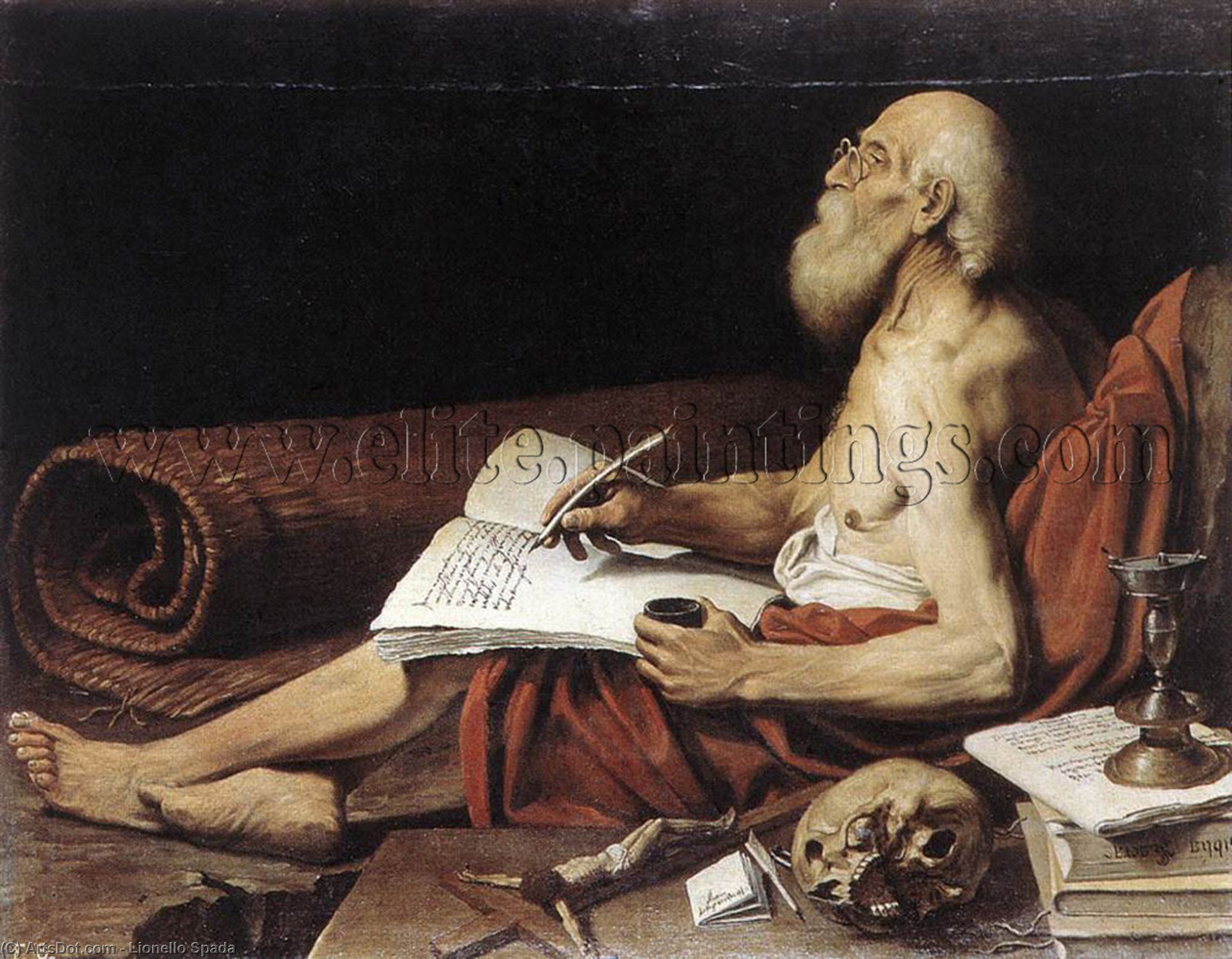
- St Jerome
 Pirkti atspaudą Užsisakyti kopiją
 Pasidalinti
 Dalintis
 Išsamiau
 Pridėti į mėgstamiausius

 Atsisiųsti
 Panašūs eksponatai
 Rentgeno nuotrauka
 Automatinė diorama
St Jerome
 Oil On Canvas
- WallArt
 1610
1610- Early Modern
 112.0 x 143.0 cm
 Galleria Nazionale d’Arte Antica
 Skaityti daugiau
Įsigykite aukštos skiriamosios raiškos, patobulintą skaitmeninį vaizdą, gerokai pranašesnį už internetinę peržiūrą.
Kiekvieną failą mūsų specialistai kruopščiai paruošia naudojant pažangias technologijas ir profesionalų rankinį retušavimą. Užtikriname, kad kiekvienas vaizdas pasižymėtų išskirtiniu aiškumu, tikslia spalvų atspalviu ir smulkiomis detalėmis.
Baigiamas failas el. paštu pristatomas per 72 valandas; jis optimizuotas nedelsiant naudojimui profesionalioje, redakcinėje ir spausdinimo aplinkoje. Tai ta pati kokybė, kuria pasitiki aukščiausios klasės dizaino studijos, leidyklos ir galerijos.
Skaitmeninis vaizdas
Atsisiųskite didelės raiškos failą asmeniniam naudojimui, spausdinimui ir kūrybiniams projektams.
Kiekvieną skaitinio vaizdo užsakymą papildė
Profesionalus skaitmeninis pristatymas, garantuotas
Pasirinkę OriginalUniqueArt.com, jūs ne tik gaunate paveikslėlį – jūs gaunate profesionaliai patobudintą skaitmeninį kūrinį, sukurtą itin tikniai ir užtikrinantį pasitenkinimą. Štai viską, kas automatiškai pritékia jūsų užsakymui:

Greitas siuntimas el. paštu
Jūsų aukštos raiškos skaitmeninis vaizdo failas bus išsiųstas jums el. paštu per 72 valaudas nuo užsakymo – paruoštas naudojimui be jokių papildomų veiksmų.

Skaitmeninis failas su dirbtiniu intelektu
Jūsų meno kūrinys profesionaliai optimizuojamas naudojant pažangius dirbtinio intelekto įrankius ir rankinį redagavimą, užtikrinant maksimalią detalę, aiškumą ir spalvų tikslumą.

Nemokamas visam laikui pakartotinis siuntimas
Atsitiktinai ištrytikote ar praradote savo failą? Nebijokite – bet kuriuo metu atsiųsime jį jums vėl nemokamai.

Jokio importo mokesčio – niekada
Mėgaukitės savo meno kūriniu akimirka – skaitiniai failai visada yra neapmokestinami, todėl nereikės mokėti muitinės, mokesčių ar pristatymo mokesčių.

Spalvų tikslumo garantija
Naudodami profesionalią įrangą ir spalvų valdymo sistemas, užtikriname, kad jūsų skaitmeninis vaizdas kuo tiksliau atspindėtų originalias spalvas.

60 dienų pasitenkinimo garantija
Jei nebuvate patenkinti savo skaitinio vaizdo, per 60 dienų jį pertaisysime arba grąkinsime 100% sumą – be jokių klausimų.

100% pinigų grąžinimo garantija
Nepat 만족inti? Gaukite visą sumokėtą sumą per 60 dienų nuo skaitmeninio failo gavimo – be jokių papildomų klausimų.

Nuolaidos dideliems užsakymams
Pirkti 3 nuotraukas – pasiūla 10% - Pirkti 5 – pasiūla 15% - Pirkti 10 ir daugiau – pasiūla 20%. Puikiai tinka kūrybiniams projektams, galerijoms bei agentūroms.
Autoriaus biografija
The Dramatic Legacy of Lionello Spada
In the vibrant, shadow-drenched landscape of the early seventeenth century, few artists captured the visceral tension of the Baroque era as profoundly as Lionello Spada. Born in Bologna in 1576, Spada emerged as a pivotal figure within the Bolognese school, a movement that sought to balance classical grace with an unprecedented emotional intensity. His life, though tragically brief—concluding with his death in 17 May 1622 at only forty-six years of age—was defined by a relentless pursuit of realism and a mastery over the interplay of light and darkness. To look upon a Spada canvas is to witness the transition from the stylized elegance of Mannerism into the raw, theatrical power of the Caravaggesque revolution.
Spada’s artistic DNA was woven from the finest threads of his era's competing traditions. His early training under Cesare Bagliente provided him with a rigorous foundation in disegno, the disciplined art of drawing and anatomical precision that had been the hallmark of the Renaissance masters. However, it was the atmospheric influence of the Flemish painter Denis Calvaert that truly ignited Spada's creative spirit. Through this connection, the seeds of Caravaggio’s revolutionary naturalism began to take root in his work. This fusion allowed Spada to move beyond mere anatomical accuracy, embracing a style where light does not simply illuminate a scene but actively sculpts it, carving figures out of an encroaching, velvety gloom.
Mastery of Light and Illusion
As Spada’s career matured, he became a master of the theatrical, expanding his repertoire beyond traditional easel painting into the grand, immersive realms of quadratura. Alongside his collaborator Girolamo Curti, Spada specialized in decorative illusionistic painting, a technique designed to dissolve the physical boundaries of walls and ceilings. These works were not merely decorations but architectural transformations, creating vast, celestial vistas that seemed to open the very heavens above aristocratic halls. This ability to manipulate space and perspective demonstrated a technical versatility that few of his contemporaries could match.
His stylistic evolution is marked by several key artistic milestones:
- The Caravaggesque Influence: The adoption of chiaroscuro, using extreme contrasts between light and shadow to heighten the psychological drama of his subjects.
- Anatomical Rigor: A persistent commitment to the structural integrity of the human form, inherited from his early Bolognese training.
- Collaborative Grandeur: The successful execution of large-scale fresco cycles that integrated painting with architectural illusionism.
- Emotional Realism: A departure from idealized beauty in favor of capturing the grit, movement, and raw humanity of biblical and historical narratives.
Historical Significance and Enduring Impact
The significance of Lionello Spada lies in his role as a bridge between eras. He stood at the crossroads where the structured humanism of the Renaissance met the emotive, often turbulent energy of the Baroque. While much of his biographical history remains shrouded by the passage of time, his visual legacy is unmistakable. By synthesizing the meticulous draftsmanship of the Bolognese tradition with the dramatic naturalism of the Caravaggisti, he helped define a new visual language for Europe.
Today, Spada is remembered not merely as a follower of greater masters, but as a visionary in his own right. His works serve as profound windows into a period of intense religious and social transformation, where art was used to provoke awe, inspire piety, and command the senses. Through his mastery of shadow and his ability to breathe life into the painted figure, Spada ensured that the spirit of the Bolognese Baroque would endure long after his untimely passing.

Lionello Spada
1576 - 1622 , Italy
Trumpai apie šį kūrėją
- Artistic Movement Or Style: Baroque
- Artists Or Movements Influenced By This Artist: ['Caravaggio']
- Artists Who Influenced This Artist:
- Ludovico Carracci
- Denis Calvaert
- Date Of Birth: 1576 Bologna Italy
- Date Of Death: 1622
- Full Name: Lionello Spada
- Nationality: Italian
- Notable Artworks:
- Saint Sebastian
- Joseph & Potiphar’s Wife
- Martyrdom of St Peter
- Place Of Birth: Bologna Italy

