Russian Modernism · 1922
Samarkand Sultan (Léon Bakst, 1922)
Léon Bakst (1866–1924) sukūrė Samarkand Sultan. Šis kūrinys datuojamas 1922 m. Šis kūrinys priklaulo Russian Modernism kieruliui. Pagaminta naudojant Ink On Paper.
- 1922
- Ink On Paper

 Peržiūrėti realaus dydžio版

 Rankinio darbo aliejinės imitacijos paveikslas
 Pasidalinti
 Dalintis
 Informacinė l lapelė


 Atsisiųsti
 Panašūs eksponatai
 Rentgeno spindulių nuotrauka
 Automatinė diorama
 问答

 Statistika
Samarkand Sultan, trumpai
- Pavadinimas
- Samarkand Sultan
- Autorius
- Léon Bakst (1866–1924)
- Dizainere/is gimęs
- Gardinas, Baltarusija
- Data
- 1922
- Mediumas
- Ink On Paper
- Judėjimas
- Russian Modernism
- Laikotarpis
- Modern
- Tema
- eastern costume, ornate design, theatrical figure, stylized portrait, vibrant colors, russian culture
Ką vaizduoja Samarkand Sultan?
A Study in Grandeur
In this 1922 work, we encounter a figure of quiet authority, a Samarkand Sultan rendered with a graphic precision that feels both ancient and modern. The subject is centered, filling the frame with a verticality that commands attention without needing to shout. He is draped in a robe of deep reds and blues, a garment defined by its intricate geometric patterns—triangles, diamonds, and stripes that dance across the fabric. There is a certain stillness in his expression, a tranquil gaze that suggests a man accustomed to the weight of his own status. His dark beard is long and neatly kept, providing a sharp contrast to the luminous colors of his attire.
The composition relies on a sophisticated layering of shapes and colors to create a sense of presence. While the perspective remains somewhat flattened, reminiscent of theatrical sketches or costume studies, the use of shading gives the figure a tangible, sculptural quality. The light appears to fall from above, catching the edges of his elaborate headwear and the subtle folds of his sleeves.
The Language of Ornament
The detail in the Sultan's attire reveals a meticulous approach to pattern and texture. The artist uses line and color to suggest materials that one can almost feel through the visual surface:
- A large turban adorned with blue and white beads and a singular, striking white feather.
- Sleeves and hems lined with a soft, heavy fur that adds a sense of tactile luxury.
- A complex arrangement of geometric motifs that break up the saturated fields of color.
This work belongs to the Art Nouveau movement, a period where the boundaries between fine art and decorative design often blurred. The influence of Orientalism is palpable here, not as a mere imitation of the East, but as a way to explore new visual languages through exotic silhouettes and intense color palettes. The use of ink and watercolor allows for a certain fluidity, where bold outlines meet softer, shaded transitions.
A Vision of the Stage
There is an inherent theatricality to this piece, as if we are catching a glimpse of a character just before the curtain rises. The stylized forms and exaggerated features move away from photographic realism, opting instead for a heightened sense of character. It feels less like a portrait of a specific historical individual and more like an exploration of an idea—the idea of power, of ceremony, and of the exotic. The emotional weight of the piece lies in this tension between the graphic, almost two-dimensional quality of the illustration and the profound sense of dignity held in the subject's eyes.
Samarkand Sultan dididraudžios kokybės vaizdai
Viešoji domenė: suregalis mirė 1924 m.
Léon Bakst, Samarkand Sultan (1922). Viešoji domenė.
Atsakimai į klausimus apie Samarkand Sultan
Kokia yra „Samarkand Sultan“ – Léon Bakst kūrybos data?
„Samarkand Sultan“ sukurta 1922 m. Ši data leidžia įvardyti kūrinį Léon Bakst kūrybinėje karjeroje bei jo epochoje.
Kokia technika buvo panaudota kūriniam darbui „Samarkand Sultan“ – Léon Bakst?
Léon Bakst kūriniui „Samarkand Sultan“ panaudojo Ink On Paper techniką. Ši technika apibrėžė originalaus kūrinio medžiaginę prigimtį.
Kas yra „Samarkand Sultan“?
„Samarkand Sultan“ – Léon Bakst vaizdeletas: eastern costume, ornate design, theatrical figure, stylized portrait, vibrant colors, russian culture, decorative art.
Ar „Samarkand Sultan“ yra viešosios teisės kūrinys?
Autorių teisių statusas kūriniui „Samarkand Sultan“ – Léon Bakst: kūrinys priklauso yra viešosios erdvės dalis – jo autorinė teisė pasibaigusi. Tai nulemia, ar galima laisvai reprodukciuoti šį vaizdą.
Kas yra „Samarkand Sultan“ kūrybos autorius?
Kūrinį „Samarkand Sultan“ sukūrė Léon Bakst. Darbas katalogizuojamas Léon Bakst vardu.
Kokio meno kryžmės dalis yra „Samarkand Sultan“ – Léon Bakst?
„Samarkand Sultan“ yra Russian Modernism stiliaus kūrinys. Šis dailos kryptis nurodo meninę tradiciją, kurios šis darbas yra dalis.
Kokio Léon Bakst kūrybos etapo dalis yra „Samarkand Sultan“?
„Samarkand Sultan“ atspindi Léon Bakst kūrybinį laikotarpį Early Modernism.
Kiek metų buvo Léon Bakst, kai sukūrė „Samarkand Sultan“ 1922 m.?
Kai 1922 m. buvo sukurta „Samarkand Sultan“, Léon Bakst – gimęs 1866 m. – buvo 56 metų amžiaus.
Ar Léon Bakst kūrinys „Samarkand Sultan“ yra viešosios nuoslegos ir kodėl?
Autorinės teisės statusas kūriniui „Samarkand Sultan“ – yra viešosios erdvės dalis – jo autorinė teisė pasibaigusi – nustatomas remiantis to, kad menininkas mirė 1924 m.
Apie šį menininką, Léon Bakst
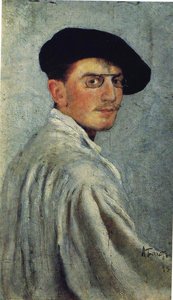
1866–1924, Baltarusija
Léon Bakst
Pradiniai metai ir meninės sukilimo sėklos Gimęs 1866 metais Grodno – mieste, tuo metu buusiame Rusijos Imperijos dalyje – Leyb-Khaim Izrailevich Rosenberg kelionė link meninės šlovės buvo įtraukiantis pasakojimas, supintų natūralų talentą ir visuomenės apribojimus. Nors jo šeima priklausė vidurinienei klasei, ji turėjo ryšių su imperijos dvaru dėl jo senelio, garsaus siuvėjo, kuris sulaukė paties Czaro globos. Ši aplinka jaunąjį Leybą suformavo ne tik jautrumą kultūricos niuansams, bet ir ankstyvą meilę piešliumui, kuri buvo akivaizdžiai įrodyta laimėjus konkursą vos sulaukus dvylkatį. Tačiau šis augantis meninis polinkis iš pradžių susidūrė su tėvų pasipriešinimu, nes jie dvejojo dėl tokio nekonvencionalaus kelio.
Taip pat Léon Bakst darbai
 Žydrė ir gelsenas už grotų
 Operatic costume designs1911
 Costume design for the ballet ''Cleopatra''1909
 Drawing young divinity Narcisse costume, ballet Diaghilev1911
Esdai apie Samarkand Sultan
 The Soft Soul of Art: Exploring the Tactile Beauty and Timeless Narrative of Textile MasterpiecesEmbark on a sensory journey through the tactile beauty of textile art. Explore how thread, silk, and loom weave human history, from ancient…
 French artworks of the 1860s1860s French masterpieces by Édouard Manet, Claude Monet, and Gustave Courbet. View the full collection online at OriginalUniqueArt.com.
 Masterpieces of Emotion: The Top 25 Artworks by Théodore GéricaultExplore 25 iconic works by Théodore Géricault, from Romanticism to his greatest masterpieces. Discover the full collection on OriginalUniqu…