
 Peržiūrėti realaus dydžio版
 Pasidalinti
 Dalintis
 Išsamiau
 Vadovas

 Atsisiųsti
 Panašūs eksponatai
 Rentgeno spindulių nuotrauka
 Automatinė diorama
 问答
问答 Statistika
Peach Blossom

- 76.0 x 65.0 cm


 Skaityti daugiau
Giclée / Meno spausdinimas
Muziejų lygio „giclée“ arba drobos spausdinimas: greita gamyba ir lankstios apdailos parinktys. ( Pirkti rankų darbo tapybą Perejti prie skaitmeninių vaizdų)




P118B €10

P118H €10

P118W €10

P438Z €10

P508JH €12

P508YH €12

P805H €10

P805Z €10

P919BZ €10

P919G €10

P919XJ €10

P959ZH €10

P968JZ €12

W106C €8

W218G €10

W218JH €8

W218Y €10

W307PJ €10

W316G €10

W316PJ €8

W316Y €10

W398PJ €8

W4111J €10

W500HY €15

W500JH €15

W692G €12

W849H €8

W940BG €15

W953PJ €8




Pasirinkite iš mūsų nustatytų dydžių, atitinkančių originalaus meno kūrinio proporcijas.

Įveskite jums reikiamą plotį ir aukštį, kad atvaizdas derėtų prie jūsų rėmo ar sienos. Spausdiną galima tik sumažinti, bet nepadidinti virš originalaus paveikslėlio dydžio, todėl keičiant proporcijas, dalis vaizdo prarandama. Prieš spausdinimą atsiųsime jums skaitmeninį maketą patvirtinimui. Šioje puslapio nuotraukoje matomas pjūvis nėra tikslus – jį rodo tik maketas.
Pristatymas visame pasaulyje () per 2 weeks, o ne įprastas 4/5 savaičių laikotarpis. (8 lapkritis)

Nemokamas greitasis pristatymas visame pasaulyje

Aukštos kokybės lininis drobė

Pilnas siuntimo draudimas

Muitinės mokesčių grąžinimo garantija

Tikro spalvų atitikimo garantija

100 dienų grąžinimo politika (tik esant įtaigoms)

100% pinigų grąžinimo garantija

Nuolaida dideliems užsakymams
 Stiklo variantas prieinamas tik pasirinkus dydį iki 110 cm

Peach Blossom
Giclée / Meno spausdinimas
Reprodukcijos matmenys
-


Bendroji kaina
€ 72
A Symphony of Color and Korean Tradition
In the annals of Korean Modern Art, few works resonate with as much poignant beauty and cultural depth as Lee Jung-seob’s “Peach Blossom.” Created in 1953, this masterpiece serves as a profound meditation on heritage and resilience, capturing a moment of serene natural splendor amidst the turbulent backdrop of post-war Korea. The painting is far more than a mere depiction of nature; it is an evocative exploration of familial bonds and the enduring spirit of a nation seeking peace after years of hardship. Through his masterful hand, Lee Jung-seob invites the viewer into a tranquil sanctuary where the natural world and human emotion intertwine seamlessly.
The artist’s vision is defined by a breathtaking fusion of styles that bridges the gap between ancient tradition and modern expressionism. One can observe the bold, expressive use of color reminiscent of Fauvism, which lends the piece an intense emotional vitality. Yet, this modernity is anchored by elements drawn from the ancient Goguryeo tomb murals, creating a stylistic dialogue between Korea's storied past and its contemporary struggles. By employing oil paints on paper, Lee Jung-seob achieved a meticulous layering of textures and hues, allowing the light to dance across the surface and breathe life into every branch and blossom.
Symbolism and the Harmony of Nature
At the heart of the composition lies a captivating scene of monkeys inhabiting a tree laden with ripe fruit. This is not merely a playful observation of wildlife; it is a carefully constructed tapestry of Korean symbolism. The peaches, heavy on the branches, serve as potent emblems of longevity, prosperity, and good fortune—wishes that reflect a deep-seated desire for familial well-being and national stability. As the monkeys interact with the fruit, their positioning within the sprawling branches suggests a sense of perfect harmony and balance, mirroring the artist's own longing for peace in a fractured era.
The composition is further enriched by subtle details that invite closer inspection. Scattered throughout the scene are apples, some resting on the ground and others still clinging to the tree, adding a sense of abundance and natural rhythm. A solitary bird, perched near the top right corner, watches over this idyllic landscape, completing a cycle of life that feels both eternal and intimate. For the collector or interior designer, this painting offers a profound sense of tranquility, making it an ideal centerpiece for spaces intended to evoke calm, reflection, and a connection to the organic world.
A Legacy of Resilience and Beauty
To understand “Peach Blossom,” one must consider the historical weight carried by its creator. Painted during a period when Korean identity was under constant pressure from colonial influences, Lee Jung-seob’s work stands as an act of cultural resistance. By championing a distinctly Korean aesthetic, he celebrated a national identity that refused to be assimilated. The painting captures a sense of beauty amidst struggle, proving that even in the most difficult historical moments, the human spirit can cultivate gardens of immense grace.
For those seeking to adorn their homes with art that possesses both intellectual depth and aesthetic splendor, this reproduction offers an unparalleled opportunity. It is a piece that transcends decoration; it is a conversation starter, a window into a soul, and a timeless tribute to the enduring power of nature and tradition. Whether placed in a contemporary gallery setting or a classic study, “Peach Blossom” brings with it an atmosphere of playfulness, warmth, and an unforgettable emotional resonance.
Klausimai ir atsakymai
Kokia technika panaudota kūriniui „Peach Blossom"]?
„Peach Blossom“ – Lee Jung-Seob technika – Oil On Paper. Kopijos siekia atkartoti šios technikos vaizdą.
Kokia emocinė nuotaika lydi „Peach Blossom“ kūrinį, priskiriamą Modern Korean Art stiliui?
„Peach Blossom“ pasižymi Calm emociniu tonu, būdingu Modern Korean Art stiliui.
Kokia yra autorinės teisės situacijos priežastis kūriniam darbui „Peach Blossom“ – Lee Jung-Seob?
„Peach Blossom“ – Lee Jung-Seob yra yra viešosios erdvės dalis – jo autorinė teisė pasibaigusi. Autorinės teisės galioja nuo mirties metų, kai šis kūrėjas mirė 1956 m.
Autoriaus biografija
korejos alieுjos tapusi meistras
lee, jung-seob, iškilmingas Pietų K korejos menininkas, paliko neištriniamą pėdsaką pasaulio meno istorijoje savo įtraukiančiais aliejos paveikslais. 1916 metais Pjongannamdo provincijoje, Pietų Koreijoje, gimęs Lee, savo kūrybinę kelią skaldė per inovacijas ir gilią ryšį su savo kultūrine pavarde.meninės įtakos
lee jung-seob yra geriausiai žinomas dėl savo ikoniško kūrinio 'balas olys', kuris yra tikras meistriškos aliejos naudojimo įrodymas. Šis šedevras, kartu su kitais kūriniais, demonstruoja jo unikalią stilių, kuri sujungia tradicinius korejiečių elementus su moderniomis technikomis.- pagrindiniai darbai:
- šeima ir balikraštis (Korejos nacionalinis muziejus, Seulas, Pietų Korea) – jautrus alieja spausgtas ant popieriaus darbas.
- vaikai, žuvys ir krabai (Korejos nacionalinis muziejus, Seulas, Pietų Korea) – akvarelis, parantis Lee universalumą.
- du vaikai ir briedas (Korejos nacionalinis muziejus, Seulas, Pietų Korea) – dar vienas akvarelinio meistriškumo pavyzdys.
- muziejai, eksponuojantys jo kūrybą:
- Korejos nacionalinis muziejus (Seulas, Pietų Korea)
palikimas ir įtaka
lee jung-seob mirtis Seule 1956 metais pažymėjo vieno laikotarpio pabaigą, tačiau kartu atvėrė kelią būsimoms korejiečių menininkų kartoms. Jo įtikai galima rasti daugeliu šiuolaikinių korejiečių dažininkų darbuose. atraskite daugiau lee jung-seob meno: [https://OriginalUniqueArt.com/@/lee-jung-seob](https://OriginalUniqueArt.com/@/lee-jung-seob) | atraskite išsamią jo paveikslų kolekciją OriginalUniqueArt. sužinokite apie kitus žinomus menininkus: /lt/art/list/ | naršykite per didžiausių menininkų sąrašą OriginalUniqueArt.
Lee Jung-Seob
1916 - 1956 , Günyugos Krija
Trumpa informacija
- Artistic Movement Or Style: Moderni korejiečių menas
- Artists Or Movements Influenced By This Artist: ['Fauvizmas']
- Artists Who Influenced This Artist: ['Goguryeo kalvarijų freskos']
- Date Of Birth: 1916 m. balandžio 10 d.
- Date Of Death: 1956 m. rugsėjo 6 d.
- Full Name: Lee Jung-seob
- Nationality: Korejiečių
- Notable Artworks:
- Baltas olys
- Šeima ir balandis
- Vaikai, žuvys ir krabliai
- Place Of Birth: Pyeongannamdo, Korėja
Susiję straipsniai

Oil on Canvas: A Historical & Technical Exploration of a Timeless Artistic Medium
Explore the rich history & enduring techniques of oil painting on canvas. Discover the science behind its longevity, conservation practices, and contemporary relevance. Expert insights for art enthusiasts.

The Enduring Power of Painting: A Historical & Contemporary Exploration of Form and Emotion
Explore the rich history & enduring techniques of oil painting with OriginalUniqueArt. Discover masterpieces, learn about art collecting, and find authentic handmade reproductions crafted by skilled artists.
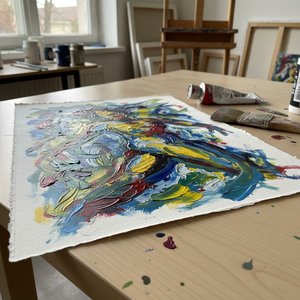
Acrylic on Paper: A Modern Canvas for Contemporary Expression
Explore the versatility of acrylic painting on paper! Discover expert techniques, artist insights & archival practices for creating stunning contemporary art. Learn more at OriginalUniqueArt.

Aliejinės tapybos paveldas drobėje: technika, istorija ir šiuolaikinės praktikos subtilybės
Atraskite aliejinės tapybos paslaptis! Istorija, technika, drobės pasirinkimas ir šiuolaikinė praktika. Patarimai meno kolekcionieriams ir kūrėjams iš ekspertų.

The Enduring Legacy of Oil on Canvas: Technique, History & Aesthetic Impact
Explore the rich history & techniques of oil painting – from Renaissance masters to Impressionism. Discover pigments, layering methods, and why this timeless medium endures. Expert insights for artists & art enthusiasts.