
 Peržiūrėti realaus dydžio版
 Pasidalinti
 Dalintis
 Išsamiau
 Vadovas

 Atsisiųsti
 Panašūs eksponatai
 Rentgeno spindulių nuotrauka
 Automatinė diorama
 问答
问答 Statistika
Demon


 Skaityti daugiau
Giclée / Meno spausdinimas
Muziejų lygio „giclée“ arba drobos spausdinimas: greita gamyba ir lankstios apdailos parinktys. ( Pirkti rankų darbo tapybą Perejti prie skaitmeninių vaizdų)




P118B €10

P118H €10

P118W €10

P438Z €10

P508JH €12

P508YH €12

P805H €10

P805Z €10

P919BZ €10

P919G €10

P919XJ €10

P959ZH €10

P968JZ €12

W106C €8

W218G €10

W218JH €8

W218Y €10

W307PJ €10

W316G €10

W316PJ €8

W316Y €10

W398PJ €8

W4111J €10

W500HY €15

W500JH €15

W692G €12

W849H €8

W940BG €15

W953PJ €8




Pasirinkite iš mūsų nustatytų dydžių, atitinkančių originalaus meno kūrinio proporcijas.

Įveskite jums reikiamą plotį ir aukštį, kad atvaizdas derėtų prie jūsų rėmo ar sienos. Spausdiną galima tik sumažinti, bet nepadidinti virš originalaus paveikslėlio dydžio, todėl keičiant proporcijas, dalis vaizdo prarandama. Prieš spausdinimą atsiųsime jums skaitmeninį maketą patvirtinimui. Šioje puslapio nuotraukoje matomas pjūvis nėra tikslus – jį rodo tik maketas.
Pristatymas visame pasaulyje () per 2 weeks, o ne įprastas 4/5 savaičių laikotarpis. (5 lapkritis)

Nemokamas greitasis pristatymas visame pasaulyje

Aukštos kokybės lininis drobė

Pilnas siuntimo draudimas

Muitinės mokesčių grąžinimo garantija

Tikro spalvų atitikimo garantija

100 dienų grąžinimo politika (tik esant įtaigoms)

100% pinigų grąžinimo garantija

Nuolaida dideliems užsakymams
 Stiklo variantas prieinamas tik pasirinkus dydį iki 110 cm

Demon
Giclée / Meno spausdinimas
Reprodukcijos matmenys
-


Bendroji kaina
€ 72
A Stark Vision of the Unseen: Kazimir Malevich's 'Demon'
Kazimir Malevich’s 1914 painting, “Demon,” is not merely a depiction of a monstrous figure; it’s a visceral exploration of primal fear and the unsettling power of suggestion. Rendered in a deceptively simple style—bold black outlines against a bleached-white backdrop—the artwork immediately commands attention with its raw intensity. This isn't the polished, idealized representation of art history; instead, we encounter a world stripped bare to its essential elements, echoing the nascent principles of Suprematism and hinting at the anxieties simmering beneath the surface of early 20th-century Europe.
The composition is dominated by the central demon itself. Its elongated form, with disproportionately large head, pointed ears, and a gaping mouth, evokes a sense of grotesque power. Malevich’s deliberate use of thick black lines doesn't simply define the figure; they pulsate with energy, creating an immediate and unsettling visual impact. The simplification of features—the vacant eyes, the sharp angles—heightens the feeling of otherworldliness, as if we are glimpsing a being from beyond our comprehension. Crucially, the painting’s stark palette – primarily black and off-white – amplifies this effect, creating an atmosphere of profound isolation and dread.
The Language of Symbols: Cyrillic Text and Spiritual Weight
What initially appears as a minimalist composition is profoundly enriched by the dense field of Cyrillic text that dominates the right side of the canvas. This isn’t mere decoration; it's integral to understanding the artwork’s meaning. While the exact translation remains debated, scholars believe this incantation or narrative likely served as a key to unlocking the demon’s nature and purpose within Malevich’s artistic vision. The inclusion of text adds layers of mystery, suggesting a connection between the visual image and a deeper spiritual or occult context – reflecting the prevalent interest in mysticism and the supernatural during that period.
The choice of Cyrillic script is particularly significant given Malevich's Ukrainian heritage and the painting’s creation during a time of shifting national identities. It subtly connects the artwork to Eastern European folklore and traditions, hinting at ancient beliefs surrounding demons and spirits. The text acts as a conduit, inviting the viewer to actively participate in deciphering the demon’s story – transforming the image from a static representation into an interactive experience.
Roots in Expressionism and the Dawn of Suprematism
“Demon” sits at a fascinating crossroads within art history. While undeniably influenced by the raw emotionality of Expressionism—evident in its distorted forms and unsettling subject matter—it also anticipates the revolutionary principles of Suprematism, which Malevich would later fully develop. The painting’s emphasis on pure form, reduced to its essential elements, foreshadows his later explorations of geometric abstraction. Malevich's early exposure to folk art, combined with a desire for modern expression, formed the foundation of his unique style. This piece demonstrates that journey—a deliberate move away from representational forms towards a purely abstract and spiritual realm.
Considering Malevich’s biography – born in Kyiv Oblast, Ukraine – adds another layer of complexity to the work. The painting can be viewed as a reflection on the anxieties and uncertainties of a nation undergoing rapid change and grappling with its identity. The demon, therefore, becomes not just a supernatural entity but also a symbol of internal conflict and the darker aspects of human nature.
A Legacy of Shadow and Form
“Demon” is more than simply a depiction of a frightening figure; it’s a profound meditation on fear, spirituality, and the power of visual language. Reproductions of this artwork offer a unique opportunity to experience Malevich's groundbreaking vision – a stark reminder that art can be both unsettling and deeply evocative. Its enduring appeal lies in its ability to tap into our primal anxieties while simultaneously pushing the boundaries of artistic expression.
Klausimai ir atsakymai
Kokia „Demon“ – Kazimieras Malevičius emocinė nuotaika?
„Demon“ siejama su Mysterious jausmu. Emocinis tonas aprašo įspūdį, kurį sukelia kūrinys.
Koks kontrastas yra darbe „Demon“ – Kazimieras Malevičius?
Šviesos ir tamsos kontrastas kūriniame „Demon“ yra nurodytas kaip Statement. Kontrastas aprašo, kaip stipriai skiriasi šviesios ir tamsios sritys.
Kokia spalvų intensyvumas pasižymi „Demon“ – Kazimieras Malevičius?
„Demon“ – Kazimieras Malevičius spalvų nasyginimas yra Muted. Nasyginimas apibūdina, kokių spalvos yra ryškių arba išblukusių.
Autoriaus biografija
Kazimir Malevičius: Abstraktaus meno pionierius
Ankstyvasis gyvenimas ir įtakos
- 1878 m. Ukrainoje, Kyjė Oblastuje, gimęs Kazimiras Severinovičius Malevičius augo lenkų šeimoje, o jo ankstyvąjį gyvenimą formavo kaukas kaimiški Ukrainos kraštas ir jo turtinga liaudies kultūra.
- Šis vaikystės laikotarpis įsidėmėjo vertinimu tradiciniams meninei ekspresijos būdams, kurie vėliau subtiliai paveikė jo kūrybinį kelią.
- Nors oficialus mokymasis prasidėjo Kyjuje, Malevičius greitai ieškojo platesnių meninių horizontų, keliavo link Maskvos ir galiausiai prisijungė prie spartai vystančių Europos avangardo judėjimų.
- Pagrindinės įtakos: Ankstyvasis susidavimas su liaudies menu, kartu su troškimu moderniai ekspresijai, tapo jo unikalaus stiliaus pagrindu.
Meninė evoliucija ir pagrindiniai judėjimai
- Pradžioje Malevičius tyrinėjo įvairius stilius, įskaitant impresionizmą, simbolizmą, fauvizmą ir kubizmą. Lemiamą svarbią naudą jo kūrybai atliko 1912 m. lankytas Paryžius, kuris atvėrė jam paskutinius Europos meno pokyčius.
- Jis palaipsniui atsisakė vaizduojamųjų formų, siekdamas rasti gryną meninį kalbą, pagrįstą geometrinėmis formomis ir spalvomis.
- Tai paskatino apie 1915 m. susikūrintą suprematizmą – abstraklaus meno judėjimą, orientuotą į „gryviossios jausmo viršenybę“ menėje.
- Suprematizmas atsisakė bet kokio bandymo vaizduoti objektai iš matomosios pasaulio, priešingai – prioritetą teikdamas pagrindinėms geometrinės formoms, tokioms kaip kvadratams, ratams ir stačiagampiams.
Didieji pasiekimai ir žinomos kūriniai
- Juodasis kvadratas (1915): Tikriausiai jo garsiausias kūrinys, reprezentuojantis radikalų atsiskyrimą nuo tradicinio meno ir laikomas fundamentaliu abstrakčiosios tapybos elementu.
- Baltas ant balto (1918): Serija, tyrinėjanti formos ir spalvos grynumą, kurioje baltos geometrinės formos iškyla ant balto fono – taip stūmėdamos abstraktumą į jo ribas.
- Stroyuschiysya dom [Statomas namas] (1916): Ankstyvasis suprematizmo pavyzdys, parodantis jo unikalų žvilgsnį į Ukrainos kultūrą per abstrakčias formas.
- Jis taip pat plačiai rašė apie meno teoriją, išaiškindamas filosofinius supratimus, kurie stovi už suprematizmo, ir advocated su naują meninę sąmonę.
Istorinė reikšmė ir palikimas
- Malevičiaus kūryba kruopščiai paveikė 20-ojo amžiaus abstraktaus meno vystymąsi, įtakodama tokius judėjimus kaip minimalizmas ir konstruktyvizmas. >$He challenged conventional notions of representation and paved the way for non-objective art.
- Jis iššūkį metė įprastoms vaizduojamosios meno koncepcijoms ir atvėrė kelią neobjektyviam menui.
- Jo idėjos apie gryvąjį jausmą ir geometrinį abstraktumą ir šiandien kelia emocinę rezonansą menininkams.
- Nepaisant politinio persekiojimo Stalino vadovavimo laikais – kai iš pradžių buvo palaikomas, o vėliau slopinamas – Malevičius tvirtai laikėsi savo praktikos ir mokymo.
- Įtaka vėlesniems menininkams: Jis tiesiogiai paveikė tokius menininkus kaip El Lisickį ir netiesiogiai suformavo daugybę kitų per neblėstantį suprematizmo palikimą.
Vėlesnieji metai ir mirtis
- Vėlesniaisiais metais Malevičius grįžo prie figūratyvios tapybos, bandydamas suderinti savo abstrakčias principas su vaizduojamosiomis formomis.
- Jis toliau mokė ir rašė apie meną iki savo mirties Leningrade (dabar St. Peterburgas) 1935 m.
- Po jo mirties jo kūriniai dešimtmečius išliko santykinai mažai žinomi, tačiau 20-ojo amžiaus antrąją pusę susidenavo susidomėjimo banga, užtvirtinant jo vietą kaip vienos svarbiausių figūrų modernios meno istorijoje.

Kazimieras Malevičius
1878 - 1935 , Ukraina
Trumpa informacija
- Artistic Movement Or Style: Suprematizmas, Abstrakcija
- Artists Or Movements Influenced By This Artist:
- Minimalizmas
- Konstruktyvizmas
- Elis Lisiskis
- Artists Who Influenced This Artist:
- Kubizmas
- Fovizmas
- Impresionizmas
- Date Of Birth: 1878-02-23
- Date Of Death: 1935-05-15
- Full Name: Kazimiras Malevičius
- Nationality: Ukrainietis/Rusas
- Notable Artworks:
- Juodasis kvadratas
- Baltas ant balto
- Namų statybos
- Place Of Birth: Kijevas, Ukraina
Susiję straipsniai

Kazimiro Malevičiaus Šedevrai: 25 Išskirtiniai Kūriniai Jūsų Interjerui
Atraskite 25 įspūdingiausius Kazimiro Malevičiaus kūrinius! Suprematizmo meistras, Juodas kvadratas ir kiti šedevrai. Įkvėpkite interjero idėjų su abstraktaus meno reprodukcijomis – OriginalUniqueArt.com

Geometrinės Abstrakcijos Šedevrai: 10 Kūrinių, Pakeitusių Meną | OriginalUniqueArt.com
Atraskite 10 geometrinės abstrakcijos šedevrų – nuo Mondriano iki Malevičiaus! Sužinokite apie Piet Mondrian, Kazimir Malevič ir kitus menininkus. Meno kūriniai jūsų interjerui | OriginalUniqueArt.com

Mastering Abstraction: The 25 Most Iconic Works by Wassily Kandinsky
Explore 25 iconic Kandinsky masterpieces and the birth of abstraction. Discover the full collection online at OriginalUniqueArt.com.

Top 10 Abstraktus Ekspresionizmas: Simboliai ir Grožio Paslaptys
Atraskite 10 legendinių abstraktus ekspresionizmo kūrinių! Pažinkite Pollocko, Rothko ir kitų genijų istorijas bei jų spalvingas meno interpretacijas. Puikios meninės reprodukcijos jūsų namams – OriginalUniqueArt.com
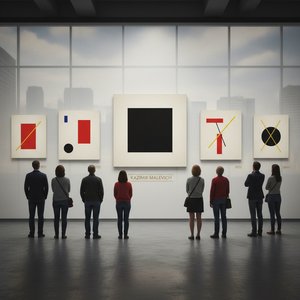
Kazimir Malevich: Pioneering Suprematism & the Quest for Non-Objective Art
Explore the revolutionary art of Kazimir Malevich & his groundbreaking Suprematism movement. Discover the origins, core principles, and lasting impact of this pivotal force in modern abstract painting.


