
 Peržiūrėti realybėje
 Pasidalinti
 Dalintis
 Išsamiau

 Atsisiųsti
 Panašūs eksponatai
 Rentgeno nuotrauka
 Automatinė diorama
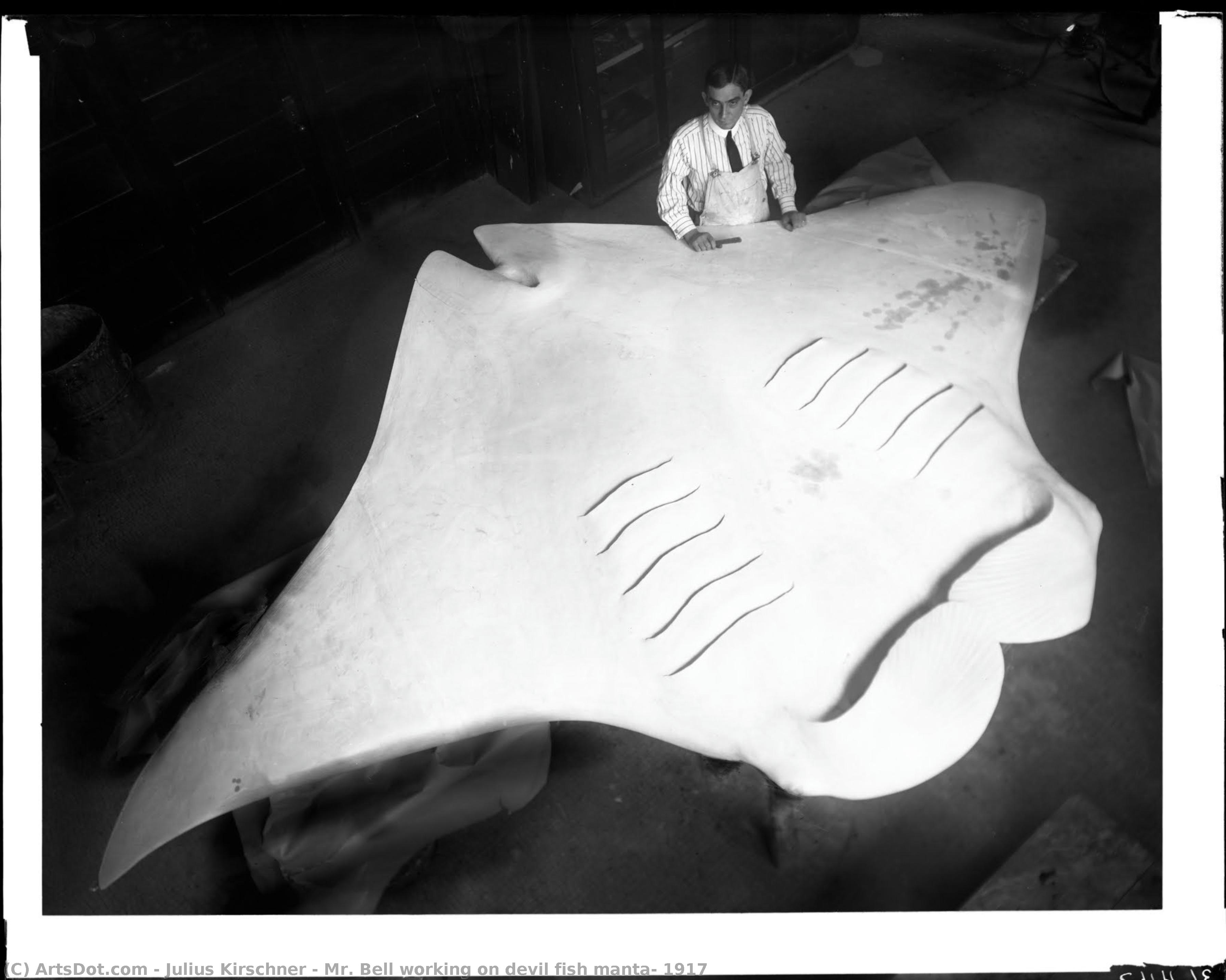
Mr. Bell working on devil fish manta, 1917

 Skaityti daugiau
Giclée / Meno spausdinimas
Muziejų lygio „giclée“ arba drobos spausdinimas: greita gamyba ir lankstios apdailos parinktys. ( Pirkti rankomis tapytą paveikslą Pirkti vaizdą)




































Pasirinkite iš mūsų nustatytų dydžių, atitinkančių originalaus meno kūrinio proporcijas.

Galite nurodyti savo matmenis, kad vaizdas atitiktų konkretų rėmą ar erdvę. Jei pasirinktas dydis nesutaps su originalaus paveikslėlio proporcijomis, mes arba apkirpsime kūrinį, arba išplėsime vaizdą naudojant veideliu atspindėtą arba vientisą šoną. Skaitmeninis maketas bus išsiųstas jums patvirtinti prieš pradedant gamybą.
Atkreipkite dėmesį, kad ekrane matomas vaizdinys neatspindi tikrojo apkirpimo ar išplėtimo. Tik maketas tiksliai parodytų galutinę kompoziciją.
Nors galima rinktis ir individualius dydžius, rekomenduojame pasirinkti vieną iš išanksti nustatytų matmenų, kad būtų išlaikytos originalios proporcijos.
Pristatymas visame pasaulyje () per 2 weeks, o ne įprastas 4/5 savaičių laikotarpis. (15 rugpjūtis)

Nemokamas greitasis pristatymas visame pasaulyje

Aukštos kokybės lininis drobė

Pilnas siuntimo draudimas

Muitinės mokesčių grąžinimo garantija

Tikro spalvų atitikimo garantija

60 dienų grąžinimo politika (tik esant gamyklinėms defektams)

100% pinigų grąžinimo garantija

Nuolaida už kelias reprodukcijas
 Stiklo variantas prieinamas tik pasirinkus dydį iki 110 cm

Mr. Bell working on devil fish manta, 1917
Giclée / Meno spausdinimas
Reprodukcijos matmenys
-


Galutinė kaina
$ 80
Autoriaus biografija
Julius Mordecai Kirschner: Pioneer of Atmospheric Light and Model Construction
Julius Mordecai Kirschner (1876 – 1953) stands as a singular figure in American art history, recognized primarily for his groundbreaking approach to model construction—specifically, meticulously crafted representations of natural phenomena like giant sequoias and manta rays. While overshadowed by the Impressionist movement’s more celebrated luminaries, Kirschner's dedication to scientific observation combined with artistic sensitivity yielded works that continue to fascinate scholars and collectors alike.
Born in Brooklyn, New York, Kirschner pursued a formal education at Pratt Institute, honing his skills in architectural drafting before embarking on a career as an illustrator. However, it was his fascination with the natural world—fueled by expeditions to Yosemite National Park—that irrevocably shaped his artistic vision. Unlike many of his contemporaries who sought solely to capture fleeting impressions of light and color, Kirschner meticulously documented subjects through detailed drawings and, crucially, painstakingly constructed models that aimed to recreate their essence.
- Early Influences: Kirschner’s formative years were marked by exposure to the works of Gustave Dore and Alexandre Cabanel, artists whose dramatic compositions instilled in him a profound appreciation for narrative storytelling and sculptural form.
- Yosemite Expeditions (1908-1917): These expeditions proved pivotal in establishing Kirschner’s distinctive technique. He painstakingly recreated the colossal sequoias of Yosemite using plaster, burlap, and pigment—a process that demanded immense patience and precision. The resulting models weren't merely reproductions; they were attempts to convey the grandeur and complexity of these ancient trees.
- Devil Fish Manta Model Construction: Kirschner’s most ambitious project involved recreating a manta ray specimen brought back from Hawaii. This undertaking showcased his mastery of model construction, demonstrating an unparalleled understanding of anatomy and texture. The meticulous detail captured in this model—particularly the movement of the pectoral fins—became emblematic of Kirschner's artistic philosophy.
Kirschner’s work transcended mere technical accomplishment; it embodied a humanist impulse to engage with the natural world on an intellectual and emotional level. He believed that art could illuminate scientific truths while simultaneously inspiring awe and wonder. His models served as invaluable tools for disseminating knowledge about botany and zoology, contributing significantly to the burgeoning field of paleontology.
Despite facing challenges during the Great Depression, Kirschner continued his artistic pursuits until his death in 1953. Today, his monumental model constructions—particularly ‘Devil Fish Manta’ and ‘Giant Sequoia’—remain treasured artifacts of American art history, representing a unique synthesis of scientific observation and artistic expression.

julius kirschner
United States of America
Trumpa informacija
- Artistic Movement Or Style: Early American Impressionism
- Date Of Death: Living
- Full Name: Julius Mordecai Kirschner
- Nationality: American
- Notable Artworks:
- Devil Fish Manta
- Giant Sequoia
- Place Of Birth: United States

