
 Peržiūrėti realaus dydžio版
 Pasidalinti
 Dalintis
 Išsamiau
 Vadovas

 Atsisiųsti
 Panašūs eksponatai
 Rentgeno spindulių nuotrauka
 Automatinė diorama
 问答
问答 Statistika
BORDS DE RIVIERE


 Skaityti daugiau
Giclée / Meno spausdinimas
Muziejų lygio „giclée“ arba drobos spausdinimas: greita gamyba ir lankstios apdailos parinktys. ( Pirkti rankų darbo tapybą Perejti prie skaitmeninių vaizdų)




P118B €10

P118H €10

P118W €10

P438Z €10

P508JH €12

P508YH €12

P805H €10

P805Z €10

P919BZ €10

P919G €10

P919XJ €10

P959ZH €10

P968JZ €12

W106C €8

W218G €10

W218JH €8

W218Y €10

W307PJ €10

W316G €10

W316PJ €8

W316Y €10

W398PJ €8

W4111J €10

W500HY €15

W500JH €15

W692G €12

W849H €8

W940BG €15

W953PJ €8




Pasirinkite iš mūsų nustatytų dydžių, atitinkančių originalaus meno kūrinio proporcijas.

Įveskite jums reikiamą plotį ir aukštį, kad atvaizdas derėtų prie jūsų rėmo ar sienos. Spausdiną galima tik sumažinti, bet nepadidinti virš originalaus paveikslėlio dydžio, todėl keičiant proporcijas, dalis vaizdo prarandama. Prieš spausdinimą atsiųsime jums skaitmeninį maketą patvirtinimui. Šioje puslapio nuotraukoje matomas pjūvis nėra tikslus – jį rodo tik maketas.
Pristatymas visame pasaulyje () per 2 weeks, o ne įprastas 4/5 savaičių laikotarpis. (7 lapkritis)

Nemokamas greitasis pristatymas visame pasaulyje

Aukštos kokybės lininis drobė

Pilnas siuntimo draudimas

Muitinės mokesčių grąžinimo garantija

Tikro spalvų atitikimo garantija

100 dienų grąžinimo politika (tik esant įtaigoms)

100% pinigų grąžinimo garantija

Nuolaida dideliems užsakymams
 Stiklo variantas prieinamas tik pasirinkus dydį iki 110 cm

BORDS DE RIVIERE
Giclée / Meno spausdinimas
Reprodukcijos matmenys
-


Bendroji kaina
€ 72
A Symphony of Dusk: Jules Dupré’s “Bords de Rivière”
Jules Dupré's "Bords de Rivière" – translating roughly as “Riverbanks” – isn’t merely a depiction of a pastoral scene; it’s an immersion into the heart of a fleeting moment, a captured breath of twilight. Painted in 1834, this oil on canvas offers a profound meditation on nature's power and the quiet beauty found within its dramatic shifts. Dupré, a pivotal figure in the Barbizon School, rejected the idealized landscapes favored by earlier generations, instead choosing to portray the raw, untamed essence of the French countryside – particularly its often turbulent skies and the subtle interplay of light and shadow.
The scene unfolds along a gently curving river, framed by a venerable oak tree that dominates the left side of the composition. A small herd of cows grazes peacefully near the water’s edge, their forms rendered with a loose, almost impressionistic touch, suggesting movement and life rather than rigid detail. In the distance, a line of trees hints at a rolling hillside, receding into a hazy blue horizon. The river itself isn't a mirror; it reflects the drama above, mirroring the bruised purple and grey hues of the approaching storm. This deliberate choice by Dupré elevates the painting beyond a simple landscape view, transforming it into a study of atmospheric perspective and the evocative power of color.
The Barbizon’s Embrace: Light, Atmosphere, and Observation
Dupré's artistic philosophy was deeply rooted in the principles of the Barbizon School. Rejecting the polished surfaces and meticulous detail of academic painting, the Barbizon artists prioritized direct observation and capturing the immediate effects of light and atmosphere. Dupré spent much of his career outdoors, meticulously studying the changing conditions of nature – the shifting clouds, the interplay of sunlight on water, and the subtle variations in color across the landscape. This commitment to *plein air* painting is evident in “Bords de Rivière,” where every brushstroke seems imbued with a sense of immediacy and spontaneity.
The technique employed here is characterized by loose, expressive brushwork – visible strokes that build up layers of color to create texture and depth. Dupré masterfully utilizes *sfumato*, a subtle blurring of lines and edges, to soften the forms and create an atmospheric haze. The colors are muted and earthy—greens, browns, ochres, and blues—but they vibrate with intensity, particularly in the dramatic sky. Notice how he doesn’t attempt to render every detail; instead, he focuses on capturing the *feeling* of the scene – a sense of melancholy, mystery, and the sublime beauty of nature's power.
Symbolism and Emotional Resonance
Beyond its purely visual appeal, “Bords de Rivière” is rich in symbolic meaning. The cows, symbols of abundance and rural prosperity, represent the connection between humanity and the land. However, their placid grazing contrasts sharply with the turbulent sky above, suggesting a tension between tranquility and impending change. The oak tree, an ancient symbol of strength and resilience, anchors the composition and provides a sense of stability amidst the drama.
The painting’s emotional impact is profound. It evokes a feeling of quiet contemplation, inviting the viewer to slow down and appreciate the beauty of the natural world. There's a hint of melancholy in the fading light, a recognition of the ephemeral nature of time and beauty. Yet, there’s also a sense of hope—a reminder that even amidst darkness and uncertainty, there is always the promise of a new dawn.
A Legacy of Impressionism: Reproduction and Interpretation
Jules Dupré's influence extends far beyond his own lifetime. His work paved the way for later Impressionist painters like Monet and Pissarro, who built upon his emphasis on light, atmosphere, and direct observation. Reproductions of “Bords de Rivière” capture much of the original’s evocative power, offering a glimpse into Dupré's artistic vision. When selecting a reproduction, consider the quality of the print and the accuracy of color rendition – details that are crucial to appreciating the nuances of this remarkable painting. Whether adorning a living room wall or gracing a study, “Bords de Rivière” remains a timeless testament to the beauty and power of nature.
Klausimai ir atsakymai
Atsižvelgiant į spalvas, oje rekomenduojamas „BORDS DE RIVIERE“ – Julis Dupre?
„BORDS DE RIVIERE“ – Julis Dupre Earthy spalvos dera su rekomenduojama erdvė: tai Living Room.
Koks kontrastas yra darbe „BORDS DE RIVIERE“ – Julis Dupre?
„BORDS DE RIVIERE“ – Julis Dupre pasižymi Statement šviesių ir tamsių sričių kontrastu.
Kur galiu rasti panašių kūrinių kaip „BORDS DE RIVIERE“ – Julis Dupre?
Puslapio Panašūs kūriniai skiltyje, skirtoje kūriniam darbui „BORDS DE RIVIERE“ – Julis Dupre, pateikiami panašūs meno kūriniai.
Autoriaus biografija
Dramatiškoji Barbizonos siela
Jules Dupré (1811–1889) yra viena svarbiausių Barbizonos mokyklos figūrų – meno judėjimo, kuris skatino gryną stebėjimą ir emocinį rezonansą peizažų paveiksluose. Skirtingai nei jo samtarpėdžiai, pavyzdžiui, Corot, ieškoję liryko grožio ir ramybės, Dupré kovojo su tamsiausia, audringiausia gamtos puse. Jis turėjo unikalią gebėjimą įamžinti audrų pyktį, melankolišką špilmutės prigimtį bei neįtikėtiną elementų energiją, perteikdamas šias patirtis nepaprastitu intensyvąms. Gimęs Nantes, Prancūzijoje, Dupré meninė kelionė prasidėjo nuo augančios susižavėjimo gamtos pasauliu ir jo gebėjimo suėdinti gilius, dažnai turbulentus žmogaus jausmus.
Jo ankstyvasis gyvenimas padėjo pagrindus kruopštumui detalėms ir meistriškumo vertinimui – kokybėms, kurias sustiprino jo tėvo porcelano gamybos verslas. Ši formavimo patirtis vėliau atsispindėjo ir jo meniniuose siekiuose, ypač akivaizdžiai matomuose ankstyvuose darbuose, tyrinėjančiuose keraminio dekoravimo subtumų. Kaip porceliano dekoravimo mokinio, jis išmokėjo tikslumo linijų ir tekstūrų discipliną – įgudį, kuris vėliau evoliucionavo į meistrišką atmosferinės gylio ir organinių formų valdymą.
Vizija, suformuota audros ir dangaus
Dupré karjeros kryptį negrįžtamai pakeitė susitikimas su revoliuciniais John Constable drobėmis. Susipažinimas su angliškosios peizažo tradicijos dvėse įžiejo norą įamžinti dinamišką gamtos esmę – nuolatinį vėjo judinamų lapų šokinėjimą bei dramatišką šviesos ir šešėlio žaidimą patys audringiausiomis dienos valandomis. 1831 metais keliaudamas į Didžiąją Britaniją, Dupré atliko gilias šių anglų meistrų studijas, į Prancūziją grįždamas su vaizdų rinkiniu, kuris perdefinuos jo požiūrį į peizažą.
Ypač įkvėpimo jis rado pakario rajonuose around Southampton ir Plymouth. Šios traukios vandens platybės, atspindinčios audringą dangų, tapo tobulu laboratoriniu aplanku audros debesų judėjimui ir jūros bangų kintamumui studijuoti. Jo to laikotarpio paveikslai nėra tik gamtos vaizdiniai; tai visceralūs nuotaikos ir jausmų išraiškos, prisiglaudusios į pajautiamą dramą bei net ilgesį. Priimdamas barbizonų estetiką, Dupré prioritetą teikė išraiškingoms spalvų paletėms ir drąsiems toegimo traukams, o ne idealizuotiems ar poliruotiems vaizdiniams, leisdamas paties dažų tekstūrai atspindėti grubios žemės prigimtį.
Barbizonos meistro palikimas
Kaip pagrindinė Barbizonos grupės figūra, Dupré užmezgė artimus ryšius su kitais legendiniais paveikslautojais, įskaitant Théodore Rousseau. Jo kėlimasasis barbizonų mokyklos aukštumose buvo pažymėtas svarbiais įvykiais, tokiais kaip priėmimas į Saloną ir oficialus pripažinimas per medalius už jo peizažus. Jo kūryba tapo sinonimu tam tikros skambios ir rezonuojančios spalvų harmonijos, kurioje saulėlydžio šviesa ar artojančios audros tamsa gali būti pajudama tiek pat stipriai, kaip ir matoma.
Šiandien Jules Dupré yra prisimenamas kaip vienas įtakingiausių XIX amžiaus Prancūzijos peizažininkų. Jo indėlis į meną slypi gebėjime sujungti gryną stebėjimą ir romantišką emociją. Per tokius darbus kaip La Petite Charrette, Cows Crossing a Ford bei jo įtkinčius upių peizažus, jis mokė menininkų kartas, kad gamta nėra tik paveikslavimo subjektas, bet galingas dalykas, kurį reikia patirti. Jo palikimas išlieka įsimintinas sunkios, atmosferinės tekstūros ir dramatiško, kvapuojantys dangaus, kurie ir šiandien sužavėtų modernią fantaziją.

Julis Dupre
1811 - 1889 , Prancūzija
Trumpa informacija
- Artistic Movement Or Style: Barbizon mokykla
- Artists Or Movements Influenced By This Artist: ['Romantizmo tapybą']
- Artists Who Influenced This Artist: ['Constable']
- Date Of Birth: Nantes, Prancūzija (1811)
- Date Of Death: 1889 m. gruodžio 6 d.
- Full Name: Jules Dupré
- Nationality: Prancūzų
- Notable Artworks:
- Ryte ir vakare Luvre'e
- Tiltas Wallace kolekcijoje
- Place Of Birth: Prancūzija
Susiję straipsniai
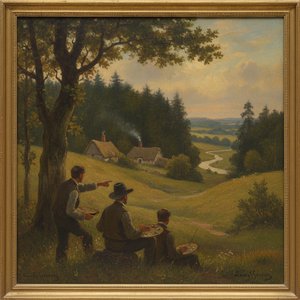
The Barbizon School: The Soulful Origins of Impressionism's Natural Light and Atmospheric Mastery
Discover the profound influence of the Barbizon School on Impressionism. Explore how these masters captured natural light and atmospheric beauty through plein air painting, paving the way for Monet and Renoir. A journey into the soulful origins of landscape art history.

Evoking Nature's Sublime: A Comprehensive Exploration of 19th-Century Landscape Painting
Explore the captivating world of 19th-century landscape painting! Discover renowned artists like Friedrich & Monet, key movements, and find the perfect artwork to bring nature's serenity into your home. Expert insights at OriginalUniqueArt.

10 Romantinių Peizažų Simbolių: Tapybos Majestatės Viršūnės
Atraskite 10 legendinių romantinio peizažo kūrinių! Pasinerkite į Claude Lorrain, Caspar David Friedrich ir J.M.W. Turner genijaus pasaulį. Išmokite apie tapybos meistriškumą bei gamtos grožį. Aukščiausios kokybės meno reprodukcijos – OriginalUniqueArt.com. Tyrinėkite kolekciją!
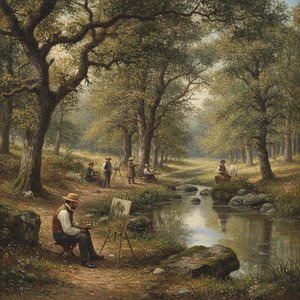
The Barbizon School: The Revolution of Naturalism and the Birth of Plein Air Landscape Painting
Explore the profound impact of the Barbizon School on landscape painting. Discover how masters like Rousseau and Corot revolutionized art through plein air naturalism, moving from academic idealism to the authentic beauty of the French countryside.

The Barbizon School: A Professional Guide to Naturalism and Landscape Mastery for Interior Designers
Explore the Barbizon School's mastery of naturalism. An expert guide for hotel designers and procurement managers on sourcing high-quality landscape reproductions to elevate hospitality and corporate interiors with authentic, large-scale fine art solutions.