

 Peržiūrėti realaus dydžio版
 Siųsti
 Dalintis
 Išsamiau
 Vadovas

 Atsisiųsti
 Panašūs eksponatai
 Rentgeno spindulių nuotrauka
 Diaporama
 Statistika
Seated Woman


 Rodyti daugiau
Giclée / Meno spausdinimas
Muziejų lygio „giclée“ arba drobos spausdinimas: greita gamyba ir lankstios apdailos parinktys. ( Pirkti rankomis tapytą reprodukciją Perejti prie skaitmeninių vaizdų)




P118B €10

P118H €10

P118W €10

P438Z €10

P508JH €12

P508YH €12

P805H €10

P805Z €10

P919BZ €10

P919G €10

P919XJ €10

P959ZH €10

P968JZ €12

W106C €8

W218G €10

W218JH €8

W218Y €10

W307PJ €10

W316G €10

W316PJ €8

W316Y €10

W398PJ €8

W4111J €10

W500HY €15

W500JH €15

W692G €12

W849H €8

W940BG €15

W953PJ €8




Pasirinkite iš mūsų nustatytų dydžių, atitinkančių originalaus meno kūrinio proporcijas.

Įveskite jums reikiamą plotį ir aukštį, kad atvaizdas derėtų prie jūsų rėmo ar sienos. Spausdiną galima tik sumažinti, bet nepadidinti virš originalaus paveikslėlio dydžio, todėl keičiant proporcijas, dalis vaizdo prarandama. Prieš spausdinimą atsiųsime jums skaitmeninį maketą patvirtinimui. Šioje puslapio nuotraukoje matomas pjūvis nėra tikslus – jį rodo tik maketas.
Pristatymas visame pasaulyje () per 2 weeks, o ne įprastas 4/5 savaičių laikotarpis. (22 spalis)

Nemokamas greitasis pristatymas visame pasaulyje

Aukštos kokybės lininis drobė

Pilnas siuntimo draudimas

Muitinės mokesčių grąžinimo garantija

Tikro spalvų atitikimo garantija

100 dienų grąžinimo politika (tik esant įtaigoms)

100% pinigų grąžinimo garantija

Nuolaida dideliems užsakymams
 Stiklo variantas prieinamas tik pasirinkus dydį iki 110 cm

Seated Woman
Giclée / Meno spausdinimas
Reprodukcijos dydis
-


Visų pasirinktų variantų kaina
€ 70
A Fragmented Portrait of Modernity: Exploring Juan Gris’s “Seated Woman”
Juan Gris's "Seated Woman," painted in 1917, isn’t merely a portrait; it’s a carefully constructed meditation on form, space, and the burgeoning anxieties of early 20th-century Europe. This work, rendered in oil on panel with a striking palette of blues, yellows, and blacks, embodies the heart of Cubism's analytical phase – a period where artists sought to dismantle traditional representation and reveal the underlying geometric structures of reality. Gris, deeply influenced by Picasso and Braque, moved beyond simply depicting an individual; he aimed to capture the essence of the subject through a fractured, multi-faceted approach that challenges our perception of what constitutes a recognizable image.
The painting depicts a woman seated in a chair, her hands resting before her face – a pose simultaneously vulnerable and enigmatic. However, it’s crucial to understand that this isn't a realistic portrayal. Gris employs a deliberate distortion of form, breaking the figure into interlocking planes and angles. The chair itself is not rendered as a solid object but rather as a collection of geometric shapes, mirroring the fragmentation of the woman’s image. This technique, central to Cubism, suggests that our understanding of reality is inherently subjective and constructed through individual perception. Notice how the blue tones dominate, creating a sense of depth and receding space, while the yellows introduce warmth and highlight specific areas of the figure – perhaps drawing attention to her face or hands.
The Language of Analytical Cubism
“Seated Woman” is a prime example of Analytical Cubism, a phase characterized by its meticulous deconstruction of objects. Gris’s approach involved meticulously dissecting his subjects into their component parts – lines, angles, and planes – and then reassembling them on the canvas in a way that presented multiple viewpoints simultaneously. This wasn't about creating an illusion of depth; rather, it was about revealing the underlying structure of form. The painting feels almost architectural in its precision, as if the woman has been carefully constructed from geometric blocks. The use of black is particularly significant here – not merely for contrast but to define and delineate the fragmented shapes, adding a layer of intellectual rigor to the composition.
Furthermore, Gris’s choice of color is deliberate. The muted palette—primarily blues, yellows, and blacks—reflects the atmosphere of introspection and uncertainty prevalent during this period. It's a far cry from the vibrant hues often associated with later Cubist works. Instead, it evokes a sense of quiet contemplation, inviting the viewer to engage in a more cerebral appreciation of the artwork.
A Figure Rooted in Early 20th-Century Context
To fully appreciate “Seated Woman,” it’s essential to consider its historical context. Painted in 1917, the work emerged during a time of profound social and artistic upheaval. The rise of industrialization, urbanization, and scientific advancements were challenging traditional notions of reality and identity. Cubism, with its radical departure from representational art, mirrored this broader cultural shift – questioning established conventions and exploring new ways of perceiving the world. Juan Gris’s work reflects a desire to capture not just the appearance of things but also their underlying structure and the way they interact within space.
Juan Gris himself was a pivotal figure in the development of Cubism, initially working as an engineer before dedicating himself fully to art. His meticulous approach, combined with his deep understanding of mathematics and geometry, allowed him to create works that are both intellectually stimulating and visually arresting. “Seated Woman” stands as a testament to his innovative spirit and his profound impact on the course of modern art.
Symbolism and Emotional Resonance
While seemingly abstract, "Seated Woman" is rich in symbolic potential. The woman’s posture – hands covering her face – suggests introspection, perhaps even melancholy or uncertainty. The fragmented nature of her form reflects the fragmentation of experience in a rapidly changing world. The painting doesn't offer easy answers; instead, it invites viewers to contemplate the complexities of human existence and the challenges of navigating an increasingly abstract reality. It’s a work that resonates with a sense of quiet contemplation and intellectual curiosity – a timeless reminder of the power of art to provoke thought and evoke emotion.
问答 (or more naturally for a website heading): Klausimai ir atsakymai
Kiek žmonių žiūri į „Seated Woman“?
Eksistuoja Statistika puslapis kūriniui „Seated Woman“. Jame pateikiama mėnesio apžiūrų diagrama, apimanti šį kūrinį bei kitus šio kūrybinio veikėjo darbus, su skirstymu pagal šalis ir kalbas.
Kokio tipo kūrinys yra „Seated Woman“, autorius – Chuanas Gris?
Darbą „Seated Woman“, autorius – Chuanas Gris klasifikuojame kaip WallArt. Ši kategorija aprašo originalo kūrinio tipą.
Kokia „Seated Woman“, autorius – Chuanas Gris nuotaika yra apibūdinama?
Bendrąsias „Seated Woman“, autorius – Chuanas Gris nuotaikas apibrėžina Romantic. Ši nuotaika aprašo bendrą kūrinio atmosferą.
Autoriaus biografija
Ankstyvieji Metai ir Formavimasis
Žosė Viktorijano Gonzales-Perezas, vėliau žinomas kaip Chuan Gris, gimė 1887 metų kovo 23 dieną Madride, Ispanijoje. Jo kelionė į meno pasaulį nebuvo tiesioginė; prieš pradėdamas tapyti, jis studijavo inžineriją Madrido mokykloje, demonstruodamas analitinį protą, kuris vėliau turėjo didelės įtakos jo meninei kūrybai. Net ir tais formavimo metais ryškėjo kūrybingumas – piešiniai vietiniuose periodiniuose leidiniuose rodė augantį vizualinį talentą. 1905 metais jis pasirinko pseudonimą Chuan Gris, vardas rezonavo su nauju tapatumo pojūčiu ir tikslu, kai pradėjo formaliai studijuoti tapybą po Žosė Moreno Carbonero vadovavimo. Tai buvo lemtingas posūkis, nukreipęs jį į meno inovacijų kelią. Jaunasis Gris turėjo stiprų polinkį detalėms ir precizijai, bruožus, kurie vėliau taps jo stiliaus pagrindu.Paryžiaus Periodas ir Kubizmo Apimtis
1906 metais Chuan Gris persikėlė į Paryžių – miestą, kuris tuomet pulsuojo menine energija. Jis pasinėrė į šią gyvybingą aplinką, užmegzdavo draugystes su tokiais žymiais asmenimis kaip Anri Matisas, Žoržas Brakas ir Fernandas Legeras. Pradžioje jis ėmėsi satyrinio iliustravimo leidiniuose, tokiuose kaip *L'Assiette au Beurre*, tobulindamas savo stebėjimo įgūdžius ir ugdydamas aštrų vizualinį skonį. Tačiau stipriausia įtaka pasirodė esanti Pablo Pikaso trauka. Apytiksliai 1910 metais Gris rimtai ėmėsi tapybos, atsisakydamas karikatūros ir kreipdamasis į besiformuojantį kubizmo fenomeną. Tai nebuvo paprastas imitavimas; jis pradėjo ieškoti formų ir erdvės esmės, siekdamas naujos vizualinės tvarkos. Ankstyvieji jo darbai pasižymėjo sąmoningu atsisakymu nuo tradicinio vaizdavimo, priimdami abstrakciją kaip būdą užfiksuoti tikrovės pagrindinę struktūrą. Šis laikotarpis buvo intensyvaus eksperimentavimo ir mokymosi metas, kuriame Gris ėmė kurti savo unikalų kubistinio stiliaus braižą.Geometrijos Vizija: Stilius ir Pagrindiniai Darbai
Chuano Griso meninis kūrybos bruožas – išskirtinis aiškumas ir intelektualinis griežtumas. Jis ne tik dekonstruodavo objektus, bet ir rekonstruodavo juos su sąmoningu precizumu, pabrėždamas geometrines formas ir kruopščiai apgalvotą spalvų paletę. Šis požiūris lėmė jo vadinamąjį „kristalinį“ periodą, iliustruotą tokiais šedevrais kaip *Natūrmortas prieš atvirą langą* ir *Place Ravignan* (1915). Šie darbai demonstruoja nuostabų plokštumų ir kampų žaidimą, sukuriantį gilumo ir vientisumo pojūtį, tuo pačiu keldami iššūkį įprastiems perspektyvos sampratoms. Po 1913 metų Gris visiškai pasinėrė į Sintetinį Kubizmą, pionieriškai naudodamas *papier collé* – koliažo techniką, į savo kompozicijas įtraukdamas tikrosios medžiagos, tokias kaip laikraščių iškarpos ir tekstūruoti popieriai. Ši technika suteikė papildomą sudėtingumo ir apčiuopiamumo sluoksnį jo darbams, nubraukiant ribas tarp tapybos ir skulptūros. Žymūs pavyzdžiai yra *Gitarą prieš jūrą* (1925), liudijantis jo supaprastintas formas ir prisilaikymą prie kubistinių principų, ir *Pagarba Pablui Pikaso* (1912), signalizuojanti augantį jo pripažinimą avangardo meno pasaulyje.Palikimas ir Tvarus Poveikis
Chuano Griso indėlis į kubizmą apima daugiau nei tik stilistinę naujovę; jis atnešė unikalų intelektualinį gilumą ir struktūrinį aiškumą judėjimui. Jis peržengė analitinį etapą, pereidamas prie organizuotesnio ir sintetinio požiūrio, pabrėždami tvarką ir preciziją. Jo darbai turėjo didelės įtakos puristiniam stiliui, kurį propagavo Amédée Ozenfant ir Šarlis Eduaras Žaneras (Le Corbusier), ragindamas grįžti prie klasikinio formos ir kompozicijos principų. Griso pabrėžimas geometrinėms formoms, harmoningai spalvų paletei ir kasdieniams objektams įtraukiant į jo meną padarė jį esminiu 20-ojo amžiaus meno veikėju. Jo palikimas tebeįkvepia menininkus šiandien, demonstruodamas kubizmo galią ir Chuan Gris vizionieriškumą – Ispanijos meistrą, kuris pakeitė mūsų suvokimą apie įvaizdžio formavimąsi ir atstovavimą. Jo darbai yra nuolatinis priminimas apie meno gebėjimą iššaukti konvencijas ir peržiūrėti tai, kaip mes matome pasaulį.
Chuanas Gris
1887 - 1927 , Lietuva
Trumpa informacija apie kūrėją
- Gimimo Data: 1887 m. kovo 23 d.
- Gimimo Vieta: Madridas, Ispanija
- Menininkų Įtaka:
- Purizmas
- Amédée Ozenfant
- Le Corbusier
- Meninis Stilius: Kubizmas, Sintetinis kubizmas
- Mirties Data: 1927 m. gegužės 11 d.
- Pilietybė: Ispanijos
- Pilnas Vardas: José Victoriano González-Pérez
- Įtakoję Menininkai:
- Pablo Picasso
- Henri Matisse
- Georges Braque
- Žymiausi Darbai:
- Gitara prieš jūrą
- Homage à Pablo Picasso
- Malūnininkas
- Portretas ponios Josette Gris
Susiję straipsniai

Serene Blue Backgrounds: Discover Soulful Art to Transform Your Space with Timeless Elegance
Transform your home with soulful blue art. From serene Monet impressions to modern textured sculptures, discover curated masterpieces designed to inspire calm. Explore expert art consultations and bespoke hand-painted reproductions to create your personal sanctuary.
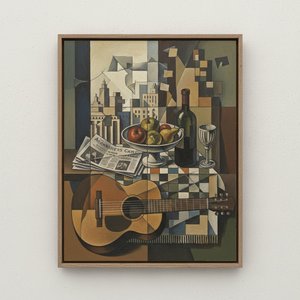
Juan Gris: Cubist Deconstruction & Synthesis – A Comprehensive Exploration
Explore the revolutionary art of Juan Gris – a master of Cubism. Discover his unique approach to deconstruction, vibrant Synthetic Cubist works, and lasting influence on modern art. Expert analysis for collectors.

Slate Blue Masterpieces: 10 Iconic Paintings & Timeless Home Decor Ideas
Immerse yourself in the captivating world of slate blue! Explore 10 iconic paintings by Monet, Van Gogh & Renoir. Discover their stories, techniques & find museum-quality art reproductions for your home at .
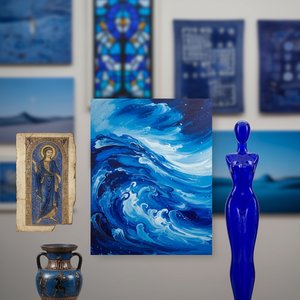
The Allure of Azure: Exploring the Symbolic & Aesthetic Depths of Blue in Art History
Explore the rich history of blue in art! Discover its symbolism, from ancient pigments to modern masterpieces by Kandinsky & Seurat. Uncover the psychological impact and cultural meanings behind this captivating hue.
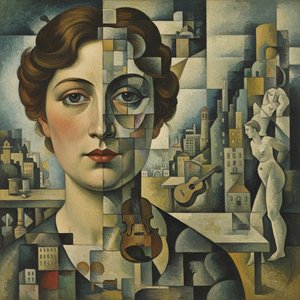
Deconstructing Reality: Cubism's Revolutionary Impact on 20th-Century Art
Explore the revolutionary world of Cubism with OriginalUniqueArt. Discover Picasso & Braque's groundbreaking techniques, its philosophical roots, and lasting impact on modern art. Expert insights for collectors.


