
 Peržiūrėti realaus dydžio版
 Pasidalinti
 Dalintis
 Išsamiau
 Vadovas

 Atsisiųsti
 Panašūs eksponatai
 Rentgeno spindulių nuotrauka
 Automatinė diorama
 Q&A
Q&A Statistika
St Jerome

- 252.0 x 133.0 cm


 Skaityti daugiau
Giclée / Meno spausdinimas
Muziejų lygio „giclée“ arba drobos spausdinimas: greita gamyba ir lankstios apdailos parinktys. ( Pirkti rankų darbo tapybą Perejti prie skaitmeninių vaizdų)




P118B €10

P118H €10

P118W €10

P438Z €10

P508JH €12

P508YH €12

P805H €10

P805Z €10

P919BZ €10

P919G €10

P919XJ €10

P959ZH €10

P968JZ €12

W106C €8

W218G €10

W218JH €8

W218Y €10

W307PJ €10

W316G €10

W316PJ €8

W316Y €10

W398PJ €8

W4111J €10

W500HY €15

W500JH €15

W692G €12

W849H €8

W940BG €15

W953PJ €8




Pasirinkite iš mūsų nustatytų dydžių, atitinkančių originalaus meno kūrinio proporcijas.

Įveskite jums reikiamą plotį ir aukštį, kad atvaizdas derėtų prie jūsų rėmo ar sienos. Spausdiną galima tik sumažinti, bet nepadidinti virš originalaus paveikslėlio dydžio, todėl keičiant proporcijas, dalis vaizdo prarandama. Prieš spausdinimą atsiųsime jums skaitmeninį maketą patvirtinimui. Šioje puslapio nuotraukoje matomas pjūvis nėra tikslus – jį rodo tik maketas.
Pristatymas visame pasaulyje () per 2 weeks, o ne įprastas 4/5 savaičių laikotarpis. (1 lapkritis)

Nemokamas greitasis pristatymas visame pasaulyje

Aukštos kokybės lininis drobė

Pilnas siuntimo draudimas

Muitinės mokesčių grąžinimo garantija

Tikro spalvų atitikimo garantija

100 dienų grąžinimo politika (tik esant įtaigoms)

100% pinigų grąžinimo garantija

Nuolaida dideliems užsakymams
 Stiklo variantas prieinamas tik pasirinkus dydį iki 110 cm

St Jerome
Giclée / Meno spausdinimas
Reprodukcijos matmenys
-


Bendroji kaina
€ 71
A Vision of Divine Contemplation
In the profound stillness of his study, St. Jerome emerges from the shadows of history, captured in a moment of eternal reflection by the Spanish Baroque master Juan de Valdés Leal. Painted in 1656, this monumental oil on canvas is far more than a mere religious portrait; it is a visceral encounter with the soul's pursuit of truth. As one gazes upon the saint, there is an immediate sense of being drawn into a private, sacred space where the boundaries between the earthly and the divine begin to blur. The composition is anchored by the figure of Jerome, rendered in striking hues of crimson and white, his presence commanding yet deeply humble. He sits amidst the tools of his scholarly devotion, his eyes fixed upon an open book that glows with the soft, flickering light of a nearby candle—a symbol of the illuminating power of scripture and the tireless intellectual labor required to grasp divine mysteries.
The atmosphere of the painting is thick with the weight of spiritual gravity, yet it is punctuated by moments of ethereal grace. Floating just above the saint’s head, an angelic figure descends, a celestial messenger bearing a sacred scroll. This presence provides a breathtaking counterpoint to the heavy, earthly textures of the study, suggesting that even in the deepest solitude of study, one is never truly alone when seeking the light of God. For the collector or designer, this interplay between the terrestrial and the celestial offers a profound emotional resonance, making the piece an ideal centerpiece for spaces dedicated to quiet thought, literature, or spiritual repose.
The Mastery of Light and the Vanitas Motif
Valdés Leal’s technical prowess is most evident in his masterful use of chiaroscuro, the dramatic interplay of light and shadow that defines the Baroque era. The artist manipulates light not merely to illuminate, but to sculpt form and evoke mood. Shadows pool deeply in the corners of the room, creating a sense of infinite depth, while sharp highlights catch the folds of Jerome’s heavy robes and the weathered texture of his skin, lending the figure an almost tactile realism. This technique directs the viewer's eye with surgical precision, moving from the luminous face of the saint to the symbolic objects scattered across his desk.
Embedded within this scholarly setting is a poignant reminder of the vanitas tradition—a theme central to the seventeenth-century consciousness. At Jerome’s feet rests a skull, a stark and sobering memento mori that serves as a silent witness to the inevability of death and the fleeting nature of mortal life. This symbol, paired with the candlelight that threatens to expire, creates a powerful tension between the permanence of faith and the transience of flesh. To possess a reproduction of such a work is to invite a conversation about legacy, time, and the enduring importance of what remains after the shadows fall. It is a masterpiece of texture and meaning, offering an unparalleled sense of drama and sophistication to any curated collection.
Klausimai ir atsakymai
Koks kontrastas yra darbe „St Jerome“ – Juanas De Valdesas Lealis?
Šviesos ir tamsos kontrastas kūriniame „St Jerome“ yra nurodytas kaip Bold. Kontrastas aprašo, kaip stipriai skiriasi šviesios ir tamsios sritys.
Ar „St Jerome“ saugoma kūrijėjo šalyje?
Ne – kūrinys saugomas užsienyje. Juanas De Valdesas Lealis gimtoji šalis yra Lietuva, o kūrinio „St Jerome“ originalas saugomas muziejuje, esančiame Spain.
Ar „St Jerome“ bendroje apimatyje yra labiau šviesus ar tamsus kūrinys?
„St Jerome“ – Juanas De Valdesas Lealis užfiksuotas kaip balanced, pasižymintis Soft Shadow šviesos intensyvumu.
Autoriaus biografija
Ankstyvas gyvenimas ir mokymasis
Juan de Valdés Leal, garsus ispanų tapytojas ir graviūrų meistras, gimė 1622 m. gegužės 4 dieną Sevilijoje, Ispanijoje. Jis tapo įvairiapusiu menininku – tapytoju, skulptoriumi ir architektu. Dar jaunystėje, dvidešimties metų amžiaus, jis studijavo pas Antonio del Castillo Kordoboje, tobulindamas savo įgūdžius baroko epochoje. Šis mokymosi laikotarpis padėjo jam susiformuoti kaip menininkui, išsiskiriančiam dramatiškumu ir giliumi emociniu turiniu. Valdés Leal greitai įsisavino barokinio stiliaus principus, kurie vėliau tapo jo kūrinių pagrindu.Svarbiausi darbai ir bendradarbiavimas
Valdés Leal’s žymiausi darbai apima:- Pranašo Elijo istorija Karmelitų bažnyčiai
- Šv. Andriejaus kankinystė Kordobos San Fransisko bažnyčiai
- Kryžiaus triumfas La Caridad Sevilijoje
Asmeninis gyvenimas ir palikimas
1647 metais Valdés Leal vedė Isabellą Carasquillą, taip pat tapytoją. Šioje sąjungoje gimė penki vaikai, daugelis jų vėliau tapo menininkais – Lucas, Maria ir Laura. Valdés Leal mirė 1690 m. spalio 15 dieną Sevilijoje, palikęs reikšmingą pėdsaką meno istorijoje. Jo darbai iki šiol žavi žiūrovus savo dramatiškumu, giliumi simbolizmu ir meistrišku technikos įvaldymu.Kūrinių apžvalga OriginalUniqueArt.com
Norėdami sužinoti daugiau apie Valdés Leal’o kūrinius, apsilankykite https://OriginalUniqueArt.com/@/juan de valdés leal, kur rasite:- 165 Valdés Leal’o darbai
- Aukštos kokybės jo paveikslų kopijos
- Barokinio stiliaus darbai, būdingi tam laikmečiui Wikipedia: Juan de Valdés Leal
Daugiau informacijos OriginalUniqueArt.com
- Museo de Bellas Artes de Asturias (Ispanija): tyrinėkite muziejaus kolekciją, apimančią Europos meną nuo XII iki XX amžiaus pradžios.
- Sevilijos meno muziejus (Ispanija): sužinokite apie muziejaus istoriją, kolekciją ir lankymo informaciją. Patirkite meno pasaulį su OriginalUniqueArt.com

Juanas De Valdesas Lealis
1622 - 1690 , Lietuva
Trumpa informacija
- Gimimo Data: 1622 m. gegužės 4 d.
- Gimimo Vieta: Sevilija, Ispanija
- Meninis Stilius: Baroko tapyba
- Mirties Data: 1690 m. spalio 15 d.
- Pilietybė: Ispanas
- Pilnas Vardas: Juan de Nisa Valdés Leal
- Turėjo Įtakos: ['Antonio del Castillo']
- Įtakojo: ['Bartolomé Murillo']
- Žymiausi Darbai:
- Pranašo Elijo istorija
- Šv. Andriejaus kankinystė
- Kryžiaus triumfas
Susiję straipsniai

Francisco Goya Šedevrai: 25 Išskirtiniai Darbai Jūsų Interjerui | OriginalUniqueArt
Atraskite 25 įspūdingiausius Francisco Goya šedevrus! Ispanų romantizmo meistro paveikslai, portretai ir juodoji tapyba. Įkvėpkite interjerui su aukštos kokybės Goya reprodukcijomis | OriginalUniqueArt.com

About Us
Discover our story! We bring world-class art into your life through expert curation, personalized creations, and free previews. Trusted by individuals and businesses since 2000.
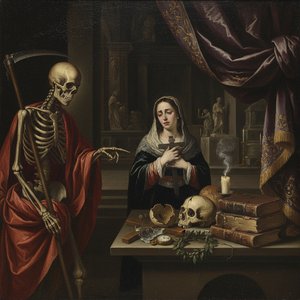
Juan de Valdés Leal: Baroque Realism, Memento Mori & Theatricality of Spanish Grief
Explore the powerful Baroque realism of Juan de Valdés Leal (1622-1690). Discover his somber masterpieces, iconic 'In Ictu Oculi', and profound explorations of mortality. Museum-quality reproductions available at OriginalUniqueArt.
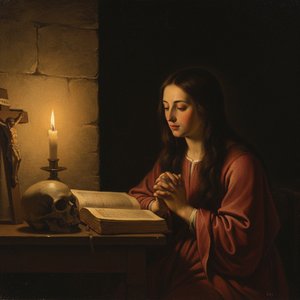
Georges de La Tour: Luminosity, Spirituality & Realism in Baroque Painting
Discover the captivating world of Georges de La Tour, a Baroque master renowned for his dramatic chiaroscuro & spiritual realism. Explore key works, influences, and his remarkable rediscovery. Learn more at OriginalUniqueArt.

Mastering Devotion: The Most Iconic Depictions of Saint Jerome in Art History
Explore the profound iconography of Saint Jerome through art history's most iconic masterpieces. From Renaissance serenity to Baroque drama, discover how legendary painters captured divine devotion in breathtaking oil paintings and fine art reproductions.