
 Peržiūrėti realaus dydžio版
 Pasidalinti
 Dalintis
 Išsamiau
 Vadovas

 Atsisiųsti
 Panašūs eksponatai
 Rentgeno spindulių nuotrauka
 Automatinė diorama
 Q&A
Q&A Statistika
Pietà

- 161.0 x 144.0 cm


 Skaityti daugiau
Giclée / Meno spausdinimas
Muziejų lygio „giclée“ arba drobos spausdinimas: greita gamyba ir lankstios apdailos parinktys. ( Pirkti rankų darbo tapybą Perejti prie skaitmeninių vaizdų)




P118B €10

P118H €10

P118W €10

P438Z €10

P508JH €12

P508YH €12

P805H €10

P805Z €10

P919BZ €10

P919G €10

P919XJ €10

P959ZH €10

P968JZ €12

W106C €8

W218G €10

W218JH €8

W218Y €10

W307PJ €10

W316G €10

W316PJ €8

W316Y €10

W398PJ €8

W4111J €10

W500HY €15

W500JH €15

W692G €12

W849H €8

W940BG €15

W953PJ €8




Pasirinkite iš mūsų nustatytų dydžių, atitinkančių originalaus meno kūrinio proporcijas.

Įveskite jums reikiamą plotį ir aukštį, kad atvaizdas derėtų prie jūsų rėmo ar sienos. Spausdiną galima tik sumažinti, bet nepadidinti virš originalaus paveikslėlio dydžio, todėl keičiant proporcijas, dalis vaizdo prarandama. Prieš spausdinimą atsiųsime jums skaitmeninį maketą patvirtinimui. Šioje puslapio nuotraukoje matomas pjūvis nėra tikslus – jį rodo tik maketas.
Pristatymas visame pasaulyje () per 2 weeks, o ne įprastas 4/5 savaičių laikotarpis. (1 lapkritis)

Nemokamas greitasis pristatymas visame pasaulyje

Aukštos kokybės lininis drobė

Pilnas siuntimo draudimas

Muitinės mokesčių grąžinimo garantija

Tikro spalvų atitikimo garantija

100 dienų grąžinimo politika (tik esant įtaigoms)

100% pinigų grąžinimo garantija

Nuolaida dideliems užsakymams
 Stiklo variantas prieinamas tik pasirinkus dydį iki 110 cm

Pietà
Giclée / Meno spausdinimas
Reprodukcijos matmenys
-


Bendroji kaina
€ 71
The Heart of Sorrow: An Exploration of Valdés Leal’s Pietà
Juan de Valdés Leal's 1657 “Pietà” is not merely a depiction of grief; it’s an immersion into the profound sorrow and spiritual weight of Christian iconography. Born in Seville during the height of the Spanish Baroque, Leal was deeply influenced by the traditions of theatrical sculpture, particularly the evocative “pasos”—elaborate processions featuring religious figures rendered with intense emotion—a practice common in Spain. This painting transcends simple representation, aiming instead to evoke a visceral response from the viewer, mirroring the agony of Mary Magdalene cradling the lifeless body of Christ.
The subject itself – the Pietà – has resonated through Western art for centuries. It’s a timeless image: the Virgin Mary, serene yet heartbroken, holding her son after his crucifixion. Leal masterfully captures this essence, moving beyond the idealized beauty often associated with depictions of the Madonna. Instead, we see a woman marked by sorrow, her expression a complex blend of grief and acceptance. The composition is deliberately tight, drawing our focus entirely to the central figures – a deliberate choice that intensifies the emotional impact. The diagonal line created by Christ’s body, sloping from left to right, guides the eye through the scene, mirroring the descent into despair.
Baroque Drama: Technique and Composition
Leal's mastery lies in his skillful deployment of Baroque techniques. The painting is dominated by *chiaroscuro*, a dramatic contrast between light and dark that sculpts the figures and imbues the scene with an almost theatrical quality. Light focuses intensely on Mary Magdalene and Christ’s body, casting deep shadows around them – these aren't merely stylistic choices; they symbolize the darkness of sin and suffering. The artist employs impasto—thickly applied paint—to create a richly textured surface, adding depth and physicality to the figures. Brushstrokes are bold and expressive, conveying movement and emotion with every mark.
The flattened perspective, characteristic of Baroque art, prioritizes emotional impact over strict realism. Leal doesn’t strive for photographic accuracy; instead, he uses color and form to create a heightened sense of drama and immediacy. The muted palette—primarily dark browns, reds, and blues—contributes to the somber atmosphere, reinforcing the theme of loss and mourning. The use of strong lines further emphasizes the dynamism of the scene, preventing it from feeling static or lifeless.
Symbolism and Spiritual Resonance
Beyond its visual power, the “Pietà” is rich in symbolism. The image directly references Christian iconography, but Leal imbues it with a distinctly Spanish sensibility. The gruesome details of Christ’s suffering—a hallmark of Spanish religious art—are not presented gratuitously; they serve to heighten the spiritual fervor and underscore the sacrifice made for humanity's salvation. Mary Magdalene’s posture – cradling the body with unwavering devotion – represents faith, loyalty, and acceptance of God’s will.
The scene as a whole speaks to universal themes of grief, loss, and redemption. It invites contemplation on mortality, suffering, and the enduring power of love and compassion. Leal's “Pietà” is more than just a religious painting; it’s a profound meditation on the human condition, rendered with breathtaking skill and emotional intensity.
Klausimai ir atsakymai
Kokia „Pietà“ – Juanas De Valdesas Lealis nuotaika yra apibūdinama?
Bendrąją „Pietà“ – Juanas De Valdesas Lealis nuotaiką apibrėžia Dramatic. Ši nuotaika atspindi bendrą kūrinio atmosferą.
Koks kontrastas yra darbe „Pietà“ – Juanas De Valdesas Lealis?
„Pietà“ – Juanas De Valdesas Lealis pasižymi Gentle šviesių ir tamsių sričių kontrastu.
Kokia paletė ir pagrindinė spalva apibrėžė „Pietà“?
„Pietà“ – Juanas De Valdesas Lealis kūryboje naudojama Earthy paletė, kurioje dominuoja Gray (#938366) spalva.
Autoriaus biografija
Ankstyvas gyvenimas ir mokymasis
Juan de Valdés Leal, garsus ispanų tapytojas ir graviūrų meistras, gimė 1622 m. gegužės 4 dieną Sevilijoje, Ispanijoje. Jis tapo įvairiapusiu menininku – tapytoju, skulptoriumi ir architektu. Dar jaunystėje, dvidešimties metų amžiaus, jis studijavo pas Antonio del Castillo Kordoboje, tobulindamas savo įgūdžius baroko epochoje. Šis mokymosi laikotarpis padėjo jam susiformuoti kaip menininkui, išsiskiriančiam dramatiškumu ir giliumi emociniu turiniu. Valdés Leal greitai įsisavino barokinio stiliaus principus, kurie vėliau tapo jo kūrinių pagrindu.Svarbiausi darbai ir bendradarbiavimas
Valdés Leal’s žymiausi darbai apima:- Pranašo Elijo istorija Karmelitų bažnyčiai
- Šv. Andriejaus kankinystė Kordobos San Fransisko bažnyčiai
- Kryžiaus triumfas La Caridad Sevilijoje
Asmeninis gyvenimas ir palikimas
1647 metais Valdés Leal vedė Isabellą Carasquillą, taip pat tapytoją. Šioje sąjungoje gimė penki vaikai, daugelis jų vėliau tapo menininkais – Lucas, Maria ir Laura. Valdés Leal mirė 1690 m. spalio 15 dieną Sevilijoje, palikęs reikšmingą pėdsaką meno istorijoje. Jo darbai iki šiol žavi žiūrovus savo dramatiškumu, giliumi simbolizmu ir meistrišku technikos įvaldymu.Kūrinių apžvalga OriginalUniqueArt.com
Norėdami sužinoti daugiau apie Valdés Leal’o kūrinius, apsilankykite https://OriginalUniqueArt.com/@/juan de valdés leal, kur rasite:- 165 Valdés Leal’o darbai
- Aukštos kokybės jo paveikslų kopijos
- Barokinio stiliaus darbai, būdingi tam laikmečiui Wikipedia: Juan de Valdés Leal
Daugiau informacijos OriginalUniqueArt.com
- Museo de Bellas Artes de Asturias (Ispanija): tyrinėkite muziejaus kolekciją, apimančią Europos meną nuo XII iki XX amžiaus pradžios.
- Sevilijos meno muziejus (Ispanija): sužinokite apie muziejaus istoriją, kolekciją ir lankymo informaciją. Patirkite meno pasaulį su OriginalUniqueArt.com

Juanas De Valdesas Lealis
1622 - 1690 , Lietuva
Trumpa informacija
- Gimimo Data: 1622 m. gegužės 4 d.
- Gimimo Vieta: Sevilija, Ispanija
- Meninis Stilius: Baroko tapyba
- Mirties Data: 1690 m. spalio 15 d.
- Pilietybė: Ispanas
- Pilnas Vardas: Juan de Nisa Valdés Leal
- Turėjo Įtakos: ['Antonio del Castillo']
- Įtakojo: ['Bartolomé Murillo']
- Žymiausi Darbai:
- Pranašo Elijo istorija
- Šv. Andriejaus kankinystė
- Kryžiaus triumfas
Susiję straipsniai

Baroko Dramatizmas: Elegancijos ir Emocijų Įnešimas į Šiuolaikinius Interjerus
Atraskite baroko dramatiškumą! Meno konsultacijos, rankų darbo reprodukcijos ir patarimai, kaip įnešti eleganciją bei emocijas į jūsų interjerą su OriginalUniqueArt.com. Kokybė garantuota!

About Us
Discover our story! We bring world-class art into your life through expert curation, personalized creations, and free previews. Trusted by individuals and businesses since 2000.
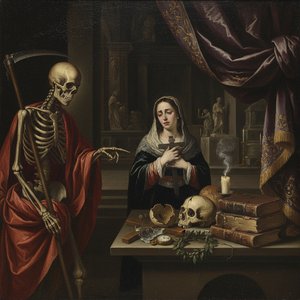
Juan de Valdés Leal: Baroque Realism, Memento Mori & Theatricality of Spanish Grief
Explore the powerful Baroque realism of Juan de Valdés Leal (1622-1690). Discover his somber masterpieces, iconic 'In Ictu Oculi', and profound explorations of mortality. Museum-quality reproductions available at OriginalUniqueArt.

Francisco Goya Šedevrai: 25 Išskirtiniai Darbai Jūsų Interjerui | OriginalUniqueArt
Atraskite 25 įspūdingiausius Francisco Goya šedevrus! Ispanų romantizmo meistro paveikslai, portretai ir juodoji tapyba. Įkvėpkite interjerui su aukštos kokybės Goya reprodukcijomis | OriginalUniqueArt.com

The Dramatic Flourish: Exploring the Baroque Movement's Enduring Legacy in Art History
Explore the dramatic world of Baroque art! Discover iconic artists like Caravaggio & Rubens, defining techniques, and its lasting impact on art history. Expert insights for collectors & enthusiasts at OriginalUniqueArt.