

 Peržiūrėti realaus dydžio版
 Siųsti
 Dalintis
 Išsamiau
 Vadovas

 Atsisiųsti
 Panašūs eksponatai
 Rentgeno spindulių nuotrauka
 Diaporama
 Statistika
Still Life


 Rodyti daugiau
Giclée / Meno spausdinimas
Muziejų lygio „giclée“ arba drobos spausdinimas: greita gamyba ir lankstios apdailos parinktys. ( Pirkti rankomis tapytą reprodukciją Perejti prie skaitmeninių vaizdų)




P118B €10

P118H €10

P118W €10

P438Z €10

P508JH €12

P508YH €12

P805H €10

P805Z €10

P919BZ €10

P919G €10

P919XJ €10

P959ZH €10

P968JZ €12

W106C €8

W218G €10

W218JH €8

W218Y €10

W307PJ €10

W316G €10

W316PJ €8

W316Y €10

W398PJ €8

W4111J €10

W500HY €15

W500JH €15

W692G €12

W849H €8

W940BG €15

W953PJ €8




Pasirinkite iš mūsų nustatytų dydžių, atitinkančių originalaus meno kūrinio proporcijas.

Įveskite jums reikiamą plotį ir aukštį, kad atvaizdas derėtų prie jūsų rėmo ar sienos. Spausdiną galima tik sumažinti, bet nepadidinti virš originalaus paveikslėlio dydžio, todėl keičiant proporcijas, dalis vaizdo prarandama. Prieš spausdinimą atsiųsime jums skaitmeninį maketą patvirtinimui. Šioje puslapio nuotraukoje matomas pjūvis nėra tikslus – jį rodo tik maketas.
Pristatymas visame pasaulyje () per 2 weeks, o ne įprastas 4/5 savaičių laikotarpis. (24 spalis)

Nemokamas greitasis pristatymas visame pasaulyje

Aukštos kokybės lininis drobė

Pilnas siuntimo draudimas

Muitinės mokesčių grąžinimo garantija

Tikro spalvų atitikimo garantija

100 dienų grąžinimo politika (tik esant įtaigoms)

100% pinigų grąžinimo garantija

Nuolaida dideliems užsakymams
 Stiklo variantas prieinamas tik pasirinkus dydį iki 110 cm

Still Life
Giclée / Meno spausdinimas
Reprodukcijos dydis
-


Visų pasirinktų variantų kaina
€ 70
Juan de Arellano: A Master of Floral Still Life
Juan de Arellano (1614 – 1676) stands as a singular figure in the Baroque art landscape of Spain, celebrated primarily for his breathtaking floral still life paintings. Born in Santorcaz, near Madrid—a city that would become synonymous with his artistic legacy—Arellano’s life unfolded amidst the opulent patronage of Philip III and witnessed the burgeoning influence of Flemish and Italian artistic traditions. While biographical details remain somewhat sparse, he emerged as a student under Juan de Solís, whose landscapes offered a contrasting aesthetic to Arellano's focused dedication to botanical representation. His work embodies the spirit of the era—a fascination with observation, meticulous detail, and an attempt to capture not merely what is seen but also what is felt.- Style: Arellano’s style firmly rooted itself within the Baroque tradition, inheriting its dramatic chiaroscuro techniques and embracing a humanist sensibility that prioritized natural beauty and contemplation. However, unlike many of his contemporaries who sought grandeur and spectacle, he opted for a quieter, more intimate portrayal of nature—a deliberate choice reflecting the prevailing taste for decorative art during Philip III’s reign.
- Technique: Arellano excelled in oil painting on linen, utilizing layering and glazing methods to achieve remarkable luminosity and depth. He painstakingly rendered individual petals, stems, and leaves with astonishing accuracy, capturing subtle variations in color and texture—a testament to his mastery of observation and artistic skill. The artist’s meticulous approach ensured that each flower seemed to pulsate with life on the canvas.
The Influence of Flemish Masters
Like many artists of his era, Arellano absorbed the stylistic precepts of Flemish masters such as Daniel Seghers and Mario Nuzzi. These influences instilled in him a meticulous attention to detail and a masterful command of chiaroscuro—the dramatic interplay of light and shadow—techniques characteristic of Northern Baroque painting. Seghers’ landscapes taught Arellano how to convey atmosphere and perspective, while Nuzzi's flower paintings demonstrated the importance of capturing delicate nuances of color and form. This synthesis of artistic influences resulted in a distinctive visual language that distinguishes Arellano’s oeuvre from other Spanish painters of his time.Symbolism and Emotional Resonance
Beyond mere aesthetic beauty, Arellano's floral still lifes carried profound symbolic meaning—a hallmark of Baroque art. Flowers were frequently employed to convey concepts of mortality, remembrance, and spiritual contemplation, reflecting the anxieties of a society grappling with religious dogma and facing imminent death. The artist’s careful composition—often featuring birds perched atop vases or flowers—reinforced these themes, inviting viewers to engage in introspection and consider the ephemeral nature of existence. His paintings evoke a sense of serenity and melancholy, capturing the fleeting beauty of the natural world while simultaneously prompting reflection on human mortality.Notable Works
Among Arellano’s most celebrated pieces are “Bouquet of Flowers” (c.1660), currently housed in the Museo del Prado, Madrid—a masterful depiction of roses and lilies bathed in soft light—and “Garland of Flowers, Birds and Butterfly,” displayed at The Louvre. He also executed commissions for the sacristy of San Jerónimo el Real, showcasing his versatility as an artist. Furthermore, reproductions of his paintings can be found in museums across Europe, including Bilbao Fine Arts Museum and The Royal Academy of Fine Arts of San Fernando. Examining these artworks offers a glimpse into the artistic sensibilities of a pivotal moment in Spanish Baroque history.问答 (or more naturally for a website heading): Klausimai ir atsakymai
Ar galiu detaliau apžiūrėti „Still Life“?
Darbino „Still Life“, autorius – Huanas De Arellano puslapio Rentgenas veją yra interaktyvus naršyklė, leidžiantis peržiūrėti vienu metu vienąn ਤੋਂ vienas dvylkant optinių vaizdo sluoksnių, įskaitant rentgeno tipo vaizdą.
Kas yra „Still Life“ kūrybos autorius?
Kūrinį „Still Life“ sukūrė Huanas De Arellano. Darbas katalogizuojamas Huanas De Arellano vardu.
Ar „Still Life“, autorius – Huanas De Arellano yra portretinė, peisžinio tipo ar kvadratinė kompozicija?
„Still Life“ formatas yra Square. Tai padeda planuojant, kur būtų patalpinta reprodukcija.
Autoriaus biografija
Botaninio prabangos meistras
Ispanijos baroko aukso amžiuje nedaug menininkų su tokia tikslumu ir aistra įamžino laikiną gamtos grožį kaip Juan de Arellano. Gimęs 1614 m. Santorcaze, netoli gyvybingo Madrydo širdies, Arellano iškilo kaip išskirtinė figūra amžiuje, kurį dažnai apibūdina dramatiškas religinis pietobumas ir tamsus realizmas. Nors jo samtarpriečiai dažnai kreipėsi į didelius istorinius naratyvus ar intensyvias şehyrtonines scenas, Arellano savo pašalinimą rado subtiliame, tylioje žiedų ir stygelių kalboje. Jo gyvenimas ir kūryba atstovauja meistriškam ispaniško jautrumo bei prabangios, ornamentinės flamenu ir itališkųjų mokyklų tradicijų susiliejimui, kurdamas palikimą, išliekantį kaip xvii amžiaus natūralaus gyvenlio paveikslų pamatas.
Arellano meniškojo meistriškumo pagrindai buvo klestinti po Juan de Solís vadovavimu – paveikslautojo, kurios patirtis peizažuose suteikė struktūrinį foną menininko augančiai susidomėjimui botaniniu detaliu. Tačiau būtent platesnės Europos meninės srovės tikrai suformavo jo viziją. Įsisvėgdamas į kruopsią, beveik mokslinę flamenu meistrų, tokių kaip Daniel Seghers, tikslumą ir dramatiškas, šviesos prisigėrusias kompozicijas, kurias kūrė itališkieji paveikslautojai, pavyzdžiui, Mario Nuzzi, Arellano sukūrė unikalią stilistinę kalbą. Jis išmokė chiaroscuro meną, naudojdamas gilią, aksominę šešėlių ir ryškių, šviesių akcentų sąveiką, kad į šviesą įkvėptų kiekvieną savo paveiksluose vaizduojamą rožę, tulipaną ar liriją.
Tikslumo ir pragmatiškumo vizija
Yra fascinuojanti dualumas Arellano karjeros istorijoje – meninės atsidavimo ir protingo profesionalaus intelektualo derinys. Istoriniai įrašai rodo, kad menininkas tyčia pasirinko specializuotis išskirtinai gėlių natūralaus gyvenlio žanre. Tai nebuvo tik estetinė nuostata, bet ir pragmatiškas sprendimas; susikoncentruodamas į šį specifinį žanrą, jis galėjo efektyviau valdyti augantį meno rinkos poreikį, siūlydamas itin pageidaujamus botaninius studijas, kurie buvo tiek pelningi, tiek mažiau fiziškai sunkūs nei didelės formatinės audinys, reikėjami altoriams puošti. Šis dėmesys leido jam pasiekti nepanašų techninio meistriškumo lygį, paversdamas kiekvieną audinį hiperrealistiško grožio langu.
Jo kompozicijos yra kur kas daugiau nei paprasti floros išdėstymai; tai kruopščiai suorganizuotos spalvų ir formų dramos. Jo rankose puokštas tampa sudėtingu tekstūros ir šviesos naratyvu. Jis turėjo neįtikėtiną gebėją įamžinti trumpalaikiškiausius žiedo viršūnės momentus – švelnų nuvystančio žiedo lygimą, rūšutį ant lapo ar saulės spinduliuko suraišytą žiedo skaidrumą. Per jo traukos darbą žiūrėtojas pakvienamas į ramią kontemplaciją, kur pasaulio gamtos trumpalaikis grožis užšaldytas amžinoje, gyvybingoje tobulybėje.
Palikimas ir meninė reikšmė
Juan de Arellano istorinė reikšmė slypi jo gebėjime pakelti natūralų gyvenlį iš antrojo plano žanro į gilią meninės išraiškos priemonę. Jo kūriniai tarnauja kaip gyvybinė grandis tarp sunkiųjų, simbolinių ankstyvojo baroko tradicijų ir vėlesnių, labiau dekoratyvių, šviesos prisipildytų estetikų. Per jo paveikslus mes matome tarptautinių stilių įtaką, suharmonintą su išskirtine ispaniška elegancija, sukuriant kūrybą, kuri peržengia sienas.
Šiandien Arellano kūrybos poveikis jautiamas prestižinguose muziejų salėse visame pasaulyje, kur jo ikoniški puokštas toliau užburia auditorijas. Jo indėlis į meno pasaulį apima:
- Techninę inovaciją: sudėtingą šviesos ir šešėlio taikymą tridimensiam botaniniam realizmui sukurti.
- Žanro išaukštinimą: gėlių natūralaus gyvenlio transformaciją į prestižinį temą, gebančią suteikti gilią emocinę ir simbolinę prasmę.
- Kultūrinį sintezę: sėkmingą flamenu detalumo su itališku dramu ir ispanišku švelnumu sujungimą, taip sukuriant unikalią europietiška estetiką.
Žvelgdami į jo šedevrus, tokius kaip garsieji Gėlių puokštas, mes prisimename, kad tikrasis menas slypi gebėjime rasti begalybę begalėje ir rasti amžiną grožį patysyčia trapiausiose, trumpalaikėse dalykose.

Huanas De Arellano
1614 - 1676 , Ispanija
Trumpa informacija apie kūrėją
- Artistic Movement Or Style: Barokas
- Artists Or Movements Influenced By This Artist: ['Daniel Seghers']
- Artists Who Influenced This Artist: ['Juan de Solís']
- Date Of Birth: 1614
- Date Of Death: 1676
- Full Name: Juan de Arellano
- Nationality: Ispanas
- Notable Artworks:
- G Petriklė
- G Fatas
- Place Of Birth: Santorcaz, Ispanija
Susiję straipsniai

Dutch Baroque Masters: 10 Paintings That Shaped an Era | OriginalUniqueArt
Journey through the Golden Age with our guide to the Top 10 Dutch Baroque masterpieces! Explore iconic paintings by Rembrandt, Vermeer & Frans Hals. Find museum-quality art reproductions and elevate your home decor at OriginalUniqueArt.com.
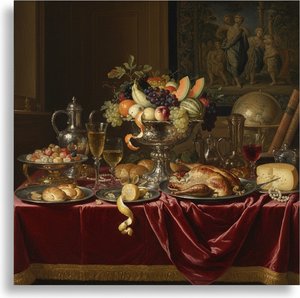
Abraham Hendricksz van Beyeren: Pioneering Dutch Still Life & the Banquet Tradition
Explore the captivating world of Dutch Golden Age still life with Abraham van Beyeren. Discover his innovative techniques, symbolic banquet scenes & lasting influence on art history. Learn about collecting these masterpieces.
The Enduring Appeal of Still Life: A Historical & Contemporary Exploration
Explore the rich history & symbolism of still life painting with OriginalUniqueArt. Discover masterpieces from the Dutch Golden Age, learn about vanitas art, and find expert guidance for collecting timeless artworks.

Silent Narratives: Exploring the Enduring Appeal of Still Life Painting Across Centuries
Explore the rich history of still life painting with OriginalUniqueArt. Discover Dutch Masters, decode vanitas symbolism & learn about collecting timeless art. Expert insights and museum-quality reproductions.

Golden Age Reflections: Dutch Baroque Painting & Cultural Innovation
Explore the Dutch Golden Age of painting! Discover key artists like Vermeer & ter Borch, their innovative techniques, and the rich cultural context behind these Baroque masterpieces. Learn about collecting & appreciating this iconic art period.