Perjungti į spausdinamus版作品
 Skaityti daugiau







































 Dėl meno kūrinių ar reprodukcijų, kurių bet kuri pusė yra didesnė nei 105 cm (apie 41 inch), rėmas bus siunčiamas kaip išskaidytas surinkimo rinkinys. Šis metodas užtikrina saugų pristatymą ir apsaugo nuo transportavimo metu galimos žalos.


The Radiance of Industry: A Visionary Masterpiece
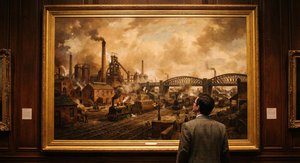
In the heart of the eighteenth century, as the world stood on the precipice of a profound technological transformation, Joseph Wright of Derby captured a moment that was both deeply human and intensely scientific. An Iron Forge, completed in 1772, is far more than a mere depiction of manual labor; it is a carefully orchestrated tableau that embodies the very spirit of the Enlightenment. The painting transports the viewer into the sweltering, nocturnal atmosphere of a blacksmith’s workshop, where the air seems thick with the scent of coal and the heat of creation. At its center, the intense, incandescent glow of a freshly forged iron bar serves as the primary light source, casting long, dramatic shadows that dance across the faces of those gathered. This is not just a scene of industry, but a spiritual encounter with the power of human ingenuity.
Wright’s technical mastery is most evident in his use of tenebrism, an exaggerated form of chiaroscuro that creates a breathtakingly stark contrast between light and dark. By plunging much of the workshop into deep, impenetrable shadow, he directs our gaze with surgical precision toward the central figures and the molten brilliance of the metal. This technique does more than create visual drama; it elevates the mundane task of blacksmithing to something monumental. The way the light catches the textures of stone, iron, and skin invites the viewer to step into the forge, making the experience visceral and immersive. For the collector or designer, this painting offers a profound sense of depth and theatricality, capable of anchoring a room with its commanding presence and atmospheric weight.
Symbolism and the Spirit of Progress
Beyond its striking visual impact, An Iron Forge is rich with the intellectual currents of its era. The glowing iron bar acts as a powerful symbol of scientific advancement—a literal beacon of light piercing through the darkness of superstition and the unknown. Wright, closely connected to the influential Lunar Society in Birmingham, sought to celebrate the intersection of science, industry, and tradition. In this composition, the blacksmith stands as a bridge between worlds; he is a master of ancient craft, yet his work utilizes modern advancements like the water-powered trip hammer. The presence of his family within the scene adds a layer of poignant humanity, suggesting a harmonious transition where innovation does not destroy heritage but rather illuminates it.
The emotional resonance of the piece lies in its ability to evoke both awe and wonder. There is a palpable sense of excitement in the way the light illuminates the onlookers, mirroring the collective fascination with new discoveries that defined the Age of Reason. To possess a reproduction of this work is to invite a conversation about the enduring human desire to shape our world through intellect and labor. It remains a cornerstone of Romantic art, offering an evocative narrative of progress that continues to inspire those who appreciate the profound relationship between light, shadow, and the transformative power of human endeavor.
Klausimai ir atsakymai
Atsižvelgiant į spalvas, oje rekomenduojamas „An Iron Forge“ – Džozefas Raitas?
Atsižvelgiant į jo Earthy spalvas, kūrinys „An Iron Forge“ puikiai tiktų Living Room kambariui.
Kuriame namų kambaryje gerai tiktų „An Iron Forge“ reprodukcija?
Kūrinys „„An Iron Forge“ – Džozefas Raitas“ rekomenduojamas Living Room. Šis pasiūlymas pagrįstas darbo tema, spalvomis ir nuotaika.
Kokia bendra „An Iron Forge“ – Džozefas Raitas nuotauda?
Bendrąją „An Iron Forge“ – Džozefas Raitas nuotaiką apibrėžia Dramatic. Ši nuotaika atspindi bendrą kūrinio atmosferą.
Daugiau informacijos apie šį paveikslą
 Peržiūrėti realaus dydžio版
 Pasidalinti
 Dalintis
 Išsamiau
 Vadovas

 Atsisiųsti
 Panašūs eksponatai
 Rentgeno spindulių nuotrauka
 Automatinė diorama
 问答
问答 Statistika