
 Peržiūrėti realybėje
 Pasidalinti
 Dalintis
 Išsamiau

 Atsisiųsti
 Panašūs eksponatai
 Rentgeno nuotrauka
 Automatinė diorama
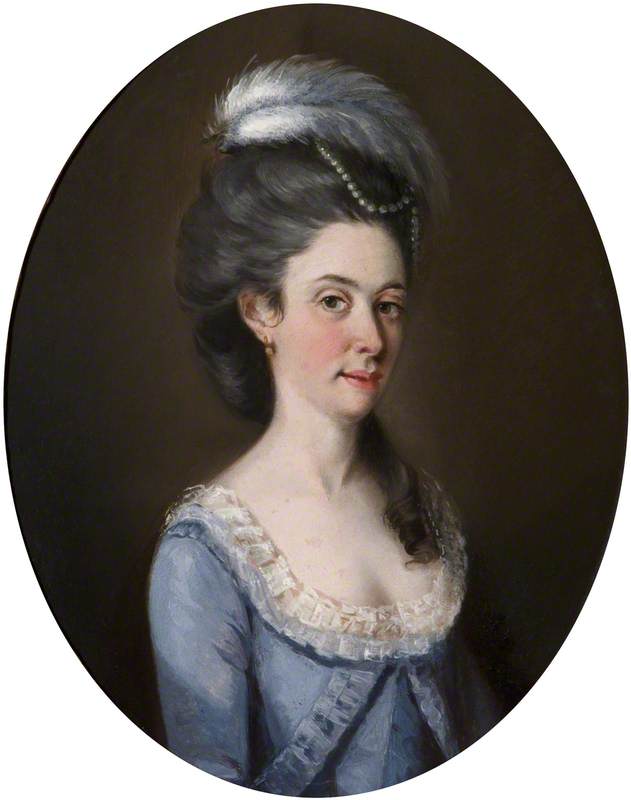
Miss Maxwell


 Skaityti daugiau
Įsigykite aukštos skiriamosios raiškos, patobulintą skaitmeninį vaizdą, gerokai pranašesnį už internetinę peržiūrą.
Kiekvieną failą mūsų specialistai kruopščiai paruošia naudojant pažangias technologijas ir profesionalų rankinį retušavimą. Užtikriname, kad kiekvienas vaizdas pasižymėtų išskirtiniu aiškumu, tikslia spalvų atspalviu ir smulkiomis detalėmis.
Baigiamas failas el. paštu pristatomas per 72 valandas; jis optimizuotas nedelsiant naudojimui profesionalioje, redakcinėje ir spausdinimo aplinkoje. Tai ta pati kokybė, kuria pasitiki aukščiausios klasės dizaino studijos, leidyklos ir galerijos.
Skaitmeninis vaizdas
Atsisiųskite didelės raiškos failą asmeniniam naudojimui, spausdinimui ir kūrybiniams projektams. ( Pirkti spaudinį Pirkti rankomis tapytą paveikslą)
Kiekvieną skaitinio vaizdo užsakymą papildė
Profesionalus skaitmeninis pristatymas, garantuotas
Pasirinkę OriginalUniqueArt.com, jūs ne tik gaunate paveikslėlį – jūs gaunate profesionaliai patobudintą skaitmeninį kūrinį, sukurtą itin tikniai ir užtikrinantį pasitenkinimą. Štai viską, kas automatiškai pritékia jūsų užsakymui:

Greitas siuntimas el. paštu
Jūsų aukštos raiškos skaitmeninis vaizdo failas bus išsiųstas jums el. paštu per 72 valaudas nuo užsakymo – paruoštas naudojimui be jokių papildomų veiksmų.

Skaitmeninis failas su dirbtiniu intelektu
Jūsų meno kūrinys profesionaliai optimizuojamas naudojant pažangius dirbtinio intelekto įrankius ir rankinį redagavimą, užtikrinant maksimalią detalę, aiškumą ir spalvų tikslumą.

Nemokamas visam laikui pakartotinis siuntimas
Atsitiktinai ištrytikote ar praradote savo failą? Nebijokite – bet kuriuo metu atsiųsime jį jums vėl nemokamai.

Jokio importo mokesčio – niekada
Mėgaukitės savo meno kūriniu akimirka – skaitiniai failai visada yra neapmokestinami, todėl nereikės mokėti muitinės, mokesčių ar pristatymo mokesčių.

Spalvų tikslumo garantija
Naudodami profesionalią įrangą ir spalvų valdymo sistemas, užtikriname, kad jūsų skaitmeninis vaizdas kuo tiksliau atspindėtų originalias spalvas.

60 dienų pasitenkinimo garantija
Jei nebuvate patenkinti savo skaitinio vaizdo, per 60 dienų jį pertaisysime arba grąkinsime 100% sumą – be jokių klausimų.

100% pinigų grąžinimo garantija
Nepat 만족inti? Gaukite visą sumokėtą sumą per 60 dienų nuo skaitmeninio failo gavimo – be jokių papildomų klausimų.

Nuolaidos dideliems užsakymams
Pirkti 3 nuotraukas – pasiūla 10% - Pirkti 5 – pasiūla 15% - Pirkti 10 ir daugiau – pasiūla 20%. Puikiai tinka kūrybiniams projektams, galerijoms bei agentūroms.
Autoriaus biografija
A Life Etched in Portraiture: Joseph Wilson (1763 – c. 1840)
The late eighteenth and early nineteenth centuries witnessed a flourishing of portraiture, a visual language that spoke volumes about status, intellect, and the burgeoning sense of individual identity. Within this vibrant milieu stood Joseph Wilson, an artist whose meticulous brushwork captured not merely likenesses but the very essence of his sitters—prominent figures navigating a world on the cusp of profound change. While biographical details remain somewhat elusive, piecing together fragments from auction records, period accounts, and stylistic analysis reveals a life dedicated to the art of representation, primarily in Scotland. Born around 1763, Wilson’s career unfolded against a backdrop of Enlightenment ideals and the rising tide of Romanticism, influences that subtly permeated his work. He wasn't a flamboyant innovator; rather, he excelled as a skilled craftsman, providing discerning patrons with portraits that were both elegant and psychologically insightful.Early Career and Scottish Patronage
Wilson’s artistic journey began in an era where formal art academies were gaining prominence, though the exact nature of his training remains unclear. It is believed he received instruction from local masters before establishing himself as a portrait painter in Scotland. The Scottish art scene during this period was particularly receptive to portraiture, fueled by a growing merchant class and landed gentry eager to immortalize their families and achievements. Wilson quickly found favor with these patrons, securing commissions that allowed him to hone his technique and develop a distinctive style. His early works demonstrate a clear understanding of Rococo aesthetics—delicate brushstrokes, pastel palettes, and an emphasis on refined elegance. However, even in these initial pieces, there’s a sense of restraint, a move away from the overt frivolity often associated with the Rococo towards a more sober and dignified representation. He established a studio in Edinburgh, becoming a sought-after artist for those wishing to have their image preserved for posterity.Technique and Style: A Master of Detail
Wilson’s enduring appeal lies in his remarkable technical skill. He was a master of oil on panel, employing layers of glazing to create luminous skin tones and intricate details. His portraits are characterized by an almost photographic realism—the textures of fabrics, the gleam of jewelry, the subtle nuances of facial expression are all rendered with painstaking accuracy. Yet, Wilson’s artistry extended beyond mere replication. He possessed a keen eye for character, subtly conveying his sitters' personalities through posture, gaze, and the carefully chosen accessories. His compositions were typically straightforward—sitters posed against neutral backgrounds, allowing their features to take center stage. This focus on the individual, combined with his meticulous technique, resulted in portraits that were both visually striking and psychologically compelling. A prime example is ‘Miss Maxwell’ (1782), a delicate miniature showcasing elegance and status; the exquisite detail speaks volumes about Wilson's dedication to capturing not just appearance but also social standing.Later Years and Legacy
As the nineteenth century progressed, artistic tastes began to shift. The rise of Romanticism favored more dramatic compositions and emotional intensity, while the Pre-Raphaelites championed a return to medieval forms. While Wilson continued to receive commissions throughout his career, his style remained largely consistent—a testament to his unwavering commitment to his own aesthetic principles. Records indicate he worked steadily until around 1840, though details of his final years are scarce. His legacy resides in the numerous portraits he created, which offer a fascinating glimpse into Scottish society during a period of significant transformation. While not as widely celebrated as some of his contemporaries, Wilson’s work continues to be admired for its technical brilliance and psychological depth. He represents a crucial link between the Rococo elegance of the eighteenth century and the more naturalistic portraiture that would come to define the Victorian era.The Curious Case of Joseph Ruggles Wilson: A Name Shared
It is important to note a potential source of confusion regarding this artist’s identity. The name “Joseph Wilson” was also borne by several individuals during the same period, most notably Joseph Ruggles Wilson Sr., a prominent American Presbyterian theologian and father of President Woodrow Wilson (1822-1903). While both men shared the same first name, their lives and careers were entirely distinct. The American Joseph Wilson was a religious leader and educator, while our artist—the subject of this biography—was primarily focused on portraiture in Scotland. This overlap in names can lead to misattribution and inaccuracies in historical records, highlighting the importance of careful research when studying artists from this era. It is crucial to differentiate between these two figures, ensuring that each receives due recognition for their respective achievements. Further complicating matters is a Joseph Wilson Forster (1789-1860), another British portrait artist active in the 19th century, known for his detailed depictions of statesmen and intellectuals.
Trumpai apie šį kūrėją
- Artistic Movement Or Style: 18th Century Portraits
- Full Name: Joseph Wilson
- Notable Artworks:
- Miss Maxwell
- William Magee
- Mrs. James McTear
- Other Names:
- Hugh Cameron Wilson
- Rev. Dr. Joseph Ruggles Wilson Sr.

