
 Peržiūrėti realaus dydžio版
 Pasidalinti
 Dalintis
 Išsamiau
 Vadovas

 Atsisiųsti
 Panašūs eksponatai
 Rentgeno spindulių nuotrauka
 Automatinė diorama
 Q&A
Q&A Statistika
Ludwig van Beethoven

- 62.0 x 47.0 cm


 Skaityti daugiau
Giclée / Meno spausdinimas
Muziejų lygio „giclée“ arba drobos spausdinimas: greita gamyba ir lankstios apdailos parinktys. ( Pirkti rankų darbo tapybą Perejti prie skaitmeninių vaizdų)




P118B €10

P118H €10

P118W €10

P438Z €10

P508JH €12

P508YH €12

P805H €10

P805Z €10

P919BZ €10

P919G €10

P919XJ €10

P959ZH €10

P968JZ €12

W106C €8

W218G €10

W218JH €8

W218Y €10

W307PJ €10

W316G €10

W316PJ €8

W316Y €10

W398PJ €8

W4111J €10

W500HY €15

W500JH €15

W692G €12

W849H €8

W940BG €15

W953PJ €8




Pasirinkite iš mūsų nustatytų dydžių, atitinkančių originalaus meno kūrinio proporcijas.

Įveskite jums reikiamą plotį ir aukštį, kad atvaizdas derėtų prie jūsų rėmo ar sienos. Spausdiną galima tik sumažinti, bet nepadidinti virš originalaus paveikslėlio dydžio, todėl keičiant proporcijas, dalis vaizdo prarandama. Prieš spausdinimą atsiųsime jums skaitmeninį maketą patvirtinimui. Šioje puslapio nuotraukoje matomas pjūvis nėra tikslus – jį rodo tik maketas.
Pristatymas visame pasaulyje () per 2 weeks, o ne įprastas 4/5 savaičių laikotarpis. (3 lapkritis)

Nemokamas greitasis pristatymas visame pasaulyje

Aukštos kokybės lininis drobė

Pilnas siuntimo draudimas

Muitinės mokesčių grąžinimo garantija

Tikro spalvų atitikimo garantija

100 dienų grąžinimo politika (tik esant įtaigoms)

100% pinigų grąžinimo garantija

Nuolaida dideliems užsakymams
 Stiklo variantas prieinamas tik pasirinkus dydį iki 110 cm

Ludwig van Beethoven
Giclée / Meno spausdinimas
Reprodukcijos matmenys
-


Bendroji kaina
€ 71
A Portrait of Earnest Intensity: Joseph Mähler's Beethoven
Joseph Willibrord Mähler’s 1815 portrait of Ludwig van Beethoven is more than simply a likeness; it’s a profound distillation of the composer’s inner life, rendered with a remarkable sensitivity to both his physical presence and the palpable weight of his genius. Measuring a substantial 62 x 47 cm, this oil-on-canvas work, now residing at the Beethoven-Haus in Bonn, Germany, offers an intimate glimpse into the world of one of music’s most iconic figures during a pivotal period of his life.
- The Subject: The painting depicts Beethoven as he appeared around 1815, a time marked by increasing deafness and a growing sense of isolation. His formal attire – a black suit accented by a crisp white shirt and tie – speaks to the societal expectations of the era, yet his bearing is one of quiet intensity.
- Mähler’s Technique: Mähler was a skilled portraitist influenced by the Neoclassical style, evident in the carefully constructed composition and the precise rendering of Beethoven's features. The artist masterfully employs light and shadow to sculpt Beethoven’s face, emphasizing his furrowed brow and the unwavering gaze directed squarely at the viewer. This direct engagement creates an immediate connection, inviting us to contemplate the complexities within.
A Window into a Troubled Genius
The portrait emerges from a fascinating historical context. 1815 was a year of immense upheaval in Europe, following the defeat of Napoleon and the subsequent reshaping of political boundaries. Beethoven, deeply affected by these events and increasingly reliant on his music as a means of expression, embodies the spirit of this turbulent time. The artist’s choice to capture Beethoven's direct gaze is particularly significant; it suggests a man grappling with profound questions about humanity, art, and his own place in the world.
- Symbolism of Appearance: While outwardly conforming to societal norms through his attire, Beethoven’s appearance subtly hints at his internal struggles. The severity of his expression, coupled with the meticulously rendered beard and mustache – hallmarks of his later years – speaks volumes about the challenges he faced.
The Legacy of Rembrandt Peale and Neoclassical Portraiture
It's crucial to acknowledge the influence of Rembrandt Peale, a contemporary artist whose career profoundly shaped the landscape of American portraiture. Peale’s emphasis on capturing not just physical likeness but also character and dignity resonated with Mähler, contributing to the overall impact of this portrait. The Neoclassical style, championed by artists like Jacques-Louis David, favored clarity, order, and a return to classical ideals – principles evident in Mähler's meticulous brushwork and balanced composition.
- Historical Context: Mähler’s work reflects the broader artistic trends of the early 19th century, where portraiture served as both a commemoration of prominent figures and a reflection of prevailing social and intellectual currents.
Emotional Resonance and Artistic Value
This reproduction offers more than just an image; it provides a tangible connection to one of history’s most celebrated composers. The painting's enduring appeal lies in its ability to capture the essence of Beethoven – his brilliance, his struggles, and his unwavering dedication to his art. A hand-painted reproduction allows you to bring this powerful portrait into your own space, fostering contemplation and appreciation for a musical giant whose legacy continues to inspire.
Klausimai ir atsakymai
Kokia emocinė nuotaika lydi „Ludwig van Beethoven“ kūrinį, priskiriamą Romantic Portraiture stiliui?
Romantic Portraiture kryptimi Romantic Portraiture stiliaus metu „Ludwig van Beethoven“ užfiksuotas Reflective tonu.
Kokio atspalvio link tendencija yra „Ludwig van Beethoven“?
Dominuojantis „Ludwig van Beethoven“ – Joseph Willibrord Mähler atspalvis yra Ochre to Sepia.
Kiek žmonių žiūri į „Ludwig van Beethoven“?
„Ludwig van Beethoven“ – Joseph Willibrord Mähler puslapio Statistika statistika rodo viešųjų apsilankymų duomenis: šio kūrinio mėnesinius apsilankymus, palyginimą su daugiausia peržiūrėtomis šio autoriaus dalimis bei lankytojų kilmės regionus.
Susiję straipsniai

The Enduring Legacy of Oil on Canvas: Technique, History & Aesthetic Impact
Explore the rich history & techniques of oil painting – from Renaissance masters to Impressionism. Discover pigments, layering methods, and why this timeless medium endures. Expert insights for artists & art enthusiasts.

Giclée Prints: Archival Quality & Aesthetic Nuances for the Discerning Collector
Explore the world of giclée prints with OriginalUniqueArt. Learn about archival quality, aesthetic nuances & investment potential. Expert guidance for discerning art collectors seeking museum-quality reproductions and lasting value.
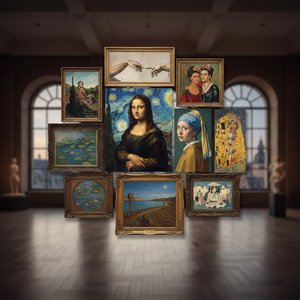
Oil on Canvas Masters: 10 Paintings That Redefined Art History |
Journey through art history with our guide to 10 legendary oil on canvas masterpieces! Explore iconic works by Van Gogh, Monet & Rembrandt. Find museum-quality reproductions and elevate your home decor at . Discover all masterpieces online.

Aliejinės tapybos paveldas drobėje: technika, istorija ir šiuolaikinės praktikos subtilybės
Atraskite aliejinės tapybos paslaptis! Istorija, technika, drobės pasirinkimas ir šiuolaikinė praktika. Patarimai meno kolekcionieriams ir kūrėjams iš ekspertų.

Oil on Canvas: A Historical & Technical Exploration of a Timeless Artistic Medium
Explore the rich history & enduring techniques of oil painting on canvas. Discover the science behind its longevity, conservation practices, and contemporary relevance. Expert insights for art enthusiasts.