

 Peržiūrėti realaus dydžio版
 Siųsti
 Dalintis
 Išsamiau
 Vadovas

 Atsisiųsti
 Panašūs eksponatai
 Rentgeno spindulių nuotrauka
 Diaporama
 Statistika
One bedroom
 Painting
- Romanticism
 19th Century
 14.0 x 19.0 cm
 Rodyti daugiau
Rankų darbo aliejinės reprodukcijos
Rankiniu būdu tapytas aliejus ant droblio jūsų pageidaujamame dydį ir rėmuose – mūsų menininkų darbas pagal užsakymą. ( Perjungti į spausdinimą Perejti prie skaitmeninių vaizdų)




P118B $10

P118H $10

P118W $10

P438Z $10

P508JH $12

P508YH $12

P805H $10

P805Z $10

P919BZ $10

P919G $10

P919XJ $10

P959ZH $10

P968JZ $12

W106C $8

W218G $10

W218JH $8

W218Y $10

W307PJ $10

W316G $10

W316PJ $8

W316Y $10

W398PJ $8

W4111J $10

W500HY $15

W500JH $15

W692G $12

W849H $8

W940BG $15

W953PJ $8




Pasirinkite iš mūsų nustatytų dydžių, atitinkančių originalaus meno kūrinio proporcijas.

Galite įvesti savo matmenis, kad jie atitiktų konkretų rėmą ar erdvę. Jei pasirinktas dydis neatitinka originalaus paveikslėlio proporcijų, mes arba apkropsime meno kūrinį, arba papildysime tapybą rankomis dažytい elementais. Prieš pradėdami gamybą, jūsų patvirtinimui atsiųsime skaitmeninį maketą.
Atkreipkite dėmesį, kad ekrane rodomas vaizdas neatspindi tikrojo apkarpymo ar papildymo. Tik maketas tiksliai parodys galutinę kompoziciją.
Nors galima rinktis ir individualius dydžius, rekomenduojame pasirinkti matmenis iš nustatytos sąrašo, kad būtų išlaikytos originalios proporcijos.
Gavus užsakymą, OriginalUniqueArt.com komanda susisieks su klientu el. paštu dėl instrukcijų ir pateiks maketo pavyzdį
Pristatymas visame pasaulyje () per 3–4 savaites, o ne įprastai – per 5 savaites. (25 rugsėjis). Kokybė lieka nepakeičiama.

Nemokamas greitasis pristatymas visame pasaulyje

Aukštos kokybės lininis drobė

Pilnas siuntimo draudimas

Muitinės mokesčių grąžinimo garantija

Tikro spalvų atitikimo garantija

100 dienų grąžinimo politika (tik esant įtaigoms)

100% pinigų grąžinimo garantija

Nuolaida dideliems užsakymams
 Stiklo variantas prieinamas tik pasirinkus dydį iki 110 cm

One bedroom
Reprodukcijos technika
Reprodukcijos dydis
-


Visų pasirinktų variantų kaina
$ 300
The Intimate Glow of Solitude: Exploring "One Bedroom"
To gaze upon "One Bedroom," is to step through a veil into a moment suspended in amber light. This evocative piece, channeling the spirit of William Turner, transcends mere depiction; it offers an emotional resonance, an intimate whisper captured on canvas. The scene itself—a private chamber dominated by the soft expanse of white bedding—immediately draws the viewer into a realm of quiet contemplation. One senses the weight of untold stories lingering in the warm embrace of the red walls, colors that speak of deep passion yet are softened by the diffused light filtering through the drawn curtain.
A Masterclass in Romantic Technique
The technical brilliance here lies in its very looseness. Characteristic of the Romantic movement, the artist eschews crisp delineation for an atmospheric poetry. Notice how the brushstrokes do not merely record; they suggest. They build texture—the silky fall of the curtain contrasting with the solid shadow cast by the figure to the left. This handling of paint is a dialogue between light and pigment, where color itself becomes the primary subject. It is less about what is seen precisely, and more about how it feels to be within that space at twilight.
Symbolism of Rest and Reflection
The composition speaks volumes through its quietude. The bed, a universal symbol of rest, vulnerability, and transition, anchors the piece. Yet, the partially obscured figure adds a layer of mystery—are they departing, or merely resting in thought? This ambiguity is key to the painting's enduring power. It invites the collector, the decorator, the admirer, to project their own narratives onto the canvas. The room becomes a mirror for the soul, suggesting that true moments of self-discovery often occur when the world outside fades and only the soft glow remains.
Integrating Art into Living Space
For those considering this piece as an element of interior design, "One Bedroom" offers unparalleled depth. Its warm palette—the rich reds juxtaposed with creamy whites and deep umbers—is inherently comforting. It does not shout for attention; rather, it settles in, enriching the ambiance of a bedroom or drawing-room corner. A high-quality reproduction allows one to bring this captured sense of tranquility into daily life, transforming a mere wall surface into a portal of gentle reflection.
Autoriaus biografija
The Luminary of Light: A Journey Through the Life and Art of J.M.W. Turner
Joseph Mallord William Turner, a name synonymous with the sublime power of landscape and the evocative dance of light, remains one of Britain’s most celebrated and influential artists. Born in Covent Garden, London, in 1775, Turner's journey from a barber’s son to a master painter was fueled by an innate talent, relentless dedication, and a visionary spirit that would forever alter the course of art history. From his earliest days sketching architectural details to his later, almost abstract explorations of atmosphere and color, Turner consistently pushed the boundaries of artistic expression. His formal training began at the Royal Academy Schools in 1789, where he quickly distinguished himself as a promising student. However, Turner was not content with merely replicating established styles; he sought to capture the very essence of nature – its raw power, its fleeting beauty, and its inherent drama. Early works reveal a meticulous attention to topographical detail, reflecting the prevailing artistic tastes of the time. Yet, even in these early pieces, hints of his future direction are visible—a sensitivity to light and shadow, a willingness to experiment with color, and an emerging fascination with the sublime. He was particularly drawn to the Romantic movement’s emphasis on emotion and imagination, rejecting the neoclassical preoccupation with reason and order.The Evolution of a Visionary: From Topography to Transcendence
Turner's artistic development was marked by constant experimentation and a growing desire to move beyond mere representation. Influenced by masters like Claude Lorrain and J.M.W. Cozens, he began to infuse his landscapes with a romantic sensibility, emphasizing emotional response over precise depiction. His travels throughout Europe, beginning in 1802, proved pivotal, exposing him to diverse landscapes and inspiring new approaches to composition and color. He wasn’t simply recording what he saw; he was interpreting it through the lens of his own unique vision. These expeditions broadened his artistic horizons and solidified his belief that art should strive for something beyond mere visual accuracy—a profound connection with the natural world and an expression of human experience. The early 19th century witnessed a shift in Turner's style towards greater expressiveness. His seascapes, in particular, became increasingly dramatic, capturing the fury and majesty of the ocean with unprecedented intensity. Paintings like “The Fighting Temeraire Tugged to Her Last Berth to Be Broken Up” (1839) are not merely depictions of a ship being towed to its final resting place; they are poignant meditations on mortality, loss, and the relentless march of progress. The use of light in this work is particularly striking—a golden sunset casting a melancholic glow over the scene, symbolizing the passing of an era. Turner skillfully employed *Impasto* technique – applying thick layers of paint to create textural surfaces that conveyed movement and emotion.A Master of Atmosphere: Light, Color, and the Sublime
Turner’s later works are characterized by an almost radical departure from traditional artistic conventions. He increasingly prioritized atmosphere and color over form and detail, creating paintings that seem to dissolve into pure light and energy. Works like “Rain, Steam and Speed – The Great Western Railway” (1844) exemplify this approach—a swirling vortex of color and motion that captures the dynamism of the industrial age. Critics were often baffled by these later works, but their influence on subsequent generations of artists would prove profound. Turner wasn’t simply painting landscapes; he was attempting to convey the very *feeling* of being in nature – the awe, the wonder, the terror—a pursuit that anticipated the Impressionists' focus on capturing fleeting moments and subjective perceptions.- Notable Works: “The Fighting Temeraire Tugged to Her Last Berth to Be Broken Up”, “Rain, Steam and Speed – The Great Western Railway”, “Ruins of Tintern Abbey”
- Influences: Claude Lorrain, J.M.W. Cozens
- Technique: Impasto (thick paint application), Atmospheric Perspective
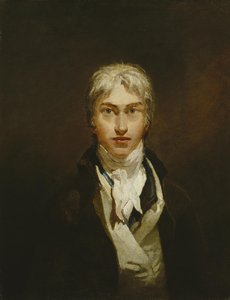
Viljamas Terneris
1775 - 1851 , Didžioji Britanija
Trumpa informacija apie kūrėją
- Artistic Movement Or Style: Romantizmas
- Artists Or Movements Influenced By This Artist: ['Claude Lorrain']
- Date Of Birth: Balandžio 23, 1775
- Date Of Death: Gruodžio 19, 1851
- Full Name: Joseph Mallord William Turner
- Nationality: Britas
- Notable Artworks:
- Šiovė Širmas
- Didžiojo vakarų geležinkelio paveiksla
- Place Of Birth: Londonas, Didžioji Britanija
Susiję straipsniai

Walnut Hues & Masterpieces: 10 Famous Paintings for Elegant Home Decor
Explore 10 famous paintings bathed in rich walnut tones! From Rembrandt to Vermeer, discover timeless masterpieces & the stories behind them. Find museum-quality art reproductions for your home at . Explore the full collection online.
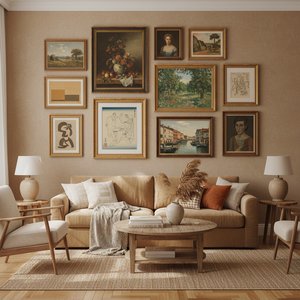
Tan Tones & Timeless Masterpieces: 10 Paintings for Elegant Home Decor
Explore 10 famous paintings dominated by captivating tan tones! From Renaissance portraits to Impressionist landscapes, discover art history's most serene masterpieces. Find museum-quality reproductions & elevate your home decor on .
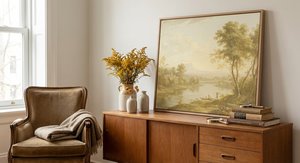
Pale Goldenrod Masterpieces: 10 Famous Paintings & Timeless Art Decor Ideas
Explore 10 famous paintings bathed in 'Pale Goldenrod' tones! From Van Gogh’s sunflowers to Monet’s haystacks, discover the stories & artistry behind these iconic artworks. Find museum-quality reproductions and curated decor ideas at OriginalUniqueArt.com.
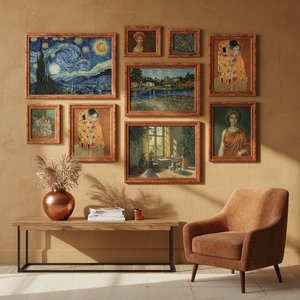
Copper Hues & Masterpieces: 10 Iconic Paintings for Timeless Home Decor
Explore 10 iconic paintings bathed in rich copper tones! From Rembrandt to Klimt, discover the stories behind these masterpieces & their warm color palettes. Find museum-quality art reproductions for your home at OriginalUniqueArt.com.
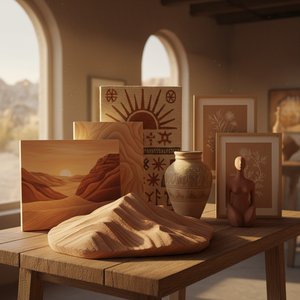
Sandstone & Sunlight: 10 Masterpieces of Earth-Toned Art |
Journey through 10 iconic paintings bathed in 'sand' tones – from Van Gogh to Monet. Explore the stories, techniques & warm palettes of these timeless masterpieces. Find museum-quality art reproductions at and bring classic beauty home.


