- Pradžia

- Spausdinimas ant drobės
- josefina e. bodnar
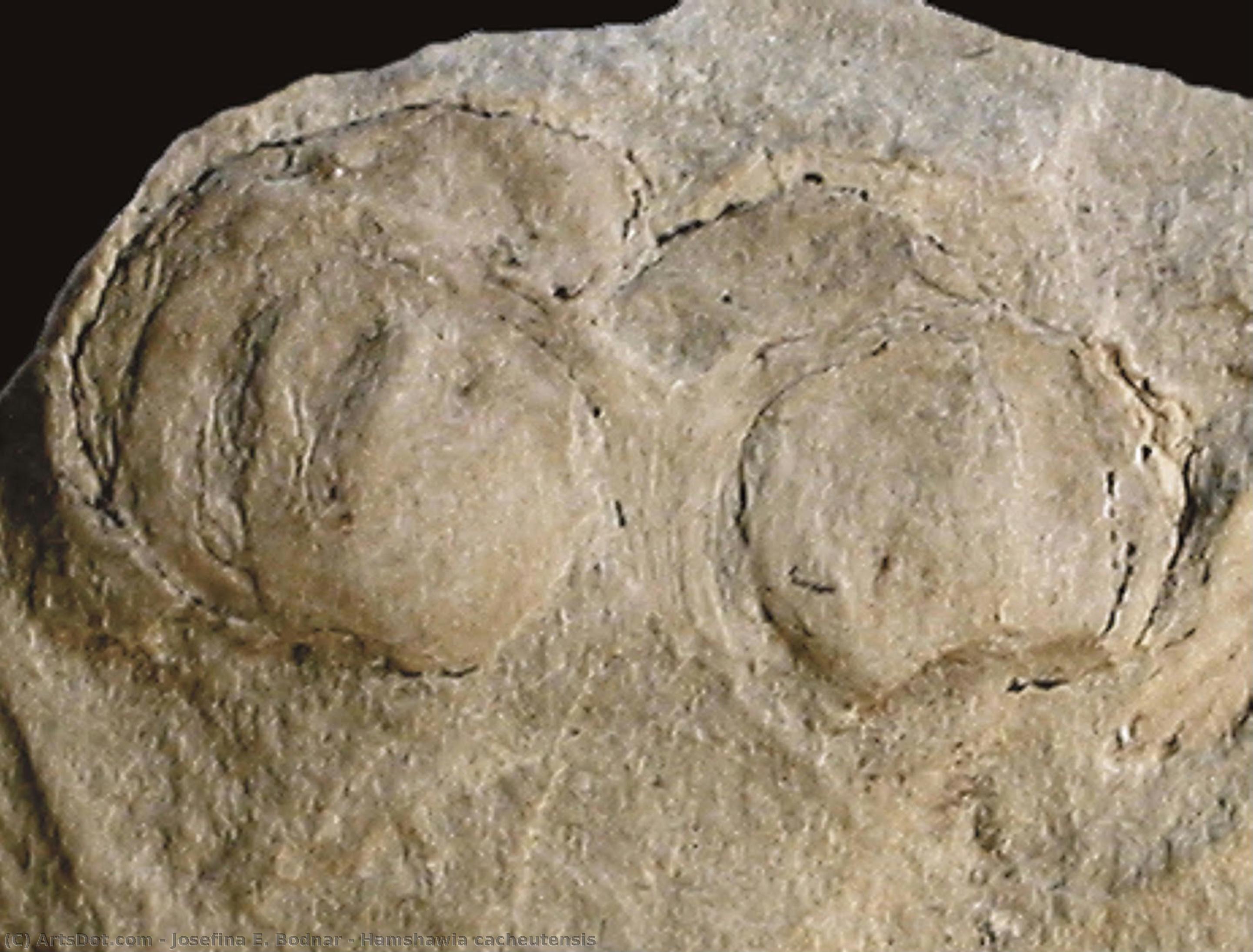
- Hamshawia cacheutensis
 Užsisakyti kopiją Pirkti skaitmeninį paveikslą
 Pasidalinti
 Dalintis
 Išsamiau
 Pridėti į mėgstamiausius

 Atsisiųsti
 Panašūs eksponatai
 Rentgeno nuotrauka
 Automatinė diorama
Hamshawia cacheutensis


 Skaityti daugiau
Giclée / Meno spausdinimas
Muziejų lygio „giclée“ arba drobos spausdinimas: greita gamyba ir lankstios apdailos parinktys.




































Pasirinkite iš mūsų nustatytų dydžių, atitinkančių originalaus meno kūrinio proporcijas.

Galite nurodyti savo matmenis, kad vaizdas atitiktų konkretų rėmą ar erdvę. Jei pasirinktas dydis nesutaps su originalaus paveikslėlio proporcijomis, mes arba apkirpsime kūrinį, arba išplėsime vaizdą naudojant veideliu atspindėtą arba vientisą šoną. Skaitmeninis maketas bus išsiųstas jums patvirtinti prieš pradedant gamybą.
Atkreipkite dėmesį, kad ekrane matomas vaizdinys neatspindi tikrojo apkirpimo ar išplėtimo. Tik maketas tiksliai parodytų galutinę kompoziciją.
Nors galima rinktis ir individualius dydžius, rekomenduojame pasirinkti vieną iš išanksti nustatytų matmenų, kad būtų išlaikytos originalios proporcijos.
Pristatymas visame pasaulyje () per 2 weeks, o ne įprastas 4/5 savaičių laikotarpis. (18 liepa)

Nemokamas greitasis pristatymas visame pasaulyje

Aukštos kokybės lininis drobė

Pilnas siuntimo draudimas

Muitinės mokesčių grąžinimo garantija

Tikro spalvų atitikimo garantija

60 dienų grąžinimo politika (tik esant gamyklinėms defektams)

100% pinigų grąžinimo garantija

Nuolaida už kelias reprodukcijas
 Stiklo variantas prieinamas tik pasirinkus dydį iki 110 cm

Hamshawia cacheutensis
Giclée / Meno spausdinimas
Reprodukcijos matmenys
-


Galutinė kaina
-
Autoriaus biografija
Introduction: A Paleobotanist’s Artistic Vision
Josefina E. Bodnar is a singular figure, blending the rigorous discipline of paleobotany with an extraordinary artistic sensibility. Born in La Plata, Argentina, in 1981, her journey began not within the hallowed halls of art galleries but amidst the fossilized remnants of ancient plant life. This unique foundation—a deep understanding of prehistoric ecosystems and a meticulous eye for detail—forms the bedrock of her captivating artwork, which seeks to resurrect vanished flora with breathtaking accuracy and emotional resonance. Her work isn’t simply reproduction; it's reconstruction – a painstaking process of translating fossil data into vibrant, evocative images that invite viewers to contemplate the lost beauty of Earth’s distant past. Bodnar’s current role as Head of the Laboratory at the Universidad Nacional de La Plata (UNLP) and her ongoing research within the Museo de la Plata further cement her position as a leading voice in the intersection of science and art, demonstrating a commitment to both preserving our planet's botanical heritage and sharing it with the world.Early Life and Scientific Foundations
Bodnar’s fascination with paleobotany began early, nurtured by her upbringing in Argentina – a region rich in fossil deposits. Her academic pursuits led her to specialize in botany and palaeobotany at the Universidad Nacional de La Plata, where she honed her skills in fossil identification, analysis, and reconstruction. This rigorous scientific training is evident in every piece of her artwork; each meticulously rendered plant is grounded in years of research, geological context, and a profound understanding of evolutionary relationships. Her published papers, including the 2021 study on *Neochamberlainia pteridospermoidea*, highlight her dedication to advancing our knowledge of ancient flora and contributing to the scientific community. Beyond academia, Bodnar’s work is deeply rooted in the Museo de La Plata, where she actively participates in research projects and contributes significantly to the museum's collection of fossil plant specimens – a testament to her commitment to both scholarship and public engagement.The Art of Reconstruction: Technique and Process
Bodnar’s artistic process is as fascinating as the subjects she portrays. She doesn’t rely on traditional botanical illustration techniques; instead, she employs a hybrid approach that combines scientific precision with an intuitive understanding of form and color. Her work begins with painstaking analysis of fossil fragments – often incredibly small and fragmented – using advanced imaging technologies like CT scanning to reconstruct three-dimensional models. These digital reconstructions serve as the foundation for her paintings, allowing her to accurately capture the intricate details of ancient plant structures. She then translates these models into vibrant oil paintings, utilizing a layered technique that builds up color and texture gradually, mimicking the natural patterns found in fossilized remains. Crucially, she avoids simply replicating the fossils; instead, she imagines what these plants *looked* like – their coloration, their textures, their overall form – based on her scientific knowledge and artistic intuition. This process results in images that are both scientifically accurate and deeply evocative, transporting viewers back to a time when these plants dominated the landscapes of our planet.Notable Works: Moltenia wardii and Zuberia zuberi
Bodnar’s portfolio showcases a remarkable range of prehistoric flora, each piece offering a unique glimpse into Earth's distant past. *Moltenia wardii*, one of her most celebrated works, exemplifies her ability to capture the delicate beauty of extinct plants. The painting vividly portrays this Cretaceous fern, showcasing its intricate fronds and subtle coloration – a testament to Bodnar’s meticulous attention to detail. Similarly, *Zuberia zuberi*, a fossilized conifer from the Triassic period, demonstrates her skill in rendering complex vascular structures and conveying the plant's ancient presence. These works, along with others like “Neochamberlainia pteridospermoidea,” are not merely reproductions; they are artistic interpretations that breathe life into long-extinct species, inviting viewers to contemplate their evolutionary history and ecological significance. The Museo de La Plata serves as a crucial platform for showcasing these pieces, allowing the public to experience Bodnar’s artistry alongside her scientific research.Legacy and Significance
Josefina E. Bodnar's work transcends the boundaries of art and science, offering a powerful commentary on Earth’s history and our relationship with the natural world. Her unique approach—combining paleobotanical expertise with artistic vision—has garnered significant recognition within both scientific and artistic communities. She is not simply an artist; she is a storyteller, using her paintings to illuminate the lost beauty of ancient plant life and to raise awareness about the importance of preserving our planet’s biodiversity. Her ongoing research at the Museo de La Plata ensures that her work will continue to inspire future generations of scientists and artists alike, fostering a deeper appreciation for the intricate web of life that has shaped our world. Her dedication to both scientific discovery and artistic expression solidifies her position as a vital voice in contemporary art and paleobotany.
josefina e. bodnar
1981 - , Argentina
Trumpa informacija
- Artistic Movement Or Style: Paleobotany art
- Date Of Birth: 1981
- Full Name: Josefina E. Bodnar
- Nationality: Argentinian
- Notable Artworks:
- Moltenia wardii
- Zuberia zuberi
- Place Of Birth: La Plata, Argentina

