

 Peržiūrėti realaus dydžio版
 Siųsti
 Dalintis
 Išsamiau
 Vadovas

 Atsisiųsti
 Panašūs eksponatai
 Rentgeno spindulių nuotrauka
 Diaporama
 Statistika
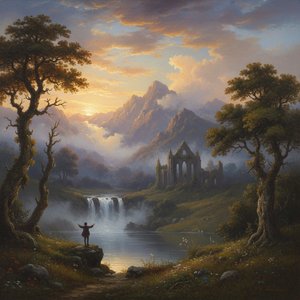
The Mountain Hut

 Rodyti daugiau
Rankų darbo aliejinės reprodukcijos
Rankiniu būdu tapytas aliejus ant droblio jūsų pageidaujamame dydį ir rėmuose – mūsų menininkų darbas pagal užsakymą. ( Perjungti į spausdinimą Perejti prie skaitmeninių vaizdų)




P118B €10

P118H €10

P118W €10

P438Z €10

P508JH €12

P508YH €12

P805H €10

P805Z €10

P919BZ €10

P919G €10

P919XJ €10

P959ZH €10

P968JZ €12

W106C €8

W218G €10

W218JH €8

W218Y €10

W307PJ €10

W316G €10

W316PJ €8

W316Y €10

W398PJ €8

W4111J €10

W500HY €15

W500JH €15

W692G €12

W849H €8

W940BG €15

W953PJ €8




Pasirinkite iš mūsų nustatytų dydžių, atitinkančių originalaus meno kūrinio proporcijas.

Įveskite jums reikiamą plotį ir aukštį, kad paveikslas atitiktų jūsų rėmą ar sieną. Kadangi šis darbas yra rankinio darbo, siekiant išgauti kitokio formos dydį, paveikslas gali būti šiek tiek didesnis (nuo kraštų bus palikta daugiau erdvės) arba mažesnis – pasirinkite jums patogiausią variantą. Prieš pradedant tapyti, atsiųsime jums skaitmeninį maketą patvirtinimui. Šioje puslapio nuotraukoje matomas vaizdas nėra galutinis rezultatas – jį parodys tik sukurtas maketas.
Gavus užsakymą, OriginalUniqueArt.com komanda susisieks su klientu el. paštu dėl instrukcijų ir pateiks maketo pavyzdį
Pristatymas visame pasaulyje () per 3–4 savaites, o ne įprastai – per 5 savaites. (22 spalis). Kokybė lieka nepakeičiama.

Nemokamas greitasis pristatymas visame pasaulyje

Aukštos kokybės lininis drobė

Pilnas siuntimo draudimas

Muitinės mokesčių grąžinimo garantija

Tikro spalvų atitikimo garantija

100 dienų grąžinimo politika (tik esant įtaigoms)

100% pinigų grąžinimo garantija

Nuolaida dideliems užsakymams
 Stiklo variantas prieinamas tik pasirinkus dydį iki 110 cm

The Mountain Hut
Reprodukcijos technika
Reprodukcijos dydis
-


Visų pasirinktų variantų kaina
€ 262
Autoriaus biografija
Josef Thoma: A Painter of Alpine Idols
Born in the heart of Austria’s Tyrolean Alps, Josef Thoma (1828-1899) emerged as a pivotal figure in 19th-century landscape painting. More than simply depicting scenic vistas, Thoma crafted immersive worlds—idyllic scenes brimming with rustic charm and imbued with a subtle, almost mystical quality. His work, deeply rooted in the Romantic tradition yet subtly anticipating Impressionism, offers a poignant glimpse into the evolving relationship between art, nature, and the human spirit. Thoma’s legacy rests not just on his technical skill but also on his ability to evoke a profound sense of peace and nostalgia for a vanishing rural world.
Early Life and Artistic Foundations
Josef Thoma was born in 1828 into a family with strong artistic connections. His father, a skilled woodcarver, instilled in him an appreciation for craftsmanship and the beauty of natural materials. While details about his early formal training are somewhat sparse, it’s believed he initially studied under local artists before pursuing further education at the Academy of Fine Arts in Munich. This period exposed him to the prevailing artistic trends of the time, including the influence of Romanticism—particularly the emphasis on dramatic landscapes and emotional expression—and the burgeoning interest in depicting everyday life. Crucially, Thoma’s early work demonstrates a fascination with the Alps, a region that would become the defining subject of his career.
The Influence of Millet and the Rise of Rustic Realism
Thoma's artistic trajectory was significantly shaped by Jean-François Millet, whose depictions of rural laborers resonated deeply with the artist. Millet’s focus on the dignity and hardship of peasant life—often rendered in a strikingly realistic manner—provided Thoma with a model for portraying the simple virtues of rural communities. However, unlike Millet's often stark social commentary, Thoma’s landscapes are characterized by an almost idealized serenity. He skillfully captured the golden light of the Alps, transforming ordinary scenes into moments of profound beauty and tranquility. His paintings frequently feature humble dwellings nestled amongst towering peaks, shepherds tending their flocks, and villagers engaged in everyday activities—all presented with a remarkable sensitivity to detail and color.
Technique and Style: Light, Color, and the Alpine Vision
Thoma’s technical mastery lies primarily in his ability to capture the ephemeral qualities of light and atmosphere. He meticulously observed how sunlight filtered through the mountain peaks, casting long shadows and creating a sense of depth and perspective. His palette is predominantly muted—a blend of browns, greens, and blues—that perfectly reflects the colors of the Alpine landscape. He employed a technique that can be described as “atmospheric,” prioritizing the suggestion of form over precise detail. This approach allowed him to create paintings that felt both realistic and dreamlike, evoking a sense of timelessness and serenity. The use of subtle gradations of color and carefully rendered textures—particularly in depicting the rough bark of trees or the weathered surfaces of buildings—contributed significantly to the tactile quality of his work.
Legacy and Historical Significance
Josef Thoma’s paintings represent a significant contribution to the development of landscape art in Austria. His focus on the Alpine region, combined with his masterful use of light and color, established him as one of the most celebrated artists of his time. While often compared to Millet, Thoma developed a distinctly individual style—one that captured the unique beauty and spirit of the Austrian Alps. His work continues to resonate today, offering viewers a poignant reminder of the enduring power of nature and the simple pleasures of rural life. His paintings are now housed in major museums across Europe, testament to his lasting artistic impact. Thoma’s legacy lies not only in his beautiful landscapes but also in his ability to evoke a profound sense of peace and nostalgia for a world that is rapidly disappearing.

Josef Thoma
1828 - 1899
Trumpa informacija apie kūrėją
- Artistic Movement Or Style: Romantic Landscape
- Artists Or Movements Influenced By This Artist: ['Romanticism']
- Artists Who Influenced This Artist:
- Delacroix
- Friedrich
- Date Of Birth: 1828
- Date Of Death: 1899
- Full Name: Josef Thoma
- Nationality: Austrian
- Notable Artworks:
- Berglandschaft
- Gebirgslandschaft
- Jäger schießt Raubvogel
- Place Of Birth: Austria
Susiję straipsniai

Evoking Nature's Sublime: A Comprehensive Exploration of 19th-Century Landscape Painting
Explore the captivating world of 19th-century landscape painting! Discover renowned artists like Friedrich & Monet, key movements, and find the perfect artwork to bring nature's serenity into your home. Expert insights at OriginalUniqueArt.

The Sublime and the Picturesque: Exploring Emotion & Nature in Romantic Landscape Painting
Explore the emotional power of Romantic landscape painting! Discover the sublime & picturesque traditions, key artists like Friedrich & Cole, and find your perfect artwork at OriginalUniqueArt.

10 Romantinių Peizažų Simbolių: Tapybos Majestatės Viršūnės
Atraskite 10 legendinių romantinio peizažo kūrinių! Pasinerkite į Claude Lorrain, Caspar David Friedrich ir J.M.W. Turner genijaus pasaulį. Išmokite apie tapybos meistriškumą bei gamtos grožį. Aukščiausios kokybės meno reprodukcijos – OriginalUniqueArt.com. Tyrinėkite kolekciją!

Evocations of Place: A Historical Journey Through Landscape Art
Explore the rich history of landscape art with OriginalUniqueArt. Discover renowned artists, movements like Impressionism & Romanticism, and expert guidance for collecting timeless pieces. Find your perfect serene escape today!
Evoking Emotion & Transcendence: Romantic Landscape Painting (18th-19th Century)
Explore the emotional depth of Romantic landscape painting (18th-19th century). Discover key artists like Friedrich & Cole, and the concepts of the sublime. Expert insights for art lovers & collectors.