
 Peržiūrėti realybėje
 Pasidalinti
 Dalintis
 Išsamiau

 Atsisiųsti
 Panašūs eksponatai
 Rentgeno nuotrauka
 Automatinė diorama
 Statistika
Interior
 1968
1968 56.0 x 76.0 cm
 Skaityti daugiau
Įsigykite aukštos skiriamosios raiškos, patobulintą skaitmeninį vaizdą, gerokai pranašesnį už internetinę peržiūrą.
Kiekvieną failą mūsų specialistai kruopščiai paruošia naudojant pažangias technologijas ir profesionalų rankinį retušavimą. Užtikriname, kad kiekvienas vaizdas pasižymėtų išskirtiniu aiškumu, tikslia spalvų atspalviu ir smulkiomis detalėmis.
Baigiamas failas el. paštu pristatomas per 72 valandas; jis optimizuotas nedelsiant naudojimui profesionalioje, redakcinėje ir spausdinimo aplinkoje. Tai ta pati kokybė, kuria pasitiki aukščiausios klasės dizaino studijos, leidyklos ir galerijos.
Skaitmeninis vaizdas
Atsisiųskite didelės raiškos failą asmeniniam naudojimui, spausdinimui ir kūrybiniams projektams. ( Perejti prie spausdinimo Pirkti rankomis tapytą paveikslą)
Kiekvieną skaitinio vaizdo užsakymą papildė
Profesionalus skaitmeninis pristatymas, garantuotas
Pasirinkę OriginalUniqueArt.com, jūs ne tik gaunate paveikslėlį – jūs gaunate profesionaliai patobudintą skaitmeninį kūrinį, sukurtą itin tikniai ir užtikrinantį pasitenkinimą. Štai viską, kas automatiškai pritékia jūsų užsakymui:

Greitas siuntimas el. paštu
Jūsų aukštos raiškos skaitmeninis vaizdo failas bus išsiųstas jums el. paštu per 72 valaudas nuo užsakymo – paruoštas naudojimui be jokių papildomų veiksmų.

Skaitmeninis failas su dirbtiniu intelektu
Jūsų meno kūrinys profesionaliai optimizuojamas naudojant pažangius dirbtinio intelekto įrankius ir rankinį redagavimą, užtikrinant maksimalią detalę, aiškumą ir spalvų tikslumą.

Nemokamas visam laikui pakartotinis siuntimas
Atsitiktinai ištrytikote ar praradote savo failą? Nebijokite – bet kuriuo metu atsiųsime jį jums vėl nemokamai.

Jokio importo mokesčio – niekada
Mėgaukitės savo meno kūriniu akimirka – skaitiniai failai visada yra neapmokestinami, todėl nereikės mokėti muitinės, mokesčių ar pristatymo mokesčių.

Spalvų tikslumo garantija
Naudodami profesionalią įrangą ir spalvų valdymo sistemas, užtikriname, kad jūsų skaitmeninis vaizdas kuo tiksliau atspindėtų originalias spalvas.

100 dienų patikimumo garantija
Jei nebuvosite patenkinti savo skaitmeniniu vaizdu, mes jį peržiūrėsime arba grąžinsime 100% sumą per 100 dienų – be jokių klausimų.

100% pinigų grąžinimo garantija
Nesitenkinate? Gaukite visą sumokėtą sumą per 100 dienų nuo skaitmeninio failo gavimo – be jokių papildomų klausimų.

Nuolaidos dideliems užsakymams
Pirkti 3 nuotraukas – pasiūla 10% - Pirkti 5 – pasiūla 15% - Pirkti 10 ir daugiau – pasiūla 20%. Puikiai tinka kūrybiniams projektams, galerijoms bei agentūroms.
Understanding the Artist's Vision
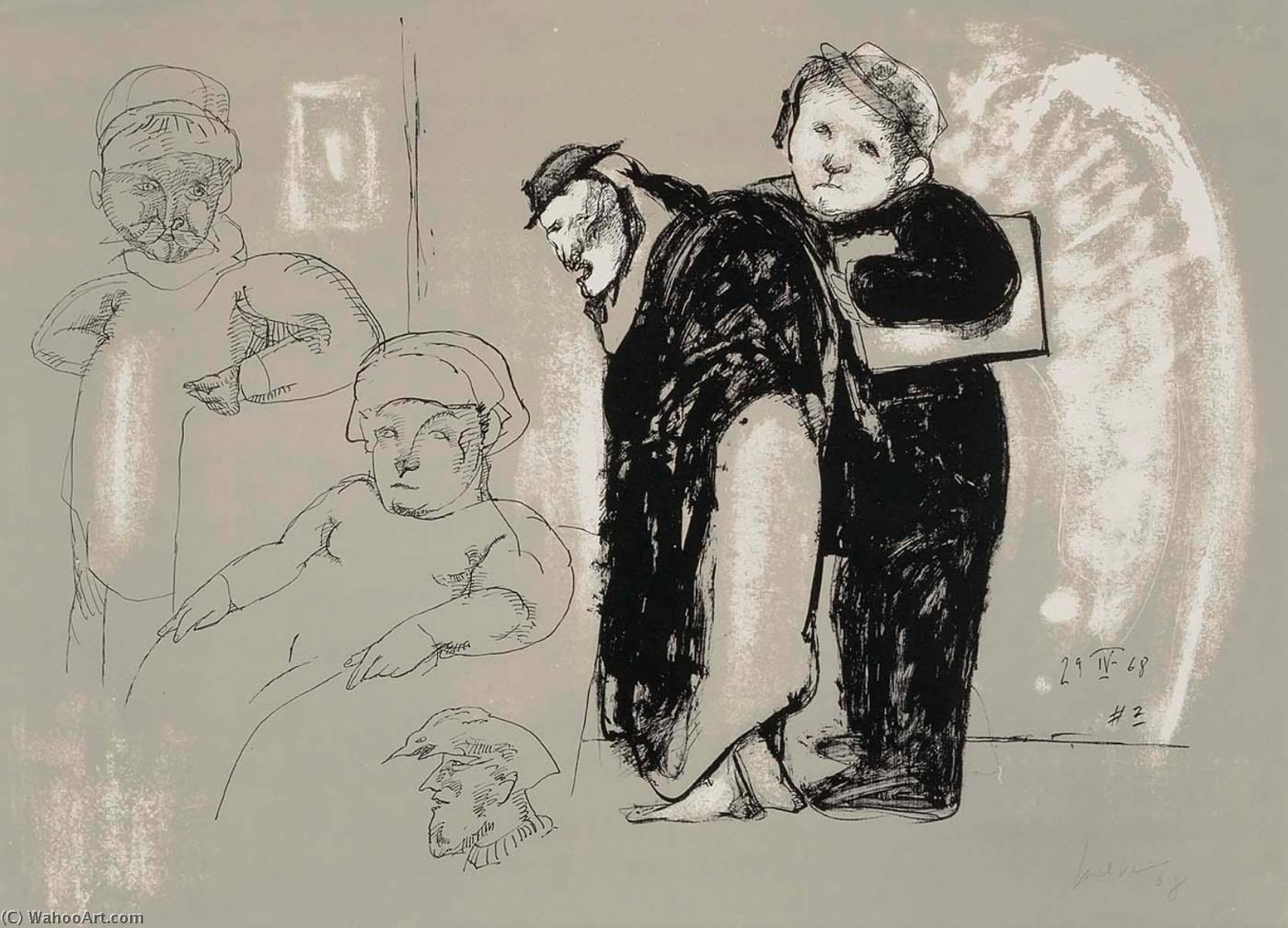
Jose Luis Cuevas was a Mexican artist known for his rebellious personality and dark humor, which is reflected in his artwork. Interior features three main figures in the foreground, with one man standing on another man's shoulders while holding onto a third person. The overall composition of the painting creates a sense of depth and intrigue, leaving the viewer to ponder the relationships between the characters. Key Elements of the painting include the use of lithography, which adds a layer of complexity to the artwork. The Smithsonian American Art Museum has an extensive collection of Jose Luis Cuevas' works, including Wanted, Dreams of Rasputin, and History of Crime. These pieces showcase the artist's ability to experiment with different techniques and themes.Exploring the Artistic Style
Jose Luis Cuevas' artistic style is characterized by his use of bold lines, vibrant colors, and a mix of realism and surrealism. His artwork often features everyday people in unusual situations, which adds to the sense of intrigue and mystery. As seen in Interior, the artist's use of lithography creates a sense of texture and depth, drawing the viewer into the world of the painting.- Visit https://OriginalUniqueArt.com to explore more artworks by Jose Luis Cuevas and other renowned artists.
- Discover the Smithsonian American Art Museum's collection of Jose Luis Cuevas' works, including Wanted, Dreams of Rasputin, and History of Crime.
- Learn more about the artist's life and work on Wikipedia: https://en.wikipedia.org/wiki/Jos%C3%A9_Luis_Cuevas
In conclusion, Interior by Jose Luis Cuevas is a fascinating piece that showcases the artist's unique style and technique. As a professional expert in Art and salesman at https://OriginalUniqueArt.com, I highly recommend exploring more of the artist's works and discovering the world of handmade oil paintings reproductions.
Autoriaus biografija
Nenuleidžiamas dviespiritis: José Luis Cuevas gyvenimas ir kūryba
José Luis Cuevas, gimęs Meksikos Sidabre 1934 metais, tapo lemiama figūra Meksikos meno istorijoje, drąsiai iššūkdamas įsitvirtinusią muralizmo dominaciją, kuri dešimtmečius formavo šalies meninę tapatybę. Jo busavimas nebuvo revoltą, šaknotą vien tik stilistinių skirtumų; tai buvo gilus klausimas apie socialinius ir politinius naratyvus, įsidėmėjusius tuose monumentaliniuose kūriniuose. Gimęs po šeimos popieriaus ir pieštukų fabriko triukšmo, Cuevas ankstyvoji gyvenimo dalis buvo pažymėta tiek kūrybiniu stimuliu, tiek fiziniu trapumu. Vaiko ligas privertė jį praleisti ilgus izoliacijos laikotarpius, kurių metu jis atrado neblėstančią aistrą piešliui ir graviravimui – įgūdžiams, pagrindti Lola Cueto Meksikos koledže. Šis vienatvės laikotarpis tapo formavtuoju, puoselėjančiu itin asmenišką meninę viziją, kuri nuolat teiktų pirmenybę introspekcijai, o ne grandiniams pareiškimams. Jis trumpam studijavo prestižinėje „La Esmeralda“ nacionalinėje tapybos, skulptūros ir gravirimo mokykloje, tačiau sveikatos problemos galiausiai paskatino jį iškovoti nepriklausomą kelią – jau ketvirtlikime įkurė savo studiją ir kaip pagrindinį meno vystymo būdą priėmė savisukimą.Atsisakymas tradicijų: Generación de la Ruptura
Cuevas tapo pagrindiniu balsu *Generación de PC Ruptura* (Lūžio karta) – kolektyve, kurio menininkai atmetė akivaizdų nacionalizmą ir socialinį muralizmo mokantiųjų metodą, vadovaujamą tokių figūrų kaip Diego Rivera, José Clemente Orozco ir David Alfaro Siqueiros. Nors šie meistrai siekė monumentaliai p avantiuoti Meksikos istoriją ir kovas, Cuevas ir jo samtarpiečiai nukreipė žvilgsnį į vidų, tyrinėdami alienacijos, egzistencinės nerimo ir tamsesnių žmogaus patirties sričių temas. Jo kūrybai būdingi iškraipyti figūros, fragmentuotos formos ir tyčia sutrikdantis estetizmas, atspindintis gilią nusivylimą vyraujančiomis ideologijamas. Jis neinteresavosi kolektyvios tapatybės šventimiu; vietoj to jis susikoncentravo į individo psichologinį pasaulį, dažnai vaizduodamas vidinę turbulenciją ar opresiškas aplinkybes patinkančius veikėjus. Šis tyčinis posūkis tapo svarbiu lūžiu Meksikos mene, atvėrędamas kelią didesniems eksperimentams ir asmeninei išraiškai. Jo ankstyvoji kūryba buvo rodoma Meksikos Sidrab Kare priss prancūziškoje galerijoje 1953 m., ir netrukus jis pradėjo pelnyti tarptautinį pripažinimą.Kontroversiškas vizionierius: Temos ir technikos
Cuevas kūrybinė plėtra yra neįtikėtinai įvairiapusis, apimantis tapybą, piešimą, grafinį meną, skulptūrą ir rašymą. Tačiau visame jo kūrybos korpuse vedanti šviesa yra vienas vientisas siūlis: nepalengvotas žmogaus būklės tyrimas su visa jos sudėtingumu ir neparengtumu. Jis dažnai vaizdavo smurtą, nykimo ir moralinio korupcijos scenas, iššūkdamas žiūrėtojus susidurti su nemaloniomis tiesomis apie save ir visuomenę. Jo savitraukiniai, kurių šimtus, yra ypač atkdengiantys – jie siūlo žaizdingą ir dažnai brutališkai atvirą savo pačio baimių, jautrumo ir obsesijų vaizdą. Jis tvarkingai taikė įvairias technikas, demonstruodamas meistriškumą graviravime, litografijoje ir mišmedžios technikoje. Jis buvo žinomas dėl savo kruopštaus piešimo gebėjimo ir galimybės su minimaliomis priemonėmis sukurti itin stiprias:įvaizdžius. Jo stilius laikui bėgant evoliucionavo, įsisavinėdamas ekspresionizmo, surrealizmo ir abstrakčiosios dailės elementus, tačiau visada išliko išskirtinai asmeniškas ir atpažįstamas. Jis nedraudė ieškoti kontroversijų, dažnai naudojdamas šokį keliančius vaizdus ir provokuojančius teiginius, siekdamas sudaryti iššūkį konvencinėms normoms ir paskatinti debatas.Palikimas ir José Luis Cuevas muziejus
Visą savo karjerą José Luis Cuevas išliko griežtai nepriklausoma ir atvirai balsuojančia figūra, nekreipdamas dėmesio į tuos, kuriuos matė kompromisu renkančiais savo meninę integritetą dėl politinių ar komercinių naudos. Šis nekompromisu požiūris jam suteikė tiek pag admirerius, tiek kritikus, sutvirtindamas jo reputaciją kaip nepriklausomos dvasios kūrybinio pasaulio figūros. 1982 metais jis atstovavo Meksikai Venecijos bienalėje, dar labiau įtvirtindamas savo tarptautinę padėtį. Galbūt jo patys ilgaamžiški palikimas yra José Luis Cuevas muziejus, įrengtas 199au m. Meksikos Sidrab Kare istoriniame centre. Muziejuje saugoma platus jo pačio kūrybos rinkinys, taip pat nuostabus prehispaninių artefaktų ir Europos šedevrų apygardas, kurią jis renko metų metus. Jis stovi kaip įrodymas jo eklektinės skonio ir nepriekaištingo siekio pasiekti meninę aukštę. Jis toliau kūrė ir rodė savo darbus iki mirties 2017 metais, palikdamas milžinišką ir įtakingą kūrybinį turtą, kuris šiandien vis dar įkvepia ir iššūkį teikia auditorijai. Jo įtaka Meksikos menui yra neįtvirtintinas; jis išlaisvino menininkų kartą nuo tradicijų keterių ir paskatino juos priimti savo unikalius balsus, net jei tie balsai būtų buvusys nemaloni arba nepelnyti. Jis išlieka stiprus meno laisvės ir intelektinės nepriklausomybės simbolis.
José Luis Cuevas
1934 - 2017 , Meksika
Trumpai apie šį kūrėją
- Artistic Movement Or Style: Generación de la Ruptura
- Date Of Birth: 1934 m. vasario 26 d.
- Date Of Death: 2017 m. liepos 3 d.
- Full Name: José Luis Cuevas
- Nationality: Meksikietis
- Notable Artworks:
- Interior
- Rasputin
- Cast of Characters
- Place Of Birth: Meksiko miestas, Meksika