
 Peržiūrėti realaus dydžio版
 Pasidalinti
 Dalintis
 Išsamiau
 Vadovas

 Atsisiųsti
 Panašūs eksponatai
 Rentgeno spindulių nuotrauka
 Automatinė diorama
 问答
问答 Statistika
Grape Harvest

- 98.0 x 134.0 cm


 Skaityti daugiau
Giclée / Meno spausdinimas
Muziejų lygio „giclée“ arba drobos spausdinimas: greita gamyba ir lankstios apdailos parinktys. ( Pirkti rankų darbo tapybą Perejti prie skaitmeninių vaizdų)




































Pasirinkite iš mūsų nustatytų dydžių, atitinkančių originalaus meno kūrinio proporcijas.

Įveskite jums reikiamą plotį ir aukštį, kad atvaizdas derėtų prie jūsų rėmo ar sienos. Spausdiną galima tik sumažinti, bet nepadidinti virš originalaus paveikslėlio dydžio, todėl keičiant proporcijas, dalis vaizdo prarandama. Prieš spausdinimą atsiųsime jums skaitmeninį maketą patvirtinimui. Šioje puslapio nuotraukoje matomas pjūvis nėra tikslus – jį rodo tik maketas.
Pristatymas visame pasaulyje () per 2 weeks, o ne įprastas 4/5 savaičių laikotarpis. (9 lapkritis)

Nemokamas greitasis pristatymas visame pasaulyje

Aukštos kokybės lininis drobė

Pilnas siuntimo draudimas

Muitinės mokesčių grąžinimo garantija

Tikro spalvų atitikimo garantija

100 dienų grąžinimo politika (tik esant įtaigoms)

100% pinigų grąžinimo garantija

Nuolaida dideliems užsakymams
 Stiklo variantas prieinamas tik pasirinkus dydį iki 110 cm

Grape Harvest
Giclée / Meno spausdinimas
Reprodukcijos matmenys
-


Bendroji kaina
€ 72
A Scene of Rural Life
The scene captures a group of people engrossed in the act of grape harvesting. The figures are scattered across the foreground, their forms rendered with a sense of depth and perspective that adds to the realism of the painting. Their attire suggests a rural setting, possibly in a region known for viticulture. The background features a landscape unfolding under a dramatic sky filled with clouds, with a castle perched atop a hill, adding an element of grandeur to the scene. Key Elements of the painting include the use of earth tones, punctuated by occasional splashes of green from the foliage and blue from the sky. These colors create a harmonious balance within the composition, enhancing its visual appeal. The artist's attention to detail is evident in the depiction of the grape harvest, with each figure engaged in a specific activity, from picking grapes to carrying baskets.- The painting is a testament to Joos De Momper The Younger's ability to bring life to canvas through his use of color, light, and shadow.
- The Academy of Fine Arts Vienna houses an impressive collection of artworks, including paintings by other notable artists such as Pieter De Molyn and Jan Van Bijlert.
- For those interested in learning more about Joos De Momper The Younger and his works, visit /art/list/?Filter=8Y3DVF-Joos-De-Momper-The-Younger-Grape-Harvest for a detailed overview of the painting.
The captivating "Grape Harvest" is a must-see for art enthusiasts and those interested in the Baroque period. Its intricate details and beautiful composition make it a standout piece in the world of art.
Klausimai ir atsakymai
Ar „Grape Harvest“ spalvos atrodo ryškios ar švelnios?
„Grape Harvest“ spalvų intensyvumas yra Balanced. Intensyvumas apibūdina, koks spalvų ryškumas yra suvokiamas.
Ar „Grape Harvest“ – Joos de Momper the Younger autorinės teisės leidžia daryti kopijas?
„Grape Harvest“ – Joos de Momper the Younger, saugomas Vienos dailės akademija kolekcijoje, yra yra viešosios erdvės dalis – jo autorinė teisė pasibaigusi. Šis statusas nulemia, ar galima rengti vaizdo reprodukcijas.
Kokią vietą Joos de Momper the Younger kūrybos ešėlyje užima „Grape Harvest“?
Joos de Momper the Younger kūryboje „Grape Harvest“ atlieka Baroque stilių, susijęs su baroque grandeur, flemish landscape tradition, bruegel's rural scenes, realist detail", dutch golden age life, rural labor & community, "transi temomis.
Autoriaus biografija
The Architect of Atmospheric Vistas
Joos de Momper the Younger stands as a pivotal figure in Flemish Baroque landscape painting, bridging the gap between the expressive dynamism of Pieter Bruegel the Elder and the opulent grandeur of Peter Paul Rubens. His artistic legacy resides primarily in his breathtaking depictions of mountainous vistas—scenes imbued with an unparalleled sense of drama and psychological depth. Born into a family steeped in artistic tradition in Antwerp, de Momper’s lineage traced back to his grandfather, Bartolomeus de Momper, a respected landscape painter himself. This familial influence undoubtedly shaped his early artistic inclinations and instilled within him a profound appreciation for capturing the sublime beauty of nature. He received formal training from his father, bolstering his technical skills and establishing a foundation for his distinctive style.
Recognizing the importance of broadening his horizons, de Momostemper embarked on a formative journey to Italy in the 1580s, immersing himself in the artistic fervor of Rome and absorbing the innovations of Mannerism—a stylistic movement that would subtly inform his subsequent work. His ascent within the Antwerp Guild of St. Luke at just seventeen years old signaled a decisive step toward establishing his professional career. His membership afforded him access to invaluable resources and fostered connections with influential patrons, securing commissions that propelled him to prominence. Notably, Archduchess Isabella Clara Eugenia, ruler of Flanders, demonstrated her unwavering support by petitioning the Antwerp magistrates for an exemption from customary taxes and fees—a testament to de Momper’s reputation as a respected artist and his contribution to the cultural landscape of the era.
A Master of Collaboration and Transition
The true brilliance of de Momper's oeuvre lies in its position at a historical crossroads. His work is situated at the delicate transition from late 16th-century Mannerism to the greater realism in landscape painting that developed in the early 17th century. While his compositions often retain the intricate, almost fantastical details characteristic of the Mannerist tradition, they are increasingly infused with an atmospheric truthfulness that anticipates the Dutch Golden Age. This evolution is most evident in his ability to manipulate light and distance, creating a sense of infinite space through the use of aerial perspective, where distant mountains dissolve into soft, hazy blues.
Perhaps de Momper's most significant contribution to the history of art was his ability to work alongside other titans of the Flemish Baroque. He was not merely a solitary painter but a collaborator who elevated the landscape genre through shared vision. His partnerships were legendary, most notably with Jan Brueghel the Elder. In works such as their celebrated Landscape housed in the Museo del Prado, de Momper provided the sweeping, dramatic terrain while Brueghel added the delicate, intricate details of flora and fauna. These collaborations created monumental compositions that defined the aesthetic of the era. His influence also extended to later masters like Francken II and Snayers, ensuring that his stylistic DNA persisted through the 17-century.
Legacy of the Flemish Landscape
Beyond the grand vistas, de Momper possessed a remarkable ability to capture the pulse of rural life. His canvases often featured scenes of everyday labor—such as the rhythmic toil of a grape harvest or the quiet activity of village life—rendered with a sense of depth and perspective that added a profound layer of realism to his work. Whether depicting a River with Castle, Horsemen and Woodcutters or a solitary, sun-drenched cottage, his ability to imbue the landscape with human narrative remains unparalleled.
The historical significance of Joos de Momper the Younger cannot be overstated. He helped transform the landscape from a mere backdrop for religious or historical scenes into a subject worthy of intense psychological and aesthetic study. His mastery over the elements—the mist, the rugged stone, and the shifting light—laid the groundwork for the landscape traditions that would dominate European art for centuries to come. Today, his works remain cherished in the world's most prestigious collections, from the British Museum to the Academy of Fine Arts Vienna, serving as enduring windows into the soul of the Flemish Baroque.

Joos de Momper the Younger
1564 - 1635
Trumpa informacija
- Full Name: Joos de Momper the Younger
- Nationality: Flemish
- Date Of Birth: 1564
- Date Of Death: 1635
- Place Of Birth: Antwerp
- Notable Artworks:
- Landscape with Travellers
- Grape Harvest
- Artistic Movement Or Style: Baroque Landscape Painting
- Artists Who Influenced This Artist: ['Pieter Brueghel the Elder']
- Artists Or Movements Influenced By This Artist: ['Peter Paul Rubens']
Susiję straipsniai

About Us
Discover our story! We bring world-class art into your life through expert curation, personalized creations, and free previews. Trusted by individuals and businesses since 2000.
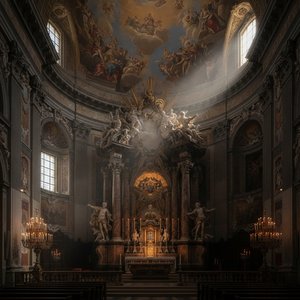
Drama and Light: Discover the Captivating Grandeur of Baroque Art
Immerse yourself in the dramatic splendor of Baroque art. Explore the profound impact of light, shadow, and the Counter-Reformation through an expert historical lens, celebrating the masters who defined an era of unparalleled grandeur and emotional intensity.

Francisco Goya Šedevrai: 25 Išskirtiniai Darbai Jūsų Interjerui | OriginalUniqueArt
Atraskite 25 įspūdingiausius Francisco Goya šedevrus! Ispanų romantizmo meistro paveikslai, portretai ir juodoji tapyba. Įkvėpkite interjerui su aukštos kokybės Goya reprodukcijomis | OriginalUniqueArt.com

Baroko Šedevrai: 10 Menų Simbolių, Apibūdinusių Epoką | OriginalUniqueArt
Atraskite 10 baroko šedevrų, kurie apibrėžė epoką! Karolis Rubenzas, Berninis ir kiti meistrai – jų kūriniai, istorijos bei spalvos. Aukščiausios kokybės dailės reprodukcijos ir interjero įkvėpimas OriginalUniqueArt.com. Išnagrinėkite visą kolekciją internete!

Mastering Drama and Light: A Definitive Guide to the Flemish Baroque Art Movement
Explore the dramatic brilliance of the Flemish Baroque movement. Discover how masters like Peter Paul Rubens utilized chiaroscuro and dynamic composition to redefine art history through light, shadow, and unparalleled emotion.