
 Peržiūrėti realaus dydžio版
 Pasidalinti
 Dalintis
 Išsamiau
 Vadovas

 Atsisiųsti
 Panašūs eksponatai
 Rentgeno spindulių nuotrauka
 Automatinė diorama
 问答
问答 Statistika
George Washington and William Lee

- 91.0 x 71.0 cm


 Skaityti daugiau
Giclée / Meno spausdinimas
Muziejų lygio „giclée“ arba drobos spausdinimas: greita gamyba ir lankstios apdailos parinktys. ( Pirkti rankų darbo tapybą Perejti prie skaitmeninių vaizdų)




P118B €10

P118H €10

P118W €10

P438Z €10

P508JH €12

P508YH €12

P805H €10

P805Z €10

P919BZ €10

P919G €10

P919XJ €10

P959ZH €10

P968JZ €12

W106C €8

W218G €10

W218JH €8

W218Y €10

W307PJ €10

W316G €10

W316PJ €8

W316Y €10

W398PJ €8

W4111J €10

W500HY €15

W500JH €15

W692G €12

W849H €8

W940BG €15

W953PJ €8




Pasirinkite iš mūsų nustatytų dydžių, atitinkančių originalaus meno kūrinio proporcijas.

Įveskite jums reikiamą plotį ir aukštį, kad atvaizdas derėtų prie jūsų rėmo ar sienos. Spausdiną galima tik sumažinti, bet nepadidinti virš originalaus paveikslėlio dydžio, todėl keičiant proporcijas, dalis vaizdo prarandama. Prieš spausdinimą atsiųsime jums skaitmeninį maketą patvirtinimui. Šioje puslapio nuotraukoje matomas pjūvis nėra tikslus – jį rodo tik maketas.
Pristatymas visame pasaulyje () per 2 weeks, o ne įprastas 4/5 savaičių laikotarpis. (10 lapkritis)

Nemokamas greitasis pristatymas visame pasaulyje

Aukštos kokybės lininis drobė

Pilnas siuntimo draudimas

Muitinės mokesčių grąžinimo garantija

Tikro spalvų atitikimo garantija

100 dienų grąžinimo politika (tik esant įtaigoms)

100% pinigų grąžinimo garantija

Nuolaida dideliems užsakymams
 Stiklo variantas prieinamas tik pasirinkus dydį iki 110 cm

George Washington and William Lee
Giclée / Meno spausdinimas
Reprodukcijos matmenys
-


Bendroji kaina
€ 73
A Vision of Command: John Trumbull’s “George Washington and William Lee”
John Trumbull's "George Washington and William Lee," painted in 1780, isn’t merely a portrait; it’s a meticulously crafted tableau that encapsulates the nascent ideals of American independence while simultaneously grappling with the complexities of its founding. This monumental canvas, now residing within the Metropolitan Museum of Art, offers a rare glimpse into a pivotal moment – Washington contemplating his future leadership against the backdrop of the Hudson River, a landscape imbued with both promise and the lingering shadows of conflict.
Trumbull’s background as an aide-de-camp to General Washington during the Revolutionary War profoundly shaped this work. He witnessed firsthand the arduous journey toward self-governance, capturing not just Washington's physical presence but also a sense of his weighty responsibility and quiet determination. The painting’s genesis lies in Trumbull’s memory, pieced together years later from observations made while serving on Washington’s staff – a testament to the artist’s keen eye for detail and his ability to distill complex experiences into a single, powerful image. The deliberate choice of depicting Washington from a slightly elevated vantage point reinforces his authority and strategic thinking, suggesting a leader poised to guide his nation through turbulent times.
A Study in Contrasts: Symbolism and the Enslaved Servant
Perhaps the most striking element of “George Washington and William Lee” is the inclusion of William Lee, Washington’s enslaved valet, standing attentively beside the General's horse. This figure, rendered with a deliberate, almost stylized realism – his turban and attire echoing European "orientalist" conventions popular at the time – immediately draws the viewer’s attention. Trumbull’s decision to portray Lee in this manner has sparked considerable debate among art historians. Some interpret it as a subtle commentary on the hypocrisy of fighting for liberty while simultaneously upholding the institution of slavery, a glaring contradiction at the heart of the American experiment.
Others suggest that Trumbull, acutely aware of the social complexities of his era, was attempting to elevate Lee’s status through artistic representation. The turban, reminiscent of depictions of powerful figures in the East, could be seen as a symbolic gesture of respect and recognition – a poignant acknowledgment of Lee's indispensable service. Regardless of the artist’s intent, Lee’s presence forces us to confront the uncomfortable realities of the past and consider the human cost of revolution.
The Brushstroke and the Narrative
Trumbull’s technique is characterized by a remarkable blend of realism and theatricality. The landscape, rendered with meticulous detail, establishes a sense of vastness and grandeur, anchoring Washington within the context of his nation's future. His military uniform, meticulously painted, speaks to his role as commander-in-chief, while the scroll in his hand hints at the weighty decisions he must make. Noticeably, Trumbull employs a technique known as “contre-jour,” where Washington is illuminated from behind, creating a dramatic effect and emphasizing his importance within the composition.
The use of color is restrained yet effective, with muted tones dominating the palette – browns, blues, and grays reflecting the rugged beauty of the Hudson River Valley. The subtle gradations of light and shadow contribute to the painting’s overall sense of depth and realism. Furthermore, Trumbull's attention to detail extends to the smallest elements, from the folds in Washington’s coat to the texture of Lee’s clothing – a testament to his dedication to capturing both the physical likeness and the psychological essence of his subjects.
A Legacy of Vision: Reproduction and Interpretation
"George Washington and William Lee" remains a profoundly resonant work, offering a complex and layered portrait of an era defined by ideals of liberty and shadowed by the realities of slavery. Today, high-quality reproductions allow us to appreciate Trumbull’s artistic skill and engage with the painting's enduring questions about American identity. When selecting a reproduction, consider the medium – oil on canvas offers the most authentic representation of Trumbull’s original technique, capturing the nuances of light, color, and texture that contribute to the painting’s power and emotional impact.
This iconic image continues to inspire discussion and reflection, reminding us that history is rarely simple or straightforward. It serves as a powerful reminder of the complexities inherent in the birth of a nation – a nation striving for freedom while grappling with its own internal contradictions.
Klausimai ir atsakymai
Kokia „George Washington and William Lee“ – Džonas Trambulas emocinė nuotaika?
Emocinis tonas, nurodytas kūriniui „George Washington and William Lee“ – Džonas Trambulas, yra Reflective. Jis apibūdina jausmą, kurį išreiškia šis darbas.
Kokia paletė ir pagrindinė spalva apibrėžė „George Washington and William Lee“?
„George Washington and William Lee“ – Džonas Trambulas spalvų identitetas: Earthy paletė, kurioje dominuoja Khaki (#dac079).
Kokio Džonas Trambulas kūrybos laikotarpio priklauso „George Washington and William Lee“?
„George Washington and William Lee“ atspindi Džonas Trambulas kūrybinį laikotarpį Revolutionary Era.
Autoriaus biografija
Revoliucionija išryžta gyvenime: Johno Trumbullo pasaulis
Johnas Trumbullas – vardas, tapęs Amerikos gimimo vizualine naracija – buvo daugiau nei tik paveikslų kūryjas; jis buvo liudininkas, kario ir tautos, kūriančios savo identitetą, kronika. Gimęs 1756 metais Konektikuto Leptone, patriotizmo dvasia prisipildžytoloje šeimoje – jo tėvas, Jonathanas Trūmblas, valdė valstiją kaip gubernatorius visų Revoliucijos karo metų – jaunas Johnas tarsi buvo neišvengiamai susietas su besiveloja nepriklausomybės drama. Vaikystės trauma tragiškai atėmė jam vieno gero regėjimo, tačiau ši pastebėta apribotumas paradoksaliai galėjo aštrinti jo stebėjimo įgūdžius, prisidėdami prie kruopštumo ir detalumo, kuris tapo jo meninio stiliaus žyminimo ženklu. Ankstyvasis išsilavinimas Harvardo kolekyje dar labiau užugalėjo protą, paruoštą tiek intelektinei griežtume, tiek kūrybiškam išraiškai. Net ir neįtvėrinėjęs savo meninio pašaukimo, Trumbullio gyvenimas jau buvo prisipildęs pareigos ir tarnybos jausmu: piešdamas tvirtinimus Bostono apsilankymo metu jis tarsi iš anksto užsimarkedavo savo būsimą vaidmenį amžinai įamžinti Revoliuciją drožlėje.Nuo mūdos aikštelių iki meno traukų: meninė formacija ir įtodiniai veiksmai
Kelias į „Revoliucijos paveikslėtojo“ titulą nebuvo tiesukinis. Pradinės finansinės sunkumai Trumbullį nukreipė į įvairius kelius, tačiau trauka prie meno buvo nepalaikoma. 1780 metais jis išvyko į Londoną, siekdamas mokytis pas gerbiamą Benjamin West – amerikano emigranto, pasiekusio aukščiausių aukštines kaip istorijos paveikslėtojas. West atpažino Trumbullio potencialą ir paskatino jį susikoncentruoti į Nepriklausomybės karo scenas, siūlydamas mažesnės apimties darbus ir miniatiūrines portretus – tai buvo praktiškas požiūris, leidęs Trumbulliui tobulinti įgūdžius kartu su klientų kūrimu. Per savo karjerą jis sukūrė apie 250 miniatiūrų, demonstruodamas neįtikėtiną universalumą ir tikslumą. Tačiau Westo įtarmas neapsib限 su technika; jis į Trumbullį įsidiegė klasikinio istorijos paveikslavimo vertinimą, įkvėpdamas jį savo darbams suteikti dramatiškos kompozicijos ir alegoriškos gylio. Šis istorinio tikslumo ir meninio didybės sujungimas apibrėžė brandųjį Trumbullio stilių. Ši patirtis nebuvo be sunkumų: trumpas, bet išgąsdinantis suėmimas įtariamai špionui – kaip atsakymas už majoro André įkovimą – privertė jį laikinai atsirørti nuo britų visuomenės, tačiau galiausiai tai tik sustiprino jo pasiryžimą vaizduoti amerikietiškąją bylą.Nepriklausomybės įamžinimas: šedevrai ir istorinė reikšmė
Atmintinasis Trumbullio palikimas slypi jo monumentaliuose istoriniuose paveiksluose, ypač tuose, kurie šiandien puošia Kapitolo Rotundą. Nepriklausomybės deklaracija, galbūt jo ikoniniškiausias darbas, yra kruopščiai sukonstruotas tablė, vaizduojantis tą lemiamą akimirką su neįtikėtinu tikslumu. Tai nėra tik įrašas apie tai, kas dalyvavo renginyje, tai yra bandymas įčiupti įvykio rimtumą ir solemnumą. Žinoma, šis paveikslas atsidūrė dviejų dolerių banknoto viršuje, užtvirtindamas savo vietą amerikietiškoje ikonografijoje. Kiti svarbūs darbai apima Cornwallis perdavimo Yorktown, Generalui Burgoyne perdavimą ir George Washington prieš Battle of Trenton. Šie paveikslai nebuvo tik meniniai siekiai; jie buvo nacionalinio prisiminimo aktai, skirti įkvėpti patriotizmo ir sustiprinti bendrą istorinę naraciją. Trumbullis kruopščiai tyrinėjo kiekvieną sceną, konsultavosi su veteranais ir studijavo samtens įrašus, kad užtikrintų tikslumą. Jo parengiamieji eskizai, tokie kaip Study for Surau Surrender of Cornwallis at Yorktown, atskleidžia jo sunkų planavimo procesą ir atsidavimą detalėms. Era, kai nebuvo fotografinio dokumentavimo, Trumbullio paveikslai tarnavo neįvertinjamais vizualiniais įrodymais, formuodami visuomenės supratimą apie Revoliuciją ir jos pagrindinius veikėjus.Ilgalaikis palikimas: kolekcijos ir neblėstantis įtarmas
Johno Trumbullio indėlis kertasi giliau nei jo garsieji drobės. Jis buvo tvirtas Amerikos meno šalininkas, tarnavęs kaip Amerikos gražaus meno akademijos prezidentas nuo 1816 iki 1835 metų, nenuolidosi dirbdamas, kad jaunoje tautoje išklestėtų gyva meninė bendruomenė. Jo paveikslai šiandien saugomi prestižinguose institutuose visoje šalyje, įskaitant Yale universiteto meno galeriją, Smithsonian American Art Museum ir Virdžinijos gražaus meno muziejų, užtikrinant jų prieinamumą būsimoms kartoms. Jo darbų iškeltumas JAV Kapitolo viduje tarnauja kaip ilgalaikis atsidavimo menui ir istorijai kūrinio pagarbos ženklas.- Jo paveikslai toliau įkvepia tiek menininkus, tiek istorikus.
- Jie suteikia neįvertojamą įžvalgą į ankstyvosios Amerikos Respublikos estetiką ir idealus.
- Trumbullio ištikimybė istoriniam tikslumui sukūrė precedentą būsimoms amerikiečių istorijos paveikslėtojų kartoms.

Džonas Trambulas
1756 - 1843 , Jungtinės Karalystės
Trumpa informacija
- Artistic Movement Or Style: Istorinis tapybos stilius
- Artists Who Influenced This Artist: ['Benjamin West']
- Date Of Birth: 1756 m. birželio 6 d.
- Date Of Death: 1843 m.
- Full Name: John Trumbull
- Nationality: Amerikiečių kilmės
- Notable Artworks:
- Nepriklausomybės deklaracija
- Cornwallis perdavimas
- George Washington Trentone
- Place Of Birth: Lebanon, JAV
Susiję straipsniai

Capturing a Vanishing World: The 25 Best Artworks by George Catlin
Explore George Catlin's iconic Indian Gallery portraits. Discover these timeless Native American masterpieces on OriginalUniqueArt.com.

Who is John Trumbull? The Life and Legacy of the Painter of the Revolution
Discover the life of John Trumbull, the artist who documented the American Revolution and whose work appears on the reverse of the two-dollar bill.
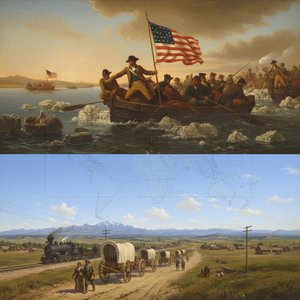
Emanuel Leutze: Transatlantic Identity & the Iconography of American Progress
Explore the life & art of Emanuel Leutze, famed for 'Washington Crossing the Delaware.' Discover his Romantic historical paintings, transatlantic influences, and powerful depictions of American identity & progress. Expert analysis at OriginalUniqueArt.

Dutch Baroque Masters: 10 Paintings That Shaped an Era | OriginalUniqueArt
Journey through the Golden Age with our guide to the Top 10 Dutch Baroque masterpieces! Explore iconic paintings by Rembrandt, Vermeer & Frans Hals. Find museum-quality art reproductions and elevate your home decor at OriginalUniqueArt.com.

Sovereignty on Saddle: The History of Power and Prestige in Baroque Equestrian Portraiture
Explore the history of power through Baroque equestrian portraits by Van Dyck and Velázquez. Discover the art of command today.