
 Peržiūrėti realaus dydžio版
 Pasidalinti
 Dalintis
 Išsamiau
 Vadovas

 Atsisiųsti
 Panašūs eksponatai
 Rentgeno spindulių nuotrauka
 Automatinė diorama
 问答
问答 Statistika
A Street Sweeper_2
 Skaityti daugiau
Giclée / Meno spausdinimas
Muziejų lygio „giclée“ arba drobos spausdinimas: greita gamyba ir lankstios apdailos parinktys. ( Pirkti rankų darbo tapybą Perejti prie skaitmeninių vaizdų)




































Pasirinkite iš mūsų nustatytų dydžių, atitinkančių originalaus meno kūrinio proporcijas.

Įveskite jums reikiamą plotį ir aukštį, kad atvaizdas derėtų prie jūsų rėmo ar sienos. Spausdiną galima tik sumažinti, bet nepadidinti virš originalaus paveikslėlio dydžio, todėl keičiant proporcijas, dalis vaizdo prarandama. Prieš spausdinimą atsiųsime jums skaitmeninį maketą patvirtinimui. Šioje puslapio nuotraukoje matomas pjūvis nėra tikslus – jį rodo tik maketas.
Pristatymas visame pasaulyje () per 2 weeks, o ne įprastas 4/5 savaičių laikotarpis. (10 lapkritis)

Nemokamas greitasis pristatymas visame pasaulyje

Aukštos kokybės lininis drobė

Pilnas siuntimo draudimas

Muitinės mokesčių grąžinimo garantija

Tikro spalvų atitikimo garantija

100 dienų grąžinimo politika (tik esant įtaigoms)

100% pinigų grąžinimo garantija

Nuolaida dideliems užsakymams
 Stiklo variantas prieinamas tik pasirinkus dydį iki 110 cm

A Street Sweeper_2
Giclée / Meno spausdinimas
Reprodukcijos matmenys
-


Bendroji kaina
€ 73
Autoriaus biografija
John Nixon (1759 – 1818): Satirical Visionary of Georgian Britain
John Nixon was a British artist who flourished during the Georgian era, leaving behind a distinctive legacy marked by satirical caricatures and meticulously rendered historical depictions. Born in London around 1759, his artistic journey unfolded against the backdrop of significant social and political transformations – the Napoleonic Wars, the burgeoning Industrial Revolution, and the ongoing debates surrounding religious reform. While biographical details remain somewhat sparse, Nixon’s contribution to British art history is undeniable, primarily recognized for his unflinching portrayal of contemporary figures and events with a sharp wit honed by observation and intellectual engagement.Early Life and Artistic Training
Information regarding Nixon's formative years is limited, suggesting he pursued his artistic education largely independently. He apprenticed under William Hogarth, arguably the most influential portraitist of his time, absorbing Hogarth’s masterful technique in capturing psychological nuance alongside realistic detail. This mentorship proved invaluable, equipping Nixon with skills that would underpin his subsequent stylistic choices – a preference for bold lines and expressive shading—characteristics that distinguish his oeuvre from more polished academic styles prevalent during the period. The influence of Hogarth extended beyond mere technical proficiency; it instilled a commitment to social commentary and a willingness to confront uncomfortable truths within the visual realm.Notable Works: A Blend of Humor and History
Nixon’s artistic output encompassed both portraiture and genre scenes, demonstrating versatility and capturing the spirit of his era. He gained considerable renown for his caricatures targeting prominent politicians and intellectuals, skillfully employing exaggeration and caricature to expose hypocrisy and challenge prevailing ideologies. His depictions of figures like William Pitt III were particularly memorable, conveying not only physical likeness but also a palpable sense of character—Pitt’s stern gaze and uncompromising stance embodying the anxieties surrounding Britain's defense against Napoleon. Simultaneously, Nixon produced impressive historical paintings, notably “King George III Bathing At Weymouth,” which meticulously recreated a pivotal moment in royal life, showcasing his meticulous attention to detail and compositional skill. Furthermore, he contributed to "Oratorio Performance At The Drury Lane Theatre," capturing the grandeur of theatrical productions during the Regency period.Influence and Legacy
Nixon’s artistic style—characterized by its dramatic chiaroscuro and expressive brushwork—stood apart from the prevailing aesthetic conventions of his time. He championed a realism informed by psychological insight, anticipating developments in Impressionism decades later. His unflinching critique of social ills resonated with audiences grappling with issues of morality and political reform, cementing his place as a voice of dissent within the artistic landscape. Although overshadowed by Hogarth’s fame, Nixon's work continues to be studied for its stylistic innovation and its contribution to documenting Georgian Britain—a testament to his enduring impact on British art history. His depictions at St John’s College and The Church of St John the Baptist are still admired today.Further Exploration
For a deeper understanding of John Nixon’s artistic achievements, consult resources such as:- The Museum of Methodism – John Wesley’s House
- St John's Co-Cathedral

John Nixon
1759 - 1818 , United Kingdom
Trumpa informacija
- Full Name: John Nixon
- Nationality: British
- Date Of Birth: 1759
- Date Of Death: 1818
- Place Of Birth: United Kingdom
- Notable Artworks:
- Choristers, St. Mary's Church, C.1812
- King George Iii Bathing At Weymouth,
- Oratorio Performance At The Drury Lane Theatre
- Artistic Movement Or Style: Satirical Caricature Art
Susiję straipsniai

John Atkinson Grimshaw: Atmospheric Realism & the Victorian Nocturne
Explore the captivating world of John Atkinson Grimshaw, Victorian master of atmospheric nightscapes. Discover his iconic paintings, unique techniques & enduring legacy. Learn about collecting Grimshaw's art today!

Pathways of Expression: 10 Iconic Artworks That Master the Theme of Roads
Embark on a visual journey through 10 iconic artworks exploring the symbolism of roads. From Impressionist paths to modern landscapes, discover the stories and techniques behind these timeless masterpieces. Find museum-quality reproductions for your decor at OriginalUniqueArt.com.

Paths Through Time: The Evolution of Roadways and Scenic Vistas in Art History
Explore the evolution of landscape art from Patinir to Impressionism with expert historical insight. Trace the path through art history now.
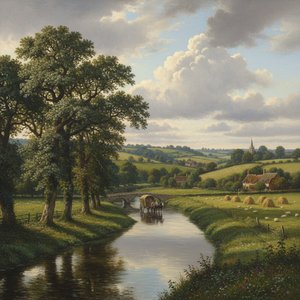
John Constable: Nature, Light & the Romantic Vision of Rural England
Explore the life & art of John Constable, the Romantic painter who revolutionized landscape with emotive scenes of rural England. Discover his techniques, legacy, and key works – perfect for collectors & enthusiasts.

Masterpieces of Resilience: The Top 25 Artworks by William H. Johnson
Explore 25 iconic William H. Johnson masterpieces from the Harlem Renaissance. Discover his soulful expressionism at OriginalUniqueArt.com.