

 Peržiūrėti realaus dydžio版
 Siųsti
 Dalintis
 Išsamiau
 Vadovas

 Atsisiųsti
 Panašūs eksponatai
 Rentgeno spindulių nuotrauka
 Diaporama
 Statistika
Sir Michael Foster


 Rodyti daugiau
Rankų darbo aliejinės reprodukcijos
Rankiniu būdu tapytas aliejus ant droblio jūsų pageidaujamame dydį ir rėmuose – mūsų menininkų darbas pagal užsakymą. ( Perjungti į spausdinimą Perejti prie skaitmeninių vaizdų)




P118B €10

P118H €10

P118W €10

P438Z €10

P508JH €12

P508YH €12

P805H €10

P805Z €10

P919BZ €10

P919G €10

P919XJ €10

P959ZH €10

P968JZ €12

W106C €8

W218G €10

W218JH €8

W218Y €10

W307PJ €10

W316G €10

W316PJ €8

W316Y €10

W398PJ €8

W4111J €10

W500HY €15

W500JH €15

W692G €12

W849H €8

W940BG €15

W953PJ €8




Pasirinkite iš mūsų nustatytų dydžių, atitinkančių originalaus meno kūrinio proporcijas.

Įveskite jums reikiamą plotį ir aukštį, kad paveikslas atitiktų jūsų rėmą ar sieną. Kadangi šis darbas yra rankinio darbo, siekiant išgauti kitokio formos dydį, paveikslas gali būti šiek tiek didesnis (nuo kraštų bus palikta daugiau erdvės) arba mažesnis – pasirinkite jums patogiausią variantą. Prieš pradedant tapyti, atsiųsime jums skaitmeninį maketą patvirtinimui. Šioje puslapio nuotraukoje matomas vaizdas nėra galutinis rezultatas – jį parodys tik sukurtas maketas.
Gavus užsakymą, OriginalUniqueArt.com komanda susisieks su klientu el. paštu dėl instrukcijų ir pateiks maketo pavyzdį
Pristatymas visame pasaulyje () per 3–4 savaites, o ne įprastai – per 5 savaites. (22 spalis). Kokybė lieka nepakeičiama.

Nemokamas greitasis pristatymas visame pasaulyje

Aukštos kokybės lininis drobė

Pilnas siuntimo draudimas

Muitinės mokesčių grąžinimo garantija

Tikro spalvų atitikimo garantija

100 dienų grąžinimo politika (tik esant įtaigoms)

100% pinigų grąžinimo garantija

Nuolaida dideliems užsakymams
 Stiklo variantas prieinamas tik pasirinkus dydį iki 110 cm

Sir Michael Foster
Reprodukcijos technika
Reprodukcijos dydis
-


Visų pasirinktų variantų kaina
€ 263
A Portrait of Intellectual Vitality
In John Maler Collier’s 1907 masterpiece, Sir Michael Foster, we are invited into a private moment of profound scientific contemplation. This oil painting is far more than a mere formal likeness; it is a window into the very heart of Victorian intellectualism. The portrait captures the esteemed physiologist not as a distant icon, but as a man deeply immersed in the dialogue between human thought and the natural world. Collier, a master of the Pre-Raphaelite tradition, utilizes his brush to weave a narrative of authority and curiosity, presenting Foster against a backdrop that serves as both setting and symbol. The presence of the chalkboard, inscribed with the foundational elements of biochemistry—terms such as Proteins, Fats, and Carbohydrates—transforms the canvas from a simple portrait into an evocative landscape of the mind, celebrating the era's relentless pursuit of knowledge.
The composition is masterfully balanced to command the viewer's attention. While Foster’s figure is positioned with a slight, naturalistic off-balance that suggests a momentary pause in his work, he radiates an undeniable sense of stability and presence. His hands, clasped with composed dignity, anchor the lower portion of the frame, while the verticality of his posture provides a structural strength that mirrors the seriousness of his profession. This careful arrangement creates a captivating tension between the man and his environment, suggesting that while the scientist stands before the data, he is also an integral part of the scientific story being written upon the board behind him.
The Alchemy of Color and Texture
Collier’s technical prowess is most evident in his sophisticated use of color and light. The palette is intentionally restrained, dominated by deep, somber tones of brown, black, and charcoal that evoke the quiet, studious atmosphere of an academic sanctum. These dark hues provide a velvety depth to the background, allowing the subject to emerge with striking clarity. However, it is the strategic introduction of a vibrant crimson tie that breathes life into the composition. This singular splash of color acts as a visual heartbeat, injecting a sense of passion and intellectual daring into an otherwise muted scene, symbolizing the fire of inquiry that burns beneath the surface of formal Victorian decorum.
The tactile quality of the painting is nothing short of extraordinary, making it a piece that truly comes alive when viewed in person. The artist employs a range of textures to create a sensory experience: the rugged, meticulously detailed rendering of Foster’s facial hair contrasts beautifully with the smooth, refined fabric of his dark suit. Even the chalkboard itself is treated with a nuanced touch; by subtly blurring the edges of the chalk writing, Collier suggests the ephemeral nature of thought and the physical materiality of the medium. This interplay of sharp detail and soft, atmospheric transitions creates a sense of three-dimensional depth, drawing the eye through layers of light and shadow.
A Timeless Addition to the Modern Interior
For the discerning collector or interior designer, Sir Michael Foster offers an unparalleled opportunity to introduce a sense of history, gravity, and sophistication into a space. The painting’s classical composition and rich, dark tones make it an ideal centerpiece for a library, a study, or a formal dining room, where it can serve as a conversation piece that honors the legacy of human achievement. Its aesthetic appeal lies in its ability to bridge the gap between the historical and the contemporary; while the subject matter is rooted in 1907, the painting's emotional resonance and masterful execution remain eternally relevant.
Owning a high-quality reproduction of this work allows one to inhabit the atmosphere of the Pre-Raphaelite era, bringing the quiet dignity of the Victorian scientific revolution into the modern home. It is an investment in art that does not merely decorate a wall but enriches the soul, offering a constant reminder of the beauty found in discipline, the elegance of intellect, and the enduring power of a life dedicated to discovery.
问答 (or more naturally for a website heading): Klausimai ir atsakymai
Kur turėtų būti pakabinta „Sir Michael Foster“, autorius – Džonas Maler Koljeras reprodukcija?
„Sir Michael Foster“, autorius – Džonas Maler Koljeras formatas Portrait rekomenduojamas Living Room erdvėje. Formatas ir erdvė kartu padeda tinkamai išdėsti reprodukciją.
Su kokia emocija siejama „Sir Michael Foster“?
„Sir Michael Foster“ siejama su Reflective jausmu. Emocinis tonas aprašo įspūdį, kurį sukelia kūrinys.
Kokia buvo Džonas Maler Koljeras amžius sukuriant „Sir Michael Foster“?
Džonas Maler Koljeras sukūrė „Sir Michael Foster“ būdamas 57 metų amžiaus.ت Artistas gimė 1850, o kūrinys datuojamas 1907 metais.
Autoriaus biografija
Džonas Maler Koljeras: Portreto meistras
Džonas Maler Koljeras (1850–1934) – žymus anglų dailininkas ir rašytojas, garsėjęs kaip vienas svarbiausių savo kartos portretistų. Jo kūrybos stilius stipriai remiasi Pre-Rafaelitų estetika, pasižyminčia kruopščia detalėmis, ryškiomis spalvomis ir naratyvo perteikimu portretuose. Koljeras ne tik įamžindavo savo modelių išvaizdą, bet ir bandydavo atskleisti jų asmenybes bei intelektualinę aurą.
Ankstyvieji gyvenimo etapai ir meninis ugdymas
- Šeimos aplinka: Koljeras kilęs iš kilmingos šeimos. Jo senelis buvo kvakerų prekybininkas ir Parlamento narys, o tėvas ėjo generalinio prokuroro pareigas bei tarnavo Privilegijų Taryboje. Tokia privilegijuota aplinka suteikė jam galimybę gauti aukštą išsilavinimą ir įsitvirtinti visuomeniniuose sluoksniuose, kurie vėliau turėjo didelės įtakos jo meninei karjerai.
- Išsilavinimas: Pradinį išsilavinimą Koljeras gavo Etono koledže prieš pradėdamas formalų meno mokymąsi.
- Formalūs studijos: 1875 metais Koljeras pradėjo studijuoti tapybą Miuncheno akademijoje, tobulindamas savo įgūdžius pas žinomus meistrus. Vėliau jis tęsė mokymąsi Paryžiuje su Žanu-Poliu Lorensu (Jean-Paul Laurens).
Meninis stilius ir pagrindiniai darbai
- Pre-Rafaelitų įtaka: Koljero kūryba giliai įsitvirtinusi Pre-Rafaelitų judėjime, tai akivaizdu jo dėmesyje detalėms, sodriuose spalvų deriniuose ir polinkyje kurti naratyvines scenas portretuose. Jis siekė atgaivinti ankstesnės tapybos idealus – tikrumą, emocinį gilumą ir simbolizmą.
- Portreto specializacija: Pagrindinė Koljero specializacija buvo portretų kūrimas, kuriuose jis įamžindavo žymių asmenybių atvaizdus iš meno, mokslo, politikos ir karališkųjų šeimų pasaulių.
- Žymūs modeliai: Tarp Koljero modelių buvo Čarlzas Darvinas, Tomas Henris Haksli (jo svainis), Rudjardas Kiplingas, seras Lorensas Alma-Tadema, du lordai kancleriai (Selborno ir Halsburio grafai), Parlamento spikeris Viljamas Galis ir lauko maršalas Lordas Kičeneris.
- Karališkųjų portretai: Svarbūs užsakymai apėmė Jorko hercogo (vėliau Karaliaus George V) portretą kaip Trinyčio namų magistro 1901 metais ir Princo Velso (vėliau Eduardo VIII) portretą. Pastarasis buvo eksponuojamas Durbar salėje Džodpure, Radžastane.
- "Probleminiai paveikslai": Be formalių portretų, Koljeras kūrė ir "probleminių paveikslų", kuriuose vaizdavo kasdienio gyvenimo scenas, dažnai pasižyminčius šviesesniu ir gaivesniu stiliumi nei jo rimtesni portretai.
Asmeninis gyvenimas ir šeimos ryšiai
- Santykos su Hakslių dukromis: Svarbus Koljero gyvenimo aspektas buvo santuoka su dviejomis Tomo Henrio Haksli, garsaus mokslininko ir Karališkosios draugijos prezidento, dukromis. Jo pirmoji žmona, Marian (Mady) Huxley, taip pat buvo dailininkė.
- Šeimos palikimas: Koljero dukra iš pirmos santuokos, Džois, tapo portretų miniaturiste. Jo antras sūnus, seras Lorensas Koljeras, tarnavo Didžiosios Britanijos ambasadoriumi Norvegijoje nuo 1941 iki 1951 metų.
- Artimi ryšiai su intelektualiais sluoksniais: Koljeras palaikė artimus santykius su žymiais intelektualais ir rašytojais, įskaitant Leonardą Haksli (Tomo Henrio Haksli sūnų).
Palikimas ir istorinė reikšmė
- Pripažinimas ir apdovanojimai: 1920 metais Koljeras buvo paskirtas Britų imperijos ordino karininku (OBE).
- Kritinis įvertinimas: Nors iš pradžių buvo giriamas, vėliau jo kūryba sulaukė nevienareikšmiškos kritikos. Kai kurie kritikai lygino jo stilių su Franko Hollo stiliumi dėl jo rimtumo, o kiti pripažino "stiprų ir netikėtą spalvų pojūtį".
- Išsami dokumentacija: Koljeras kruopščiai fiksavo savo modelius rankraštinėje knygoje, suteikiančioje vertingos įžvalgos apie jo karjerą ir portretuojamus asmenis. Ši "Modelių knyga" dabar saugoma Heinz Archive and Library Nacionalinėje portretų galerijoje.
- Atstovavimas pagrindiniuose rinkiniuose: Nacionalinėje portretų galerijoje Londone saugomi šešiolika Koljero paveikslų, o du jų eksponuojami Tate galerijoje.

Džonas Maler Koljeras
1850 - 1934 , Jungtinė Karalystė
Trumpa informacija apie kūrėją
- Gimimo Data: sausio 27 d., 1850
- Gimimo Vieta: Londonas, Jungtinė Karalystė
- Meninis Stilius: Pre-rafaelitai
- Mirties Data: balandžio 11 d., 1934
- Pilietybė: britų
- Pilnas Vardas: John Maler Collier
- Įtakoję Menininkai:
- Jean-Paul Laurens
- Millais
- Alma-Tadema
- Žymiausi Darbai:
- Lovelace Stamer
- Sir John Lubbock FRS
- Duke of York (George V)
Susiję straipsniai

25 Masterpieces by Dante Gabriel Rossetti: The Soul of Pre-Raphaelite Art
Immerse yourself in the romantic beauty of Dante Gabriel Rossetti. Explore 25 iconic Pre-Raphaelite masterpieces, from soulful portraits to symbolic legends. Find museum-quality art reproductions and timeless decor inspiration. Discover all masterpieces on OriginalUniqueArt.com.

Mastering the Grand Style: The 25 Best Artworks by Sir Joshua Reynolds
Immerse yourself in the grandeur of Sir Joshua Reynolds. Explore 25 iconic masterpieces of British portraiture, from his 'Grand Style' to timeless classics. Find inspiration for museum-quality art reproductions and elegant decor. Discover all masterpieces on OriginalUniqueArt.com.

Dante Gabriel Rossetti: 25 Šedevrai, Įkvėpę Kartas | OriginalUniqueArt.lt
Atraskite 25 įspūdingiausius Dante Gabriel Rossetti šedevrus! Išsami analizė, meno istorija ir įkvėpimas interjerui. Reprodukcijos aliejumi – prerafaelitų klasika jūsų namams. Explore the full collection online!
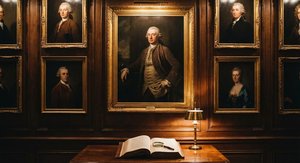
Sir Joshua Reynolds' Masterpieces: 25 Portraits of Power & Refinement | OriginalUniqueArt
Explore 25 captivating portraits by Sir Joshua Reynolds, a master of British art. Discover stories behind his iconic paintings, elegant style & historical influence. Find museum-quality reproductions and elevate your home decor on OriginalUniqueArt.com.

Mastering the Grand Style: The 25 Best Artworks by Sir Joshua Reynolds
Immerse yourself in the grandeur of Sir Joshua Reynolds. Explore 25 iconic masterpieces of British portraiture, from his 'Grand Style' to classical elegance. Find inspiration for museum-quality art reproductions and decor. Discover all masterpieces on OriginalUniqueArt.com.
