Neoclassicism
Wesley (Džonas Džeksonas)
Džonas Džeksonas (1778–1831) sukūrė Wesley. Šis kūrinys priklauso Neoclassicism kieruliui. Pagaminta naudojant Oil On Canvas.
- Oil On Canvas

 Peržiūrėti

 Rankinio darbo aliejinės imitacijos paveikslas
 Pasidalinti
 Dalintis
 Informacinė lLapelė


 Atsisiųsti
 Panašūs eksponatai
 Rentgeno spindulių nuotrauka
 Automatinė diorama
 Klausimai ir atsakymai

 Statistika
Wesley, trumpai
- Pavadinimas
- Wesley
- Autorius
- Džonas Džeksonas (1778–1831)
- Autorius gimęs
- Lastinghamas, Jungtinė Karalystė
- Technika
- Oil On Canvas
- Judėjimas
- Neoclassicism
- Laikotarpis
- Early Modern
- Tema
- portrait, clergy, dignified, formal, neoclassical, authority
Ką vaizduoja Wesley?
Identification of the Portrait of Wesley
In this portrait, titled Wesley, the artist John Jackson presents a formal and dignified depiction of his subject. The work focuses on an elderly man, whose presence suggests the weight of a significant role, likely that of a clergyman or a judge. There is a quiet authority in his steady, contemplative expression, which meets the viewer with a sense of seasoned wisdom. The portrait captures a moment of stillness, focusing on the character and intellect of the sitter through a direct and serious gaze.
The subject is rendered in traditional clerical attire, which provides immediate insight into his social standing and professional life. He wears a long white wig and a black robe, accented by a stole that emphasizes his religious or judicial vocation. This specific choice of clothing, combined with the formal composition, establishes the sitter as a man of importance and discipline. The dark, indistinct background ensures that the viewer's attention remains fixed entirely upon the man and the textures of his garments.
Composition and Visual Elements
The composition is centered on the subject's head and shoulders, creating an immediate sense of presence. This focused arrangement draws the eye directly to the man's face, where a serious and contemplative expression suggests a life of deep thought. He is dressed in traditional clerical attire, characterized by a long white wig and a black robe that anchors the figure within the frame. The background remains dark and indistinct, a murky expanse that prevents distraction and pushes the subject into the foreground.
Lighting is used with a deliberate, dramatic intent. Strong highlights strike the face and the folds of the robes, carving out the form against the shadows. This chiaroscuro effect provides a sense of volume and weight to the figure. While the portrait feels intimate, the perspective is linear, utilizing subtle converging lines to suggest a sense of depth within the space. The interplay of light and shadow defines the contours of the clothing and the texture of the hair, grounding the figure in a tangible, physical reality.
Technique and Artistic Materials
The work is executed in oil paints on canvas, a choice that allows for a profound sense of depth and presence. Jackson employs a meticulous technique, characterized by careful observation and skillful brushwork that defines the contours of the face and the heavy folds of the clerical attire. There is a deliberate precision in how the light is handled, creating a sense of solidity through the careful application of pigment.
The texture of the piece is notably rich and layered. Through the use of impasto techniques, the artist has built up the surface to create a tangible quality, particularly visible in the rendering of the white wig and the heavy robes. This tactile approach provides a physical weight to the subject, ensuring that the interplay of light and shadow feels grounded and real rather than merely painted.
Related Works by John Jackson
Beyond this portrait, Jackson’s oeuvre reveals a consistent interest in the psychological depth of his subjects. His catalog includes Reginald Macdonald, a work that reflects his ability to handle formal portraiture. He also produced several self-portraits, which offer a more intimate look at the artist himself, providing a glimpse into his own character and the introspective nature of his practice. These works demonstrate his capacity to move between the public persona of a sitter and the private reality of the individual.
The artist’s technical range is further evidenced by his various studies, such as Flaxman. In these pieces, one can observe his command over oil textures and his specific approach to directional lighting. His ability to manipulate light and shadow is a recurring element across his various commissions. Whether working on a formal portrait or a focused study, Jackson maintained a commitment to capturing the essential presence of the person before him.
Wesley dididraudžios kokybės vaizdai
Viešoji domenė: suregalis mirė 1831 m.
Džonas Džeksonas, Wesley. Viešoji domenė
Atsakimai į klausimus apie Wesley
Kokia technika sukurta „Wesley“ – Džonas Džeksonas?
„Wesley“ – Džonas Džeksonas technika – Oil On Canvas. Kopijos siekia atkartoti šios technikos vaizdą.
Kas yra „Wesley“?
„Wesley“ – Džonas Džeksonas temos apima portrait, clergy, dignified, formal, neoclassical, authority, wisdom, religious. Kartu jie apibendrina šio kūrinio tematiką.
Ar „Wesley“ – Džonas Džeksonas vaizdą galima laisvai reprodukcijaoti?
„Wesley“ – Džonas Džeksonas yra yra viešosios erdvės dalis – jo autorinė teisė pasibaigusi. Šis statusas nustato, kaip galima reprodukcijaus šio kūrinio vaizdą.
Kas yra „Wesley“ kūrybos autorius?
Kūrinį „Wesley“ sukūrė Džonas Džeksonas. Darbas katalogizuojamas Džonas Džeksonas vardu.
Kokiam meno stiliui priklauso „Wesley“ – Džonas Džeksonas?
Kūrinio „Wesley“ – Džonas Džeksonas stilius – Neoclassicism. Ši klasifikacija leidžia šį darbą įtraukti į bendrą susijusių menininkų ir kūrinių kontekstą.
Kokio Džonas Džeksonas kūrybos etapo dalis yra „Wesley“?
Džonas Džeksonas kūrybos enceklopedijoje kūrinys „Wesley“ priskiriamas Mature Period laikotarpiui. Šis etapas leidžia palyginti jį su kitais šio autoriaus kūriniais.
Ar Džonas Džeksonas kūrinys „Wesley“ yra viešosios nuoslegos ir kodėl?
„Wesley“ – Džonas Džeksonas yra yra viešosios erdvės dalis – jo autorinė teisė pasibaigusi. Autorinės teisės galioja nuo mirties metų, kai šis kūrėjas mirė 1831 m.
Ką „Wesley“ turi bendro su visa Džonas Džeksonas kūryba?
„Wesley“ kartu su kitais Džonas Džeksonas kūriniais pasižymi Neoclassicism stiliumi ir tamsiomis temomis: reflects jackson's skill, demonstrates mastery, typical of his portraits, established style, classical ideals, roman portraiture, neoclassical style, formal composition.
Kaip „Wesley“ tema susiję su įprastomis Džonas Džeksonas tematikos temos?
Dažniausios Džonas Džeksonas temos apima reflects jackson's skill, demonstrates mastery, typical of his portraits, established style, classical ideals, roman portraiture, neoclassical style, formal composition; kūrinys „Wesley“ susitelkia į portrait, clergy, dignified, formal, neoclassical, authority, wisdom, religious.
Apie menininką Džonas Džeksonas
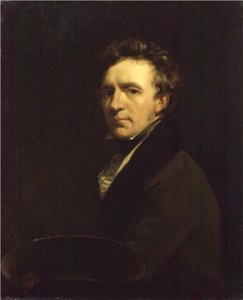
1778–1831, Jungtinė Karalystė
Džonas Džeksonas
Pradiniai metai ir mokytojimas: Nevaliautas pradžia Johnas Jacksonas, gimęs 1778 m. gegužės 31 d. bujukio Lastingham kaime, iškovojo kelią, visiškai skirtingą nuo jo pradinio paskirties. Jo tėvas, praktiškas siūto, savo sūnui taip pat numatė panašią profesiją, todėl jaunas Johnas buvo įtrauktas į mokymą pagal šią tradiciją.
Taip pat Džonas Džeksonas darbai
 Portrait of a Man1822
 Reverend William Holwell Carr1827
 Portrait of a Gentleman1810
 Frederick, Duke of York (1763-1827)1822
Esdai apie Wesley
 The Artistry and Process of Bespoke Oil Painting: From Concept to CanvasMaster the technical artistry of bespoke oil painting from glazing to impasto. Discover the secrets of fine art commissions today.
 25 Essential Portraits by François Clouet: A Guide to His Finest WorksExplore 25 iconic François Clouet portraits from the French Renaissance. Discover the full collection online at OriginalUniqueArt.com.
 25 Essential John Collier Paintings: Iconic Portraits and Narrative ScenesExplore 25 iconic John Collier paintings and Pre-Raphaelite portraits. Discover the full collection online at OriginalUniqueArt.com.