Romantic Landscape · 1835
Stonehenge (John Constable, 1835)
John Constable (1776–1837) sukūrė Stonehenge. Šis kūrinys datuojamas 1835 m. Šis kūrinys priklauso Romantic Landscape kieruliui. Pagaminta naudojant Watercolor. Eksponatas saugomas Victoria and Albert Museum Londonas, Jungtinė Karalienija. Matmenys – 387 × 591 cm.
- 1835
- Watercolor
- 387 × 591 cm
- Victoria and Albert Museum, Londonas

 Peržiūrėti

 Rankinio darbo aliejinės imitacijos paveikslas
 Pasidalinti
 Dalintis
 Informacinė lLapelė


 Atsisiųsti
 Panašūs eksponatai
 Rentgeno spindulių nuotrauka
 Automatinė diorama
 Klausimai ir atsakymai

 Statistika
Stonehenge, trumpai
- Pavadinimas
- Stonehenge
- Autorius
- John Constable (1776–1837)
- Autorius gimęs
- Ist Bergholtas, Jungtinė Karalystė
- Data
- 1835
- Technika
- Watercolor
- Dalių matmenys
- 387 × 591 cm
- Kur galima pamatyti
- Victoria and Albert Museum, Londonas, Jungtinė Karalienija
- Judėjimas
- Romantic Landscape
- Laikotarpis
- 19th Century
- Tema
- stonehenge ruins, english landscape, rural scene, constable painting, ancient monument, dramatic sky
Ką vaizduoja Stonehenge?
The Depiction of Stonehenge by John Constable
In this watercolor, John Constable captures the heavy presence of Stonehenge. Large rocks dominate the foreground, their forms fractured by time. Some stones remain upright, reaching toward the sky, while others have fallen, lying on their sides amidst the earth. A cloudy sky hangs above the monument, casting a diffused light over the weathered surfaces of the megaliths.
Human presence is small against the weight of the stones. Two figures inhabit the landscape. One person stands near the center of the scene, a quiet point of scale against the ancient rock. Another figure is positioned further to the right, moving through the periphery of the composition. The figures appear dwarfed by the immensity of the stones and the vast, overcast atmosphere.
The scene is a study of stillness. The arrangement of the rocks and the muted light create a moment of quietude. The stones rest in a landscape that feels both permanent and remote. A pale light settles upon the ground.
Technique and Materials of the Artwork
The artist worked upon paper, a surface that accepts the soft touch of black chalk. These dark, skeletal lines provide a structural foundation, mapping the heavy presence of the stones before the color arrives. It is a drawn work, where the precision of the hand meets the fluid nature of the medium.
Watercolor washes layer over the chalk, creating a sense of atmosphere through translucent pigment. The medium moves across the paper in delicate dances of grey and pale blue. These washes build a sense of depth, mimicking the way light filters through a misty sky to touch the weathered surfaces of the rocks. The interaction between the dry, dark lines and the wet, light pigments captures a specific, fleeting moment of light.
Where to See This Artwork Today
The watercolor rests within the Victoria and Albert Museum in London. This institution, often called the V&A, holds the work in its permanent collection. It is situated in South Kensington, United Kingdom.
Visitors find the piece among the vast holdings of the museum. The halls of the V&A house many objects, but this specific depiction of the stone circle remains a quiet presence in the London landscape. The museum's location in South Kensington provides a steady anchor for the work's continued preservation.
The museum's collection includes various other works by the artist, such as:
- Wivenhoe Park, Essex
- Maria Bicknell (Mrs. John Constable), 1816
The stones remain held in this place. A stillness lingers in the museum air.
Related Works by John Constable
The river and the sky define much of his vision. In 1821, he captured the movement of the water in The Hay Wain. He turned his gaze toward the meadows in 1831 with Salisbury Cathedral from the Meadows. These scenes reflect a life spent observing the shifting light over the English landscape.
The earth and its textures appear in other studies. He painted The Cornfield in 1826 and The Lock in 1824. His brush also moved across the grounds of Wivenhoe Park, Essex. Even in more personal subjects, such as the 1816 work featuring Maria Bicknell, the artist sought to record the truth of what he saw. The light settles quietly on the grass.
Kuriame muziejuje eksponuojama karya Stonehenge?
Victoria and Albert Museum
Londonas, Jungtinė Karalienija
Victoria and Albert Museum kilmės ir istorija Victoria and Albert Museum šaknys glaudžiai susijusios su inovacijų krauju, kuris apibrėžė Viktorijos era. Šios institucijos įkūrimas prasideda nuo 1851 metų Didžiąjąjįy ekspozicijos, svarbaus momento Britanijos istorijoje. Šis įvykis suteikė pradinį impulsą vizijai, kurioje praktiškas įgūdžiai susitinka su estetišku suvokimu.


Stonehenge dididraudžios kokybės vaizdai

Viešoji domenė: suregalis mirė 1837 m.
Kiti dydžiai, iškarai ir citavimo informacija →John Constable, Stonehenge (1835).
John Constable (1776–1837), Stonehenge, 1835, watercolor, Victoria and Albert Museum, Londonas, Jungtinė Karalienija. Viešoji domenė Vaizdas: OriginalUniqueArt.com.
Atsakimai į klausimus apie Stonehenge
Kur galima pamatyti „Stonehenge“ – John Constable originalą?
Originalų kūrinį „Stonehenge“ galite pamatyti Victoria and Albert Museum, Londonas, Jungtinė Karalienija.
Kokia yra „Stonehenge“ – John Constable kūrybos data?
„Stonehenge“ – John Constable kūrybos metai – 1835.
Kokia technika buvo panaudota kūriniam darbui „Stonehenge“ – John Constable?
„Stonehenge“ technika – Watercolor.
Kokie yra originalaus „Stonehenge“ – John Constable matmenys?
Įrašyti kūrinio „Stonehenge“ – John Constable matmenys yra 387 x 591 cm. Kopijas galima užsisakyti kitais dydžiais, išlaikant tą pačius proporcijas.
Kokios temos atsispindi kūrynioje „Stonehenge“ – John Constable?
„Stonehenge“ – John Constable temos apima stonehenge ruins, english landscape, rural scene, constable painting, ancient monument, dramatic sky, landscape art. Kartu jie apibendrina šio kūrinio tematiką.
Ar „Stonehenge“ – John Constable vaizdą galima laisvai reprodukcijaoti?
Autorių teisių statusas kūriniui „Stonehenge“ – John Constable: kūrinys priklauso yra viešosios erdvės dalis – jo autorinė teisė pasibaigusi. Tai nulemia, ar galima laisvai reprodukciuoti šį vaizdą.
Kas sukūrė „Stonehenge“?
Kūrinį „Stonehenge“ sukūrė John Constable. Darbas katalogizuojamas John Constable vardu.
Kokio meno kryžmės dalis yra „Stonehenge“ – John Constable?
Kūrinio „Stonehenge“ – John Constable stilius – Romantic Landscape. Ši klasifikacija leidžia šį darbą įtraukti į bendrą susijusių menininkų ir kūrinių kontekstą.
Kokio John Constable kūrybos etapo dalis yra „Stonehenge“?
„Stonehenge“ priklauso John Constable kūrybos karjeros Mature Landscape etapui. Ši klasifikacija atspindi kūrinio ryšį su menininko evoliucija.
Apie menininką John Constable
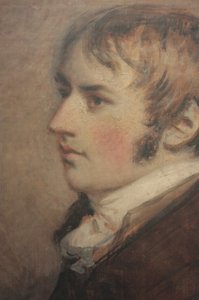
1776–1837, Jungtinė Karalystė
John Constable
Pradinis gyvenimas, šeima ir mokslai John Constable gimė 1776 metais Suffolk vyskupiage, East Bergholt kaimelyje. Jis buvo dvajasis Goldingo ir Ann (Watts) Constable sūnus. Jo tėvas buvo sėkmingas grūdos ir anglies verslininkas, valdantis Flatford malą. Šis ryšys su upe ir vietine prekyba reiškia, kad vandens ritmai ir prekių judėjimas buvo kasdienios šeimos būtenybės dalis.
Taip pat John Constable darbai
 Šienapjūtė1821
 Salisbury katedros vaizdas iš vyskupo sodybos1823
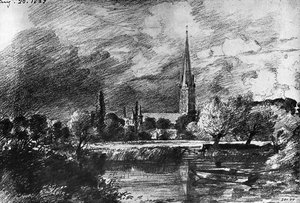 Salisbury katedra
 Šienovežis (detalė)1821
Esdai apie Stonehenge
 Mastering the English Landscape: The Top 25 John Constable Artworks25 works including The Hay Wain from 1821 and The Cornfield from 1826, detailing Constable's depictions of the River Stour and Dedham Vale.
 The Art of Chalk: Mastering Texture, Softness, and Depth in Fine ArtDiscover the exquisite mastery of pastel and chalk in fine art. Explore how texture, light, and softness create depth in Impressionist mast…
 British artworks of the 1820sJohn Constable's 1821 Hay Wain captures the River Stour through textured impasto. Compare his pastoral views with Turner's 1828 Chichester …