

 Peržiūrėti realaus dydžio版
 Siųsti
 Dalintis
 Išsamiau
 Vadovas

 Atsisiųsti
 Panašūs eksponatai
 Rentgeno spindulių nuotrauka
 Diaporama
 Statistika
Untitled (D2X6GG)
 Oil On Canvas
- WallArt
- Baroque
 1626
1626- Early Modern
 99.0 x 126.0 cm
 Metropolitano muziejus
 Rodyti daugiau
Giclée / Meno spausdinimas
Muziejų lygio „giclée“ arba drobos spausdinimas: greita gamyba ir lankstios apdailos parinktys. ( Pirkti rankomis tapytą reprodukciją Perejti prie skaitmeninių vaizdų)




P118B €10

P118H €10

P118W €10

P438Z €10

P508JH €12

P508YH €12

P805H €10

P805Z €10

P919BZ €10

P919G €10

P919XJ €10

P959ZH €10

P968JZ €12

W106C €8

W218G €10

W218JH €8

W218Y €10

W307PJ €10

W316G €10

W316PJ €8

W316Y €10

W398PJ €8

W4111J €10

W500HY €15

W500JH €15

W692G €12

W849H €8

W940BG €15

W953PJ €8




Pasirinkite iš mūsų nustatytų dydžių, atitinkančių originalaus meno kūrinio proporcijas.

Įveskite jums reikiamą plotį ir aukštį, kad atvaizdas derėtų prie jūsų rėmo ar sienos. Spausdiną galima tik sumažinti, bet nepadidinti virš originalaus paveikslėlio dydžio, todėl keičiant proporcijas, dalis vaizdo prarandama. Prieš spausdinimą atsiųsime jums skaitmeninį maketą patvirtinimui. Šioje puslapio nuotraukoje matomas pjūvis nėra tikslus – jį rodo tik maketas.
Pristatymas visame pasaulyje () per 2 weeks, o ne įprastas 4/5 savaičių laikotarpis. (27 spalis)

Nemokamas greitasis pristatymas visame pasaulyje

Aukštos kokybės lininis drobė

Pilnas siuntimo draudimas

Muitinės mokesčių grąžinimo garantija

Tikro spalvų atitikimo garantija

100 dienų grąžinimo politika (tik esant įtaigoms)

100% pinigų grąžinimo garantija

Nuolaida dideliems užsakymams
 Stiklo variantas prieinamas tik pasirinkus dydį iki 110 cm

Untitled (D2X6GG)
Giclée / Meno spausdinimas
Reprodukcijos dydis
-


Visų pasirinktų variantų kaina
€ 70
A Moment Frozen in Time: The Quiet Drama of Saint Mary Magdalen
In the vast tapestry of the 17th-century Baroque era, where the theatrical shadows of Caravaggio and the luminous interiors of Vermeer often command the spotlight, there exists a more intimate, whispered form of storytelling. Johann Liss’s “The Temptation of Saint Mary Magdalen,” completed around 1626, serves as a profound testament to this subtle mastery. The painting captures a pivotal moment of spiritual and psychological tension, inviting the viewer into a sacred space where the boundary between the divine and the earthly becomes perilously thin. Rather than relying on grand, sweeping gestures, the work finds its power in the palpable stillness of a single, transformative breath.
The narrative unfolds through a delicate arrangement of three figures, each contributing to a complex web of desire and devotion. At the heart of the composition is Mary Magdalene, her gaze directed upward in a poignant expression that oscillates between vulnerability and a burgeoning defiance. She stands at a crossroads of the soul, confronted by a shadowy figure—an entity whose true nature as either an angel or a tempter remains tantalizingly ambiguous to the observer. As he proffers an apple, a universal symbol of original sin and worldly temptation, the tension in the room becomes almost tactile. A third woman watches from the periphery, her silent presence acting as a pillar of purity, grounding the scene in a sense of watchful, quiet sanctity.
The Mastery of Light and Texture
Technically, the work is a triumph of diffused light and meticulous surface detail. Eschewing the harsh, dramatic chiaroscuro that defined much of the period, the artist employs a softer, more atmospheric illumination. This gentle light source washes over the figures, casting subtle shadows that do not obscure but rather reveal the intricate textures of the scene. One can almost feel the heavy weight of the folds in Mary Magdalene’s robes and the delicate softness of her shawl, rendered with a precision that speaks to an extraordinary command of oil on canvas.
This focus on texture serves a deeper symbolic purpose; by emphasizing the physical reality of the drapery and the skin, the artist anchors the spiritual struggle in the tangible world. The rich, warm color palette enhances this effect, creating an atmosphere of contemplative warmth that draws the eye deep into the composition. For the collector or interior designer, such a piece offers more than mere decoration; it provides a focal point of profound depth, capable of anchoring a room with its sophisticated balance of light and shadow.
A Timeless Legacy for the Discerning Collector
To possess a reproduction of this caliber is to invite a piece of art history into one's personal sanctuary. The painting does not merely depict a biblical event; it explores the universal human condition—the eternal struggle between our higher aspirations and our earthly impulses. It is a work that rewards repeated viewing, revealing new layers of psychological complexity with every glance at the subtle interplay of expressions.
Whether placed in a curated gallery setting or as a centerpiece in a thoughtfully designed living space, this artwork brings an air of intellectual rigor and emotional resonance. It appeals to those who appreciate the understated elegance of the Dutch and German Baroque traditions—a style that finds the extraordinary within the ordinary, and the divine within the quietest moments of human existence.
问答 (or more naturally for a website heading): Klausimai ir atsakymai
Kokią vietą Johannas Lissas pasikartojančių temų tarėje užima „Untitled (D2X6GG)“?
„Untitled (D2X6GG)“ vaizduoja saint mary magdalen, temptation, devil, apple, biblical scene, light, color palette, o įrašytos Johannas Lissas temos yra caravaggio influence, religious temptation, baroque style, biblical narrative, artist legacy. Šių dviejų palikimų lyginimas parodo, kaip šis kūrinys susijęs su įprastais šio kūrybinio veiksmo objektais.
Kokią nasytintį ir intensyvumą demonstruoja „Untitled (D2X6GG)“, autorius – Johannas Lissas?
„Untitled (D2X6GG)“ spalvos nasyginimas yra Subtle Color, o intensyvumas – Monochromatic.
Kas yra „Untitled (D2X6GG)“ autorius ir kokiu stiliaus metu?
Johannas Lissas sukūrė „Untitled (D2X6GG)“, priklausantį Baroque stiliui.
Susiję straipsniai

Golden Age Reflections: Dutch Baroque Painting & Cultural Innovation
Explore the Dutch Golden Age of painting! Discover key artists like Vermeer & ter Borch, their innovative techniques, and the rich cultural context behind these Baroque masterpieces. Learn about collecting & appreciating this iconic art period.

Mastering Light and Shadow: A Definitive Guide to the Chiaroscuro of the Dutch Baroque Era
Explore the dramatic mastery of the Dutch Baroque era. Discover how masters like Rembrandt used chiaroscuro to manipulate light and shadow, creating profound emotional depth and timeless beauty in art history's most captivating masterpieces.

Dutch Baroque Masters: 10 Paintings That Shaped an Era | OriginalUniqueArt
Journey through the Golden Age with our guide to the Top 10 Dutch Baroque masterpieces! Explore iconic paintings by Rembrandt, Vermeer & Frans Hals. Find museum-quality art reproductions and elevate your home decor at OriginalUniqueArt.com.
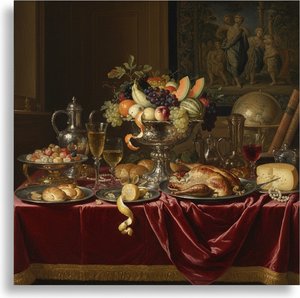
Abraham Hendricksz van Beyeren: Pioneering Dutch Still Life & the Banquet Tradition
Explore the captivating world of Dutch Golden Age still life with Abraham van Beyeren. Discover his innovative techniques, symbolic banquet scenes & lasting influence on art history. Learn about collecting these masterpieces.

Baroko Šedevrai: 10 Menų Simbolių, Apibūdinusių Epoką | OriginalUniqueArt
Atraskite 10 baroko šedevrų, kurie apibrėžė epoką! Karolis Rubenzas, Berninis ir kiti meistrai – jų kūriniai, istorijos bei spalvos. Aukščiausios kokybės dailės reprodukcijos ir interjero įkvėpimas OriginalUniqueArt.com. Išnagrinėkite visą kolekciją internete!

