
 Peržiūrėti realaus dydžio版
 Pasidalinti
 Dalintis
 Išsamiau
 Vadovas

 Atsisiųsti
 Panašūs eksponatai
 Rentgeno spindulių nuotrauka
 Automatinė diorama
 问答
问答 Statistika
Field-Marshal George Wade


 Skaityti daugiau
Giclée / Meno spausdinimas
Muziejų lygio „giclée“ arba drobos spausdinimas: greita gamyba ir lankstios apdailos parinktys. ( Pirkti rankų darbo tapybą Perejti prie skaitmeninių vaizdų)




P118B €10

P118H €10

P118W €10

P438Z €10

P508JH €12

P508YH €12

P805H €10

P805Z €10

P919BZ €10

P919G €10

P919XJ €10

P959ZH €10

P968JZ €12

W106C €8

W218G €10

W218JH €8

W218Y €10

W307PJ €10

W316G €10

W316PJ €8

W316Y €10

W398PJ €8

W4111J €10

W500HY €15

W500JH €15

W692G €12

W849H €8

W940BG €15

W953PJ €8




Pasirinkite iš mūsų nustatytų dydžių, atitinkančių originalaus meno kūrinio proporcijas.

Įveskite jums reikiamą plotį ir aukštį, kad atvaizdas derėtų prie jūsų rėmo ar sienos. Spausdiną galima tik sumažinti, bet nepadidinti virš originalaus paveikslėlio dydžio, todėl keičiant proporcijas, dalis vaizdo prarandama. Prieš spausdinimą atsiųsime jums skaitmeninį maketą patvirtinimui. Šioje puslapio nuotraukoje matomas pjūvis nėra tikslus – jį rodo tik maketas.
Pristatymas visame pasaulyje () per 2 weeks, o ne įprastas 4/5 savaičių laikotarpis. (6 lapkritis)

Nemokamas greitasis pristatymas visame pasaulyje

Aukštos kokybės lininis drobė

Pilnas siuntimo draudimas

Muitinės mokesčių grąžinimo garantija

Tikro spalvų atitikimo garantija

100 dienų grąžinimo politika (tik esant įtaigoms)

100% pinigų grąžinimo garantija

Nuolaida dideliems užsakymams
 Stiklo variantas prieinamas tik pasirinkus dydį iki 110 cm

Field-Marshal George Wade
Giclée / Meno spausdinimas
Reprodukcijos matmenys
-


Bendroji kaina
€ 72
A Vision of Command: The Presence of Field-Marshal George Wade
In the grand tradition of eighteenth-century portraiture, few works capture the intersection of military authority and natural majesty as effectively as Johan van Diest’s 1731 masterpiece, Field-Marshal George Wade. This striking oil painting serves as more than a mere likeness; it is a profound study of power, duty, and the indomitable spirit of an era defined by expansion and conflict. As the viewer encounters the subject, they are immediately struck by the commanding presence of the Field-Marshal, whose vibrant red attire—the iconic hue of British military distinction—commands the center of the composition. Van Diest utilizes a masterful command of light to illuminate the textures of the man's uniform, creating a tactile experience that brings the historical weight of the 1730s directly into the modern collector's gaze.
The artistry of Johan van Diest is deeply rooted in the dramatic legacy of the Dutch masters, particularly through his sophisticated use of chiaroscuro. By orchestrating a delicate interplay between deep shadows and brilliant highlights, Van Diest breathes life into the subject’s features, lending an air of contemplative wisdom to the Field-Marshal's expression. The meticulous detail found in the lace of his cravat, the sheen of his military regalia, and the subtle contours of his wig reflects a technical precision that was hallmark to the Enlightenment period. This level of craftsmanship ensures that every brushstroke contributes to a narrative of dignity, making the piece an exquisite focal point for those who appreciate the rigorous standards of classical European portraiture.
Beyond the individual, the painting offers a breathtaking dialogue between man and the wild landscape. The backdrop of rugged, soaring mountains provides a dramatic contrast to the structured, formal elegance of the Field-Marshal’s attire. This juxtaposition serves as a powerful symbol: it represents the imposition of order and civilization upon the untamed frontiers of the world. The distant, smaller figures scattered within the landscape add a sense of immense scale and historical movement, suggesting the vast theaters of war and governance that Wade oversaw. For the interior designer or art enthusiast, this composition offers a unique emotional depth, blending the intimacy of a personal portrait with the epic scope of a historical landscape.
Integrating such a distinguished work into a curated space brings an atmosphere of timeless sophistication and intellectual gravity. Whether placed in a stately library, a formal dining room, or a contemporary gallery setting, this reproduction of Van Diest’s work acts as a window into the past. It invites conversation about leadership, the evolution of military history, and the enduring beauty of the Baroque-influenced style. For collectors seeking to invest in pieces that evoke both prestige and emotional resonance, Field-Marshal George Wade stands as an unparalleled choice, offering a permanent connection to the grandeur of the eighteenth century.
Klausimai ir atsakymai
Kokio spalvų ryškumo turi „Field-Marshal George Wade“ – Johan Van Diest?
„Field-Marshal George Wade“ spalvų intensyvumas yra Balanced. Intensyvumas apibūdina, koks spalvų ryškumas yra suvokiamas.
Koks kontrastas pasižymi kūrinys „Field-Marshal George Wade“ – Johan Van Diest?
Kūrinio „Field-Marshal George Wade“ – Johan Van Diest kontrasto lygis yra Gentle.
Kokią emociją sukelia „Field-Marshal George Wade“?
„Field-Marshal George Wade“ – Johan Van Diest perteikia Powerful emocinę nuotaiką.
Autoriaus biografija
The Painter of Dignified Presence
Johan van Diest (1695 – 1757) stands as a singular figure in Dutch portraiture during the Enlightenment, distinguished not merely by his technical skill but by an unwavering commitment to capturing the essence of character and conveying profound dignity. Unlike many of his contemporaries who prioritized superficial beauty or flamboyant display, Van Di Diest’s canvases offer glimpses into the inner lives of his subjects—nobles, statesmen, and military leaders—presenting them as embodiments of virtue and intellect. His work serves as a window into an era where the portrait was more than a mere likeness; it was a profound study of power, duty, and the indomitable spirit of a changing world.
Born in Leiden, Van Diest received a rigorous artistic education that deeply embedded the legacy of the Dutch Masters within his technique. The influence of Rembrandt Harmensz van Rijn is particularly palpable in his approach to light; the masterful use of chiaroscuro—the dramatic interplay between deep shadows and brilliant highlights—became a cornerstone of his style. This ability to orchestrate light allowed him to breathe life into his subjects, lending an air of contemplative wisdom to even the most formidable military figures. While the shadows provided depth, his application of thin glazes over meticulous underdrawings achieved a remarkable luminosity, allowing him to render the textures of silk, lace, and heavy military regalia with astonishing realism.
Mastery of Detail and Command
The technical precision of Van Diest’s oeuvre is characterized by an almost sculptural quality. He employed a painstaking layering process that allowed for a tactile experience, where the viewer can almost feel the sheen of a commander's uniform or the delicate crispness of a cravat. This meticulous attention to detail was not merely decorative but served a narrative purpose, reinforcing the status and authority of his sitters. His portraits often juxtapose the structured, formal elegance of human attire against dramatic, rugged landscapes, creating a powerful symbolic dialogue between the order of civilization and the untamed majesty of nature.
His notable commissions reflect the high esteem in which he was held by the European elite. Among his most celebrated works are depictions of:
- Willem III, Prince of Orange, capturing the weight of royal responsibility.
- Field-Marshal George Wade, a masterpiece from 1731 that exemplifies the intersection of military authority and natural majesty through vibrant red attire and commanding presence.
- General George Wade, where Baroque elegance meets the raw power of a seasoned leader.
- Cornelis Tromp, the commander-in-chief of the Dutch West Indies fleet, rendered with psychological insight.
Legacy of the Enlightenment
While the shadows of Rembrandt, Rubens, and Caravaggio loom large over his formative years, Van Diest forged a path uniquely his own. His artistic legacy is defined by an uncompromising pursuit of dignity and a refusal to succumb to the purely ornamental. In an age of expansion and conflict, his portraits provided a sense of permanence and moral weight. Through his ability to capture both the physical likeness and the psychological depth of his subjects, Johan van Diest ensured that his work would remain a vital record of the individuals who shaped the political and military landscape of the eighteenth century.

Johan Van Diest
1695 - 1757
Trumpa informacija
- Artistic Movement Or Style: Classical Portraiture
- Artists Who Influenced This Artist:
- Peter Paul Rubens
- Rembrandt
- Date Of Birth: 1695
- Date Of Death: 1757
- Full Name: Johan van Diest
- Nationality: Dutch
- Notable Artworks:
- Portrait of Willem III
- Portrait of Johan Casimir van Nassau-Siegen
- Place Of Birth: Amsterdam, Netherlands
Susiję straipsniai
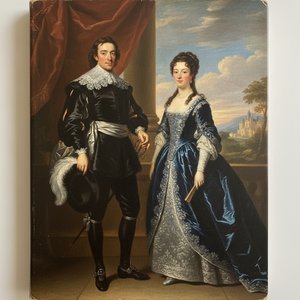
Sir Anthony van Dyck: Courtly Portraiture & the Shaping of Baroque Identity
Explore the life & legacy of Sir Anthony van Dyck, the leading court painter of his era. Discover his innovative portraiture, Baroque masterpieces, and investment potential for discerning collectors. Learn more at OriginalUniqueArt.

Baroko Šedevrai: 10 Menų Simbolių, Apibūdinusių Epoką | OriginalUniqueArt
Atraskite 10 baroko šedevrų, kurie apibrėžė epoką! Karolis Rubenzas, Berninis ir kiti meistrai – jų kūriniai, istorijos bei spalvos. Aukščiausios kokybės dailės reprodukcijos ir interjero įkvėpimas OriginalUniqueArt.com. Išnagrinėkite visą kolekciją internete!

Rembrandto van Rijn šedevrai: 25 paveikslai, įkvėpę amžius | OriginalUniqueArt
Atraskite 25 įspūdingiausius Rembrandto paveikslus! Išsami istorija, meno technikos ir simbolika. Olandų baroko šedevrai jūsų interjerui – aukštos kokybės reprodukcijos OriginalUniqueArt.com. Explore the full collection online!

Georges Seurat: 25 Šedevrai, Apšviečiantys Modernaus Meno Takus | OriginalUniqueArt
Atraskite 25 Georges Seurat šedevrus! Išsami analizė, istorijos ir įkvėpimas interjero dizainui. Pointilizmo meistras, impresionizmas ir chromoluminarizmas – viskas OriginalUniqueArt.com. Explore the full collection online!

Georges Braque: 25 Šedevrai, Keičiantys Jūsų Interjerą | OriginalUniqueArt
Atraskite 25 Georges Braque šedevrus! Kubizmo meistro paveikslai, interjero dekoras ir meno istorija. Meno reprodukcijos aukščiausia kokybe – OriginalUniqueArt.com. Išsamesnės informacijos rasite internetu.