
 Peržiūrėti realaus dydžio版
 Siųsti
 Dalintis
 Išsamiau
 Vadovas

 Atsisiųsti
 Panašūs eksponatai
 Rentgeno spindulių nuotrauka
 Diaporama
 Statistika
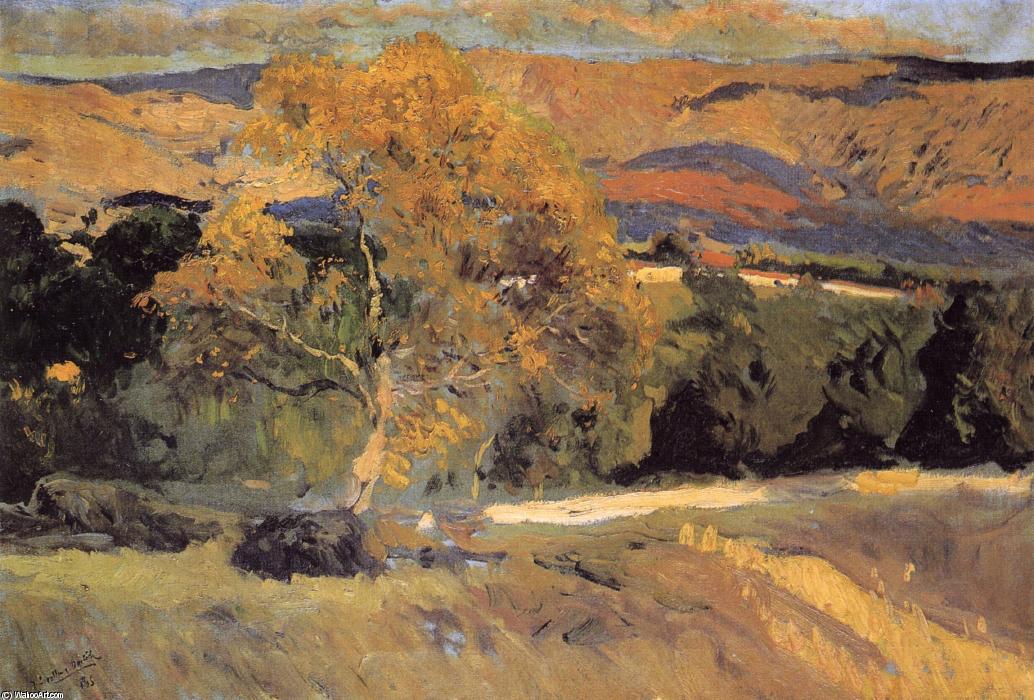
The Yellow Tree, La Granja


 Rodyti daugiau
Įsigykite aukštos skiriamosios raiškos, patobulintą skaitmeninį vaizdą, gerokai pranašesnį už internetinę peržiūrą.
Kiekvieną failą mūsų specialistai kruopščiai paruošia naudojant pažangias technologijas ir profesionalų rankinį retušavimą. Užtikriname, kad kiekvienas vaizdas pasižymėtų išskirtiniu aiškumu, tikslia spalvų atspalviu ir smulkiomis detalėmis.
Baigiamas failas el. paštu pristatomas per 72 valandas; jis optimizuotas nedelsiant naudojimui profesionalioje, redakcinėje ir spausdinimo aplinkoje. Tai ta pati kokybė, kuria pasitiki aukščiausios klasės dizaino studijos, leidyklos ir galerijos.
Skaitmeninis vaizdas
Atsisiųskite didelės raiškos failą asmeniniam naudojimui, spausdinimui ir kūrybiniams projektams. ( Perjungti į spausdinimą Pirkti rankomis tapytą reprodukciją)
Kiekvieną skaitinio vaizdo užsakymą papildė
Profesionalus skaitmeninis vaizdų pristatymas, garantuotas
Pasirinkę OriginalUniqueArt.com, jūs ne tik gaunate paveikslėlį – jūs gaunate profesionaliai patobudintą skaitmeninį kūrinį, sukurtą itin tikniai ir užtikrinantį pasitenkinimą. Štai viską, kas automatiškai pritékia jūsų užsakymui:

Greitas nuotraukų gavimas el. paštu
Jūsų aukštos raiškos skaitmeninis vaizdo failas bus išsiųstas el. paštu per 72 valandas nuo užsakymo – jis bus paruoštas naudoti be jokių papildomų veiksmų.

Skaitmeninis failas su dirbtiniu intelektu
Jūsų meno kūrinys profesionaliai optimizuojamas naudojant pažangius dirbtinio intelekto įrankius ir rankinį redagavimą, užtikrinant maksimalią detalę, aiškumą ir spalvų tikslumą.

Nemokamas visam laikui pakartotinis siuntimas
Atsitiktinai ištrytikote ar praradote savo failą? Nebijokite – bet kuriuo metu atsiųsime jį jums vėl nemokamai.

Jokio importo mokesčio – niekada
Mėgaukitės savo meno kūriniu akimirka – skaitiniai failai visada yra neapmokestinami, todėl nereikės mokėti muitinės, mokesčių ar pristatymo mokesčių.

Spalvų tikslumo garantija
Naudodami profesionalią įrangą ir spalvų valdymo sistemas, užtikriname, kad jūsų skaitmeninis vaizdas kuo tiksliau atspindėtų originalias spalvas.

100 dienų patikimumo garantija
Jei nebuvosite patenkinti įsigyto skaitmeninio vaizdo, mes jį tališkai koreguosime arba grąžinsime 100% sumą per 100 dienų – be jokių klausimų.

100% pinigų grąžinimo garantija
Nesitenkinate? Gaukite visą sumokėtą sumą per 100 dienų nuo skaitmeninio failo gavimo – be jokių papildomų klausimų.

Nuolaidos dideliems užsakymams
Pirkti 3 nuotraukas – 10% nuolaida – Pirkti 5 – 15% nuolaida – Pirkti 10 ir daugiau – 20% nuolaida. Puikiai tinka kūrybiniams projektams, galerijoms bei agentūroms.
Artistic Style and Technique
Joaquin Sorolla Y Bastida was a Spanish painter known for his impressionist style, which is evident in The Yellow Tree, La Granja. The artist's use of color and light creates a sense of warmth and harmony, drawing the viewer into the scene. The brushstrokes are bold and expressive, adding texture and depth to the painting. To learn more about the artistic style of Joaquin Sorolla Y Bastida, visit /art/list/?Filter=8YE77S-Joaquin-Sorolla-Y-Bastida-Vicente-Blasco-Ibanez.Similar Works by Joaquin Sorolla Y Bastida
Some of Joaquin Sorolla Y Bastida's other notable works include Vicente Blasco Ibanez, Lucrecia Arana with her Son, and Juliana Armour Ferguson. These paintings showcase the artist's ability to capture the beauty of everyday life and the natural world. For more information on these works, visit /art/list/?Filter=8YDEK5-Joaquin-Sorolla-Y-Bastida-Lucrecia-Arana-with-her-Son and /art/list/?Filter=8XXJAP-Joaquin-Sorolla-Y-Bastida-Juliana-Armour-Ferguson.- Oil on canvas is the medium used for The Yellow Tree, La Granja, which allows for rich and vibrant colors.
- The painting is part of the collection at the Smith College Museum of Art, which features a range of artworks from around the world.
- To learn more about the artistic movement of Joaquin Sorolla Y Bastida, visit https://OriginalUniqueArt.com and explore the various styles and techniques used by the artist.
Autoriaus biografija
Joaquín Sorolla y Bastida – A Life Bathed in Light
Joaquín Sorolla y Bastida, a name synonymous with the radiant light and vibrant energy of Spain, was more than just a painter; he was a chronicler of his nation’s soul. Born in Valencia in 1863, Sorolla's early life was marked by tragedy. Orphaned at the tender age of two following a cholera epidemic that claimed both parents, young Joaquín and his sister were raised by their maternal aunt and uncle. This early experience with loss perhaps instilled within him a profound appreciation for the fleeting beauty of life – a sentiment that would permeate his art. Though hardship shadowed his beginnings, it did not dim the spark of artistic talent that quickly became apparent. He received initial instruction in Valencia, demonstrating an aptitude that led to studies under established artists like Cayetano Capuz and José Benlliure, eventually culminating in a four-year grant to study in Rome. It was there, amidst the classical grandeur of Italy, that Sorolla began to forge his unique artistic path, absorbing influences while simultaneously developing a style distinctly his own.Early Life and Influences
Joaquín Sorolla’s formative years instilled within him a deep sensitivity to loss—a preoccupation with mortality that would inform much of his oeuvre. Born on February 27, 1863, in Valencia, Spain, he was the eldest child born to Joaquín Sorolla Bastida, a tradesman, and Concepción Bastida. His sister, Concha, arrived a year later. The sudden death of his parents from cholera at just two years old profoundly impacted his worldview, shaping his artistic vision with an awareness of fragility and beauty. Recognizing his exceptional talent early on, he commenced formal art education in Valencia under the tutelage of Cayetano Capuz and José Benlliure—artists who championed realism and employed meticulous observation as core tenets of their craft. This grounding in academic tradition provided a crucial foundation for Sorolla’s subsequent explorations into Impressionism and Luminism. A pivotal moment arrived when he embarked on his studies in Rome at the age of eighteen, securing a prestigious grant from the Valencian Diputación Provincial. Amidst the artistic fervor of the Italian capital—where he encountered luminaries like Francisco Pradilla Ortiz—Sorolla absorbed influences from masters such as Jules Bastien-Lepage and Adolf von Menzel, artists who championed expressive brushwork and captured atmospheric effects with remarkable precision. These encounters solidified his commitment to portraying light and color in ways that transcended mere representation, propelling him toward a distinctive artistic style.From Historical Narratives to Sun-Drenched Realism
Sorolla’s initial artistic endeavors leaned towards historical painting—large-scale canvases depicting mythological scenes and grand narratives—reflecting the prevailing academic trends of his time. However, he swiftly transitioned away from these conventions as he returned to Spain and began to immerse himself in the everyday life of Valencian society. The intense Mediterranean sunlight, the shimmering sea, and the vibrant energy of the people became Sorolla’s primary subjects—a deliberate departure from formal historical depictions that prioritized grandeur over human experience. This shift wasn't abrupt; Sorolla continued to explore social realism with works like Sad Inheritance (1899)—a poignant portrayal of children afflicted by polio bathing in the sea—demonstrating a compassionate engagement with marginalized communities and signaling a broadening of his artistic horizons. The painting garnered considerable acclaim, yet it simultaneously revealed Sorolla’s capacity for confronting darker themes alongside radiant beauty.The Luminist Style: Capturing Fleeting Light
Sorolla's artistic breakthrough occurred when he perfected his technique—a revolutionary approach known as Luminism—characterized by bold and impastoed brushstrokes that conveyed movement and atmosphere with unparalleled dynamism. Unlike Impressionists who sought to capture momentary impressions of light, Sorolla aimed to distill the essence of illumination itself—the way it danced on surfaces, refracted through water, and transformed ordinary scenes into spectacles of breathtaking splendor. He achieved this feat by working *en plein air* whenever possible—directly confronting the challenges posed by fluctuating weather conditions—resulting in canvases brimming with palpable energy and immediacy. His beach scenes—particularly Children on the Seashore (1904) and Sewing the Sail (1915)—became emblematic of his Luminist style—capturing not just visual details but also the intangible feeling of sunlight filtering through air, illuminating skin, and animating landscapes. Sorolla’s masterful handling of light elevated his paintings beyond mere depiction; he transformed them into embodiments of joy, vitality, and the sublime beauty of nature.Legacy and Recognition
Joaquín Sorolla's artistic achievements cemented his place as one of Spain’s most celebrated painters—a figure whose influence extended far beyond his lifetime. He garnered international acclaim through prolific exhibitions in major cities across Europe and America—receiving numerous awards and commissions that underscored his stature as a leading artist of his era. His monumental mural cycle, Vision of Spain (1912-1928)—commissioned by the Hispanic Society of America—stands as an enduring testament to his artistic vision and technical prowess—a project undertaken during his final years and completed posthumously. Sorolla’s legacy continues to inspire artists today—his unwavering dedication to capturing light and color, coupled with his profound empathy for human experience—reminding us that art possesses the capacity to illuminate our world and transcend temporal boundaries. His paintings reside in prominent museums globally—including the Museo Sorolla in Madrid—where they continue to captivate audiences with their luminous beauty and evocative power.
Joaquin Sorolla
1863 - 1923 , Ισπανία
Pagrindinė informacija
- Artistic Movement Or Style: Luminizmė
- Artists Or Movements Influenced By This Artist: ['Monetas']
- Artists Who Influenced This Artist:
- Franciso Pradila
- Julijų Bastijoną Lepage
- Date Of Birth: Vasario 27, 1863
- Date Of Death: Rugpjūčio 10, 1923
- Full Name: Joaquín Sorolla y Bastida
- Nationality: Ispanų
- Notable Artworks:
- Margaritos išėjimas
- Žaidimų laukelė
- Liūdrus paveldėjimas
- Šūdas žvejui
- Place Of Birth: Valensija, Ispanija