

 Peržiūrėti realaus dydžio版
 Siųsti
 Dalintis
 Išsamiau
 Vadovas

 Atsisiųsti
 Panašūs eksponatai
 Rentgeno spindulių nuotrauka
 Diaporama
 Statistika
Game of Skittles


 Rodyti daugiau
Giclée / Meno spausdinimas
Muziejų lygio „giclée“ arba drobos spausdinimas: greita gamyba ir lankstios apdailos parinktys. ( Pirkti rankomis tapytą reprodukciją Perejti prie skaitmeninių vaizdų)




P118B $10

P118H $10

P118W $10

P438Z $10

P508JH $12

P508YH $12

P805H $10

P805Z $10

P919BZ $10

P919G $10

P919XJ $10

P959ZH $10

P968JZ $12

W106C $8

W218G $10

W218JH $8

W218Y $10

W307PJ $10

W316G $10

W316PJ $8

W316Y $10

W398PJ $8

W4111J $10

W500HY $15

W500JH $15

W692G $12

W849H $8

W940BG $15

W953PJ $8




Pasirinkite iš mūsų nustatytų dydžių, atitinkančių originalaus meno kūrinio proporcijas.

Galite nurodyti savo matmenis, kad vaizdas atitiktų konkretų rėmą ar erdvę. Jei pasirinktas dydis nesutaps su originalaus paveikslėlio proporcijomis, mes arba apkirpsime kūrinį, arba išplėsime vaizdą naudojant veideliu atspindėtą arba vientisą šoną. Skaitmeninis maketas bus išsiųstas jums patvirtinti prieš pradedant gamybą.
Atkreipkite dėmesį, kad ekrane matomas vaizdinys neatspindi tikrojo apkirpimo ar išplėtimo. Tik maketas tiksliai parodytų galutinę kompoziciją.
Nors galima rinktis ir individualius dydžius, rekomenduojame pasirinkti vieną iš išanksti nustatytų matmenų, kad būtų išlaikytos originalios proporcijos.
Pristatymas visame pasaulyje () per 2 weeks, o ne įprastas 4/5 savaičių laikotarpis. (25 rugsėjis)

Nemokamas greitasis pristatymas visame pasaulyje

Aukštos kokybės lininis drobė

Pilnas siuntimo draudimas

Muitinės mokesčių grąžinimo garantija

Tikro spalvų atitikimo garantija

100 dienų grąžinimo politika (tik esant įtaigoms)

100% pinigų grąžinimo garantija

Nuolaida dideliems užsakymams
 Stiklo variantas prieinamas tik pasirinkus dydį iki 110 cm

Game of Skittles
Giclée / Meno spausdinimas
Reprodukcijos dydis
-


Visų pasirinktų variantų kaina
$ 80
A Sunlit Dance: Joaquín Sorolla’s “Game of Skittles”
Joaquín Sorolla y Bastida's "Game of Skittles," painted in 1914, isn’t merely a depiction of a leisurely afternoon pastime; it’s a vibrant distillation of Spanish light and life, a testament to the artist’s mastery of capturing fleeting moments of joy. The canvas bursts with an almost palpable warmth, radiating from the dappled sunlight that filters through the meticulously rendered foliage and illuminates the figures engaged in their playful game. Sorolla, a leading figure of the Spanish Impressionist movement, eschewed the somber tones often associated with his contemporaries, instead embracing a palette of luminous yellows, vibrant blues, and earthy greens – colors deeply rooted in the landscapes he so passionately depicted throughout his career. This painting stands as a quintessential example of his signature style: an effortless blend of observation and emotion, where light itself becomes the subject matter.A Glimpse into Golden Age Spain
To fully appreciate “Game of Skittles,” one must understand the context in which it was created – early 20th-century Spain, a nation grappling with modernization while fiercely clinging to its traditions. Sorolla’s work reflects this duality; he captures the casual elegance of urban leisure while simultaneously grounding the scene in the familiar rhythms of rural life. The setting itself—a sun-drenched garden adjacent to a grand country house—evokes the opulent lifestyle enjoyed by the Spanish aristocracy, yet the figures themselves are remarkably unpretentious, radiating an authentic sense of camaraderie. The presence of a dog further emphasizes this connection to nature and the simple pleasures of everyday life. The painting’s creation coincided with a period of renewed interest in Spanish art and culture abroad, fueled by the works of artists like Picasso and Dalí, and Sorolla's success helped solidify Spain’s position on the international stage.The Language of Light: Sorolla’s Technique
Sorolla was renowned for his innovative use of light, a technique he honed through years of meticulous observation in the Spanish countryside. In “Game of Skittles,” this is immediately apparent. He doesn't simply paint what he sees; he captures *how* it feels to be bathed in sunlight. The brushstrokes are loose and expressive, creating an impressionistic shimmer that seems to move across the canvas. Notice how light dances on the figures’ clothing, reflecting off the polished surfaces of the skittles, and illuminating the intricate details of the garden's foliage. Sorolla employed a technique known as *alla prima*, working directly onto the wet surface of the canvas without layering or underpainting, resulting in a remarkable sense of immediacy and spontaneity. This direct approach allowed him to capture the ephemeral quality of light with breathtaking accuracy.Symbolism and Social Commentary
Beyond its aesthetic beauty, “Game of Skittles” subtly hints at social commentary. The scene depicts a group of young men engaged in a game that was popular among the Spanish upper class – a pastime often associated with leisure and social interaction. However, Sorolla’s careful composition and attention to detail suggest a deeper meaning. The figures are not idealized; they are depicted as ordinary people enjoying themselves, reflecting a shift away from the formal portraits prevalent in earlier art. The inclusion of the dog adds an element of domesticity and warmth, while the backdrop of the grand country house subtly alludes to the inequalities inherent in Spanish society. Sorolla’s ability to imbue his paintings with layers of meaning has contributed significantly to their enduring appeal.Bringing the Light Home: Reproductions and Legacy
Today, “Game of Skittles” continues to captivate viewers with its radiant beauty and evocative atmosphere. High-quality reproductions offer a remarkable opportunity to bring this masterpiece into your home or office, allowing you to experience Sorolla’s masterful use of light and color firsthand. Whether displayed as a statement piece in a living room or a calming addition to a study, this painting embodies the spirit of Spanish summer – a celebration of joy, friendship, and the simple pleasures of life. Consider commissioning a hand-painted reproduction from OriginalUniqueArt.com to ensure you own an authentic work that captures the essence of Sorolla’s vision.Autoriaus biografija
Joaquín Sorolla y Bastida – A Life Bathed in Light
Joaquín Sorolla y Bastida, a name synonymous with the radiant light and vibrant energy of Spain, was more than just a painter; he was a chronicler of his nation’s soul. Born in Valencia in 1863, Sorolla's early life was marked by tragedy. Orphaned at the tender age of two following a cholera epidemic that claimed both parents, young Joaquín and his sister were raised by their maternal aunt and uncle. This early experience with loss perhaps instilled within him a profound appreciation for the fleeting beauty of life – a sentiment that would permeate his art. Though hardship shadowed his beginnings, it did not dim the spark of artistic talent that quickly became apparent. He received initial instruction in Valencia, demonstrating an aptitude that led to studies under established artists like Cayetano Capuz and José Benlliure, eventually culminating in a four-year grant to study in Rome. It was there, amidst the classical grandeur of Italy, that Sorolla began to forge his unique artistic path, absorbing influences while simultaneously developing a style distinctly his own.Early Life and Influences
Joaquín Sorolla’s formative years instilled within him a deep sensitivity to loss—a preoccupation with mortality that would inform much of his oeuvre. Born on February 27, 1863, in Valencia, Spain, he was the eldest child born to Joaquín Sorolla Bastida, a tradesman, and Concepción Bastida. His sister, Concha, arrived a year later. The sudden death of his parents from cholera at just two years old profoundly impacted his worldview, shaping his artistic vision with an awareness of fragility and beauty. Recognizing his exceptional talent early on, he commenced formal art education in Valencia under the tutelage of Cayetano Capuz and José Benlliure—artists who championed realism and employed meticulous observation as core tenets of their craft. This grounding in academic tradition provided a crucial foundation for Sorolla’s subsequent explorations into Impressionism and Luminism. A pivotal moment arrived when he embarked on his studies in Rome at the age of eighteen, securing a prestigious grant from the Valencian Diputación Provincial. Amidst the artistic fervor of the Italian capital—where he encountered luminaries like Francisco Pradilla Ortiz—Sorolla absorbed influences from masters such as Jules Bastien-Lepage and Adolf von Menzel, artists who championed expressive brushwork and captured atmospheric effects with remarkable precision. These encounters solidified his commitment to portraying light and color in ways that transcended mere representation, propelling him toward a distinctive artistic style.From Historical Narratives to Sun-Drenched Realism
Sorolla’s initial artistic endeavors leaned towards historical painting—large-scale canvases depicting mythological scenes and grand narratives—reflecting the prevailing academic trends of his time. However, he swiftly transitioned away from these conventions as he returned to Spain and began to immerse himself in the everyday life of Valencian society. The intense Mediterranean sunlight, the shimmering sea, and the vibrant energy of the people became Sorolla’s primary subjects—a deliberate departure from formal historical depictions that prioritized grandeur over human experience. This shift wasn't abrupt; Sorolla continued to explore social realism with works like Sad Inheritance (1899)—a poignant portrayal of children afflicted by polio bathing in the sea—demonstrating a compassionate engagement with marginalized communities and signaling a broadening of his artistic horizons. The painting garnered considerable acclaim, yet it simultaneously revealed Sorolla’s capacity for confronting darker themes alongside radiant beauty.The Luminist Style: Capturing Fleeting Light
Sorolla's artistic breakthrough occurred when he perfected his technique—a revolutionary approach known as Luminism—characterized by bold and impastoed brushstrokes that conveyed movement and atmosphere with unparalleled dynamism. Unlike Impressionists who sought to capture momentary impressions of light, Sorolla aimed to distill the essence of illumination itself—the way it danced on surfaces, refracted through water, and transformed ordinary scenes into spectacles of breathtaking splendor. He achieved this feat by working *en plein air* whenever possible—directly confronting the challenges posed by fluctuating weather conditions—resulting in canvases brimming with palpable energy and immediacy. His beach scenes—particularly Children on the Seashore (1904) and Sewing the Sail (1915)—became emblematic of his Luminist style—capturing not just visual details but also the intangible feeling of sunlight filtering through air, illuminating skin, and animating landscapes. Sorolla’s masterful handling of light elevated his paintings beyond mere depiction; he transformed them into embodiments of joy, vitality, and the sublime beauty of nature.Legacy and Recognition
Joaquín Sorolla's artistic achievements cemented his place as one of Spain’s most celebrated painters—a figure whose influence extended far beyond his lifetime. He garnered international acclaim through prolific exhibitions in major cities across Europe and America—receiving numerous awards and commissions that underscored his stature as a leading artist of his era. His monumental mural cycle, Vision of Spain (1912-1928)—commissioned by the Hispanic Society of America—stands as an enduring testament to his artistic vision and technical prowess—a project undertaken during his final years and completed posthumously. Sorolla’s legacy continues to inspire artists today—his unwavering dedication to capturing light and color, coupled with his profound empathy for human experience—reminding us that art possesses the capacity to illuminate our world and transcend temporal boundaries. His paintings reside in prominent museums globally—including the Museo Sorolla in Madrid—where they continue to captivate audiences with their luminous beauty and evocative power.
Joaquin Sorolla
1863 - 1923 , Ισπανία
Trumpa informacija apie kūrėją
- Artistic Movement Or Style: Luminizmė
- Artists Or Movements Influenced By This Artist: ['Monetas']
- Artists Who Influenced This Artist:
- Franciso Pradila
- Julijų Bastijoną Lepage
- Date Of Birth: Vasario 27, 1863
- Date Of Death: Rugpjūčio 10, 1923
- Full Name: Joaquín Sorolla y Bastida
- Nationality: Ispanų
- Notable Artworks:
- Margaritos išėjimas
- Žaidimų laukelė
- Liūdrus paveldėjimas
- Šūdas žvejui
- Place Of Birth: Valensija, Ispanija
Susiję straipsniai

About Us
Discover our story! We bring world-class art into your life through expert curation, personalized creations, and free previews. Trusted by individuals and businesses since 2000.
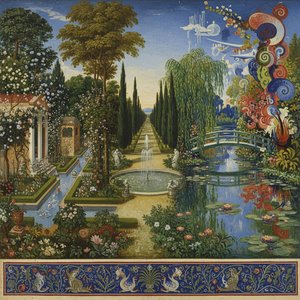
Cultivating Paradise: A Historical & Artistic Exploration of Gardens in Painting
Explore the rich history of gardens in painting! Discover masterpieces from Renaissance to Impressionism & beyond. Learn about symbolism, artists like Monet & Klimt, and find your perfect artwork at OriginalUniqueArt.
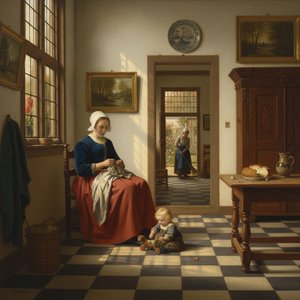
Pieter de Hooch: Illuminating Dutch Domestic Life & Golden Age Charm
Explore the captivating world of Pieter de Hooch, a master of Dutch Golden Age painting. Discover his innovative use of light, intimate domestic scenes, and lasting influence on art history. Learn more at OriginalUniqueArt.
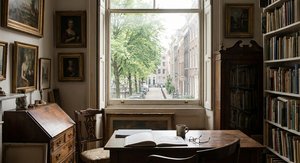
The Interior Gaze: Exploring Representations of Domestic Space in Art History
Explore the fascinating history of domestic interiors in art! From Dutch Masters to Impressionism, discover how artists captured home life & social meaning. Expert analysis and insights at OriginalUniqueArt.

Francisco Goya Šedevrai: 25 Išskirtiniai Darbai Jūsų Interjerui | OriginalUniqueArt
Atraskite 25 įspūdingiausius Francisco Goya šedevrus! Ispanų romantizmo meistro paveikslai, portretai ir juodoji tapyba. Įkvėpkite interjerui su aukštos kokybės Goya reprodukcijomis | OriginalUniqueArt.com


