 Skaityti daugiau


 Dėl meno kūrinių ar reprodukcijų, kurių bet kuri pusė yra didesnė nei 105 cm (apie 41 inch), rėmas bus siunčiamas kaip išskaidytas surinkimo rinkinys. Šis metodas užtikrina saugų pristatymą ir apsaugo nuo transportavimo metu galimos žalos.


Daugiau informacijos apie šį paveikslą
Teksto dydis

() ·
Jūsų paties, rankumių darbas
Rankų darbo aliejinės reprodukcijos
Rankiniu būdu tapytas aliejus ant droblio jūsų pageidaujamame dydį ir rėmuose – tai mūsų menininkų pagal užsakymą sukurtas darbas. ( Perjungti į spausdinamus版作品 Perejti prie skaitmeninių vaizdų)
Kolekcinio objekto aprašas
Explore Jean Lurçat’s ‘Baigneuses,’ a captivating 1925 oil painting showcasing expressive figures & evocative landscapes. A key work by this influential French artist.
Autoriaus biografija
Jean Lurçat (1892-1966) was a pivotal French artist who revitalized contemporary tapestry. Known for bold colors, abstract forms & themes of nature, travel, and social commentary. Explore his paintings, ceramics & influential designs.
nuo ·
1 skyrius
Kokio dydžio turėtų būti?
Slinkite, kad pakeistumėte dydį; kairėje pusėje esančiame paveikslėlyje rodomas tikrasis rėmo plotis. Originalios proporcijų išlaikomos.
Standartinis dydis
pagal užsakymą
CM
INCH
Pasirinkite iš mūsų nustatytų dydžių, atitinkančių originalaus meno kūrinio proporcijas.
Kraunami dydžiai...

plotis
aukštis
Įveskite jums reikiamą plotį ir aukštį, kad paveikslas atitiktų jūsų rėmą ar sieną. Kadangi šis darbas yra rankinio darbo, siekiant išgauti kitokios formos dydį, paveikslas gali būti šiek tiek didesnis (nuo kraštų bus palikta daugiau erdvės) arba mažesnis – pasirinkite jums patogiausią variantą. Prieš pradedant tapyti, atsiųsime jums skaitmeninį maketą patvirtinimui. Šioje puslapio nuotraukoje matomas vaizdas nėra galutinis rezultatas – jį parodys tik sukurtas maketas.
2 skyrius
Kokia būda yra siunčiamas?
Pasirinkite ištempto drobės kraštus
Pasirinkite rėmelį

Baltas apasutojimas €1

Išblėstantis šonas €1

Išplėstinis €1

P118B €10

P118H €10

P118W €10

P438Z €10

P508JH €12

P508YH €12

P805H €10

P805Z €10

P919BZ €10

P919G €10

P919XJ €10

P959ZH €10

P968JZ €12

W106C €8

W218G €10

W218JH €8

W218Y €10

W307PJ €10

W316G €10

W316PJ €8

W316Y €10

W398PJ €8

W4111J €10

W500HY €15

W500JH €15

W692G €12

W849H €8

W940BG €15

W953PJ €8

H24-GOLD €30

H24-SILVER €30

H36-GOLD €45

H36-SILVER €45
Įrėmintas
Rėmo apvadas: . Bendras dydis su rėmu: .
3 skyrius
Kas jį vaizduoja ir ar turėtų kažkas pasikeisti?
Pavyzdžiai, ką galima pakeisti: pakeisti veidą nuotrauka su klientu; pridėti augintinį (pvz., pakeisti kucingą šuniu); įtraukti paslaptingą žinutę fone; pakeisti fono kraštotvę ar elementus.
Gavus užsakymą, OriginalUniqueArt.com komanda susisieks su klientu el. paštu dėl nurodymų ir pateiks preliminarią maketą.
Gavus užsakymą, OriginalUniqueArt.com komanda susisieks su klientu el. paštu dėl nurodymų ir pateiks preliminarią maketą.
Pristatymas visame pasaulyje () per 3–4 savaites, o ne įprastai – per 5 savaites. (4 lapkritis). Kokybė lieka nepakeičiama.
4 skyrius
Paskutinės detalės
Pavadinimo plokštelė, kaip muziejuje?
Išgraviruotos bronzinės plokštelės detalės
This elegant plaque features the artist's name and the title of the artwork, finely engraved for a timeless presentation.
It is made from bronze with a refined, elegant finish. The text is precisely laser-engraved for a sharp and permanent result. Measuring 9x2 cm, the plaque is compact yet easy to read. It's built to be durable and scratch-resistant, offering a professional, museum-quality look. Mounting is simple thanks to the included adhesive backing.
Skaidrios akrilo plokštelės informacija
The plaque includes essential engraved details such as the artist's name, the title of the artwork, the date it was created, the type of media used-like oil on canvas or watercolor-a brief description of the piece, and a QR code that links to the complete artwork information.
It is crafted from clear acrylic, offering a sleek, modern appearance. The text is UV-engraved in black to ensure strong visual contrast. With a size of 10x15 cm, it ensures optimal readability. It comes equipped with two metal hooks for secure wall mounting. The plaque is designed to be weather-resistant, making it suitable for various environments, and it includes interactive features that work seamlessly with smartphone scanning.
Juodos akrilo plokštelės informacija
This elegant plaque includes engraved information such as the artist's name, the title of the artwork, the date it was created, the type of media used (like oil on canvas or watercolor), a short description of the artwork, and a QR code for quick access to more information.
The plaque itself is made from refined black acrylic with a premium finish. The text is laser-engraved in white for high contrast and readability. Its size is 10x15 cm, designed to be easy to read. It comes with two metal hooks for professional mounting. The design is sleek and fits any interior style. It is also weather-resistant and durable, with built-in digital integration for mobile compatibility.
Apsauginis lakas?
Kada jums reikia?
5 skyrius
Jūsų paveikslas, tiksliai taip, kaip užsakėte
Baigneuses
Reprodukcijos technika
Reprodukcijos matmenys
-
Aukščiausios klasės meistras
Daugiau detalių, meistriškumo ir papildomo gamybos laiko
-
Reprodukcijos rėmėjimo parinktys
-
-
Dėl meno kūrinių ar reprodukcijų, kurių bet kuri pusė yra didesnė nei 105 cm (apie 41 inch), rėmas bus siunčiamas kaip išskaidytas surinkimo rinkinys. Šis metodas užtikrina saugų pristatymą ir apsaugo nuo transportavimo metu galimos žalos.
Reikalingas profesionalus surinkimas – tai nėra „pasidaryk pats“ (DIY) produktas.
Rinkinys turi būti surinktas, o drobė išplėsta naudojant patyrį profesionalų rėmininką, medžio klijus (nėra įtraukti į rinkinį), drobės plėšimo kleslę bei presas, kad rėmo rėžiai išliktų tiesūs, kol klijai išdžiūvus. Netinkamas surinkimas arba netolydus drobės įtampa gali negrįžtamai sugadinti meno kūrinį, todėl šie atvejai nėra užtraukiami mūsų garantijos.
Į komplektą įeina visi vientisos medienos elementai, tiksliai išpjauti pagal dydį.
Surmontinama naudojant pridėtus varžtus bei papildomai reikalingą medžio kliją kampų jungtims, kuris nėra pridėtas ir turi būti parinktas rėmininkui.
Reikalingi profesionalūs įrankiai, kurie nėra įtraukti į rinkinį: drobės kėlimo plytelės (stiprintuvai) ir klemiai, laikantys rėmo strygius tiesiu kampu, kol džiūsta lipas.
Svarbu:
Kampų jungtims reikalingi medžio klijai, barams reikia laikyti naudojant presas, kol klijai visiškai išdžiūvės, o surinktam rėmui įtempiamai privilgti būtinos drobės įtempimo plytযুক্ত. Šios priemonės į rinkinį neįtrauktos. Prieš užsakydami šio dydžio rinkinį, rekomenduojame pasimalkoti patyrusiu rėmų meistru.
Pavadinimo lentelė
-
-
Apsauginis lakas
Blizgus lakas (ryškina spalvas, saugo nuo šviesos ir drėgmės)
-
Personalizuoti kūrinį
Ką galima pakeisti (pavyzdžiui): pakeisti veidą klientui skirta nuotrauka; pridėti augintinį (pvz., katę pakeisti šuniu); įtraukti paslėptą žinutę fone; pakeisti fono kraštovaizdį ar elementus.
-
Skubiai
Pristatymas visame pasaulyje () per 3–4 savaites, o ne įprastai – per 5 savaites. (4 lapkritis). Kokybė lieka nepakeičiama.
-
Skubus pristatymas
Pristatymas visame pasaulyje () per 5 weeks. (11 lapkritis).
Įskaičiuota
Bendroji kaina
€ 267
Stiklo variantas prieinamas tik pasirinkus dydį iki 110 cm
Pridedama prie kiekvieno užsakymo
- Nemokamas greitasis pristatymas visame pasaulyje
- Aukštos kokybės lininis drobė
- Pilnas siuntimo draudimas
- Muitinės mokesčių grąžinimo garantija
- Tikro spalvų atitikimo garantija
- 100 dienų grąžinimo politika (tik esant įtaigoms)
- 100% pinigų grąžinimo garantija
- Nuolaida dideliems užsakymams
 Peržiūrėti realaus dydžio版
 Pasidalinti
 Dalintis
 Išsamiau
 Vadovas

 Atsisiųsti
 Panašūs eksponatai
 Rentgeno spindulių nuotrauka
 Automatinė diorama
 问答
问答 Statistika
Skaičiais
- 1925metai, kai buvo nupiežta
- 29pasirinkimo rėmai
- standartinės dydžio, savo proporcijomis
- 5savaitės sugryžti ir pristatyti
Apie originalą

- 40.0 x 68.0 cm


Šis kūrinys yra saugomas autorinės teisės
Šiame puslapyje rodomas meno kūrinys yra saugomas autorių teisių įstatymais, todėl neturime teisės legaliai kurti ar parduoti jo identiškos reprodukcijos. Ši apsauga užtikrinama remiantis tokiais tarptautiniais susitarimais kaip Bernės konvencija ir pagal nacionalines įstatymų nuostatas, įskaitant tas, kurias nurodo JAV autoriškos teisės įstatymas – 17-asis skyrius.
Kaip pagarbią ir teisėtą alternatyvą, mes siūlome pagal užsakymą rankomis dažytus paveikslus, įkvėptus originalo. Mūsų įgudę ir profesionalūs menininkai kruopščiai tiria originalo stilių, nuotaiką ir meninę esmę, kad sukurtų naują, unikalią kūrinį, kuris sukelia tą paties jausmą – išlikdamas tuo tarciau originaliu, savarankišku kūrybiniu darbu.
Šis metodas visiškai atitinka autorių teises, nes jame nėra saugomo kūrinio kopijavimo ar dubliavimo. Tai yra kūrybinė reinterpretacija – naujas paveikslas, kurį įkvėpė originalas, tačiau kuris nėra jo identiškas.

Jean Lurçat
1892 - 1966, France
Trumpa informacija apie Jean Lurçat
- Artistic Movement Or Style: Contemporary tapestry revival
- Artists Who Influenced This Artist:
- Victor Prouvé
- Bernard Naudin
- Jean-Paul Lafitte
- Date Of Birth: 1892
- Date Of Death: 1966
- Full Name: Jean Lurçat
- Nationality: French
- Notable Artworks:
- Filles vertes
- Soirée dans grenade
- Place Of Birth: Bruyères, France
Autoriaus biografija
The Weaver of Modernity: The Life and Legacy of Jean Lurçat
In the grand tapestry of twentieth-century art, few figures loom as large or as textured as Jean Lurçat. Born in 1892 in the quiet town of Bruyères, France, Lurçat’s journey was one of profound transformation, moving from the rigorous study of medicine to the vibrant, tactile world of textile and pigment. His early years were shaped by a deep intellectual curiosity, leading him through the halls of the Faculté des Sciences de Nancy before he ultimately abandoned the stethoscope for the studio. This transition was not merely a change in profession but a spiritual migration toward the essence of form and color. Settling in Paris alongside his brother André, Lurç at found himself at the epicenter of a burgeoning modernism, rubbing shoulders with luminaries such as Matisse, Cézanne, and Renoir. These encounters infused his early work with a sense of structural boldness and a palette that would later define his revolutionary approach to medium.
The turbulence of the First World War left an indelible mark on Lurçat’s psyche and creative output. Having served in the infantry only to be sidelined by injury, his period of convalescence became a crucible for artistic experimentation. It was during these years of forced stillness that he began to explore the intimate relationship between line and surface, eventually leading to his first significant forays into tapestry with works like Filles Vertes and Soirée dans Grenade. His travels through Switzerland, Germany, and Italy provided a rich reservoir of classical and contemporary motifs, allowing him to weave together the ancient traditions of European craftsmanship with the avant-garde sensibilities of his era. By the time he established himself in Paris with Marthe Hennebert, Lurçat was no longer just a painter; he was an architect of thread.
A Revolution in Thread and Color
Jean Lurçat’s most enduring contribution to the art world was nothing less than the resurrection of contemporary tapestry. Before his intervention, tapestry was often viewed as a stagnant, decorative relic of the past—a medium relegated to mere imitation of painting. Lurçat shattered this perception by introducing a new aesthetic language that respected the inherent properties of the loom. He moved away from the fine, painterly details that required excessive shading and instead embraced bold, flat areas of color and strong, rhythmic outlines. This technique, often referred to as "the return to the large-scale," allowed the tapestry to breathe as an independent art form rather than a secondary reproduction.
His mastery lay in his ability to manipulate light and texture through a limited but potent palette. By focusing on the structural integrity of the weave, he created works that possessed a monumental presence. His themes were as varied as they were profound, ranging from:
- The Natural World: An obsession with flora and fauna that brought the organic rhythms of life to the loom.
- Social Commentary: Using the grand scale of tapestry to address the human condition and the complexities of modern society.
- Abstracted Form: A movement toward simplification that bridged the gap between figurative storytelling and modern abstraction.
Historical Significance and Lasting Impact
The significance of Jean Lurçat extends far beyond the borders of France or the confines of the textile industry. He was a pivotal figure in the Aubusson tapestry tradition, breathing new life into one of Europe's most historic artistic centers. Through his leadership and vision, he transformed a dying craft into a vibrant medium for modern expression, influencing generations of weavers and designers. His work served as a bridge between the classical heritage of the Renaissance and the experimental spirit of the mid-twentieth century.
Even as his career expanded into ceramics and diverse graphic arts, the core of his mission remained unchanged: to find the soul within the material. Today, when we look upon the bold, saturated landscapes and powerful silhouettes of a Lurçat original, we see more than just art; we see the triumph of a man who looked at a single thread and saw the potential for an entire universe. His legacy remains etched in the very fabric of modern art history, reminding us that true innovation often requires a profound respect for the traditions we seek to transform.
Susiję straipsniai
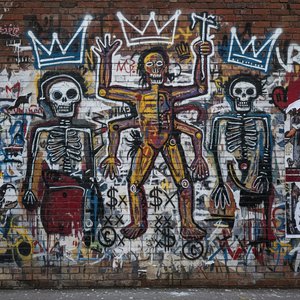
Jean-Michel Basquiat: Deconstructing Identity & Power Through Neo-Expressionist Graffiti
Explore the powerful work of Jean-Michel Basquiat & his impact on Neo-Expressionism. Discover how he deconstructed identity, challenged power structures, and left an enduring legacy in contemporary art. Expert analysis for collectors.
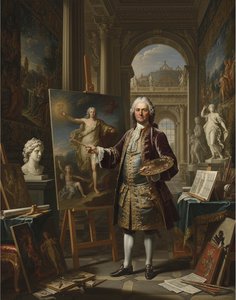
Charles Le Brun: Master of French Baroque Classicism & His Enduring Legacy
Explore the life & art of Charles Le Brun, master of French Baroque Classicism. Discover his royal commissions, influence on Versailles, and enduring legacy through detailed analysis & stunning artworks.
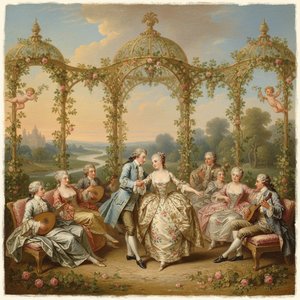
Jean-Baptiste Pater: Rococo Charm & Ephemeral Beauty of 18th-Century France
Explore the captivating world of Jean-Baptiste Pater, a master of Rococo painting. Discover his elegant *fête galante* scenes and shimmering portraits – a glimpse into 18th-century French aristocracy. Learn about his legacy & find high-quality reproductions.
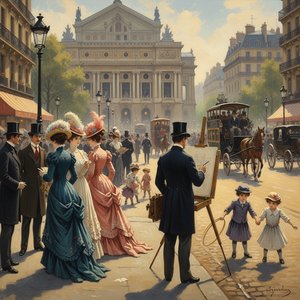
Jean-Georges Béraud: Capturing Parisian Life in the Belle Époque
Explore the captivating world of Jean-Georges Béraud, master painter of Belle Époque Paris. Discover his iconic scenes, artistic evolution, and social commentary. A deep dive into 19th-century French art.