

 Siųsti
 Dalintis
 Išsamiau
 Vadovas

 Atsisiųsti
 Panašūs eksponatai
 Diaporama
 Statistika
Writing Table
 Furniture Art
- Decor
- Neoclassicism
 1785
1785- Early Modern
 79.0 x 103.0 cm
 The Frick Collection
 Rodyti daugiau
Įsigykite aukštos skiriamosios raiškos, patobulintą skaitmeninį vaizdą, gerokai pranašesnį už internetinę peržiūrą.
Kiekvieną failą mūsų specialistai kruopščiai paruošia naudojant pažangias technologijas ir profesionalų rankinį retušavimą. Užtikriname, kad kiekvienas vaizdas pasižymėtų išskirtiniu aiškumu, tikslia spalvų atspalviu ir smulkiomis detalėmis.
Baigiamas failas el. paštu pristatomas per 72 valandas; jis optimizuotas nedelsiant naudojimui profesionalioje, redakcinėje ir spausdinimo aplinkoje. Tai ta pati kokybė, kuria pasitiki aukščiausios klasės dizaino studijos, leidyklos ir galerijos.
Skaitmeninis vaizdas
Atsisiųskite didelės raiškos failą asmeniniam naudojimui, spausdinimui ir kūrybiniams projektams. ( Perjungti į spausdinimą Pirkti rankomis tapytą reprodukciją)
Kiekvieną skaitinio vaizdo užsakymą papildė
Profesionalus skaitmeninis vaizdų pristatymas, garantuotas
Pasirinkę OriginalUniqueArt.com, jūs ne tik gaunate paveikslėlį – jūs gaunate profesionaliai patobudintą skaitmeninį kūrinį, sukurtą itin tikniai ir užtikrinantį pasitenkinimą. Štai viską, kas automatiškai pritékia jūsų užsakymui:

Greitas nuotraukų gavimas el. paštu
Jūsų aukštos raiškos skaitmeninis vaizdo failas bus išsiųstas el. paštu per 72 valandas nuo užsakymo – jis bus paruoštas naudoti be jokių papildomų veiksmų.

Skaitmeninis failas su dirbtiniu intelektu
Jūsų meno kūrinys profesionaliai optimizuojamas naudojant pažangius dirbtinio intelekto įrankius ir rankinį redagavimą, užtikrinant maksimalią detalę, aiškumą ir spalvų tikslumą.

Nemokamas visam laikui pakartotinis siuntimas
Atsitiktinai ištrytikote ar praradote savo failą? Nebijokite – bet kuriuo metu atsiųsime jį jums vėl nemokamai.

Jokio importo mokesčio – niekada
Mėgaukitės savo meno kūriniu akimirka – skaitiniai failai visada yra neapmokestinami, todėl nereikės mokėti muitinės, mokesčių ar pristatymo mokesčių.

Spalvų tikslumo garantija
Naudodami profesionalią įrangą ir spalvų valdymo sistemas, užtikriname, kad jūsų skaitmeninis vaizdas kuo tiksliau atspindėtų originalias spalvas.

100 dienų patikimumo garantija
Jei nebuvosite patenkinti įsigyto skaitmeninio vaizdo, mes jį tališkai koreguosime arba grąžinsime 100% sumą per 100 dienų – be jokių klausimų.

100% pinigų grąžinimo garantija
Nesitenkinate? Gaukite visą sumokėtą sumą per 100 dienų nuo skaitmeninio failo gavimo – be jokių papildomų klausimų.

Nuolaidos dideliems užsakymams
Pirkti 3 nuotraukas – 10% nuolaida – Pirkti 5 – 15% nuolaida – Pirkti 10 ir daugiau – 20% nuolaida. Puikiai tinka kūrybiniams projektams, galerijoms bei agentūroms.
An Intersection of Elegance and Utility
In the quiet, sun-drenched corners of an eighteenth-century chateau, there existed a world of intimate correspondence and whispered secrets. The Writing Table by the legendary German ébéniste Jean-Henri Riesener, dating to approximately 1785, serves as a breathtaking portal into this vanished era of aristocratic refinement. This is not merely a piece of furniture; it is a sculptural masterpiece that embodies the very essence of the Neoclassical movement. Crafted during the height of the Louis XVI style, the table possesses a commanding yet delicate presence, standing as a testament to an age where even the most functional objects were elevated to the status of high art.
The visual impact of the piece is immediate and profound. Set against a deep, nocturnal backdrop, the dark, reddish-brown hues of the polished wood—likely the prized mahogany favored by master cabinetmakers—glow with a warm, inner light. The composition is a masterclass in Neoclassical balance, where the rigid, geometric precision of the rectangular form meets the fluid, organic grace of gilded ornamentation. Every line serves a purpose, guiding the eye across the smooth surfaces to the intricate scrollwork and anthemia motifs that adorn the drawer fronts and feet. It is a dance between strength and fragility, between the structural permanence of the wood and the ethereal shimmer of the gold leaf.
The Mastery of the Ébéniste
To behold this writing table is to witness the unparalleled skill of Jean-Henri Riesener, the craftsman who famously held the title of ébéniste ordinaire du roi. The technique required to achieve such a finish is nothing short of miraculous. Through a meticulous combination of carving, gilding, and lacquering, Riesener transformed raw materials into a symphony of texture. The raised relief of the gilded bronze mounts—or ormolu—creates a tactile landscape that contrasts beautifully with the mirror-like smoothness of the tabletop. One can almost sense the artisan's hand in the way he disguised the structural elements, such as screwheads, beneath delicate foliage, ensuring that nothing interrupted the visual harmony of the design.
While many of his most famous works were commissioned by royalty, including Marie Antoinette, this particular table suggests a more intimate setting. Lacking the expansive drawers or the specialized écritoire compartments found in larger bureau plats, it was likely destined for a private lady’s boudoir or a gentleman's personal study. It speaks of a life lived with intention, where the act of writing a letter was a slow, deliberate ritual of grace. For the modern collector or interior designer, this piece offers more than just aesthetic beauty; it provides a sense of historical continuity and a touch of regal sophistication that can anchor a room with unparalleled prestige.
A Symbol of Timeless Sophistication
Beyond its physical attributes, the table carries a profound symbolic weight. It represents the pinnacle of French decorative arts, a period when craftsmanship was used to communicate status, intellect, and taste. The Neoclassical revival of Greek and Roman motifs—the scrolls, the symmetry, the disciplined geometry—reflects an Enlightenment-era desire for order, clarity, and classical virtue. To possess a reproduction of such a piece is to invite this spirit of structured elegance into a contemporary space.
For those seeking to curate an environment of luxury, the Writing Table serves as an exquisite focal point. Whether placed in a grand library or used as a statement piece in a modern dressing room, its presence evokes an emotional response of awe and tranquility. It is a reminder that true luxury lies in the details—in the way light catches a gilded edge or how a polished surface reflects the world around it. This work remains an enduring icon of design, offering timeless inspiration for anyone who appreciates the intersection of historical narrative and exquisite artistry.
问答 (or more naturally for a website heading): Klausimai ir atsakymai
Kuris menininkas ir koks stilius slypi už „Writing Table“?
„Writing Table“ kūrybinį darbu pasižymi Žanas Henri Rizeris, taikantis Neoclassicism stilių. Autorius ir stilius nurodo šio kūrinio tradiciją.
Kaip buvo sukurta „Writing Table“ ir kokio yra dydžio?
Originalus kūrinys „Writing Table“, autorius – Žanas Henri Rizeris – tai Furniture Art darbas, kurio matmenys yra 79 x 103 cm. Technika ir dydis aprašo originalų objektą.
Kas sukūrė „Writing Table“ ir kokia metais?
Žanas Henri Rizeris sukūrė „Writing Table“ 1785 m.
Autoriaus biografija
The Master of the Louis XVI Style
In the gilded era of late eighteenth-century France, few names commanded as much prestige within the royal workshops as Jean Henri Riesener. An eminent German ébéniste, or cabinetmaker, Riesener brought a level of meticulous artistry to Paris that would eventually define the early Neoclassical aesthetic known as the Louis XVI style. His journey from the Electorate of Cologne to the heart of the French court is a narrative of unparalleled skill and social ascent. After moving to Paris and apprenticing under the celebrated Jean-François Oeben, Riesener did more than just learn a trade; he inherited a legacy of excellence. His connection to his master was so profound that he eventually married Oeben's widow, further cementing his place within the lineage of France's most elite craftsmen.
Riesener’s career reached its zenith when he was formally named ébéniste ordinaire du roi. This title was not merely ceremonial; it signaled his role as a primary provider of luxury furniture for the French Crown. During the decade between 1774 and 1784, the scale of his commissions was staggering, reflecting a period where the French court engaged in furnishing projects of unprecedented opulence. He became a favorite of Queen Marie Antoinette, working alongside other masters like David Roentgen to create pieces that served as both functional furniture and profound statements of status and refined taste.
A Symphony of Marquetry and Form
The work of Riesener is characterized by a breathtaking intersection of utility and decorative splendor. He was a master of marquetry, the delicate art of inlaying different colored woods to create intricate patterns and pictorial scenes. His ability to manipulate materials allowed him to transform hard woods like walnut into fluid, organic compositions. Whether crafting a writing table or a complex chest of drawers, Riesener utilized a sophisticated palette of geometric designs and floral motifs that embodied the transition from the flowing curves of the Rococo to the more structured, disciplined lines of Neoclassicism.
Beyond the surface decoration, his technical mastery extended to the structural integrity and multi-functional design of his pieces. His creations often featured:
- Intricate Inlays: The use of contrasting shades of wood to create depth and visual movement.
- Gilt Bronze Accents: The integration of fine metalwork to complement the warmth of the wood.
- Hidden Complexity: The inclusion of concealed drawers and specialized compartments, such as those found in his sewing tables, designed for the private needs of the aristocracy.
To encounter a Riesener piece is to witness a sculptural masterpiece. His work, such as the exquisite trough-shaped sewing table or his magnificent roll-top desks, transcends mere furniture making. Each piece serves as a portal into a vanished era of aristocratic refinement, where every edge and inlay was designed to evoke the intellectualism and elegance of the Enlightenment.
Legacy of an Ébéniste
The historical significance of Jean Henri Riesener lies in his ability to capture the very spirit of an age. His furniture did not merely occupy space; it defined the atmosphere of the most important salons and private sanctuaries in France, from Saint-Cloud to Versailles. Through his dedication to the highest standards of craftsmanship, he helped establish a standard of excellence that would influence decorative arts for generations. Even as the political landscape of France underwent violent transformations, the enduring beauty of Riesener's work remained a testament to the heights of French decorative achievement, ensuring his place in history as one of the greatest cabinetmakers to ever grace the Parisian workshops.
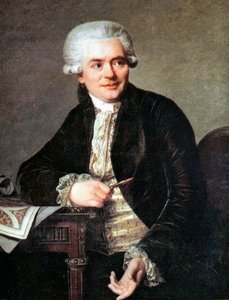
Žanas Henri Rizeris
1767 - 1828 , Vokietija