
 Peržiūrėti realaus dydžio版
 Pasidalinti
 Dalintis
 Išsamiau
 Vadovas

 Atsisiųsti
 Panašūs eksponatai
 Rentgeno spindulių nuotrauka
 Automatinė diorama
 问答
问答 Statistika
Epiphany (Le gâteau des rois)

- 71.0 x 95.0 cm


 Skaityti daugiau
Giclée / Meno spausdinimas
Muziejų lygio „giclée“ arba drobos spausdinimas: greita gamyba ir lankstios apdailos parinktys. ( Pirkti rankų darbo tapybą Perejti prie skaitmeninių vaizdų)




P118B €10

P118H €10

P118W €10

P438Z €10

P508JH €12

P508YH €12

P805H €10

P805Z €10

P919BZ €10

P919G €10

P919XJ €10

P959ZH €10

P968JZ €12

W106C €8

W218G €10

W218JH €8

W218Y €10

W307PJ €10

W316G €10

W316PJ €8

W316Y €10

W398PJ €8

W4111J €10

W500HY €15

W500JH €15

W692G €12

W849H €8

W940BG €15

W953PJ €8




Pasirinkite iš mūsų nustatytų dydžių, atitinkančių originalaus meno kūrinio proporcijas.

Įveskite jums reikiamą plotį ir aukštį, kad atvaizdas derėtų prie jūsų rėmo ar sienos. Spausdiną galima tik sumažinti, bet nepadidinti virš originalaus paveikslėlio dydžio, todėl keičiant proporcijas, dalis vaizdo prarandama. Prieš spausdinimą atsiųsime jums skaitmeninį maketą patvirtinimui. Šioje puslapio nuotraukoje matomas pjūvis nėra tikslus – jį rodo tik maketas.
Pristatymas visame pasaulyje () per 2 weeks, o ne įprastas 4/5 savaičių laikotarpis. (7 lapkritis)

Nemokamas greitasis pristatymas visame pasaulyje

Aukštos kokybės lininis drobė

Pilnas siuntimo draudimas

Muitinės mokesčių grąžinimo garantija

Tikro spalvų atitikimo garantija

100 dienų grąžinimo politika (tik esant įtaigoms)

100% pinigų grąžinimo garantija

Nuolaida dideliems užsakymams
 Stiklo variantas prieinamas tik pasirinkus dydį iki 110 cm

Epiphany (Le gâteau des rois)
Giclée / Meno spausdinimas
Reprodukcijos matmenys
-


Bendroji kaina
€ 72
A Celebration of Simplicity: The Heart of Greuze’s Epiphany
In the soft, flickering light of an eighteenth-century domestic scene, Jean-Baptiste Greuze captures a moment of pure, unadulterated joy in his masterpiece, Epiphany (Le gâteau des rois). Created around 1774, this painting serves as a window into the soul of a bygone era, inviting the viewer to witness the intimate ritual of a peasant family celebrating the Feast of the Epiphany. The scene centers on the tradition of the "king's cake," where a hidden bean determines a day's royalty, and through this simple game, Greuze weaves a narrative of communal warmth and familial piety. There is an undeniable magic in how he portrays the anticipation etched on the faces of the children and the gentle, watchful presence of the adults, creating a tableau that feels less like a staged painting and more like a stolen glance into a private, sacred moment of happiness.
The composition is a masterclass in the Rococo style’s ability to blend charm with profound moral sentiment. While the brushwork possesses the delicate fluidity characteristic of the period, Greuze directs our eyes through a carefully orchestrated arrangement of figures and objects. The table, laden with the remnants of a shared meal, acts as the stage for this domestic drama. A wine glass catches the light near the center, while various cups and bowls are scattered with a naturalistic grace that suggests the lived-in reality of the household. This careful placement of everyday items—the textures of ceramic, the transparency of glass—adds a layer of tactile realism that grounds the sentimental subject matter in a tangible, believable world.
The Art of Sentiment and Moral Virtue
To understand Epiphany, one must understand the cultural currents of late 18th-century France. During this time, thinkers like Jean-Jacques Rousseau were championing a return to nature and the virtues of an uncorrupted, simple life. Greuze became the preeminent visual poet of this movement. Unlike the grand, often distant historical paintings favored by the Academy, Greuze turned his gaze toward the "heroism of everyday activities." In this work, he elevates the humble traditions of the peasantry to a level of high moral significance. The painting is not merely a depiction of a holiday; it is an embodiment of Enlightenment ideals, celebrating the strength found in family bonds and the beauty of a life lived with integrity and modest pleasure.
The emotional impact of the piece lies in its ability to evoke nostalgia and a sense of peace. For the modern collector or interior designer, this painting offers more than just aesthetic beauty; it provides an emotional anchor for a room. The palette, though often viewed through the lens of historical monochrome or muted tones in certain reproductions, carries an inherent warmth that can transform a living space into a sanctuary of calm. It speaks to a timeless desire for connection and the celebration of life's small, meaningful milestones.
A Timeless Addition to the Sophisticated Interior
For those seeking to curate a collection that resonates with depth and narrative, a high-quality reproduction of Epiphany is an incomparable choice. Its ability to harmonize with both classical and contemporary decor makes it a versatile masterpiece. In a traditional setting, it complements rich woods and ornate textures, adding a layer of historical gravity. In a more modern, minimalist environment, the painting acts as a profound focal point, its storytelling power providing a necessary contrast to clean lines and neutral tones.
Investing in such a piece is an investment in the art of storytelling itself. It allows the owner to surround themselves with the enduring values of empathy, family, and the quiet splendor of the human experience. Whether placed in a sunlit dining room to echo the communal spirit of the subject or in a quiet study to inspire reflection, Greuze’s Epiphany remains a luminous testament to the beauty found in the simplest of joys.
Klausimai ir atsakymai
Kas yra „Epiphany (Le gâteau des rois)“ autorius ir kokia kūrinio data?
Žanas Batistas Grezas sukūrė „Epiphany (Le gâteau des rois)“, nufiksavęs/usi nufiksavęs/usi 1774 m.
Kas yra „Epiphany (Le gâteau des rois)“ kūrybos autorius?
Kūrinį „Epiphany (Le gâteau des rois)“ sukūrė Žanas Batistas Grezas. Darbas katalogizuojamas Žanas Batistas Grezas vardu.
Ar „Epiphany (Le gâteau des rois)“ – Žanas Batistas Grezas vaizdą galima laisvai reprodukcijaoti?
Kalbant apie autorišką teisę, „Epiphany (Le gâteau des rois)“ yra yra viešosios erdvės dalis – jo autorinė teisė pasibaigusi.
Autoriaus biografija
Gyvenimo ir talento auštantys metai: Žano Batisto Greuzo pasaulis
Gimus 1725 metais ramiame Burgundijos miestelyje Turnuse, Žanas Batistas Greuzas (Jean-Baptiste Greuze) tapo vienu svarbiausių XVIII amžiaus Prancūzijos meno atstovų. Jo istorija – tai nuostabus pakilimo atvejis, skatinamas įgimto talento užfiksuoti žmogaus emocijas ir aštraus supratimo apie augantį to meto sentimentalumo skonį. Iš pradžių tėvas, stogdengys, neskatino jo meno siekių, tačiau jauną Greuzą netrukus palaikė Liono menininkas Grandonas, kuris pastebėjo kibirkštį, reikalaujančią ugdymo. Ši mentorystė buvo labai svarbi, vedusi į studijas pirmiausia Lyone, o vėliau – į prestižinę Karališkąją akademiją Paryžiuje pas Šarlį Žozefą Natoire’ą. Būtent šioje garbingoje salėje Greuzas ėmė tobulinti savo įgūdžius, nors dažnai pasirinko savo kelią, nukrypdamas nuo vyraujančio akademinio istorinių ir mitologinių temų pabrėžimo.Žanrinio tapytojo iškilimas
Greuzo proveržis įvyko 1755 metais su Le Père de famille expliquant la Bible à ses enfants (Tėvas aiškina Bibliją savo vaikams). Šis kūrinys nebuvo tik buitinės scenos vaizdavimas; tai buvo apšvietimo idealų įkūnijimas, perteikiantis šeimos pamaldumą ir moralinius principus. Paveikslas giliai rezonavo su to meto publika, užfiksuodamas stiprėjančią buržuazijos dorybės dvasią. Įsigytas ištingomo kolekcininko Ange-Laurent de La Live de Jully, jis pakėlė Greuzą į šlovę. Sekė dar daugiau žanrinių scenų – intymūs kasdienio gyvenimo vaizdai, praturtinti emociniu gylumu ir moraliniais niuansais. Kelionė į Italiją 1755 metais su abatu Gougenot plėtė jo artistinius horizontus, tačiau galutinai jis rado daugiau įkvėpimo Prancūzijos visuomenės realybėje nei klasikinėje senovėje. Jo gebėjimas iššaukti nuoširdžius jausmus – džiaugsmą, liūdnumą, sąžinės graužatį – atskyrė jį nuo daugelio jo bendraamžių ir įtvirtino kaip svarbiausią besiformuojančio rokoko stiliaus figūrą, nors ir su ryškiu moraliniu poslinkiu.Emocijų meistriškumas ir moralinis pasakojimas
Greuzo artistinė stiprybė slypėjo jo gebėjime papasakoti istorijas per tapybą. Kūriniai, tokie kaip La Jeune Fille qui pleure son oiseau mort (Jauna mergaitė raudodama dėl savo mirusio paukščio) ir Savoyard with a Dancing Doll, nėra tik vaikų portretai; tai vaikystės trapumo, nekaltumo ir sudėtingos žmogaus patirties tyrinėjimai. Jis turėjo nepaprastą talentą užfiksuoti subtilius išraiškos niuansus, perteikdamas vidinę sumaištį su nuostabiu jautrumu. Jo kompozicijos dažnai buvo kruopščiai surežisuotos, naudojant dramatišką apšvietimą ir ekspresyvius gestus, kad sustiprėtų emocinis poveikis. Denis Diderot, pagrindinis Apšvietimo intelektualas, tapo aistringu Greuzo kūrybos šalininku, girdamas jo gebėjimą perteikti „moralę paveiksle“. Tačiau ši sėkmė sukūrė dilemą menininkui. Jis troško būti pripažintas kaip istorijos tapytojas – prestižiškiausia kategorija Akademijoje – ir bandė pereiti prie šio žanro su Septimius Severus Reproaching Caracalla. Šis ambicingas darbas sulaukė griežtos kritikos, o Greuzą Akademija galutinai priėmė tik kaip žanrinį tapytoją, sprendimas, kuris giliai įžeidė jo pasididžiavimą.Vėlesni metai ir ilgalaikis palikimas
Atsisakymas pripažinti istorijos tapytoju buvo lūžio taškas Greuzo karjeroje. Daug metų jis nustojo eksponuoti Salone, tampdamas vis labiau atsiskyręs ir kartus. Jo vėlesni darbai dažnai tyrinėjo pagundos temas ir moralinį nusidengimą, kartais ribojantis su atvirai seksualiu turiniu. Šie paveikslai, nors ir techniškai puikūs, neturėjo ankstesnių šedevrų emocinio rezonanso ir moralinio aiškumo. Finansinės sunkumės kamavo jo paskutinius metus – ryškus kontrastas su anksčiau patirta šlove. 1805 metais jis mirė skurde pačiame Louvro muziejuje. Nepaisant šio nuosmukio, Žano Batisto Greuzo įtaka Prancūzijos menui išlieka reikšminga. Jis pradėjo naują žanrinės tapybos formą, kuri koncentravosi į šiuolaikinį gyvenimą ir tyrinėjo universalias žmogaus emocijas. Jo darbai pakluso kelią vėlesniems menininkams, kurie siekė perteikti kasdienio egzistavimo realybę su sąžiningumu ir jautrumu. Jis paliko po save kūrinių rinkinį, kuris ir toliau žavi žiūrovus savo emocine galia, techniniu meistriškumu ir nesenstančia aktualumu.Pagrindiniai darbai ir jų reikšmė
- Le Père de famille expliquant la Bible à ses enfants (1755): Jo ankstyvosios sėkmės kertinis akmuo, įkūnijantis Apšvietimo idealus apie šeimos pamaldumą.
- La Jeune Fille qui pleure son oiseau mort (apie 1765): Demonstruoja Greuzo meistriškumą perteikiant emocijas ir jaudinantį pasakojimą.
- Savoyard with a Dancing Doll (apie 1763): Užfiksuoja vaikystės dvasią ir pažeidžiamumą, demonstruodamas jo įgūdžius portretų srityje.
- Septimius Severus Reproaching Caracalla (1769): Nesėkmingas bandymas istorijos tapyboje, kuris pabrėžė jo stipriąsias puses kitur.
- The Broken Pitcher (apie 1770-uosius): Atspindi poslinkį į daugiau sensualias ir moraliai dviprasmiškas temas jo vėlesniame darbe.

Žanas Batistas Grezas
1725 - 1805 , Prancūzija
Trumpa informacija
- Gimimo Data: 1725
- Gimimo Vieta: Tournus, Prancūzija
- Meninis Stilius: Rokokas, Žanras
- Mirties Data: 1805
- Pilietybė: Prancūzas
- Pilnas Vardas: Jean-Baptiste Greuze
- Įtakoję Menininkai: ['Olandų žanro meistrai']
- Žymiausi Darbai:
- Le Père de famille...
- A Girl with a Dead Canary
- Savoyard with a doll
Susiję straipsniai

Masterpieces of the Soil: The Top 25 Jean-François Millet Artworks
Immerse yourself in the soul of French Realism with our curated list of the top 25 Jean-François Millet artworks. From iconic peasant scenes to Barbizon landscapes, explore the stories behind these timeless masterpieces and find museum-quality reproductions on OriginalUniqueArt.com.

Masterpieces of the Soil: The Top 25 Essential Artworks by Jean-François Millet
Immerse yourself in the soul of French Realism with our curated guide to Jean-François Millet's top 25 masterpieces. From rustic landscapes to iconic peasant scenes, explore the stories behind these timeless works and find museum-quality reproductions. Discover all masterpieces on OriginalUniqueArt.com

25 Masterpieces by Jean-François Millet: The Soul of Rural Realism
Immerse yourself in the soul of French Realism with our curated guide to Jean-François Millet's top 25 masterpieces. From iconic landscapes to poignant rural scenes, explore the stories behind these timeless works and find museum-quality reproductions on OriginalUniqueArt.com.

Masterpieces of the Soil: The Top 25 Artworks by Jean-François Millet
Immerse yourself in the soul of French Realism with our curated guide to the top 25 Jean-François Millet artworks. Explore the profound beauty of Barbizon school masterpieces and find museum-quality art reproductions for your home. Discover all masterpieces on OriginalUniqueArt.com.
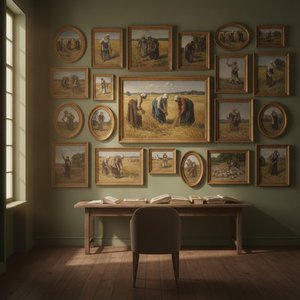
25 Masterpieces by Jean-François Millet: The Soul of Rural Realism
Immerse yourself in the soul of French Realism with our curated guide to Jean-François Millet's top 25 masterpieces. Explore the profound beauty of rural life through timeless oil paintings and museum-quality reproductions. Discover all masterpieces on OriginalUniqueArt.com.