
 Pasidalinti
 Dalintis
 Išsamiau
 Vadovas

 Atsisiųsti
 Panašūs eksponatai
 Automatinė diorama
 问答
问答 Statistika
Kul-e Farah relief I


 Skaityti daugiau
Šiame puslapyje rodomas meno kūrinys yra saugomas autorių teisių įstatymais, todėl neturime teisės legaliai kurti ar parduoti jo identiškos reprodukcijos. Ši apsauga užtikrinama remiantis tokiais tarptautiniais susitarimais kaip Bernės konvencija ir pagal nacionalines įstatymų nuostatas, įskaitant tas, kurias nurodo JAV autoriškos teisės įstatymas – 17-asis skyrius.
Šis metodas visiškai atitinka autorių teises, nes jame nėra saugomo kūrinio kopijavimo ar dubliavimo. Tai yra kūrybinė reinterpretacija – naujas paveikslas, kurį įkvėpė originalas, tačiau kuris nėra jo identiškas.
Giclée / Meno spausdinimas
Muziejų lygio „giclée“ arba drobos spausdinimas: greita gamyba ir lankstios apdailos parinktys. ( Pirkti rankų darbo tapybą Perejti prie skaitmeninių vaizdų)




































Pasirinkite iš mūsų nustatytų dydžių, atitinkančių originalaus meno kūrinio proporcijas.

Įveskite jums reikiamą plotį ir aukštį, kad atvaizdas derėtų prie jūsų rėmo ar sienos. Spausdiną galima tik sumažinti, bet nepadidinti virš originalaus paveikslėlio dydžio, todėl keičiant proporcijas, dalis vaizdo prarandama. Prieš spausdinimą atsiųsime jums skaitmeninį maketą patvirtinimui. Šioje puslapio nuotraukoje matomas pjūvis nėra tikslus – jį rodo tik maketas.
Pristatymas visame pasaulyje () per 2 weeks, o ne įprastas 4/5 savaičių laikotarpis. (10 lapkritis)

Nemokamas greitasis pristatymas visame pasaulyje

Aukštos kokybės lininis drobė

Pilnas siuntimo draudimas

Muitinės mokesčių grąžinimo garantija

Tikro spalvų atitikimo garantija

100 dienų grąžinimo politika (tik esant įtaigoms)

100% pinigų grąžinimo garantija

Nuolaida dideliems užsakymams
 Stiklo variantas prieinamas tik pasirinkus dydį iki 110 cm

Kul-e Farah relief I
Giclée / Meno spausdinimas
Reprodukcijos matmenys
-


Bendroji kaina
€ 73
A Silent Witness to Elamite Grandeur
Perched high above the landscape, carved into a vertical niche some five and a half meters from the ground, the Kul-e Farah relief I stands as a profound testament to the enduring spirit of the Elamite highland tradition. This ancient masterpiece is not merely a carving on stone; it is a monumental dialogue between man and nature, frozen in time since approximately 500 BC. The relief serves as a vital historical link, embodying the sophisticated artistic language of an era that flourished in the ancient Near East. To gaze upon this work is to witness the intersection of political authority and artistic devotion, where every line etched into the rock face speaks of a civilization deeply rooted in its rugged, mountainous terrain.
The composition of the relief is both intricate and commanding, showcasing a scene of figures positioned with a deliberate sense of hierarchy and presence. The artistry lies in the way the carver utilized the natural contours of the rock to breathe life into the subjects, creating a sense of depth that invites the viewer to contemplate the lives of those depicted. Within the vertical niche, the relief integrates multiple elements of elite representation, drawing from much older traditions of valley carvings to assert the prestige of its creators. For the discerning collector or lover of antiquity, this piece offers a window into a world where art was used to solidify the identity of rulers and the sanctity of their lands.
The Language of Power and Inscription
Beyond its visual majesty, the Kul-e Farah relief I is a literary treasure, housing a complex narrative written in stone. The surface is adorned with twenty-four horizontal registers of an inscription that remains one of the most significant, yet enigmatic, archaeological finds of the region. This text provides a rare glimpse into the political landscape of the time, identifying the local ruler Hanni, son of Tahhi, who served as the "caretaker, protector, and ruler" of Ayapir. His role as a vassal to the Elamite king Shutur-Nahhunte highlights the intricate web of loyalty and governance that defined the period between 625 and 585 BC. The presence of nine additional epigraphs, delicately inscribed over the skirts of the carved figures, adds a layer of rhythmic detail that enhances the relief's textural complexity.
For interior designers and curators of historical reproductions, this artwork offers an unparalleled opportunity to introduce a sense of profound history and intellectual depth into a space. The interplay between the rugged texture of the stone and the precise, delicate epigraphs creates a visual tension that is both intellectually stimulating and aesthetically grounding. A high-quality reproduction of this relief does more than decorate a wall; it anchors a room with the weight of millennia, providing a conversation piece that bridges the gap between modern luxury and ancient heritage.
An Eternal Legacy in Stone
The emotional impact of the Kul-e Farah relief I stems from its sheer resilience. Despite the passage of over two thousand years, the figures and their stories remain remarkably well-preserved, offering a hauntingly beautiful connection to the Elamite civilization. The way the light plays across the carved surfaces—mimicking the natural sunlight that has illuminated this niche for centuries—creates an ever-changing aesthetic experience. It is a work that celebrates the concept of permanence in an impermanent world.
Owning or displaying a tribute to this relief allows one to participate in the preservation of human memory. Whether integrated into a contemporary gallery setting or used as a focal point in a sophisticated study, the piece evokes a sense of awe and reverence. It invites the observer to look upward, much like the original viewers did, and to find inspiration in the enduring strength of the Elamite spirit and the masterful hands that carved it into the very bones of the earth.
Klausimai ir atsakymai
Kokia „Kul-e Farah relief I“ – Javier Álvarez Mon nuotaika yra apibūdinama?
„Kul-e Farah relief I“ – Javier Álvarez Mon nuotaika apibūdinama kaip Earthy. Ši klasifikacija gali padėti priderinti kūrinį prie aplinkos.
Kokią emociją sukelia „Kul-e Farah relief I“?
„Kul-e Farah relief I“ siejama su Mysterious jausmu. Emocinis tonas aprašo įspūdį, kurį sukelia kūrinys.
Kaip galiu įsigyti „Kul-e Farah relief I“ – Javier Álvarez Mon spausdinį?
Šio kūrinio „Kul-e Farah relief I“ – Javier Álvarez Mon spausdinį galite užsakyti tiesiogiai jo Kūrinio spausdinimas aukščiausia kokybe puslapio: aukščiausios kokybės spausdinys ant medžio siuvinėjamų audinių arba archyvinio kanvas tipo popieriaus.
Autoriaus biografija
Javieras Álvares Monas yra ispaniškas archeologas ir istorikas, specializavęs senojo Artųjų Vakarų Praskos kultūra. 1969 metais Madride gimęs mokslininkas 2001 metais gavo archeologijos daktaro laipsnį Madrybo Komplotensio universitete. Šiuo metu jis dirba kaip tyrinėjamis Nacionalinio tyrimų tarybos (CSIC) mokslininkas ir Barcelonos universiteto elamiečių studijų grupės direktorius.
Moksliniai siekiai ir karjera
Javieras Álvares Monas savo mokslinius siekius orientavo į archeologiją ir istoriją, skrupatingai tyrinėjant senojo Artųjų Vakarų Praskos pasaulį. Jo tyrimų širdis – elamiečių kultūra, apie kurią jis parašė daugybę vertingų straipsni laipsnių ir knygų, tokias kaip „Elam pasaulis“ (2018 m.) ir „Elamas: istorija, menas ir archeologija“ (2021 m.).Tyrimai ir publikacijos
Mokslo pasaulyje J. Álvares Mono tyrimai apie elamiečių kultūrą užima ypatingą vietą dėl savo gylio ir detalaus apimimo. Jo išskirtinės publikacijos apima tokius darbus kaip:- „Elam pasaulis“ (2018 m.)
- „Elamas: istorija, menas ir archeologija“ (2021 m.)
- „Elamiečių kultūra“ (2015 m.)
Bendradarbiavimas ir projektai
Savo tyrimų kelyje J. Álvares Monas aktyviai dalyvauja tarptautiniuose projektuose, bendradarbiaudamas su pasaulio lygio specialistais. Jo indėlis į archeologijos pažangą matomas per tokius svarbius veiksmus kaip:- Elamiečių projektas: tyrimų programa apie elamiečių kultūrą, kurią finansuoja Nacionalinė tyrimų taryba (CSIC).
- Irauno sukasinėja projektas: archeologinių posukų tyrimai Irane, finansuojami Barcelonos universiteto.
- Elamiečių kultūros studijų projektas: išsamus tyrimas apie šios kultūros bruožus, remiamas Barcelonos universiteto.
Mokslo reikšmė
Javierio Álvares Mono darbas yra neįtikėtinai svarbus suprantant elamiečių kultūros prigimtį ir jos vaidmenį senojojo Artųjų Vakarų Praskos istorijoje. Jo tyrimai padėjo atversti naujus sluoksnius šio regiono praeityje, o jo publikacijas galima rasti https://OriginalUniqueArt.com svetainėje, kur taip pat pateikiama daugiau informacijos apie jo mokslinius pasiekimus. Taip pat vertingų duomenų apie kitus menininkus ir kūrėjus galima rasti San Fernando karališkosios gražiųjų menų akademijos muziejuje bei „Chasse et de la Nature“ muziejuje.
Javier Álvarez Mon
1969 - , Ispanija
Susiję straipsniai

Mastering the Woodcut: A Definitive Guide to the Art of Relief Printing and its Historical Legacy
Explore the profound history and technical mastery of woodcut relief printing. From ancient origins to German Expressionism, discover how artists use the subtractive process to create iconic works. A definitive guide for art students, collectors, and historians.
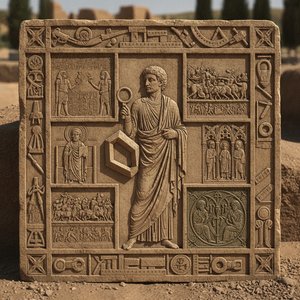
Mastering Dimension: An Art Historian's Guide to the Elegance of Sculptural Relief Art
Explore the profound beauty of sculptural relief art. From classical bas-relief to modern geometric textures, discover how depth and light transform spaces through an expert guide on art history and sophisticated curation for discerning collectors.

Sculpting with Soul: The Ultimate Guide to Mastering Bas-Relief and Plaster Artistry
Master the intricate art of plaster bas-relief with our expert guide for art students. Learn professional techniques in material selection, texture carving, and pigment integration to create soulful, dimensionally rich sculptural masterpieces.
Sculpting with Soul: An Expert Guide to the Tactile Elegance of Plaster Relief Art
Discover the captivating world of plaster relief art. Our expert guide explores the history, techniques, and curation of textured bas-relief, helping collectors bring depth, light, and soulful dimension to their modern interiors through sophisticated sculptural masterpieces.
Stone & Canvas: 10 Masterpieces of Timeless Art |
Explore 10 iconic paintings dominated by 'stone' tones – from Caravaggio’s drama to Rembrandt’s depth. Discover art history, techniques & find museum-quality reproductions for your home at .