

 Peržiūrėti realaus dydžio版
 Siųsti
 Dalintis
 Išsamiau
 Vadovas

 Atsisiųsti
 Panašūs eksponatai
 Rentgeno spindulių nuotrauka
 Diaporama
 Statistika
Allegory of Vanity


 Rodyti daugiau
Giclée / Meno spausdinimas
Muziejų lygio „giclée“ arba drobos spausdinimas: greita gamyba ir lankstios apdailos parinktys. ( Pirkti rankomis tapytą reprodukciją Perejti prie skaitmeninių vaizdų)




P118B $10

P118H $10

P118W $10

P438Z $10

P508JH $12

P508YH $12

P805H $10

P805Z $10

P919BZ $10

P919G $10

P919XJ $10

P959ZH $10

P968JZ $12

W106C $8

W218G $10

W218JH $8

W218Y $10

W307PJ $10

W316G $10

W316PJ $8

W316Y $10

W398PJ $8

W4111J $10

W500HY $15

W500JH $15

W692G $12

W849H $8

W940BG $15

W953PJ $8




Pasirinkite iš mūsų nustatytų dydžių, atitinkančių originalaus meno kūrinio proporcijas.

Galite nurodyti savo matmenis, kad vaizdas atitiktų konkretų rėmą ar erdvę. Jei pasirinktas dydis nesutaps su originalaus paveikslėlio proporcijomis, mes arba apkirpsime kūrinį, arba išplėsime vaizdą naudojant veideliu atspindėtą arba vientisą šoną. Skaitmeninis maketas bus išsiųstas jums patvirtinti prieš pradedant gamybą.
Atkreipkite dėmesį, kad ekrane matomas vaizdinys neatspindi tikrojo apkirpimo ar išplėtimo. Tik maketas tiksliai parodytų galutinę kompoziciją.
Nors galima rinktis ir individualius dydžius, rekomenduojame pasirinkti vieną iš išanksti nustatytų matmenų, kad būtų išlaikytos originalios proporcijos.
Pristatymas visame pasaulyje () per 2 weeks, o ne įprastas 4/5 savaičių laikotarpis. (26 rugsėjis)

Nemokamas greitasis pristatymas visame pasaulyje

Aukštos kokybės lininis drobė

Pilnas siuntimo draudimas

Muitinės mokesčių grąžinimo garantija

Tikro spalvų atitikimo garantija

100 dienų grąžinimo politika (tik esant įtaigoms)

100% pinigų grąžinimo garantija

Nuolaida dideliems užsakymams
 Stiklo variantas prieinamas tik pasirinkus dydį iki 110 cm

Allegory of Vanity
Giclée / Meno spausdinimas
Reprodukcijos dydis
-


Visų pasirinktų variantų kaina
$ 80
A Glimpse into the Golden Age: The Allure of Allegory of Vanity
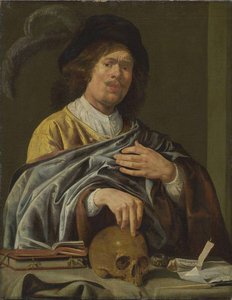
In the heart of the Dutch Golden Age, an era defined by unprecedented prosperity and profound introspection, Jan Miense Molenaer captured a moment that transcends time. His 1633 masterpiece, Allegory of Vanity, is far more than a mere domestic scene; it is a theatrical tableau that invites the viewer into a world of opulent textures and whispered moralities. At first glance, one is drawn to the luminous presence of a young woman, her blonde hair cascading like spun silk as she prepares for the day. Surrounded by the intimate rituals of grooming, she sits amidst a collection of objects that speak to both the splendor and the fragility of earthly existence. The painting breathes with the warmth of a lived-in studio, where the soft glow of light from the left illuminates the delicate pink of her gown and the intricate details of the surrounding figures, creating an atmosphere that is simultaneously inviting and deeply contemplative.
The composition is a masterclass in narrative layering, designed to lead the eye through a complex web of human interaction and symbolic depth. Molenaer employs a shallow depth of field, a technique that brings the subjects into an intimate proximity with the observer, making one feel like an unobserved guest in this private chamber. As we gaze upon the scene, we encounter not just people, but symbols. The presence of musical instruments—a violin, a guitar, and a harp—suggests the fleeting nature of harmony and pleasure, while a prominent clock serves as a silent, rhythmic reminder of tempus fugit, the inevitable passage of time. Most strikingly, the inclusion of a skull near the feet of a young boy introduces the concept of memento mori, grounding the surrounding beauty in the sobering reality of mortality. This tension between the sensory delights of the present and the certainty of the future is what gives the work its enduring emotional resonance.
Mastery of Light and Texture
For the discerning collector or interior designer, the true brilliance of Molenaer’s technique lies in his ability to render the tactile world with breathtaking precision. The artist utilizes the traditional Dutch method of layering thin, translucent glazes of oil paint, a process that builds an internal luminosity within the canvas. This technique allows light to appear as if it is emanating from within the skin of the subjects and the heavy folds of their garments. One can almost feel the weight of the draped fabrics, the smoothness of the polished wood on the instruments, and the soft, organic curves of the figures' faces. The color palette is a sophisticated arrangement of warm, earthy tones—rich browns, deep golds, and vibrant reds—which are masterfully balanced by cooler, atmospheric shadows that provide necessary depth and drama.
This meticulous attention to detail makes Allegory of Vanity an extraordinary candidate for high-quality reproduction. The painting’s ability to anchor a room with its classical weight while providing a focal point of intricate beauty allows it to integrate seamlessly into diverse interior styles, from the grandeur of a traditional manor to the curated elegance of a modern gallery space. To possess a reproduction of this work is to bring a piece of history into the home—a piece that does not merely decorate a wall, but tells a story of human vanity, the pursuit of beauty, and the eternal dance between life and its inevitable end.
Autoriaus biografija
Intomi nederlandžio meistro pasaulis
Jan Miense Molenaer – vardas, kuris tyliai šnabždesimo tarp olandų Aukso amžiaus meistrų, sukelia vaizdus namų šilumos ir gyvo žmogaus bendravimo. Gimęs Haarlem'e 1610 m., jis savo gyvenimą kūrė ant turtingo XVII amiento olandų visuomenės audinio. Molenaer nebuvo tik scenų kronika sraujantis; jis buvo stebėtojas, pasižymintis neįtikėtinu gebėjimu įamžinti trumpalaikiškas kasdienybės akimirkas. Jo meninė kelionė atskleidė stilių, kuris iš pradžių priminė Frans Halo pradinį švytėjimą, rodant meistriškumą vaizduojant spontoniškus gestus. Tačiau karjerai brandžiant, jo ranka pradėjo ieškoti subtesnio dialogo su atmosferiniu gyliu, būdingu Adriaenui van Ostade'ui.
Žanro ir dvasios paveikslautojas
Jo genijus rado savo išraiškiausią iš Ausdruckimą žanrinėse scenose – paprastame gyvenime, pakeltame į aukštąją meną. Molenaerio drobės prisigėminta liềninama intymumo jausmu; atrodo, tarsi pats oras paveiksluose būtų šiltas ir kvepėtų muzika ar bendru juoku. Nepaisant to, ar vaizduojami muzikantai, susiegię džiugiam, kaip matoma darbuose „Muzikos kūrijai“, ar užfiksuotas tylus šeimyninio gyvenimo bendrystė, jo temos pasižymi neįtikėtinu gyvybiškumu. Šios scenos pasižymi detaliniu realizmu, vengiančiu idealizacijos, taip tvirtai įtraukiant žiūrovą į realią Haarlem'o pasaulio dalį. Be to, jo ryšys su Judith Leyster, kuri dalijosi jo studija ir pati buvo garsioji žanro ir portretistė, liudija apie gyvybingą meninę aplinką, kurioje talentas klestėjo per bendradarbiavimą.
Technika ir neblėstantis įtampas
Molenaerio techninis meistriškumas slystėjo jo puikiame spalvų ir kompozicijos valdymuose. Jis kūrė scenas ne tik dažnais, bet ir emociniu rezonansu, kurdamas kompozicijas, kurios atrodo kartu ir struktūrizuotos, ir visiškai spontaniškos. Jo gebėjimas paprastoms buitinėms akimirkoms suteikti tokį gylį yra išskirtinis. Nors kai kurios jo temos liečia biblijinius naratyvus, būtent žmogaus ryšių šventė – bendras muzikos ritmas ar gestas, užfiksuotas tokiame kūryniame kaip „La Main Chaude“ (Handjeklap) – apibrėžė jo neblėstantį patrauklumą. Jo technikos aidai stipriai skamba ir kitose kartose; tokie menininkai kaip Jan Steen ar Gerard ter Borch aiškiai išmokė pamokų iš Molenaerio subtilaus požiūrio į šviesą ir žmogaus psichologiją, taip užtvirtindami jo vietą kaip svarbaus veikėjo, kurio stilius padėjo apibrėžti olandų tapybos aukštumą.
Sklėpta drobėje palikto paveldas
Darbai, priskiriami Jan Miense Molenaerui, ir toliau traukia mylėtojus visose žemynuose. Nuo gerbiamos Mauritshuis karališkosios paveikslų galerijos iki Rijksmuseum – jo paveikslai tarnauja kaip gyvi portalai į praeitį. Jie kviečia mus ne tik žiūrėti į meną, bet ir dalyvauti jame – išklausyti muzikos, pajusti susibūrimo šilumą. Jo paveldas yra gilaus stebėjimo menas: įrodymas, kad pati monumentaliausia menė dažnai gali būti rasta subtiliame paprasto akimirkos groje.
Jan Miense Molenaer
1610 - 1668 , Nyderlandai
Trumpa informacija apie kūrėją
- Artistic Movement Or Style: Olandų aukso amžiaus tapybą
- Artists Or Movements Influenced By This Artist:
- Jan Steen
- Gerard ter Borch
- Artists Who Influenced This Artist:
- Frans Hals
- Adriaen van Ostade
- Date Of Birth: 1610
- Date Of Death: 1668
- Full Name: Jan Miense Molenaer
- Nationality: Olandas
- Notable Artworks:
- Muzikos kūrėjai
- Duetas
- Šeima groja muziką
- La Main Chaude
- Place Of Birth: Harlamas, Nyderlandai
Susiję straipsniai

Golden Age Reflections: Dutch Baroque Painting & Cultural Innovation
Explore the Dutch Golden Age of painting! Discover key artists like Vermeer & ter Borch, their innovative techniques, and the rich cultural context behind these Baroque masterpieces. Learn about collecting & appreciating this iconic art period.

Golden Light & Dutch Skies: The Timeless Magic of Dutch Golden Age Landscapes
Discover the breathtaking beauty of Dutch Golden Age landscapes. Explore the mastery of light, chiaroscuro, and 17th-century realism through an expert art history lens, celebrating the enduring legacy of the Dutch Masters for discerning collectors and art lovers.
Jan Steen: A Master of Dutch Genre Painting & the Golden Age
Explore the life & art of Jan Steen, a leading Dutch Golden Age painter renowned for his humorous genre scenes & insightful social commentary. Discover his techniques, legacy, and collecting tips.

Masterpieces of Light: A Definitive Guide to the Landscapes of the Dutch Golden Age
Discover the luminous mastery of Dutch Golden Age landscapes. Our expert guide explores the atmospheric realism of masters like Van Goyen and Cuyp. Elevate your space with museum-quality, hand-painted oil reproductions from OriginalUniqueArt.com. Art history, beautifully realized.

Olandijos Aukso Amžius: 10 Šedevrų, Apibrėžiančių Meną ir Stilių
Atraskite Olandijos Aukso Amži\u017us meninius šedevrus! 10 legendin\u017iŴ paveikslžiai – Rembrandto, Vermeerio ir kt. darbai. Sužnkitę j\u016ungo namus aukso amži\u017us grožiu! Āukrai, interjero dizainas – viskas OriginalUniqueArt.com. Ižirkite kolekciją internete!