
 Peržiūrėti realaus dydžio版
 Pasidalinti
 Dalintis
 Išsamiau
 Vadovas

 Atsisiųsti
 Panašūs eksponatai
 Rentgeno spindulių nuotrauka
 Automatinė diorama
 问答
问答 Statistika
LA HALTE MILITAIRE


 Skaityti daugiau
Giclée / Meno spausdinimas
Muziejų lygio „giclée“ arba drobos spausdinimas: greita gamyba ir lankstios apdailos parinktys. ( Pirkti rankų darbo tapybą Perejti prie skaitmeninių vaizdų)




P118B €10

P118H €10

P118W €10

P438Z €10

P508JH €12

P508YH €12

P805H €10

P805Z €10

P919BZ €10

P919G €10

P919XJ €10

P959ZH €10

P968JZ €12

W106C €8

W218G €10

W218JH €8

W218Y €10

W307PJ €10

W316G €10

W316PJ €8

W316Y €10

W398PJ €8

W4111J €10

W500HY €15

W500JH €15

W692G €12

W849H €8

W940BG €15

W953PJ €8




Pasirinkite iš mūsų nustatytų dydžių, atitinkančių originalaus meno kūrinio proporcijas.

Įveskite jums reikiamą plotį ir aukštį, kad atvaizdas derėtų prie jūsų rėmo ar sienos. Spausdiną galima tik sumažinti, bet nepadidinti virš originalaus paveikslėlio dydžio, todėl keičiant proporcijas, dalis vaizdo prarandama. Prieš spausdinimą atsiųsime jums skaitmeninį maketą patvirtinimui. Šioje puslapio nuotraukoje matomas pjūvis nėra tikslus – jį rodo tik maketas.
Pristatymas visame pasaulyje () per 2 weeks, o ne įprastas 4/5 savaičių laikotarpis. (10 lapkritis)

Nemokamas greitasis pristatymas visame pasaulyje

Aukštos kokybės lininis drobė

Pilnas siuntimo draudimas

Muitinės mokesčių grąžinimo garantija

Tikro spalvų atitikimo garantija

100 dienų grąžinimo politika (tik esant įtaigoms)

100% pinigų grąžinimo garantija

Nuolaida dideliems užsakymams
 Stiklo variantas prieinamas tik pasirinkus dydį iki 110 cm

LA HALTE MILITAIRE
Giclée / Meno spausdinimas
Reprodukcijos matmenys
-


Bendroji kaina
€ 73
A Moment of Respite
Step closer to observe the quiet activity within this rocky enclosure. In La Halte Militaire, we find ourselves looking into a sheltered, cave-like space where a military regiment has paused its movement. The composition is anchored by a large rock formation that frames the scene, creating a sense of a stage set or a private sanctuary amidst a larger landscape. Within this hollow, life unfolds in small, unhurried gestures. Soldiers tend to their horses and engage in low conversation, while tents and supplies suggest a temporary encampment. There is a certain theatricality to how the light falls, emerging from an unseen source within the shadows to highlight the textures of cloth, skin, and stone.
At the heart of this gathering, a Romani woman performs a quiet ritual, reading fortunes for two soldiers. This interaction introduces a layer of mystery to the scene, pulling our attention toward the human connection found in these fleeting moments of rest. The figures are rendered with a focus on the tangible reality of their existence, from the heavy folds of their garments to the sturdy presence of the animals. It is a scene of transition, capturing the stillness that exists between the marches of war.
The Language of the Bamboccianti
The technique here reflects the influence of the Bamboccianti style, a movement that found beauty in the everyday lives of the lower classes. Rather than seeking idealized grandeur, the brushwork focuses on the grit and detail of Roman street life and its environs. You can see it in the way the artist handles the organic shapes of the human bodies and the rugged surfaces of the earth. The lighting is subdued, casting deep shadows that lend a sense of weight to the figures and their surroundings.
While the landscape suggests an idealized Mediterranean setting, the soul of the painting remains rooted in genre painting. The artist uses linear precision to define the edges of the tents and the rocky backdrop, yet the overall texture is layered and tactile. This approach allows the viewer to feel the dust of the road and the coolness of the shade. There is no attempt to romanticize the hardship of the soldiers; instead, the work offers a direct look at the small, human dramas that occur when the movement of an army comes to a halt.
Klausimai ir atsakymai
Kaip rasti panašių kūrinių kaip „LA HALTE MILITAIRE“ – Jan Miel?
Darbai, panašūs į „LA HALTE MILITAIRE“, pateikiami kūrinio Panašūs kūriniai puslapyje.
Ar galima atsisiųsti „LA HALTE MILITAIRE“ aukštos raiškos vaizdą?
Norėdami gauti „LA HALTE MILITAIRE“ – Jan Miel skaitmeninį failą, užsisakykite aukštos raiškos skaitmeninio vaizdo atsisiuntimas jo Skaitmeninis vaizdas puslapio.
Kaip galima panaudoti „LA HALTE MILITAIRE“ – Jan Miel namų interjero dekoracijai?
„LA HALTE MILITAIRE“ siūloma naudoti Statement, o rekomenduojama erdvė – Living Room.
Autoriaus biografija
Jan Miel: Tiltas tarp olandriško realizmo ir baroko prachtės
Jan Mielis (1599–1663) yra viena esminių siedemnintmečio meno figūrų, įkūnijanti įtraukiantį flamvių tradicijos ir Italijos inovacijų susiliejimą. Gimęs Belgijoje, Beverene – nors dėl jo gimimo vietos kandidatai išlieka Antverpijus ir ’s-Hertogenbosch – Mielio ankstyvoji gyvenimo istorija išlieka vage, todėl biografiniai duomenys yra skrepli. Tačiau mokslinių tyrimų rezultatai atskleidžia nuostabų meninę kelionę, pasižyminčią stilistine evoliucija ir bendradarbiavimu, kuris užtvirtino jo vietą gyvybingoje Romas ir Turino kultūrinėje aplinkoje.
Savo kūrybinį meistriškumą jis tobulino pirmiausia Antverpijoje, kur pasisavino žymių flamvių meistrų, tokių kaip Anthony van Dyck, įtarmį. Nors tiksli jo mokymosi apimtis išlieka neaiški, ši patirtis neabejotinai įsidiegė jame kruopštumą bei tobulą techniką – savybes, kurios tapo būdingomis daugeliui jo vėlesnių kūrinių. Šis klasikinio piešimo ir portretavimo pagrindas suteikė jam būtinus įrankius karjerai, kuri vėliau persiplėtė per regionines sienas.
Romos transformacija ir „Bamboccianti“ dvasia
Mielio atvykimas Romai apie 1636 metus pažymėjo transformacinį momentą jo meninėje trajektorijoje. Jis greitai prisijungė prie Bentvueghels – įtakingos olandų ir flamvių menininkų bendruovės, gyvenančios Amžinojoje mieste. Šioje brolystėje jis priėmė įsimintiną pravardą „bieco“, kuri atspindėjo jo išskirtinį šilkanį žvilgsnį – bruzdą, tapusį sinonimu jo meninei asmenybei. Šis ryšys suteikė jam gilias konexijas platesnei meninei bendruomenei, tuo metu stipriai paveiktai Pieterio van Laerio Bamboccianti stiliaus.
Ši judėjimo kryptis buvo skirta romiečių ir jų aplinkos žemiųjų klasių kasdienio gyvenimo scenų vaizduoti, vengiant idealizuotos Aukštojo Renesanso meno prachtės dėl kažko daug žadusio ir tiesioginio. Mielis visplati šią tendenciją, sukurdamas užburiančius žanrinio meno paveikslus, kurie su neįtikėtinu realizmu ir jautrumu įamžino miesto egzistencijos dvasią. Jo darbuose dažnai atskyrendavo:
- Gyvus gatvės peizažus, kupinus keliaujančiųjų, prekybininkų ir dirbančiųjų.
- Meistrišką šviesos naudojimą, atgaivinantį dulkingą, saulės prisigriebtą romiečių siaurų gatvelių atmosferą.
- Subtilią žmogaus emocijų sąveiką triuškinamose, chaotiškose aplinkose.
- Kruopštų dėmesį audinio, akmens ir žemės tekstūroms.
Evoliucija link klasicizmo ir dvaro prachtės
Plėgiodamas savo karjerą, Mielio meninė vizija patyrė reikšmingą metamorfozę. Nors jis išliko žanrinio meno meistru, jis pradėjo atsisuktėti nuo „Bamboccianti“ grubaus realizmo link labiau klasicizuojančių istorinių paveikslų. Šis posūkis atspindėjo platesnę Europos meno tendenciją, kur grynoji baroko energija vis dažniau buvo švelninama siekiu į ambiciją, kilnumą ir klasikinę alegoriją.
Ši evoliucija galiausiai nukreipė jį į prestižinius paskyrius, ypač svarbu – tarnauti kaip dvaro menininkui Savojos kunigaikščio Karoliui Emanuelui II. Turinio dvaro tarnyboje Mielio kūryba įgavo oficialesnį ir grandioziškesnį charakterį. Ankstyvųjų romiečių scenų intymumas ustūmėjo didesnio masto ir sudėtingumo kompozicijoms, kurios buvo sukurtos atspindėti karališko globėjo galią ir prestižą. Šis laikotarpis yra jo profesionalinės pasiekimo viršūnė, kurioje jo flamviškas detalumas susitiko su didingomis naratyvomis, reikalingomis Europos aristokratijai.
Istorinė Jan Mielio reikšmė slypi jo gebėjime naviguoti tarp šių skirtingų pasaulių. Jis buvo menininkas, galintis rasti grožį skurdžių romiečių gatvės vaikai kovose ir orumą epinėse senovės pasakose. Užpildęs atotrūkį tarp kruopštaus Šiaurės realizmo ir dramatiško Pietų klasicizmo, Mielis paliko neištrinčiam pėdsaką siedemnintmečio kanonui, užtikrindamas savo palikimą kaip tikro baroko eros kosmopolito.

Jan Miel
1599 - 1663 , Belgija
Trumpa informacija
- Dėl Šio Meno Šвесто Paveikę Menininkai Ar Judėjimai: ['Pieter van Laer']
- Gimimo Data: 1599 Beveren Belgija
- Gimimo Vieta: Beveren Belgija
- Menininkai, Paveikę Šį Menininką: ['Anthony van Dyck']
- Menų Kryptis Ar Stilius: Bamboccianti, Klasicizuojantis
- Mirties Data: 1663
- Tautybė: Flamų
- Vardas Ir Pavardė: Jan Miel
- Žinomos Kūriniai:
- Peizažas su kova tarp dviejų avinų
- Romos kalkių krosnis su azartines lošimo valstiečiais
Susiję straipsniai

Oil on Canvas: A Historical & Technical Exploration of a Timeless Artistic Medium
Explore the rich history & enduring techniques of oil painting on canvas. Discover the science behind its longevity, conservation practices, and contemporary relevance. Expert insights for art enthusiasts.

Baroko dramatiška elegancija: kaip suteikti savo erdvėms prabangių šviesos ir meistriškumo pojūtį
Atraskite baroko dramatiškumą su OriginalUniqueArt. Ekspertai siūlo aukščiausios kokybės rankų darbo aliejinės reprodukcijos ir personalizuotus portretus. Atgaivinkite savo erdvę prabanga, šviesa ir autentiška meistriškuma. Patikimas meno kelias į jūsų namų eleganciją.
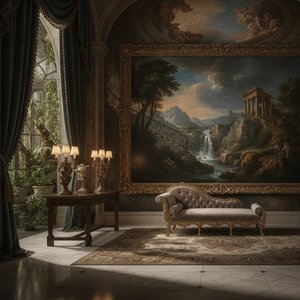
Baroque Landscapes: A Procurement Guide to Dramatic Depth and Grandeur for Professional Hotel Interiors
Elevate hospitality interiors with Baroque landscape reproductions. Our guide for hotel designers covers sourcing hand-painted oils, multi-panel layouts, and large-scale murals to create dramatic, high-end spaces with reliable bulk procurement and global shipping.

Baroko Dramatizmas: Elegancijos ir Emocijų Įnešimas į Šiuolaikinius Interjerus
Atraskite baroko dramatiškumą! Meno konsultacijos, rankų darbo reprodukcijos ir patarimai, kaip įnešti eleganciją bei emocijas į jūsų interjerą su OriginalUniqueArt.com. Kokybė garantuota!

Embrace the Drama: A Guide to Baroque Dynamism and Chiaroscuro for Sophisticated Modern Interiors
Discover how to transform your home with the dramatic elegance of Baroque art. Learn to master chiaroscuro, integrate bold oil reproductions, and use light and shadow to create a luxurious, high-impact modern interior with expert design guidance.